

Best CNC Hydraulic Press Brake Solutions in 2026: A Comprehensive Guide
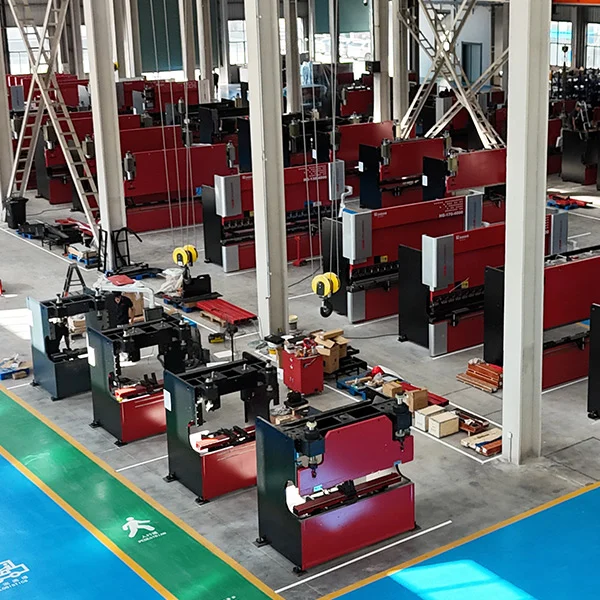
As metal fabrication demands continue to grow in 2026, choosing the right CNC hydraulic press brake is essential for precision bending, high productivity, and long-term cost efficiency. From workshops in North America to industrial plants in Europe and Asia, CNC hydraulic press brakes remain the go-to solution for bending sheet and plate metal with accuracy, repeatability, and reliability.
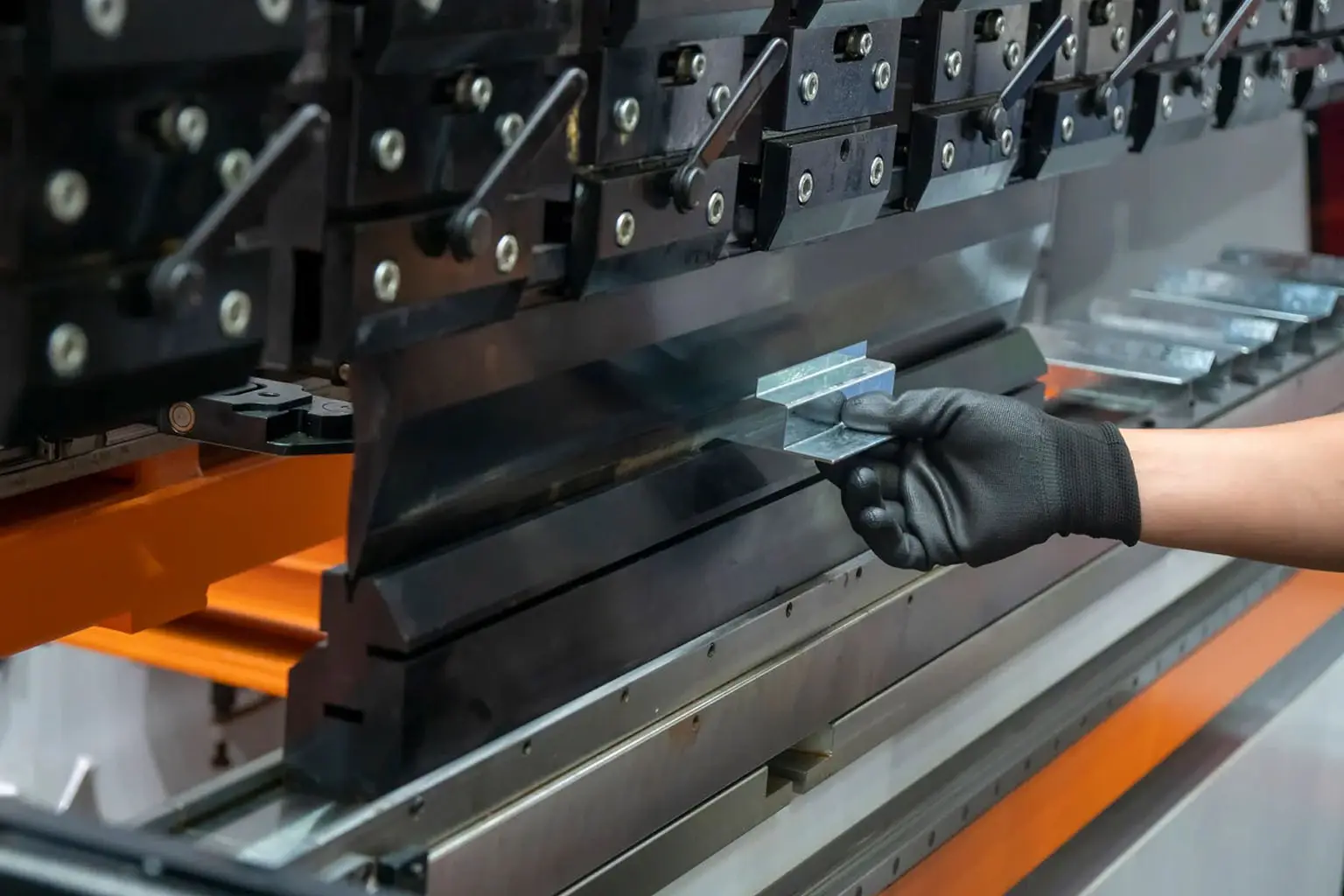
This guide highlights top CNC hydraulic press brake solutions that stand out in 2026, outlines key features to consider, and provides actionable insights to help you select the best press brake for your fabrication needs.
Why CNC Hydraulic Press Brakes Still Matter
CNC hydraulic press brakes use hydraulic cylinders to deliver powerful, smooth bending forces, combined with CNC control systems to automate positioning, sequencing, and accuracy. They are widely favored for:
-
High bending tonnage requirements
-
Thick plate bending capability
-
Consistent precision over long production runs
-
Versatility in handling different materials
Hydraulic systems remain a trusted choice when power and controlled bending force are priorities—especially for heavy-duty industrial fabrication.
Key Features to Look for in 2026
Before reviewing specific models, here are the core capabilities to evaluate:
🔹 CNC Control Quality
Look for intuitive interfaces, multi-axis programming, and integration with CAD/CAM software to reduce setup time and minimize human error.
🔹 Bending Accuracy & Repeatability
High-resolution back gauge positioning and real-time monitoring help ensure consistent bend angles—even over hundreds of parts.
🔹 Machine Build and Durability
A rigid frame, quality hydraulics, and precision slides provide stable performance and long service life.
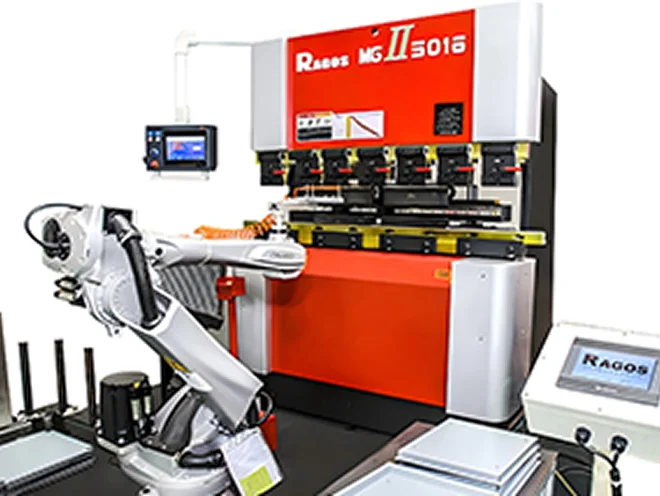
🔹 Automation Compatibility
Support for robotic bending cells, automated material handling, and digital tracking enhances productivity in modern smart factories.
Top CNC Hydraulic Press Brake Solutions for 2026
Below are leading press brake configurations that deliver performance, flexibility, and productivity for different shop sizes and applications.
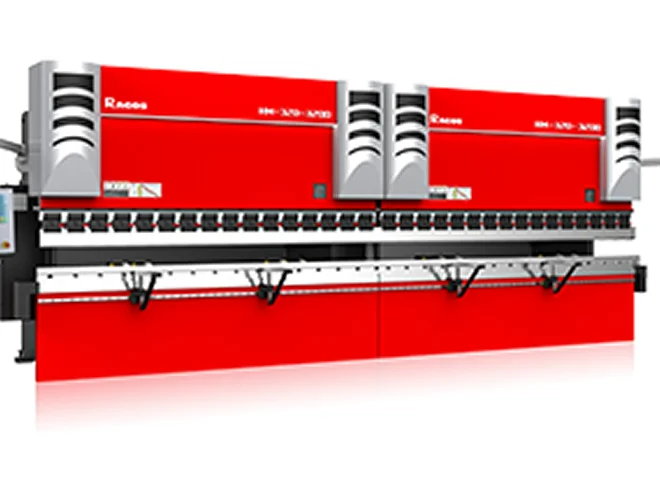
1. High-Precision CNC Hydraulic Press Brake (Entry / Mid Range)
Ideal for small to midsize fabrication shops, this model combines reliable hydraulic power with digital control sophistication.
Recommended for:
-
Sheet metal bending
-
HVAC duct components
-
Electrical enclosures
Key Benefits:
-
User-friendly CNC interface
-
Effective back gauge repeatability
-
Smooth bending force delivery
-
Cost-efficient performance
This solution suits workshops transitioning from manual press brakes to automated systems with minimal complexity.
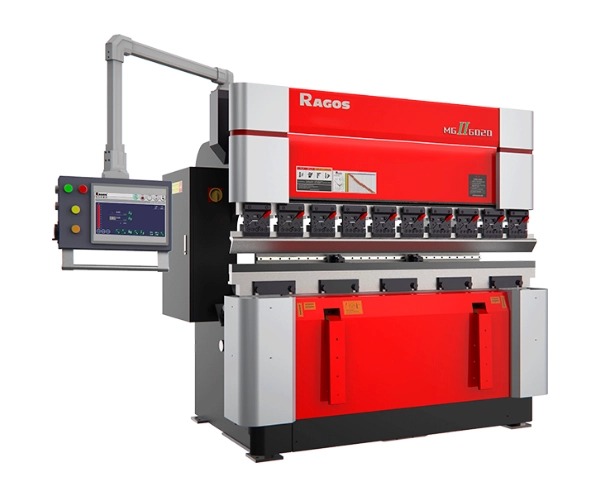
2. Medium-Duty CNC Hydraulic Press Brake for Mixed Production
When fabrication tasks include a mix of thin and medium gauge materials, a medium-duty CNC hydraulic press brake brings flexibility.
Ideal applications:
-
Structural parts
-
Machine housings
-
Architectural metal components
Standout Features:
-
Adjustable ram speed
-
Enhanced CNC programming
-
Robust mechanical components for stability
Producers with varied part orders benefit from this balanced capacity, combining mid-range tonnage with reliable CNC controls.
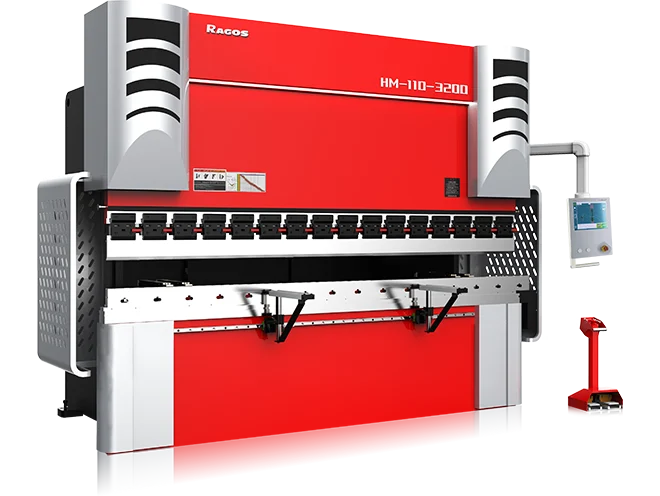
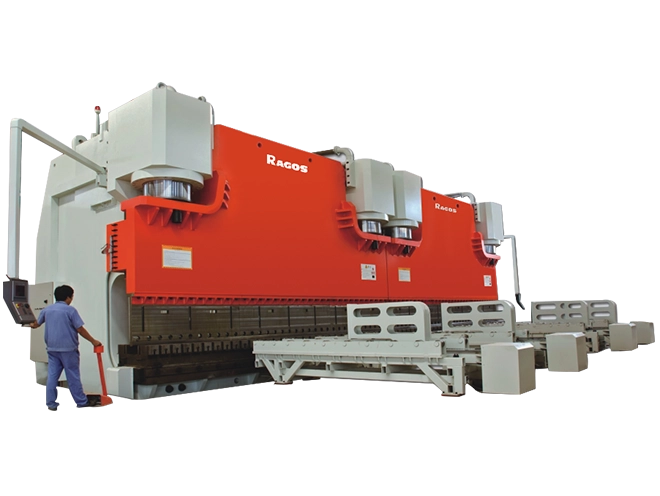
3. Heavy-Duty High-Capacity Press Brake for Industrial Work
For thick plates, heavy structural profiles, and industrial-scale bending, heavy-duty press brakes deliver the muscle fabrication facilities depend on.
Best suited for:
-
Shipbuilding
-
Construction machinery
-
Large structural components
Why choose this option:
-
Extremely high bending tonnage
-
Rigid frame to eliminate deflection
-
Automated back gauge with multi-axis control
This configuration supports high-volume bending with minimal setup variation, ensuring repeatability across long runs.
4. CNC Hydraulic Press Brake with Advanced Back Gauge System
A robust back gauge system is essential for repeatable precision. Models equipped with multi-axis digital back gauges allow:
-
Precise coordinate positioning
-
Automated bend sequences
-
Faster job changeover
These features reduce operator error and support faster throughput—especially valuable in high-mix production environments.
5. Integrated Bending Line with Press Brake and Roll Feeder
For fabrication workflows that require long bends or high output, integrating a hydraulic press brake with a roll feeder system creates a seamless bending line.
Advantages:
-
Continuous material feeding
-
Reduced manual intervention
-
Higher throughput
Ideal for industrial plants focused on structural fabrication and large batch production.
6. Hybrid CNC Hydraulic & Servo-Electric Press Brake Combo
Some modern solutions blend hydraulic power with servo-electric assistance, yielding:
-
Controlled force with precision speed
-
Improved energy efficiency
-
Faster cycle times
This hybrid configuration is ideal for shops handling both heavy and precision bending tasks without sacrificing speed or control.
7. CNC Press Brake with Automated Tool Change System
Tool change time can slow productivity. CNC hydraulic press brakes that include quick-change tooling systems ensure:
-
Minimal downtime between jobs
-
Faster tooling setup
-
Greater flexibility for complex bending profiles
This solution is useful for job shops with frequent changeovers and mixed lot sizes.
8. Smart Press Brake with Digital Monitoring and Analytics
Industry 4.0 integration makes press brakes smarter. Solutions equipped with real-time monitoring, predictive maintenance, and digital analytics empower:
-
Remote machine tracking
-
Production performance optimization
-
Data-driven decision-making
Highly beneficial for manufacturers aiming for lean operations and operational transparency.
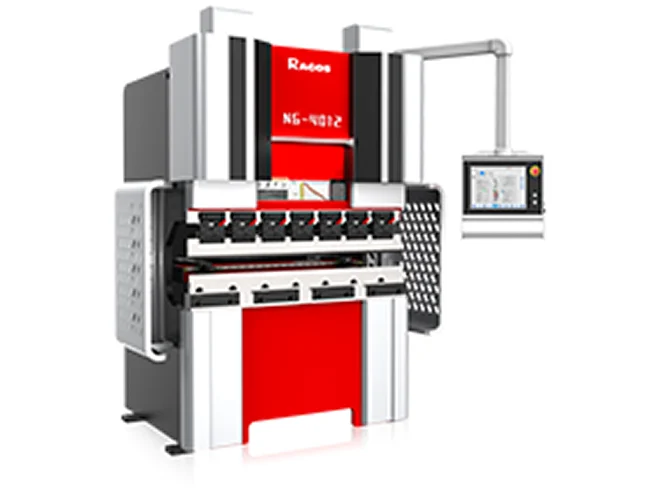
9. Compact CNC Hydraulic Press Brake for Small Workshops
Not all fabrication environments require massive tonnage. Compact CNC hydraulic press brakes provide:
-
Precision bending in limited floor space
-
Cost-effective entry into CNC bending
-
Easy installation and operation
Perfect for custom shops, prototyping facilities, and small production environments.
How to Choose the Right Solution for Your Facility
Selecting the best CNC hydraulic press brake comes down to these steps:
-
Evaluate Your Material Requirements
Identify thickness ranges, material types, and typical part sizes. -
Determine Production Volume
High-volume runs benefit from automation and advanced controls. -
Match Tonnage to Application
Avoid undersized machines for heavy plate fabrication or oversized machines for thin sheet tasks. -
Consider Future Growth
Choose systems with automation readiness, digital controls, and flexible tooling support.
Press Brakes and Global Manufacturing Trends
North America
Fabricators increasingly invest in press brakes that combine power with automation, enabling faster setup times and consistent part quality crucial for industrial and automotive fabrication.
Europe
Precision and energy efficiency are top priorities. CNC press brakes integrated with smart systems and servo-electric components are gaining popularity.
Asia
Rapid industrial growth has expanded demand for machines that can adapt to high-volume production, with Chinese and Taiwanese manufacturers enhancing global competitiveness.
Conclusion: Investing in Your Fabrication Future
In 2026, CNC hydraulic press brakes remain central to metal fabrication. Whether your priority is precision bending, heavy-duty plate work, or high throughput, the right machine will boost productivity, reduce scrap, and elevate quality.
By considering core features like CNC control sophistication, back gauge accuracy, automation compatibility, and global service availability, manufacturers can select solutions that support both today’s needs and tomorrow’s growth.
At JS RAGOS Intelligent Equipment, we provide CNC hydraulic press brakes engineered for durability, performance, and integration—backed by global support for customers across North America, Europe, and Asia.
Choosing the right press brake solution is not just a purchase—it’s a strategic investment in your fabrication capability and competitive edge.