

How to Bend Sheet Metal Without Scratches: 8 Expert Press Brake Operation Tips
For fabricators, achieving clean bends without surface blemishes is just as important as bending accuracy. Scratches, marks, and surface damage not only compromise appearance—they can weaken metal coatings, reduce corrosion resistance, and increase post-processing time. Whether you operate a workshop in North America, a precision fabrication line in Europe, or a high-volume plant in Asia, mastering press brake techniques is essential for scratch-free results.
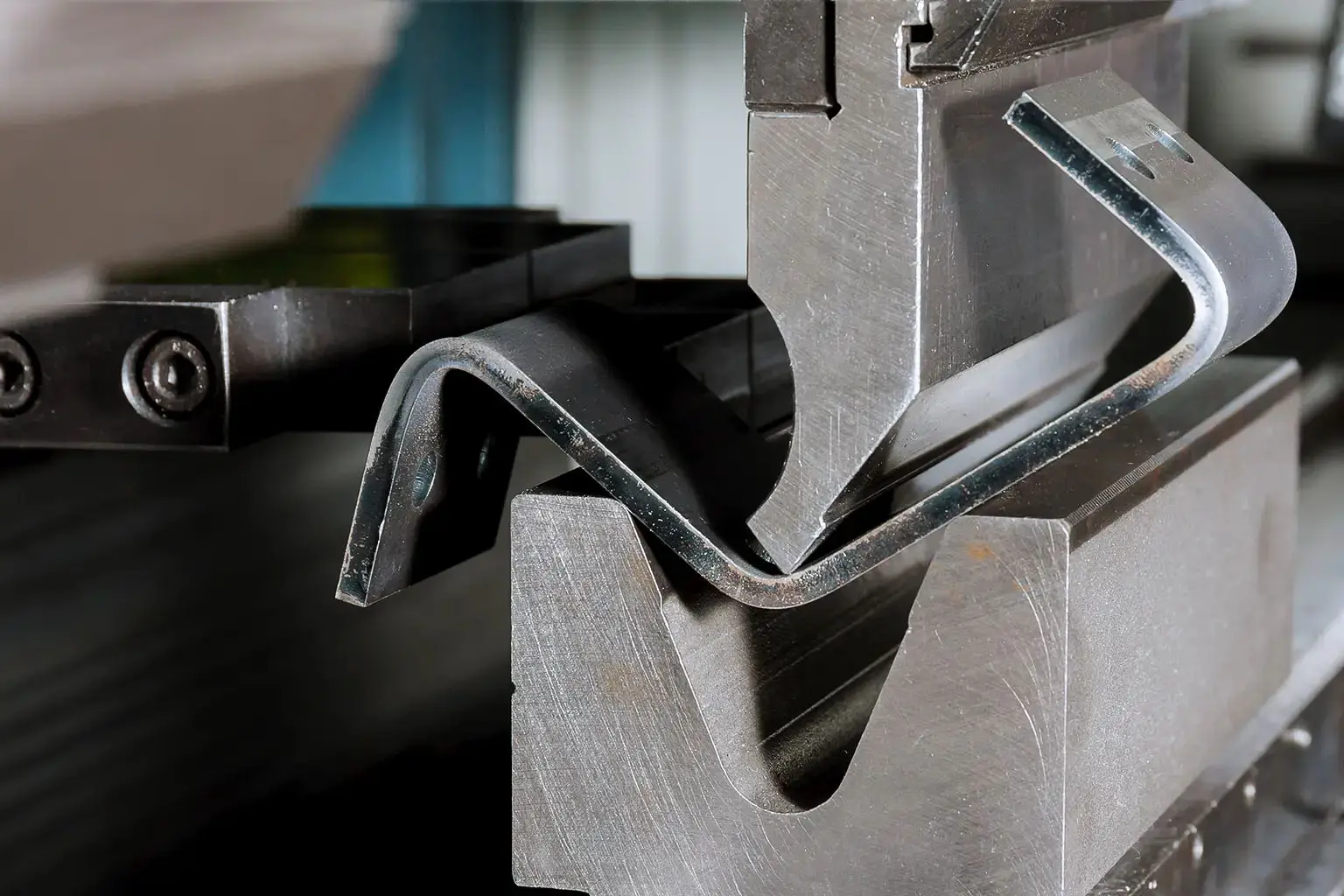
In this guide, we share 8 expert tips to help you bend sheet metal more efficiently while preserving surface quality—so your parts come out both precision-formed and visually pristine.
Understanding Why Scratches Occur
Before diving into solutions, it helps to understand common causes of scratches during bending:
-
Friction between tooling and metal surfaces
-
Material shifting during bending
-
Inadequate back gauge support
-
Rough or worn tooling surfaces
Improving your press brake setup and operation habits can significantly reduce these issues.
Tip 1 — Use Protective Sheets and Padding
Placing thin protective layers like soft PVC strips, kraft paper, or polyurethane pads between the tooling and metal prevents direct contact that can mar the surface.
This extra barrier absorbs friction and helps:
-
Prevent blemishes on finished parts
-
Protect coated or painted surfaces
-
Reduce tooling marks
For precision work like architectural panels or automotive parts, this simple step can dramatically improve surface quality.
Tip 2 — Keep Tooling Clean and Well-Maintained
Dirty or worn tooling is a leading cause of scratches. Dust, debris, or metal buildup on punches and dies increases friction and can score the metal.
Best practices include:
-
Regular wiping of tooling surfaces
-
Inspecting for nicks and burrs
-
Polishing contact surfaces when needed
Clean, smooth tooling delivers cleaner bends and reduces the risk of surface damage.
Tip 3 — Choose the Right Tooling for Your Material
The correct tooling profile and material hardness help reduce metal surface stress. For example:
-
Polished dies are preferable for finished sheet metal
-
Rounded radii tooling reduces sharp metal deformation
-
Soft tooling coatings (e.g., nylon or urethane) protect delicate surfaces
Matching tooling geometry to your specific material and thickness will improve outcomes.
Tip 4 — Adjust Pressure and Bend Speed
Excessive force and rapid bending can increase surface drag and tool contact pressure, leading to scratches.
To reduce this:
-
Fine-tune ram speed and tonnage pressure
-
Slow down bending speed for delicate materials
-
Use CNC controls to create smooth, consistent motion
Oscillating ram movement with controlled feed improves surface quality in precision applications.
Tip 5 — Support Material Properly
When sheet metal isn’t properly supported, it may slide, rub, or slip during bending. Ensure your setup includes:
-
Accurate back gauge positioning
-
Support arms or tables for extended sheets
-
Dynamic hold-down clamps to secure material
This minimizes unintended motion that can cause surface marring.
Tip 6 — Apply Temporary Surface Protection
For painted or coated materials, surface protection film or masking tape is an effective temporary barrier.
Benefits include:
-
Preserving factory coatings
-
Preventing tooling marks
-
Reducing cleanup time after bending
Just be sure to apply and remove protective films carefully to avoid adhesive residue.
Tip 7 — Optimize Back Gauge and Alignment
Incorrect back gauge alignment can cause sheets to rub against tooling stops or bends to misalign, leading to surface scratches.
To avoid this:
-
Confirm gauge positions with digital calipers
-
Program consistent stop positions for repetitive bends
-
Use CNC positioning for high accuracy
Consistent alignment ensures bends occur smoothly without unwanted metal sliding.
Tip 8 — Train Operators on Best Practices
Even the best press brake can produce surface damage if operators lack proper training. Invest in operator education that covers:
-
Material handling techniques
-
Proper tooling selection
-
Machine maintenance routines
-
Safety practices
Well-trained operators are better equipped to avoid mistakes that lead to surface blemishes.
Bonus Tip — Use Airbag or Pressurized Hold-Downs for Delicate Sheet Metal
For ultra-thin or high-finish sheet materials (e.g., stainless steel or aluminum panels), consider airbag clamps or pressurized hold-downs that:
-
Reduce point contact
-
Hold panels gently yet securely
-
Prevent scratching during bending
These advanced fixtures are especially useful in precision fabrication shops and high-end architectural metalwork.
Press Brake Setup Checklist for Scratch-Free Bends
Here’s a quick checklist to apply before each bending job:
✅ Inspect tooling for cleanliness and wear
✅ Choose proper tooling profiles
✅ Apply protective layers where needed
✅ Confirm back gauge position
✅ Use support tables for long sheets
✅ Adjust pressure and bend speed
✅ Train operators on specific material handling
✅ Apply temporary surface protection for finished materials
Following this checklist ensures your press brake is optimized for quality outcomes every time.
Material-Specific Recommendations
Different materials require unique handling:
Stainless Steel
-
Use polished tooling
-
Reduce bending speed
-
Apply surface protection film
Aluminum
-
Minimize tooling pressure
-
Use softer pads for protection
-
Avoid sharp tooling radii
Mild Steel
-
Standard tooling works well
-
Maintain tooling cleanliness
-
Use padding for sensitive finishes
By tailoring your approach to material characteristics, you achieve better surface quality and reduce post-bend finishing.
Why Surface Quality Matters in Fabrication
Surface quality influences not only visual appeal but also:
-
Corrosion resistance (especially in coated materials)
-
Fitment in assemblies
-
Paint and coating adhesion
-
Customer satisfaction and perceived quality
In industries like automotive, aerospace, and architectural metalwork, pristine surfaces are often non-negotiable.
Conclusion: Mastering Press Brake Bending for Scratch-Free Results
Achieving scratch-free sheet metal bends requires a combination of proper setup, smart tooling choices, material-specific techniques, and trained operators. Whether you run a fabrication shop in the United States, Germany, or China, these techniques help minimize surface damage while maximizing bending accuracy and productivity.
By following the tips outlined in this guide, you’ll reduce rework, protect material finishes, and deliver high-quality parts that meet both functional and aesthetic standards.
At JS RAGOS Intelligent Equipment, we support fabricators with advanced press brake solutions and practical operational guidance to help you get the best results from your machines—every bend, every part.