

How to Choose the Right Press Brake: Expert Recommendations for Precision Bending
In the world of metal fabrication, few machines are as essential as a press brake. From structural steel to precision sheet metal, the press brake is the workhorse that bends, shapes, and forms metal components for countless industries. Whether you're a small fabrication shop in Texas, a high-volume factory in Germany, or an automation-focused facility in China, choosing the right press brake profoundly impacts accuracy, productivity, and long-term operational success.
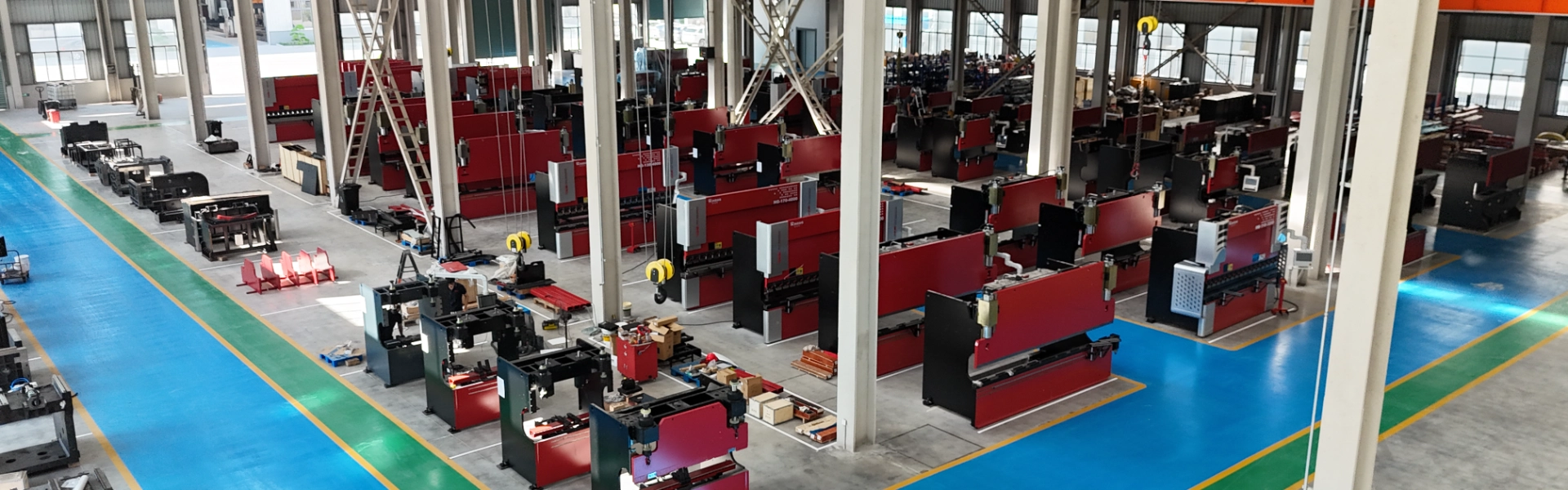
In this guide, we’ll walk you through what to consider when selecting a press brake, how different types of machines serve specific fabrication needs, and recommend solutions that balance performance and investment. At JS RAGOS Intelligent Equipment, we specialize in advanced press brake solutions that help manufacturers achieve consistent quality across every bend.
Why Press Brakes Matter in Metal Fabrication
Press brakes are engineered to bend sheet and plate metal by pressing it between a punch and die. This fundamental operation touches nearly every fabrication workflow, including:
-
Automotive panels and structural components
-
HVAC duct and enclosure forming
-
Industrial machinery housings
-
Architectural metalwork
-
Appliance panels
What makes a press brake indispensable is not just that it bends metal—but that it bends with accuracy and repeatability. In industries with strict tolerance requirements, even slight inconsistencies in a bend can compromise fit, function, and final assembly.
Key Factors in Choosing a Press Brake
1. Tonnage Capacity
Tonnage refers to the force a press brake can exert. It is usually expressed in tons per meter (e.g., 100 tons per meter).
-
Light duty (30–100 t/m): Suitable for thin sheet metal in electrical enclosures or HVAC parts.
-
Medium duty (100–300 t/m): Ideal for general fabrication shops and structural parts.
-
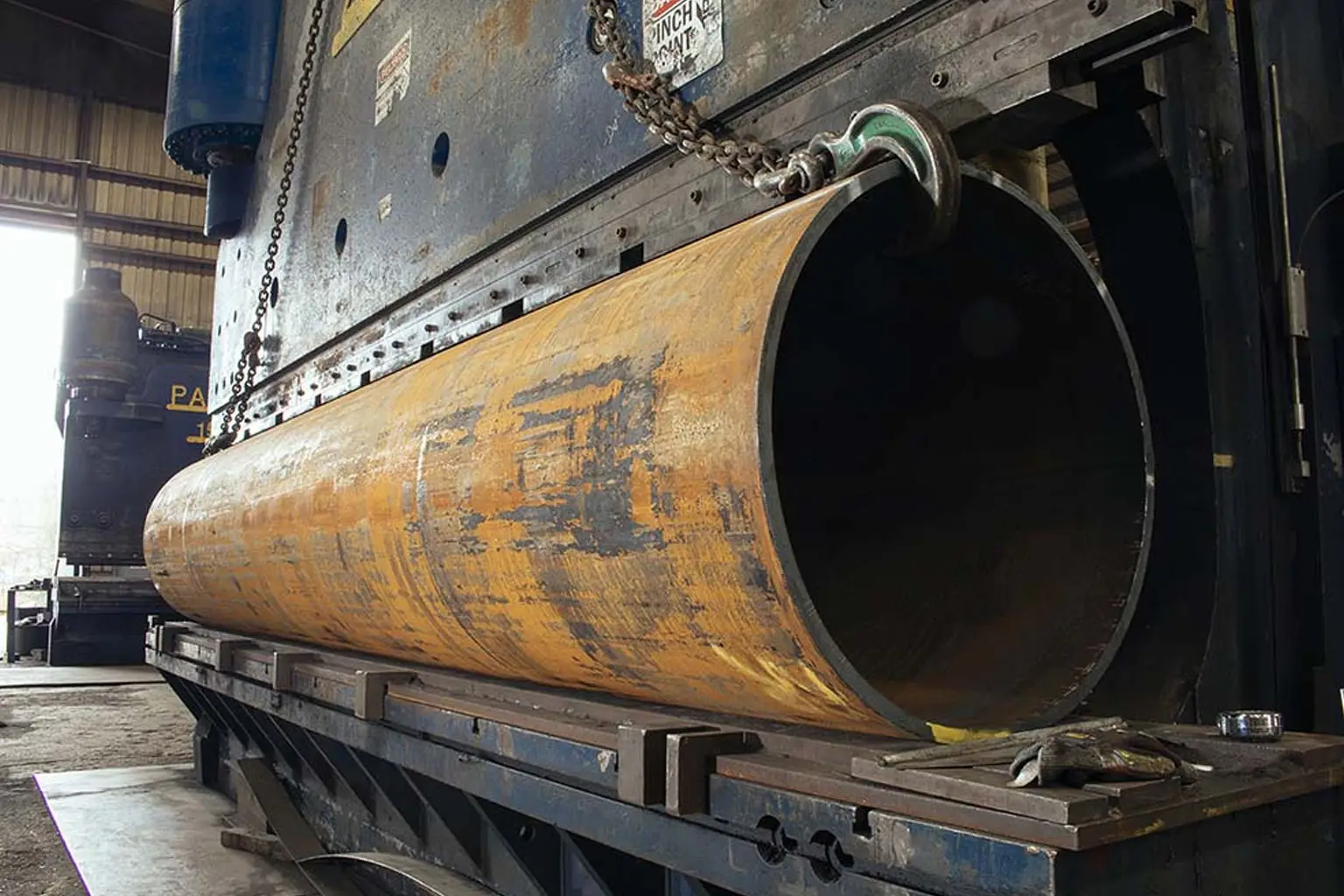
Heavy duty (300+ t/m): Required for thick plate bending in heavy industry or shipbuilding.
Choosing the right tonnage prevents underloading (leading to poor bends) or overloading (unnecessary machine cost).
2. Bending Length
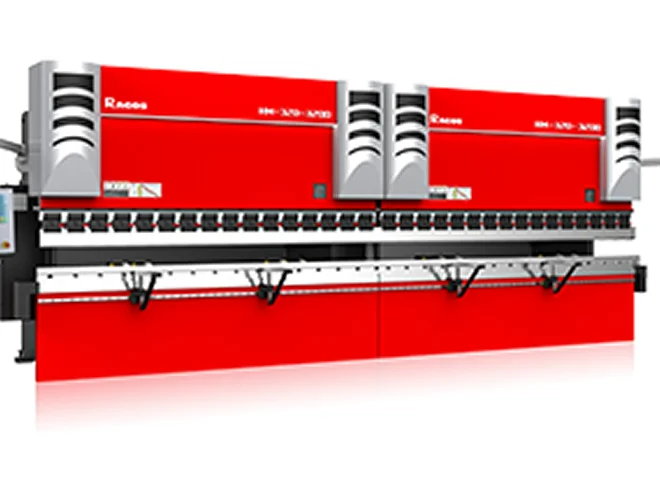
The width of the machine’s bending beam determines how long a single piece it can bend. Common bending lengths range from 2,000 mm (≈78") up to 6,000 mm (≈236").
For customers in North America where large industrial components are frequent, longer bed lengths are essential. In contrast, specialized shops may focus on shorter bend lengths to optimize floor space.
3. CNC Control Systems
Modern CNC press brakes provide digital positioning of back gauges and programmable bend sequences, bringing:
-
Improved accuracy
-
Faster setup times
-
Repeatable productions
-
Integration with CAD/CAM workflows
CNC control is especially valuable for complex or high-mix production environments.
Types of Press Brakes and When to Use Them
🤖 1. Hydraulic Press Brake
Hydraulic machines use hydraulic cylinders to provide bending force. They are widely used due to reliability and smooth force delivery.
-
Best for: General metal fabrication, medium to heavy parts
-
Pros: Efficiency, stable force control, long service life
-
Cons: Slightly slower cycles compared to servo-electric models
Hydraulic press brakes remain a standard in many shops due to their balance of power and cost-effectiveness.
⚡ 2. Servo-Electric Press Brake
Servo-electric models use electric motors to drive bending actions. They excel in precision and energy efficiency.
-
Best for: Thin gauge bending, high-precision components
-
Pros: Faster cycles, lower energy consumption, quieter operation
-
Cons: Limited tonnage compared to heavy hydraulic units
For fabrication facilities in Europe or Japan prioritizing energy-efficient solutions, servo-electric press brakes are increasingly preferred.
🌀 3. Hybrid Press Brake
Hybrid machines combine hydraulic power with servo-electric assistance to balance force and efficiency.
-
Best for: Mixed workloads needing both power and digital accuracy
-
Pros: High precision, reduced energy use, versatile performance
-
Cons: Higher initial investment
Hybrid press brakes suit facilities transitioning to Industry 4.0 workflows without sacrificing load capacity.
Recommended Press Brake Solutions
Here are recommended press brake configurations based on typical fabrication applications:
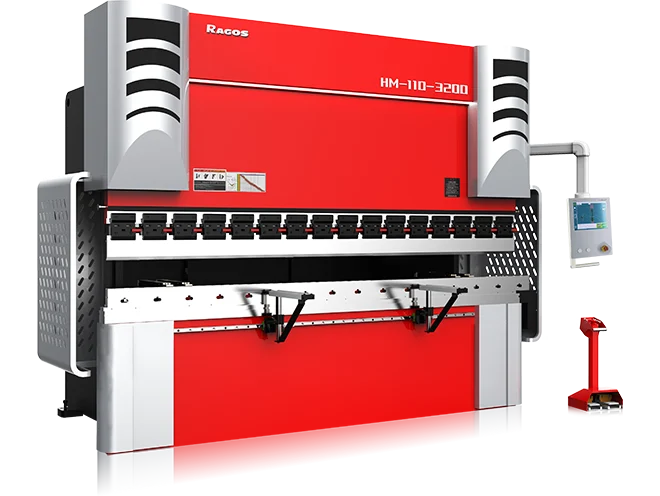
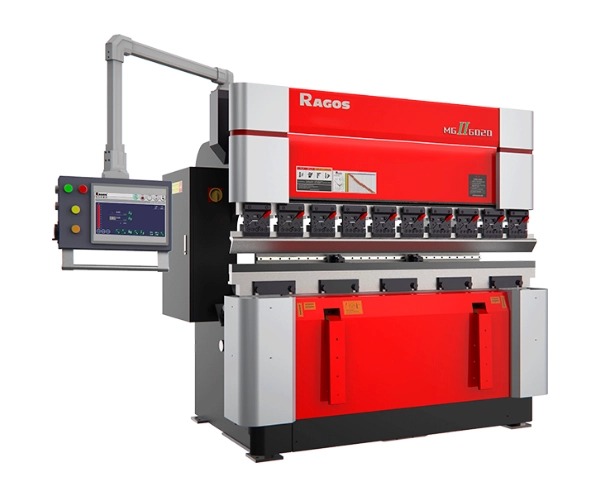
🛠️ Entry-Level CNC Press Brake (100–150 t/m)
Ideal for small to mid-sized shops fabricating:
-
HVAC panels
-
Electrical cabinets
-
Sheet metal assemblies
Why choose this:
It offers digital control for consistent bending while maintaining affordability. CNC back gauges and pre-programmed bend sequences significantly reduce setup time.
Best suited for: Startups, contract fabricators, and maintenance shops.
🏭 Mid-Range Hydraulic Press Brake (200–300 t/m)
Designed for more demanding load requirements and thicker materials:
-
Structural components
-
Heavy-gauge sheet parts
-
Industrial enclosures
Why choose this:
Increased tonnage accommodates thicker metals like 10 mm+ steel with accuracy. These machines are reliable for high-mix production.
Best suited for: General fabrication shops and industrial manufacturers.
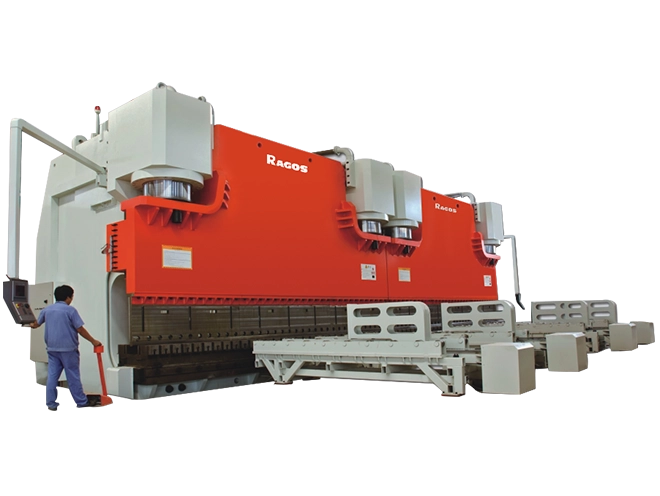
🏗️ Heavy-Duty Press Brake (300+ t/m)
Engineered for large plate and heavy fabrication:
-
Shipbuilding and offshore
-
Construction equipment
-
Heavy machinery parts
Why choose this:
Maximum tonnage ensures deep bends and precision even in tough materials.
Best suited for: High-capacity manufacturing environments and OEM suppliers.
Enhancing Press Brake Productivity
Beyond the machine itself, tooling and accessories like quick-change clamps, specialized dies, and advanced back gauges enhance both precision and throughput.
Press brake kits, for example, enable:
-
Faster setup with multiple die sets
-
Complex bend profiles for intricate components
-
Reduced downtime between jobs
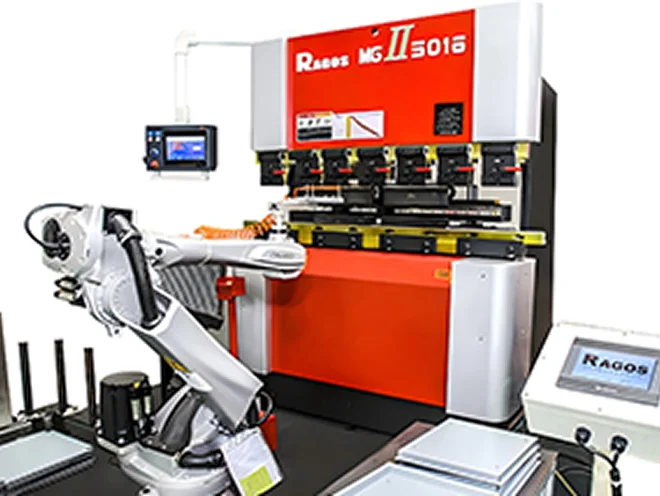
Digitally integrated bending lines with press robots and roll-feed systems are also transforming high-volume fabrication facilities across China and South-East Asia.
How Press Brakes Fit Industry 4.0
Industry 4.0 emphasizes connectivity, automation, and data-driven manufacturing. Press brakes equipped with smart CNC systems integrate into broader factory ecosystems, enabling:
-
Remote monitoring & diagnostics
-
Production data tracking
-
Automated setup with stored recipes
This technology is especially valuable for manufacturers serving multi-site production and international supply chains.
Safety and Training Considerations
Investing in machine safety is critical. Press brakes should include:
-
Light curtains or safety scanners
-
Foot pedal controls with emergency stops
-
Operator training and certification programs
Safety protocols protect workers and reduce downtime due to accidents—a high priority in regulated markets such as North America and the European Union.
Cost Considerations and ROI
While press brakes represent a significant investment, the ROI comes from:
-
Reduced material waste
-
Faster production cycles
-
Consistent quality with less rework
-
Reduced labor time due to automation
For many manufacturers, the right press brake pays for itself within the first few years of operation.
Installation, Service, and Support
Selecting a press brake provider with global support—including spare parts, technical training, and rapid service—is vital for minimizing downtime. JS RAGOS offers integrated support services that serve customers across North America, Europe, and Asia, ensuring machines perform optimally throughout their lifecycle.
Final Thoughts
Choosing a press brake is a decision that shapes the core of your metal fabrication capability. Whether you’re focused on precision sheet metal, heavy structural forming, or a mix of both, the key is matching machine type, tonnage, and tooling to your production demands.
From energy-efficient servo-electric units to robust heavy-duty hydraulic models, there’s a press brake solution for every fabrication challenge. When backed by advanced CNC controls and comprehensive support, your press brake will become a cornerstone of productivity and quality in your shop.
At JS RAGOS Intelligent Equipment, we stand ready to help you select the right press brake solution and empower your workshop with precision bending tools engineered for global manufacturing success.