

Laser Beam Machining: Process, Types, Advantages and Applications
Laser Beam Machining (LBM) refers to a non contact process of machining that is based on thermal energy and can be used to cut out material by focusing high energy laser beam onto a workpiece. Localized heating, melting and vaporization of material are all involved through the use of the intense beam to produce precise cutting, drilling or surface modification.
In contrast to traditional machining techniques where the mechanical tool contacting is made, LBM involves focused light energy which means that there is no wear of the tool and the mechanical stress exerted on fine materials is minimal.
This paper describes the operation of laser beam machining, its major constituents, benefits, challenges, and currently used in industry.
What Is Laser Beam Machining?
Laser Beam Machining is an example of non-traditional machining process that demands the use of focused beam of laser energy in abrading metallic and non metal surface.
Fundamentally, LBM focuses purposely coherent, monochromatic light to a work piece. The energy taken in increases the temperature quickly, thereby melting and vaporizing the material.
Since it does not involve any cutting forces and mechanical deformation, depending on non-contact forces, the process does not affect thin sheets or brittle materials and features of less than a micrometer in diameter - making it ideal.
Working Principle of Laser Beam Machining
The fundamental mechanism of LBM involves three stages:
1. Laser Generation
A high-energy laser source (such as CO₂ or solid-state lasers) generates an intense beam of coherent light .
2. Beam Focusing
Optical lenses and mirrors focus the beam into a very small spot size, increasing energy density significantly .
3. Material Removal
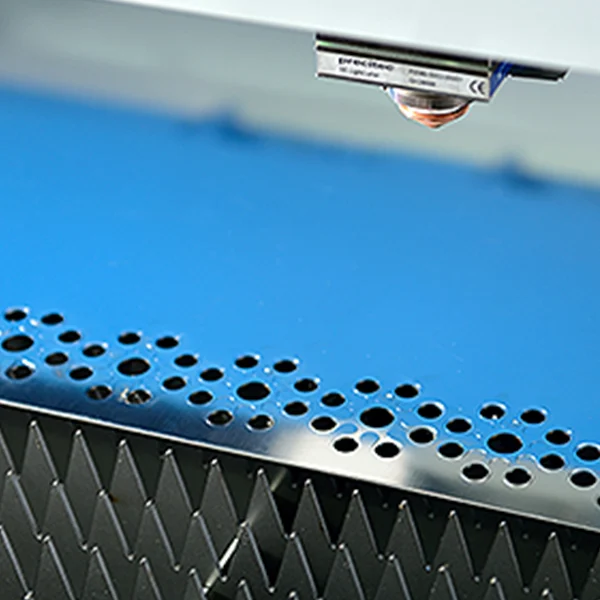
The focused beam interacts with the surface, causing rapid heating, melting, and vaporization. Material is expelled from the cutting zone .
The absence of mechanical contact prevents tool wear and allows automation for complex cutting paths .
Main Components of an LBM System
A typical laser beam machining system includes:
-
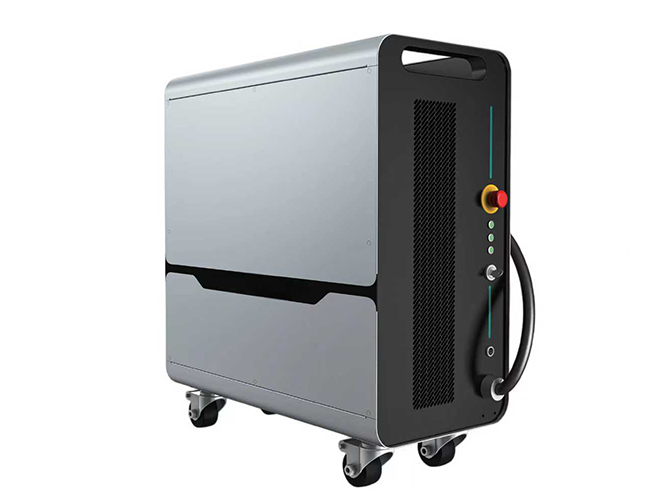
Laser source (CO₂, fiber, or solid-state)
-
Power supply and excitation system
-
Optical focusing lenses and mirrors
-
CNC control system for precision movement
-
Cooling and assist gas system
Modern CNC-controlled laser systems enable repeatable and automated operations .
Types of Lasers Used in Machining
Different laser types are used depending on application:
CO₂ Lasers
Common in industrial cutting; operate using gas mixtures and are widely used for sheet metal processing .
Fiber Lasers
Known for high efficiency and precision cutting performance in metals .
Solid-State / Nd:YAG Lasers
Used in precision drilling, marking, and micro-machining applications .
Each type offers different wavelength characteristics, influencing absorption and cutting performance.
Advantages of Laser Beam Machining
Laser Beam Machining offers several major advantages:
1. High Precision
LBM can achieve micron-level processing accuracy and complex geometries .
2. No Tool Wear
Since there is no physical contact, tooling does not degrade over time .
3. Works on Multiple Materials
It can machine metals, plastics, ceramics, glass, and composites .
4. Minimal Heat-Affected Zone
Compared with some conventional thermal processes, LBM can maintain a relatively small heat-affected zone .
5. Automation and CNC Integration
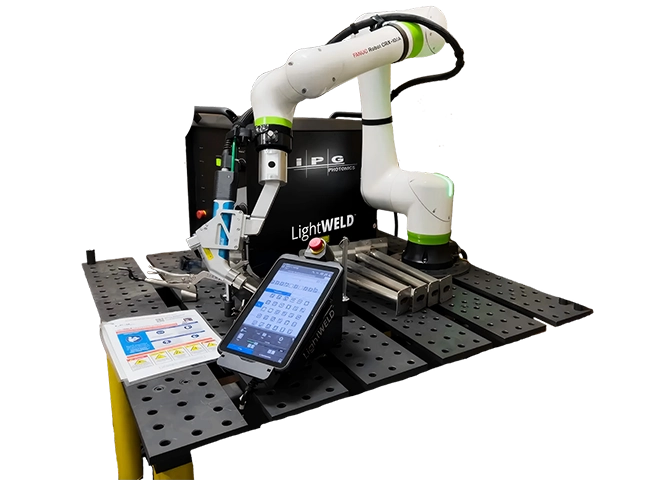
Laser systems integrate easily with automation and robotic systems for mass production .
Limitations of Laser Beam Machining
Despite its benefits, LBM has some constraints:
1. High Initial Investment
Laser systems require significant capital cost .
2. Thickness Limitations
Laser machining may have limitations when cutting very thick materials .
3. Taper and Hole Quality
Deep drilling can produce slight tapering or dimensional variation .
4. Energy Consumption
Laser machining consumes substantial energy, contributing to operational cost .
These factors must be considered when selecting LBM for industrial applications.
Industrial Applications of Laser Beam Machining
Laser beam machining is widely used in:
Aerospace
Precision cutting and micro-drilling for lightweight components .
Automotive
Sheet metal cutting and structural part fabrication .
Electronics
Micro-feature machining and circuit fabrication .
Medical Devices
High-precision micro-components and surgical applications .
Because LBM supports automation and high repeatability, it plays a central role in advanced manufacturing systems.
Laser Beam Machining vs Conventional Machining
Compared to mechanical cutting:
-
No mechanical tool contact
-
Higher automation capability
-
Greater precision in thin or delicate materials
However, conventional machining may still be preferred for very thick sections or heavy stock removal.
Conclusion
Laser Beam Machining refers to an effective non-contact guide that involves the utilisation of focused light energy to slice, bore or etch materials at an extremely precise level. LBM facilitates complex forms, integration of automation and processing of multi-materials as it makes use of thermal rather than the mechanical force.
Though the capital cost and thickness restriction exist high, it is the benefits of laser beam machining: precision, no tool wear, and CNC compatibility which enable it to be a pillar of modern fabrication.