

Laser Cutting Power: How Much Do You Really Need?
Laser cutting power is one of the most important factors in determining cutting thickness, speed, efficiency, and operating cost. Choosing the correct power level directly affects productivity, cut quality, and long-term ROI.
Modern industrial laser cutters typically span a very wide range — from low-power systems around 30 watts to heavy industrial machines reaching 40 kW . In sheet metal fabrication, fiber laser cutting machines are commonly available from 1 kW up to 40 kW . Understanding what these numbers mean — and how they influence your process — is critical before investing in a system.
What Does “Laser Cutting Power” Mean?
Laser cutting power refers to the output power of the laser source, measured in kilowatts (kW) for industrial systems. The higher the power, the greater the energy density delivered to the material.
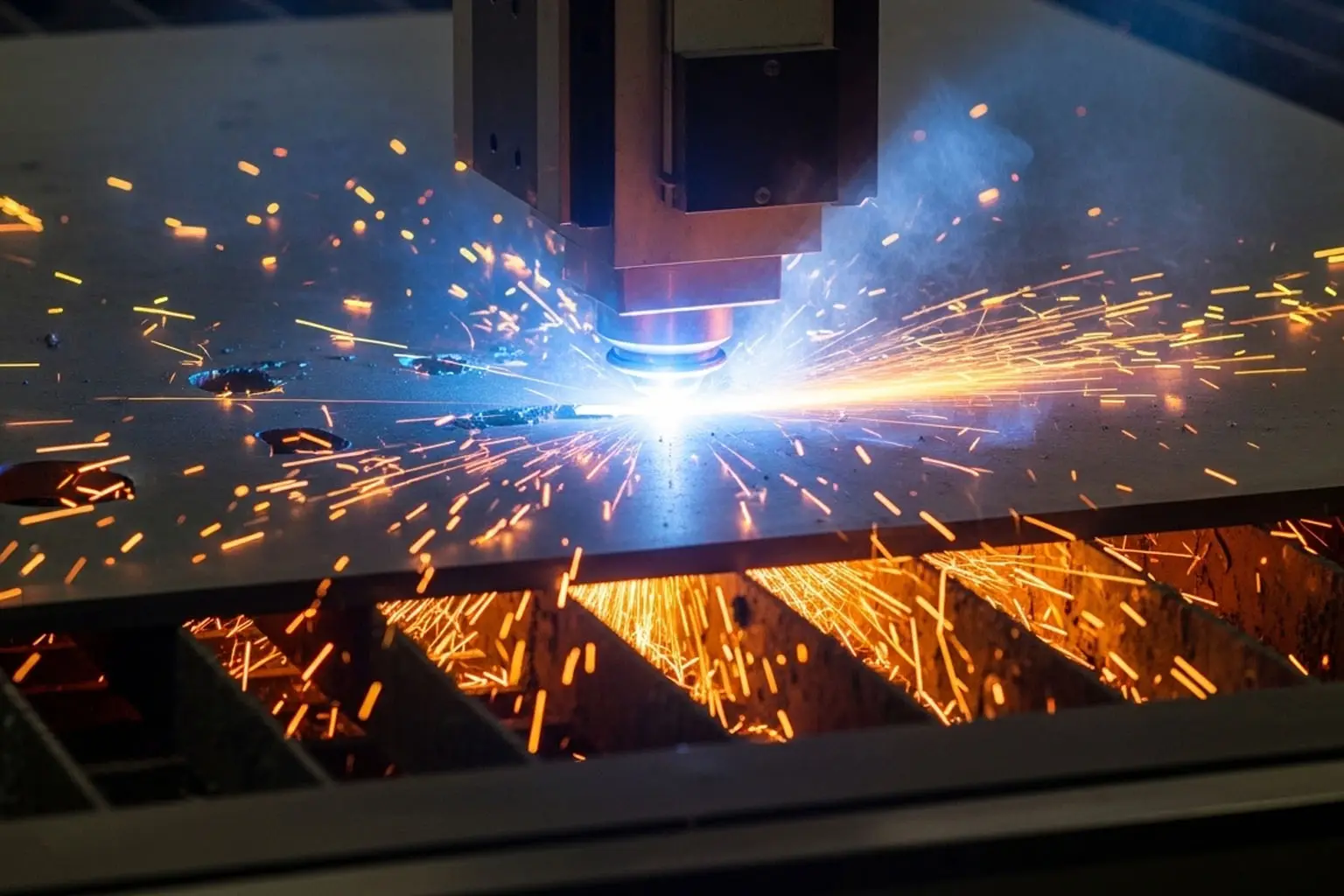
Laser cutting works by directing a high-power laser beam through optics and CNC motion control to melt, burn, or vaporize material . The required heat input depends on:
-
Material type
-
Material thickness
-
Cutting method (reactive or inert gas)
-
Desired cutting speed
In simple terms, thicker or more reflective materials require higher laser power to maintain clean, fast cuts.
Typical Power Ranges in Industrial Laser Cutting
Industrial laser cutters typically operate within these ranges:
-
Low power (1–2 kW) – Thin sheet metal
-
Medium power (3–6 kW) – General fabrication
-
High power (8–20 kW+) – Thick plate cutting
-
Ultra high power (30–40 kW) – Heavy industrial production
Laser cutting machines’ total power consumption (including auxiliary systems) typically ranges between 0.1 kW and 15 kW depending on configuration .
It is important to distinguish between laser source output power and total electrical consumption, which includes cooling units, exhaust systems, and peripheral equipment .
Fiber vs CO₂: Power and Efficiency Differences
Laser efficiency significantly affects how much electrical energy is converted into usable cutting power.
CO₂ lasers typically operate at 5–10% efficiency, while fiber lasers achieve around 20–30% efficiency for sheet metal cutting .
This means:
-
Fiber lasers require less input energy for the same cutting result.
-
Higher efficiency reduces long-term energy costs.
-
Heat management becomes easier with fiber systems.
For metal fabrication, fiber lasers have become dominant due to this improved energy conversion rate .
How Laser Power Affects Cutting Thickness
Laser power determines how thick a material can be cut effectively.
Higher-powered lasers can cut thicker materials but may reduce precision at extreme levels . Conversely, lower power settings improve accuracy but limit thickness capability .
According to industrial heat input data:
-
Stainless steel (3.2 mm) may require ~1500 W
-
Stainless steel (6.4 mm) may require ~2500 W
-
Aluminum (6.4 mm) may require up to 10,000 W
This illustrates how dramatically required wattage increases as thickness rises.
Cutting Speed vs Power Relationship
Higher power does not only allow thicker cutting — it also dramatically increases cutting speed.
Laser cutting uses methods such as melt-and-blow (fusion cutting), where high-pressure gas removes molten material from the kerf . When sufficient power is applied:
-
Piercing time decreases
-
Edge quality improves
-
Production cycle time shortens
For high-volume production environments, upgrading from 3 kW to 6 kW can significantly reduce per-part manufacturing time.
Key Factors That Influence Laser Power Requirements
Laser cutting power demand is not determined by wattage alone. Several variables influence how much energy is required:
1. Operating Time
Longer runtime directly increases energy consumption .
2. Maximum Laser Power Setting
Running a machine continuously at maximum output consumes significantly more electricity .
3. Peripheral Equipment
Cooling units, exhaust systems, and air management systems all add to total consumption .
4. Environmental Conditions
High ambient temperatures increase cooling load and total power draw .
Optimizing cutting parameters can reduce unnecessary power usage while maintaining performance.
Energy Consumption and Cost Efficiency
Laser cutting is often considered cost-effective because of relatively low operating cost per hour.
Industrial machines may consume between 0.1 kW and 15 kW depending on configuration . Despite high instantaneous power output, overall hourly operating costs can remain competitive compared to mechanical cutting technologies .
Efficiency improvements — particularly in fiber laser systems — contribute to lower total cost of ownership .
Laser Power and Safety Considerations
High-power lasers present significant safety risks.
Lasers above 500 mW fall into Class IV and can cause severe eye or skin damage . Industrial laser cutting systems typically operate far beyond this threshold and require:
-
Enclosed cutting cabins
-
Safety interlock systems
-
Proper grounding
-
Operator protection protocols
Power increases must always be matched with appropriate safety engineering.
How to Choose the Right Laser Cutting Power
Selecting the correct laser cutting power depends on your application:
Choose 1–3 kW if:
-
You cut thin sheet (≤5 mm)
-
Precision and low operating cost are priorities
-
Production volumes are moderate
Choose 4–6 kW if:
-
You cut mixed thickness materials
-
Speed is critical
-
You want flexibility
Choose 8 kW+ if:
-
You cut thick plate regularly
-
High throughput is required
-
Industrial-scale production is your goal
Matching laser power to material type and production volume ensures optimal balance between speed, cost, and quality.
Final Thoughts
Laser cutting power directly influences:
-
Cutting thickness
-
Production speed
-
Energy consumption
-
Operational cost
-
Safety requirements
Industrial systems now range from low-power units to 40 kW heavy-duty machines . Fiber laser efficiency (20–30%) compared to CO₂ (5–10%) has further improved cost performance in modern fabrication .
Rather than simply choosing the highest wattage available, successful manufacturers align laser power with material demands, production goals, and long-term operational efficiency.