

Metal Fabrication Tools: Powering Precision, Efficiency, and Global Manufacturing
Modern metal fabrication is the backbone of industries ranging from automotive and aerospace to heavy construction and industrial manufacturing. In every fabrication shop—whether in the United States, Germany, China, or Southeast Asia—the right tools define the difference between average results and exceptional production quality. Metal fabrication tools are not just equipment; they are productivity enablers that shape precision workmanship, increase throughput, and support cost-effective operations.
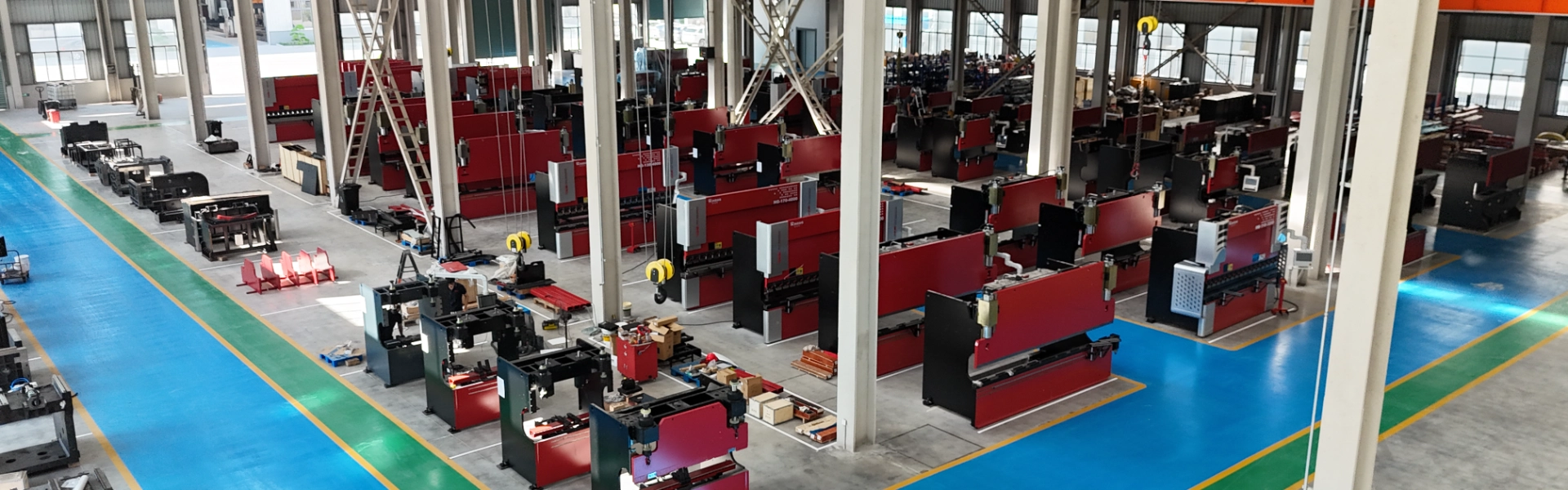
At JS RAGOS Intelligent Equipment, we understand the demands of global fabrication professionals. In this comprehensive article, we will explore key categories of metalworking tools, their practical benefits, and why investing in high-quality tools matters for manufacturers in North America, Europe, and Asia.
What Are Metal Fabrication Tools?
“Metal fabrication tools” refers to a broad class of equipment used to cut, bend, form, join, and shape metal works into functional components or finished products. These tools range from handheld power saws and grinders to specialized jigs, fixtures, bending machines, welding equipment, and precision measurement tools. Each tool category serves a defined purpose in the fabrication workflow.
Whether cutting sheet metal for an industrial machine frame or bending structural tubing for a custom fabrication project, having the correct tools is imperative.
Essential Tool Categories in Metal Fabrication
Metal fabrication workflows typically involve these core tool categories:
🔧 Cutting Tools
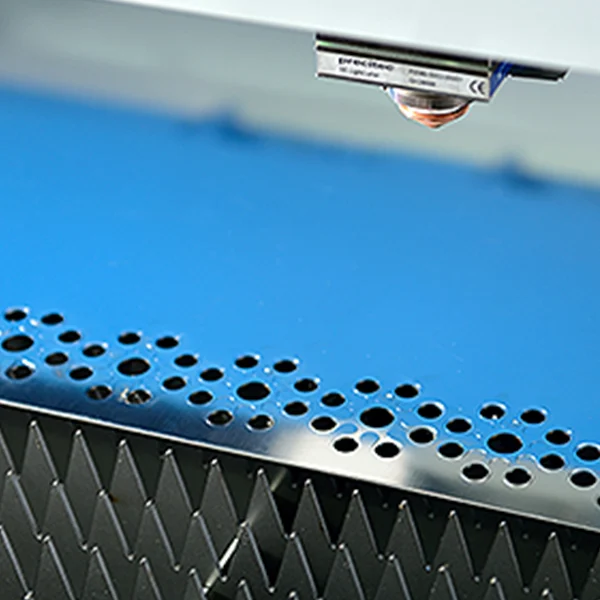
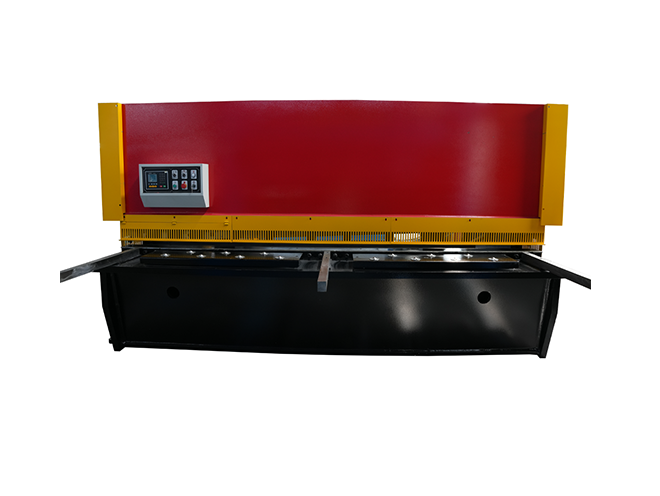
Cutting is often the first step in fabrication. Tools like portable band saws, abrasive chop saws, plasma cutters, and laser cutting solutions provide the accuracy needed to separate raw materials before assembly. In heavy industries such as shipbuilding or energy infrastructure, plasma and laser cutting deliver speed and minimal heat distortion—critical for quality.
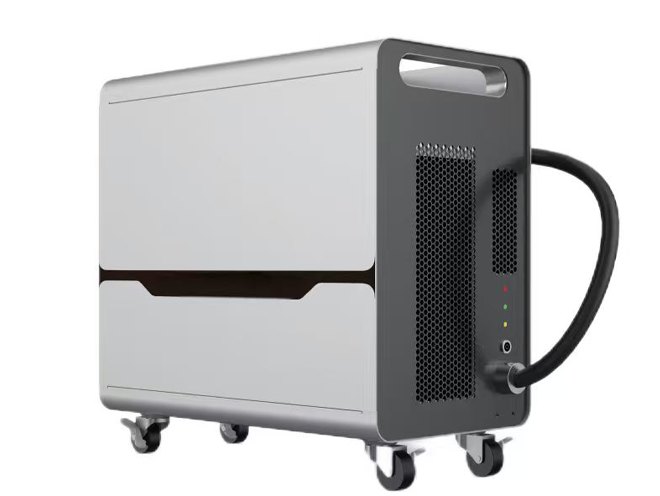
Portable cutting tools, when paired with stable tables and accessories, increase precision even in small workshops or mobile service environments.
🛠️ Bending and Forming Tools
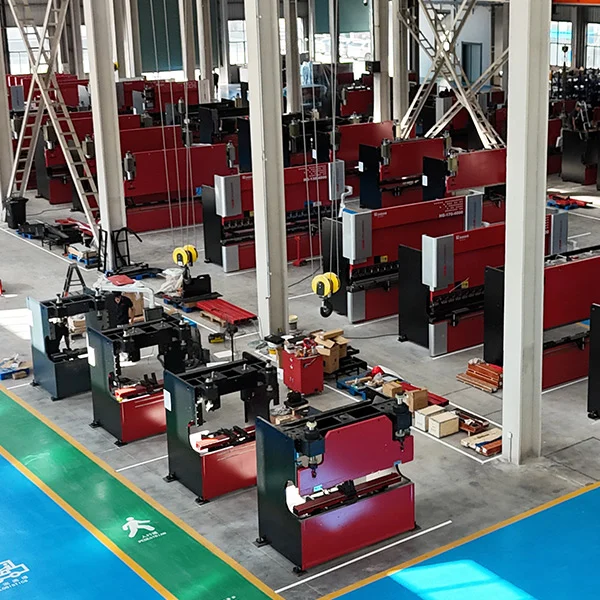
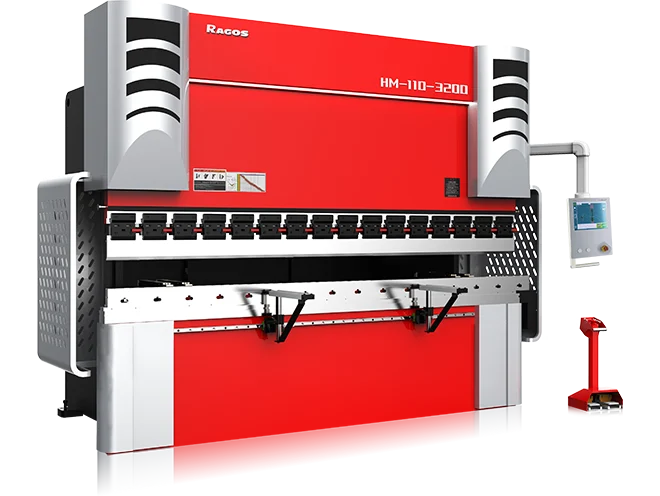
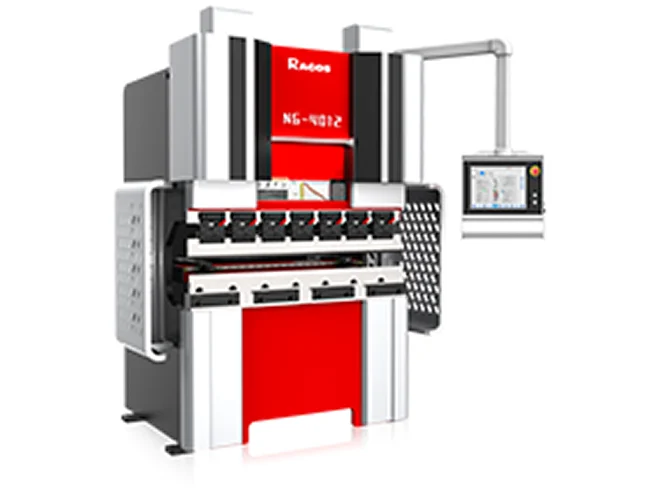
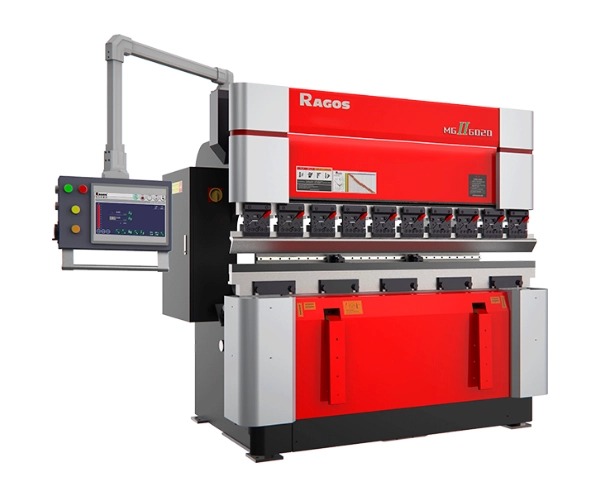
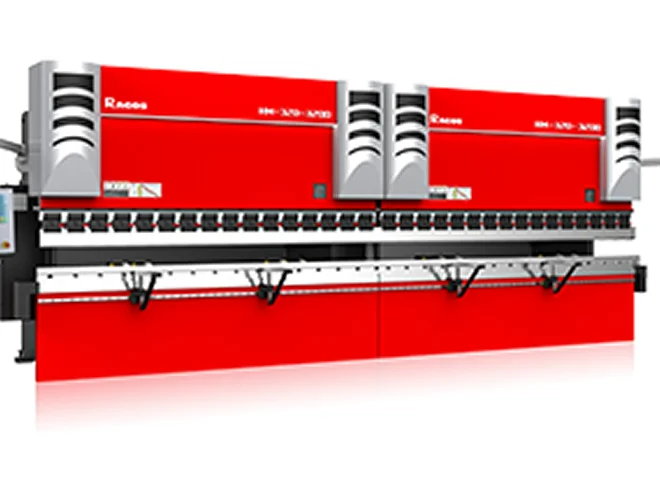
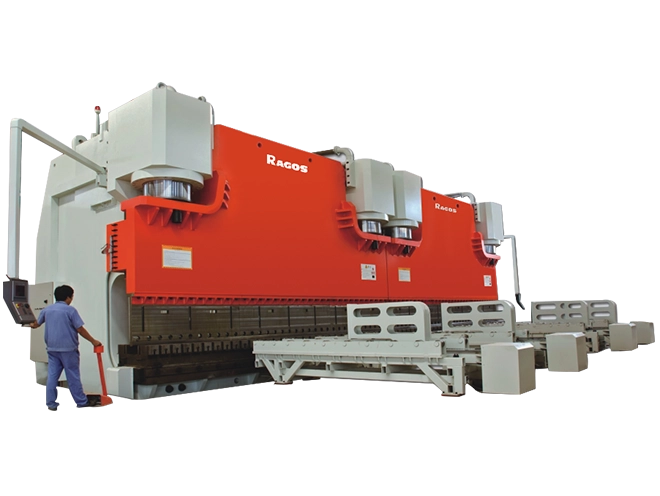
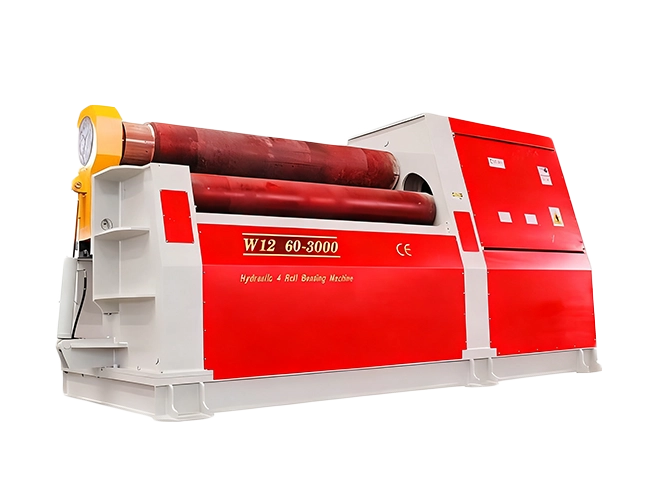
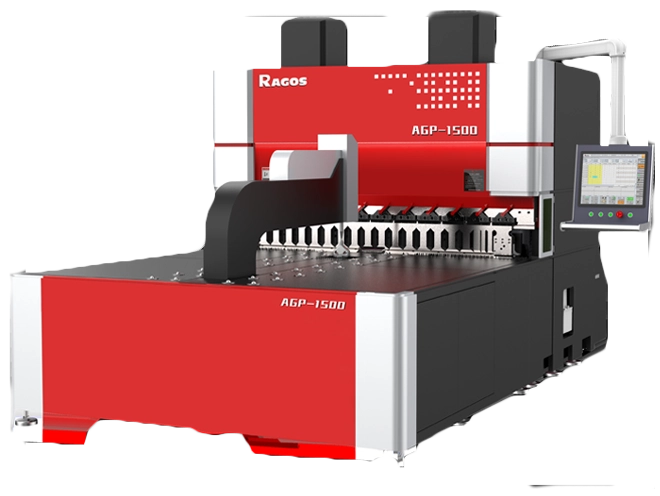
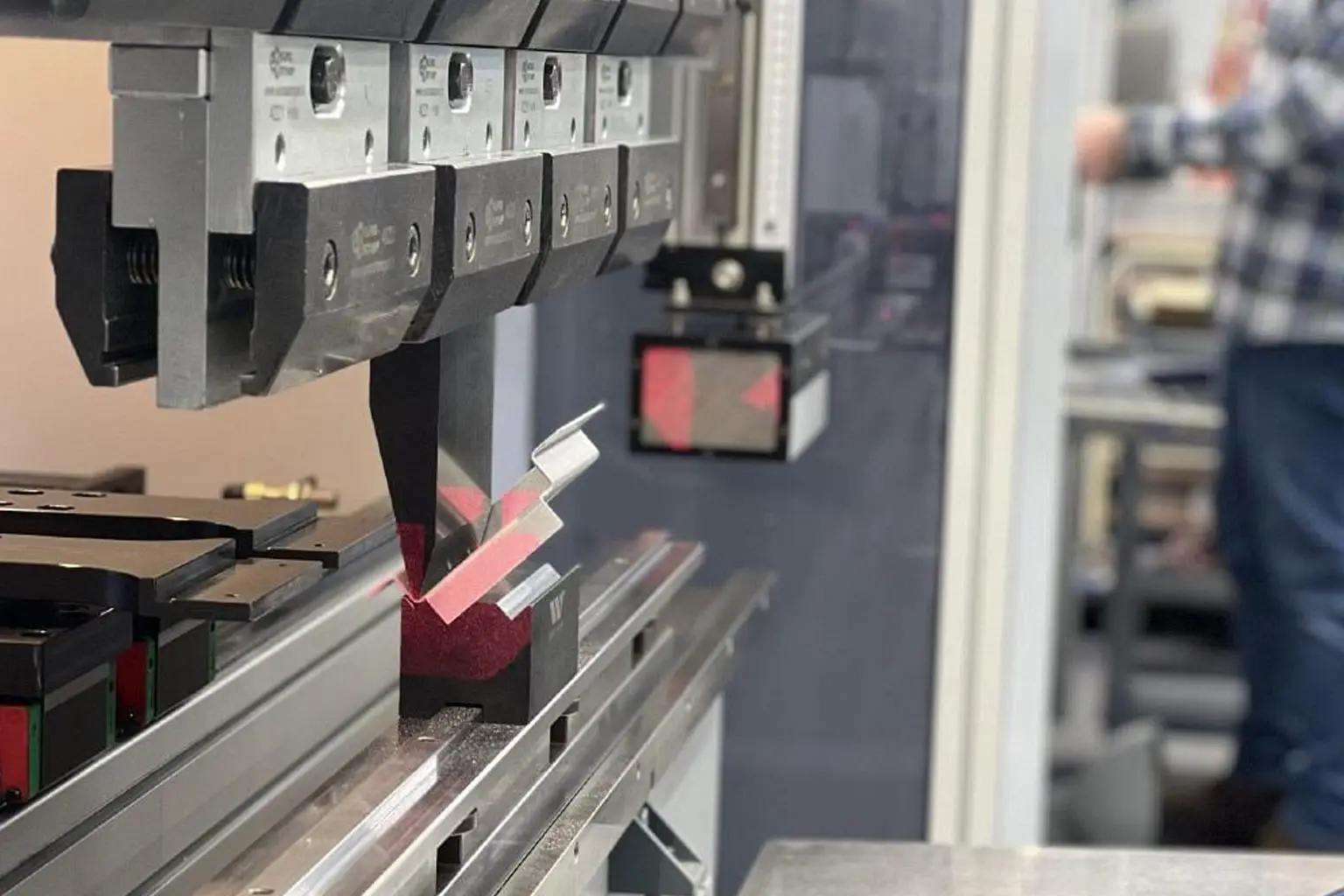
Bending and forming equipment transforms flat materials into curved or angular shapes. Tools such as press brakes, rolling machines, and specialized bending fixtures help fabricators achieve consistent and repeatable profiles. High precision in bending is crucial for structural components in machinery, architectural installations, or automotive chassis parts.
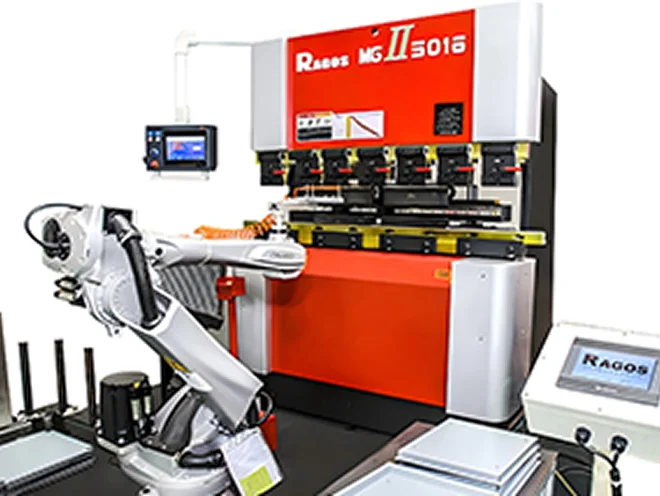
For example, CNC-controlled press brakes allow operators to produce complex bends with minimal error—a huge advantage for high-volume production facilities across North America and Europe.
⚙️ Drilling, Punching & Notching Tools
Drilling tools create holes for fasteners; punching tools force holes through sheet metal without chips; notching tools remove material for fit-up joints. These tools are invaluable in preparing materials for welding and assembly steps. Notching tools—especially when integrated with digital readouts—ensure notches are uniform and ready for perfect joint fitting.
For fabrication shops that produce structural assemblies or custom brackets, accurate notch and hole placement directly impacts assembly speed and quality.
🔩 Welding and Joining Tools
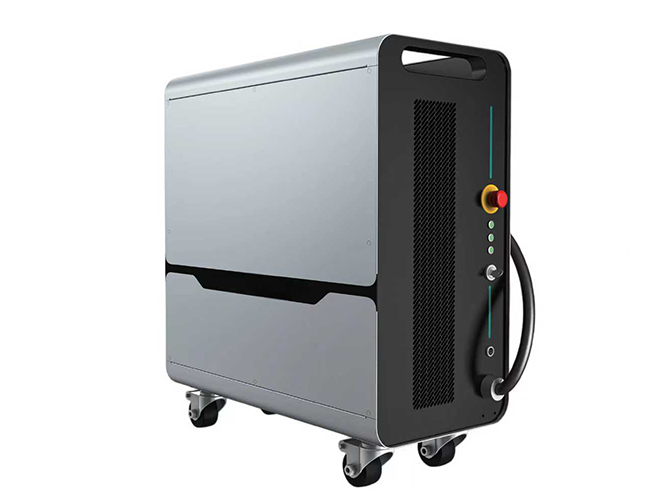
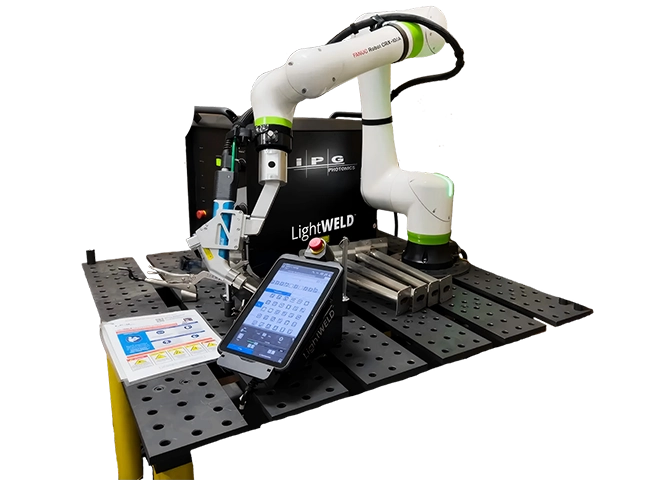
Welding is where fabricated pieces become final structures. MIG, TIG, and stick welders, along with fume extractors, clamps, and fixtures, form the core welding toolkit. Quality metal joining is critical in sectors such as automotive manufacturing, industrial fabrication, and offshore construction.
Advanced welding tools with pulse control, CNC integration, and automation support can significantly reduce defects and improve weld tensile strength.
📏 Measuring and Calibration Tools
Cut-to-size accuracy must be verified, and measuring tools play this role. High-precision calipers, angle finders, digital readouts, laser alignment systems, and layout tools keep fabrication within tolerance. Without precise measurement tools, even the best cutting or bending tools cannot guarantee repeatability.
Precision measurement is especially vital in manufacturing regions like Germany and Japan, where ten-micron accuracy is often an industry standard.
Why High-Quality Tools Matter in Metal Fabrication
1. Improved Accuracy and Consistency
Reliable tools ensure every cut, bend, notch, and weld adheres to specified parameters. Precision reduces rework, limits material waste, and supports quality control in high-demand production environments.
In industries such as aerospace and automotive, where safety standards are strict, accuracy is non-negotiable.
2. Enhanced Productivity
Time-saving tools help shops complete jobs faster without sacrificing quality. Automated or semi-automated systems—such as CNC benders and integrated welding stations—reduce manual work while increasing output.
For fabrication operations in China and Southeast Asia focusing on export manufacturing, productivity gains directly translate to competitive advantage in global markets.
3. Safety and Operator Comfort
Metalworking carries inherent risks. Tools designed with ergonomics and safety features reduce operator fatigue and help maintain safer work environments. Features like foot switches, clamp‐on fences, and blade guards not only improve comfort but also compliance with workplace safety standards like OSHA and EU-Machinery Directives.
4. Versatility Across Projects
High-quality tools serve multiple applications. A well-designed band saw accessories kit, for example, allows precise miter cutting, optimizing both square and angled cuts without switching equipment. This versatility is valuable for fabrication shops handling varied project demands.
Global Trends in Metal Fabrication Tools
🌎 North America
In the USA and Canada, fabrication shops lean into portable solutions that balance mobility and precision. Industries such as infrastructure, automotive, and custom manufacturing demand tools that deliver both accuracy and workflow flexibility.
🇪🇺 Europe
European fabrication markets emphasize precision, repeatability, and integration. Many shops utilize advanced CNC systems, automated measurement tools, and digital quality monitoring to meet stringent engineering standards.
🌏 Asia
Asian markets—especially China, India, and Southeast Asia—are investing heavily in industrial automation, tooling upgrades, and smart manufacturing solutions. As fabrication demand grows, so does the adoption of optimized metalworking tools that can scale with production needs.
Choosing the Right Fabrication Tools
When selecting tools for metal fabrication, consider these factors:
🎯 Application Needs
Match the tool to the task at hand. Cutting tools should align with material type and thickness; bending tools must support the required radii and load capacity.
🔩 Build Quality
Invest in heavy-duty construction and durable materials. Tools exposed to daily industrial use should withstand high torque, vibration, and wear.
🔌 Digital Integration
Modern shops benefit from tools that integrate with digital systems. DROs, CNC controls, and data tracking support smarter production.
💼 After-Sales Support
Reliable customer support, parts availability, and maintenance services ensure tools continue performing at peak levels with minimal downtime.
Conclusion
Metal fabrication tools are the foundation of modern manufacturing. From portable cutting systems to precision welding and bending equipment, investing in the right tools directly influences fabrication quality, production efficiency, safety, and long-term cost management.
Across global markets in North America, Europe, and Asia, professional fabricators increasingly seek tools that combine durability, accuracy, and versatility. As fabrication demands evolve, so must the tools that power them.
At JS RAGOS Intelligent Equipment, we are dedicated to providing advanced metalworking solutions built for precision, performance, and reliability—supporting fabricators worldwide in achieving excellence in every project.