

Metal Forming: Processes, Types, and Practical Applications
Metal forming is one of the core foundations of modern manufacturing. From structural beams and automotive panels to aerospace components and consumer electronics housings, formed metal parts shape nearly every industrial sector.
ACCURL describes metal forming as the process of reshaping metal into desired forms through controlled deformation using force, equipment, and tooling . Rather than removing material like machining, metal forming alters geometry while maintaining material continuity—often preserving strength and improving grain structure.
This guide reorganizes the fundamentals of metal forming into a clear, production-focused overview suitable for fabrication professionals.
What Is Metal Forming?
Metal forming involves changing the shape of metal stock—such as sheet, rod, or billet—through applied force. The material is plastically deformed into a new geometry without being cut into separate pieces .
In simple terms, metal forming is controlled deformation. Whether through compression, tension, or combined stress, the goal remains consistent: convert raw metal into functional parts efficiently and accurately.
Hot Working vs Cold Working
Metal forming processes are often classified based on temperature:
Hot Working
Hot working occurs at temperatures above the material’s recrystallization point, typically above 60% of its melting temperature . At these elevated temperatures:
-
Ductility increases
-
Required forming force decreases
-
Internal stresses are reduced
Common examples include hot rolling and hot forging .
Advantages
-
Improved workability
-
Reduced risk of cracking
-
Grain refinement
Limitations
-
Higher energy consumption
-
Oxidation and scaling risks
-
Reduced dimensional precision
Cold Working
Cold working takes place at or near room temperature, below recrystallization temperature . This process strengthens metal through strain hardening.
Examples include cold rolling, cold forging, and wire drawing .
Advantages
-
Improved surface finish
-
Higher dimensional accuracy
-
Increased yield strength
Limitations
-
Higher force requirements
-
Risk of brittleness
-
Residual stresses
Choosing between hot and cold working depends on required mechanical properties, tolerances, and production efficiency.
Major Categories of Metal Forming
Metal forming techniques can be grouped by the dominant stress applied.
1. Compressive Stress Forming
Compressive processes reshape metal by squeezing or pressing it .
Common Processes:
-
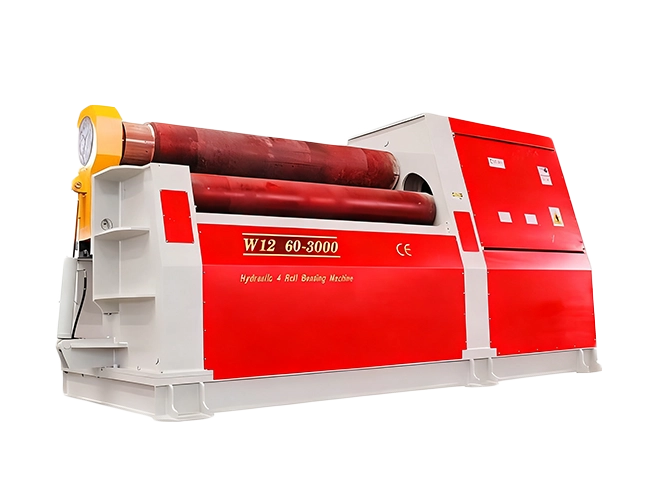
Rolling – Reduces thickness and improves uniformity.
-
Extrusion – Forces metal through a die to create constant cross-sections.
-
Forging – Uses localized compressive force to improve strength.
-
Die forming / stamping – Presses sheet into shaped dies.
These processes are widely used in automotive frames, structural beams, gears, and industrial components .
2. Tensile Stress Forming
Tensile forming stretches metal into shape .
Examples include:
-
Stretch forming
-
Expanding
-
Surface recessing
These techniques are often used in aerospace panels, architectural mesh, and lightweight structural components .
3. Combined Stress Forming
Some processes use both tensile and compressive forces to achieve complex geometries .
Examples include:
-
Deep drawing
-
Spinning
-
Flange forming
-
Upset bulging
Combined stress forming enables hollow shapes such as containers, automotive panels, and cylindrical components.
Additional Metal Processing Methods
While primarily deformation-based, metal forming often integrates related processes:
-
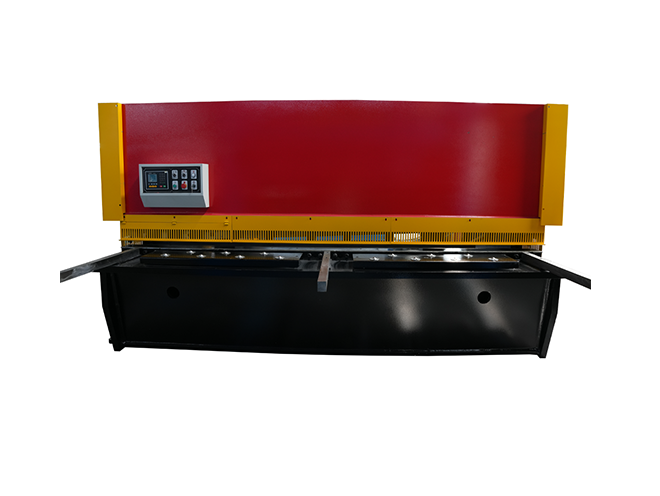
Shearing – Cutting sheet via shear force
-
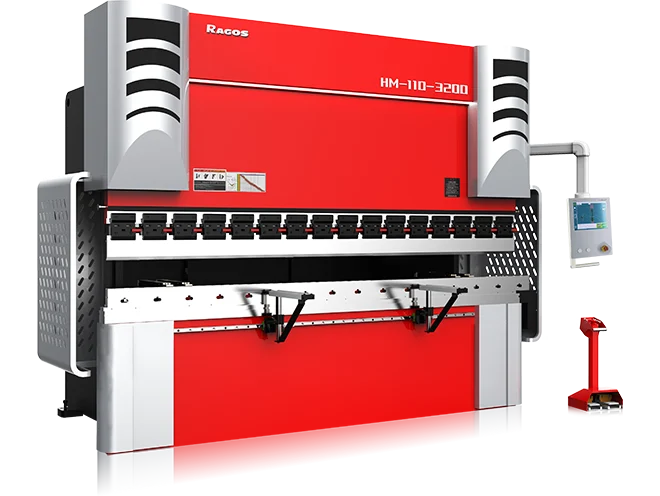
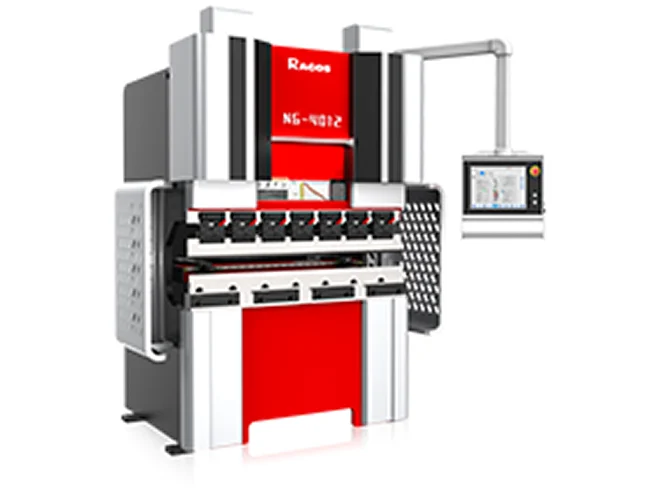
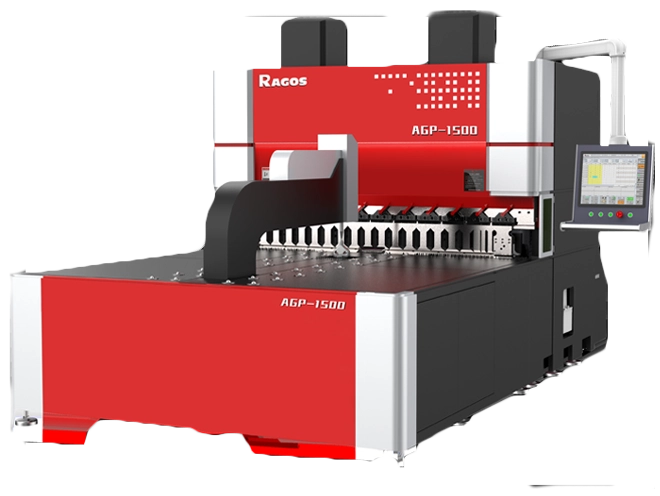
Bending – Deforming sheet along a straight axis
-
Punching – Creating holes with punch and die systems
-
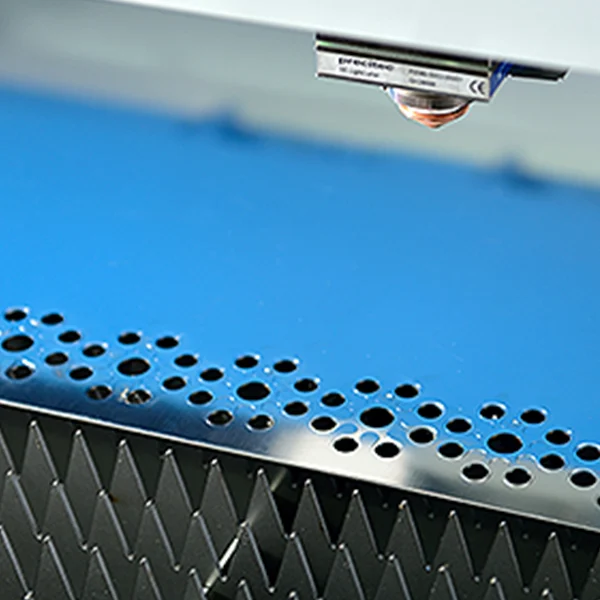
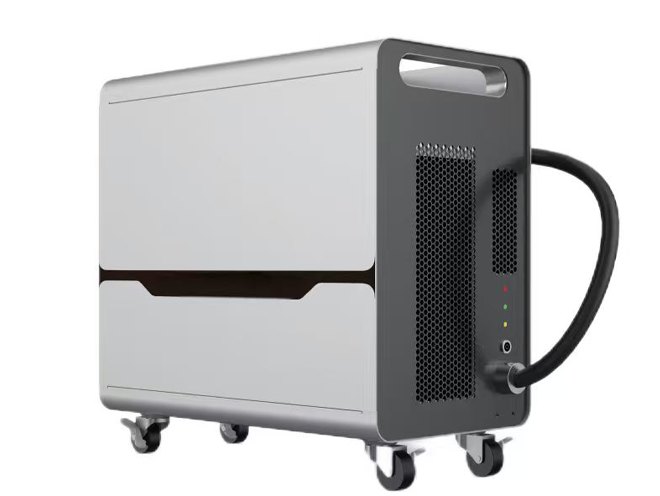
Laser cutting – Precision thermal cutting
-
Casting – Pouring molten metal into molds
-
Welding – Joining formed parts
These processes support full fabrication workflows.
Equipment Used in Metal Forming
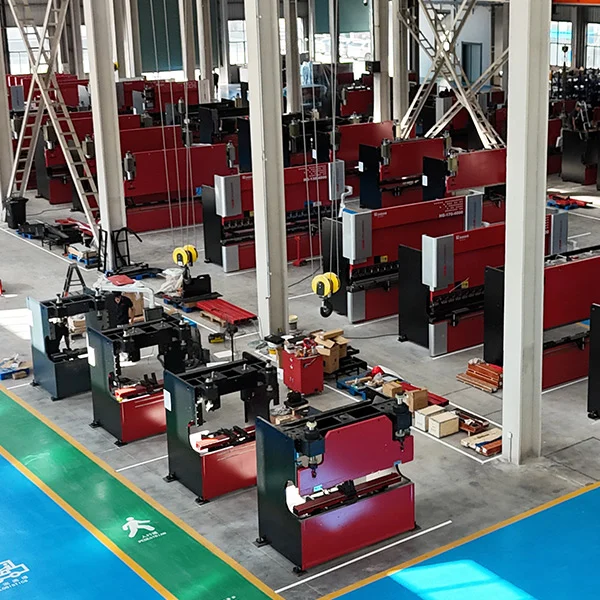
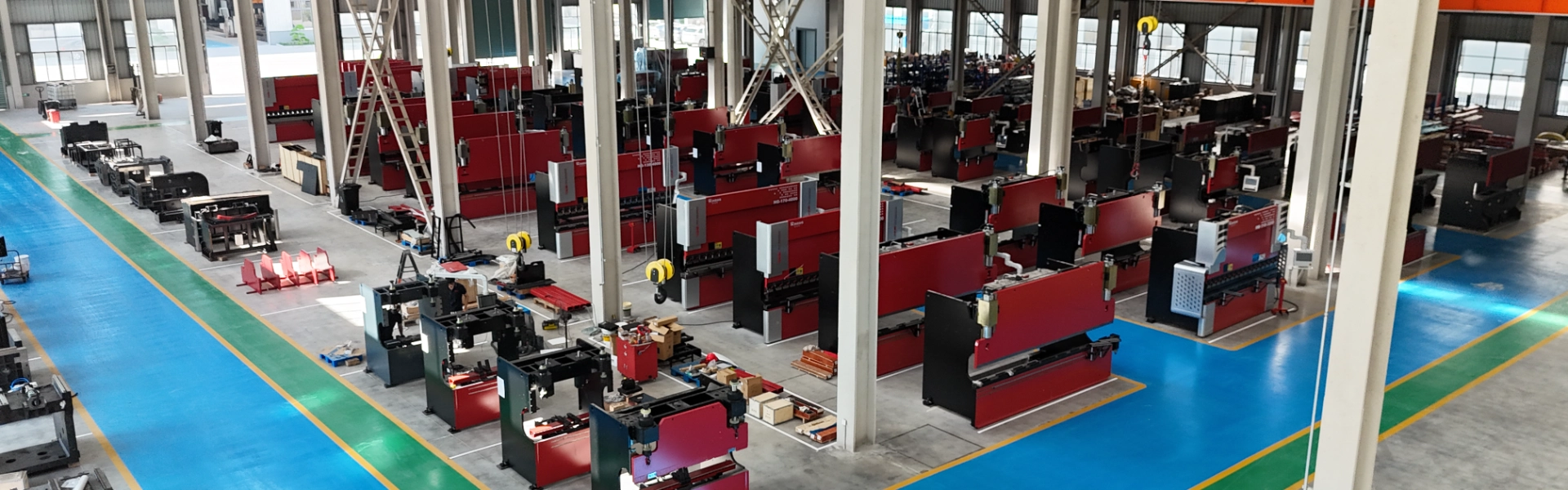
Metal forming relies on specialized equipment, including:
-
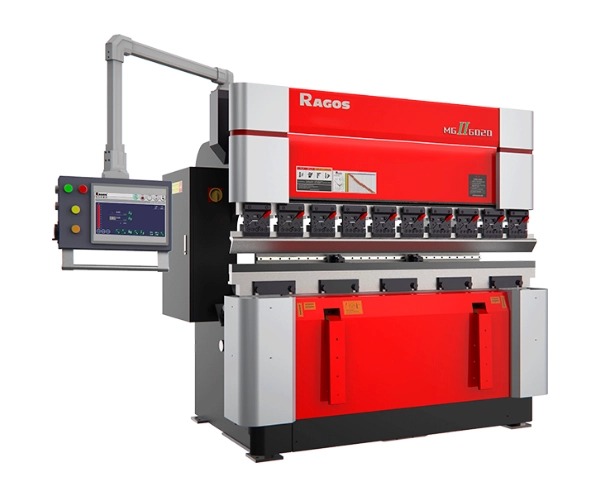
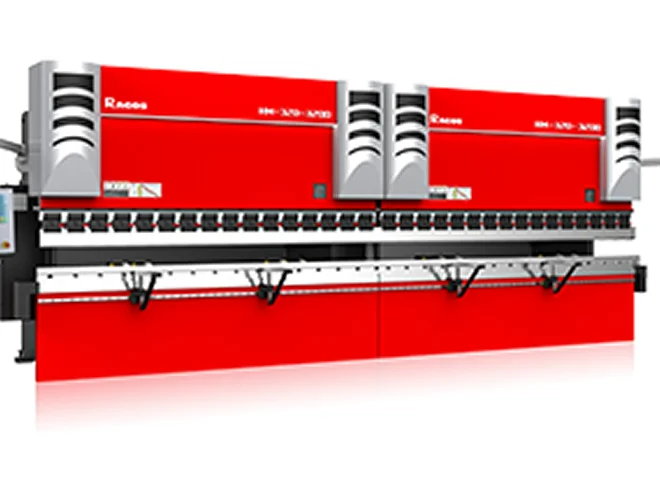
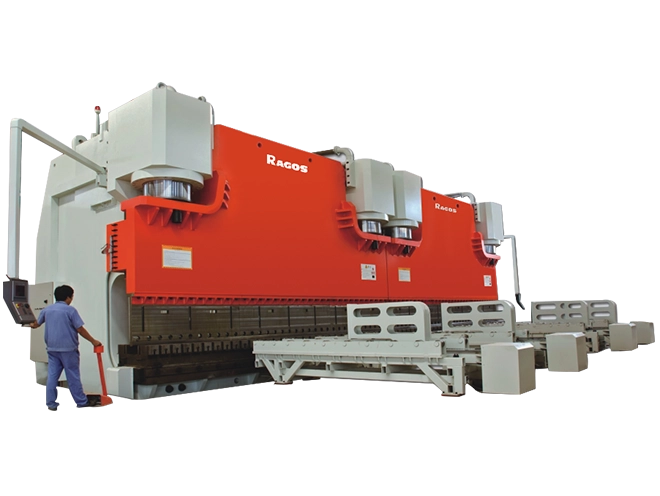
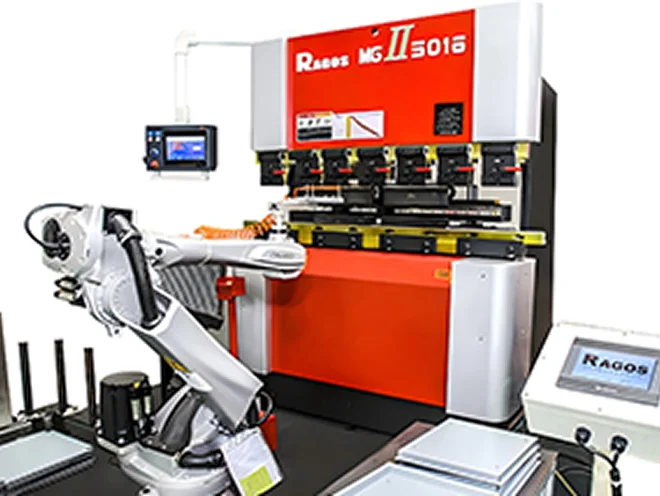
Press brakes
-
Hydraulic and mechanical presses
-
Rolling mills
-
Dies and molds
-
Laser cutting systems
Tool selection depends on material properties, thickness, geometry complexity, and production volume.
Industrial Applications
Metal forming supports numerous industries :
-
Automotive (chassis, body panels)
-
Aerospace (structural components)
-
Construction (beams, brackets)
-
Consumer electronics (enclosures, connectors)
Each sector leverages different forming techniques based on strength, precision, and production requirements.
How to Choose the Right Metal Forming Method
Selecting the correct process requires evaluating:
-
Material properties (yield strength, ductility)
-
Required tolerances
-
Part complexity
-
Production volume
-
Cost efficiency
Incorrect method selection can lead to cracking, distortion, excessive scrap, or unnecessary tooling expense.
Best Practices for Metal Forming Operations
ACCURL emphasizes operational discipline and process control . Best practices include:
-
Matching tooling to material grade
-
Maintaining forming equipment regularly
-
Controlling temperature and force
-
Optimizing workflow layout
-
Training operators on machine safety
Process consistency directly impacts part quality and machine longevity.
Safety in Metal Forming
Because metal forming involves high force and heavy equipment, safety protocols are essential .
Key measures include:
-
Operator training
-
Personal protective equipment (PPE)
-
Routine equipment inspection
-
Emergency stop systems
-
Proper guarding of moving parts
Safety culture protects both personnel and production continuity.
Conclusion
Metal forming transforms raw metal into essential components that power modern industry. Whether through rolling, forging, bending, or deep drawing, each method serves a specific structural and functional purpose.
By understanding temperature classifications, stress categories, tooling requirements, and safety considerations, manufacturers can select optimal processes that balance quality, efficiency, and cost.