

Top Press Brake Manufacturers: A Global Buyer’s Guide for Fabricators
The selection of a press brake is not a purchase decision. A correct machine is able to increase the accuracy of bends, stabilize operator quality, and reduce lead times. The incorrect machine may cause bottlenecks, more scrap and less jobs can be won.
To the intended buyers in North America, Europe, and Asia, the choice of the manufacturer may be as important as the tonnage and the bed length. Brand advantages are normally displayed in the following areas namely: CNC control choices, backgauge achievements, tooling habitats, automation preparedness and after sales services.
This manual presents popular manufacturers of press brakes and explains how to compare them to suit real production requirements, be it a high-mix job shop, a high-volume production line, or a heavy-plate operation.
What “Top Manufacturer” Really Means
When people say “top press brake manufacturer,” they may mean different things:
-
Precision leadership: consistent angles, strong compensation systems, stable repeatability
-
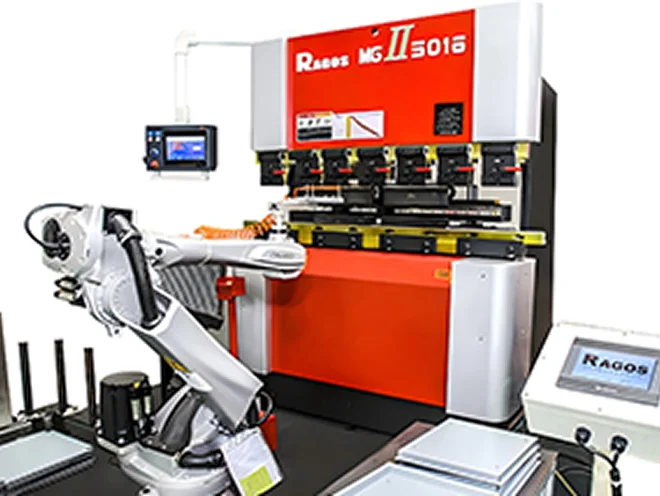
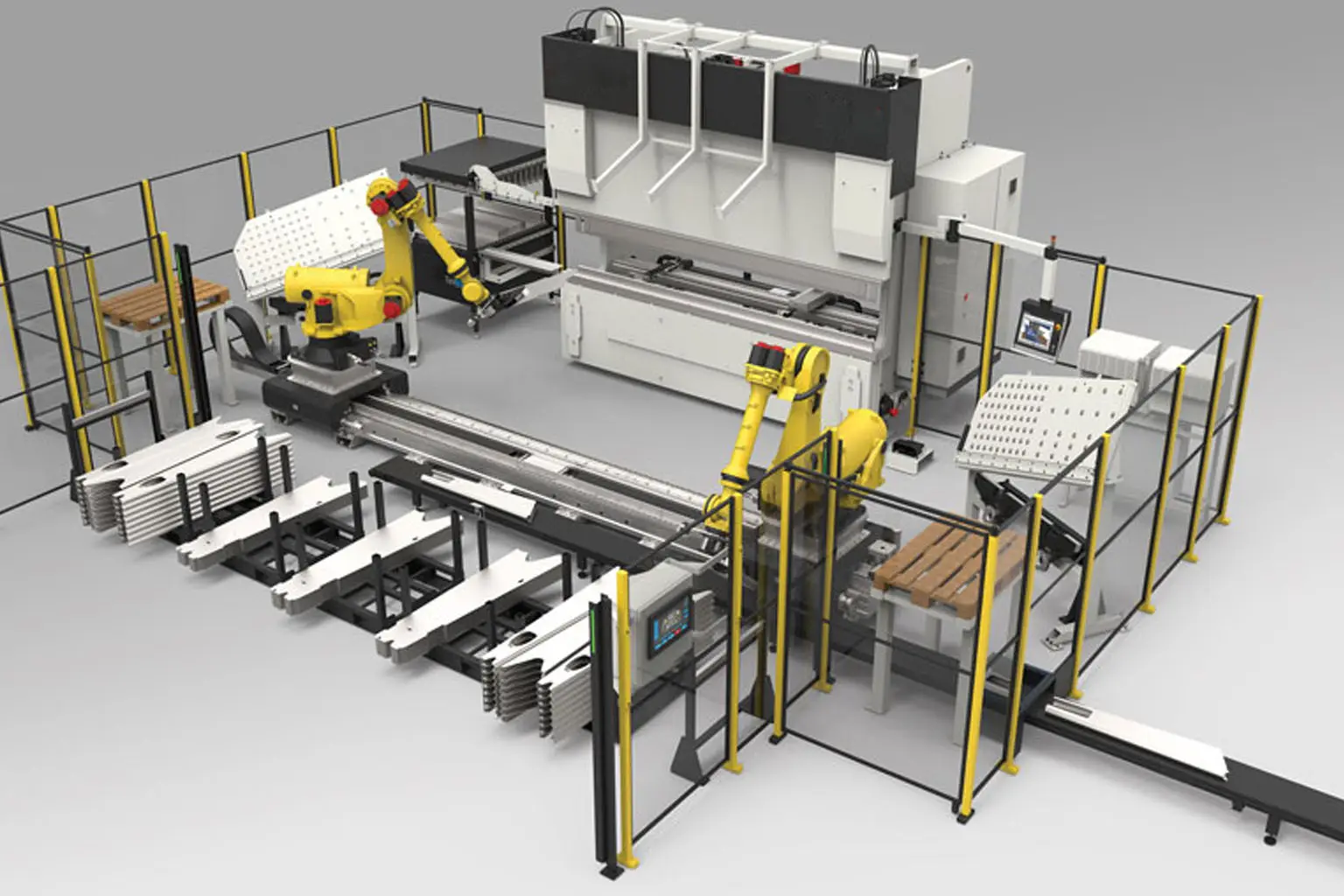
Automation readiness: robot bending cells, offline programming, smart safety
-
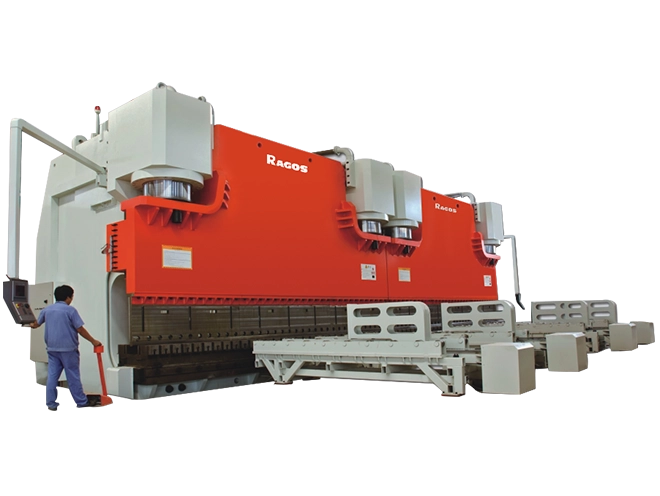
Heavy-duty capability: thick plate forming, long bed lengths, high tonnage stability
-
Best value: strong performance-to-price ratio and practical feature sets
-
Global support: service network, parts availability, training, fast response
A smart selection starts with defining which of these outcomes matters most for your business.
Shortlist of Press Brake Manufacturers to Know
Below are manufacturers frequently mentioned by fabricators and machine-tool distributors, with a practical view of where each tends to fit. (This is not a strict ranking; it’s a guide for matching needs to strengths.)
1) AMADA (Japan)
AMADA is widely recognized for high-performance sheet metal solutions and advanced bending systems. Many buyers associate the brand with precision, productivity, and automation options—especially in larger-scale operations.
Common fit: high-precision production, automation-focused shops, consistent long runs.
2) TRUMPF (Germany)
TRUMPF is often chosen for engineering depth, software integration, and production-oriented features designed for consistent bending workflows.
Common fit: manufacturers who value digital workflows, repeatability, and process control.
3) Bystronic (Switzerland)
Bystronic is known for high-end systems that emphasize speed and accuracy, and it’s frequently associated with advanced measuring/feedback options in bending systems.
Common fit: precision sheet metal, faster cycle times, premium configuration stacks.
4) Cincinnati Incorporated (USA)
Cincinnati is often referenced for heavy-duty build and long-term durability, with solutions spanning multiple press brake types.
Common fit: demanding industrial workloads, durability-first purchasing, long lifecycle focus.
5) Accurpress (North America)
Accurpress is commonly seen as a rugged North American option, often selected by shops that want strong frames, practical configurations, and dependable production performance.
Common fit: general fabrication, structural parts, mixed workloads.
6) LVD (Belgium)
LVD is frequently listed among global CNC press brake leaders, often chosen for balanced performance and production versatility.
Common fit: mixed production environments, job shops scaling toward higher automation.
7) SafanDarley (Netherlands)
SafanDarley positions itself as a specialist in press brakes and highlights its role in servo-electronic press brake development, with both electric and hydraulic ranges.
Common fit: buyers prioritizing electric/servo concepts, energy focus, modern machine design.
8) Prima Power (Finland/Italy group)
Prima Power promotes a broad bending portfolio spanning servo-electric and hydraulic press brakes, with emphasis on productivity, repeatability, and integration into robotic cells/lines.
Common fit: digital workflow alignment, integrated lines, buyers comparing electric vs hydraulic strategies.
9) Durma / Durmazlar (Turkey)
Durma highlights durability, efficiency, and after-sales service as part of its press brake positioning, and is widely present across multiple markets.
Common fit: value-focused buyers who still need broad product coverage and practical configurations.
How to Compare Manufacturers the Right Way
A brand name alone won’t guarantee success. Use these criteria to evaluate any shortlist:
1) Build and Stability (Frame, Ram, Crowning)
If you bend thick material or long parts, frame stiffness and crowning strategy matter. Ask for:
-
deflection control approach (mechanical/hydraulic crowning options)
-
real production references for long-bed accuracy
2) CNC Control and Programming Flow
For high-mix shops, programming speed is profit. Confirm:
-
multi-axis backgauge capability
-
ease of bend sequence editing
-
offline programming compatibility (if needed)
3) Backgauge Performance
Backgauge repeatability impacts every part. Compare:
-
axis configuration and travel ranges
-
speed vs stability under load
-
support for complex part handling
4) Tooling Ecosystem and Changeover Time
Tooling can determine your real throughput. Evaluate:
-
clamping standards
-
quick-change options
-
local tooling availability and lead times
5) Automation Path
Even if you don’t buy a robot today, many factories plan for it. Look for:
-
robotic cell readiness
-
safety system scalability
-
integration support
6) Service, Parts, Training
Downtime costs are real. Check:
-
local service coverage and response commitments
-
spare parts availability
-
operator and maintenance training approach
Manufacturer “Fit” by Shop Type
High-mix / custom fabrication (fast changeovers):
Prioritize CNC usability, tooling change speed, and quick setups.
High-volume production (repeatability + efficiency):
Prioritize automation readiness, consistent compensation, stable cycle time.
Heavy plate / large-format bending:
Prioritize stiffness, tonnage capability, long-bed stability, and real-world references.
Final Recommendation: Build a Shortlist, Then Validate with Real Parts
The fastest way to choose the right press brake is to narrow to 3–5 manufacturers, then validate using your own parts:
-
run a sample bend plan (multiple bends, multiple operators)
-
check angle consistency and backgauge repeatability
-
review cycle time and changeover steps
-
confirm service terms and spare parts timeline
This process turns a brand decision into a measurable production decision.