

What Is a Press Brake and Where Did the Name Come From?
The press brake is the most important, or the most useful, machine in the whole metal fabrication world. Whether simple bending of sheet metal or creating angular shapes of industrial components based on complex angularity, press brakes are in the center of manufacturing globally. But no matter where it is so abundant in point of occurrence many of the newcomers to the art of fabrication put the same question to themselves What, then, is a press brake, and how did it come to be called so?
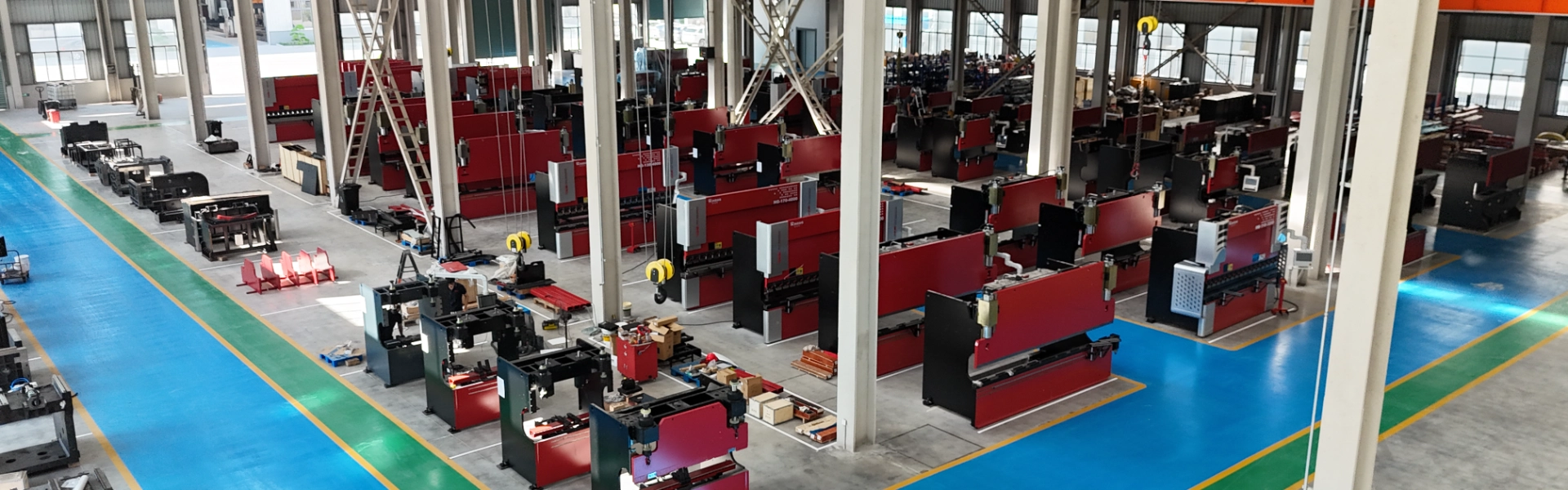
Here is our detailed guide, where we are going to discuss the basics of press brakes, how they came to be, and how they turned out to be a necessity in the shops all of North America, Europe, and Asia.
What Is a Press Brake?
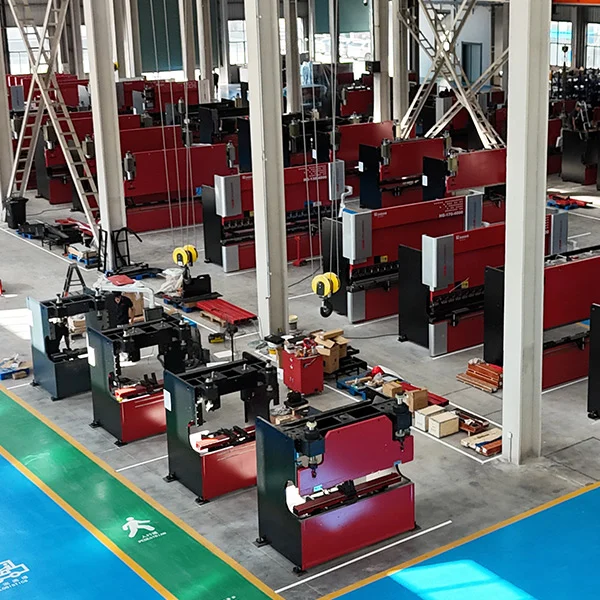
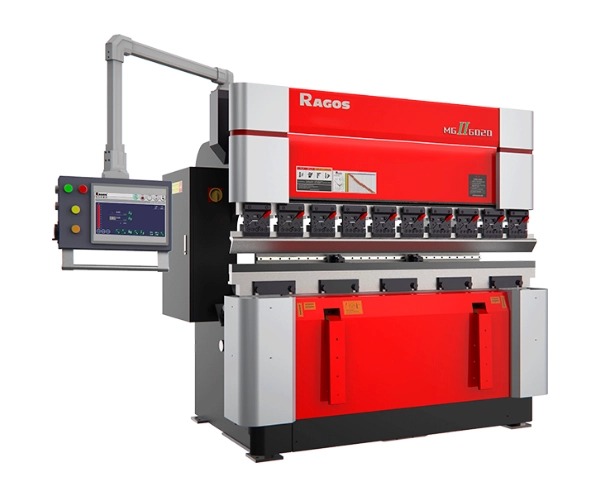
A press brake is a machine used to bend and shape sheet metal by pressing it between a punch (upper tool) and a die (lower tool). As force is applied, the sheet metal yields and bends to match the shape of the die opening, creating precise angles, contours, and folded profiles.
Press brakes are found in industries that include:
-
Automotive manufacturing
-
Aerospace structures
-
Appliance and electronics enclosures
-
Construction and architectural metalwork
-
Industrial machinery frames
The versatility of a press brake allows it to handle a wide range of tasks—from simple right-angle bends to multi-stage forming sequences.
How Press Brakes Work
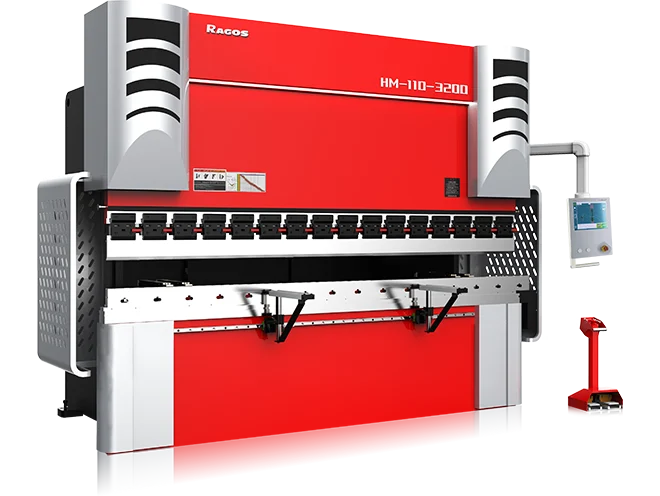
A typical press brake setup includes:
🔹 Frame and Ram
The frame houses the bending mechanism, while the ram (or beam) moves vertically to press the tooling into the workpiece.
🔹 Punch and Die
-
Punch: The top tool that pushes into the metal.
-
Die: The bottom tool that shapes the metal based on the punch profile.
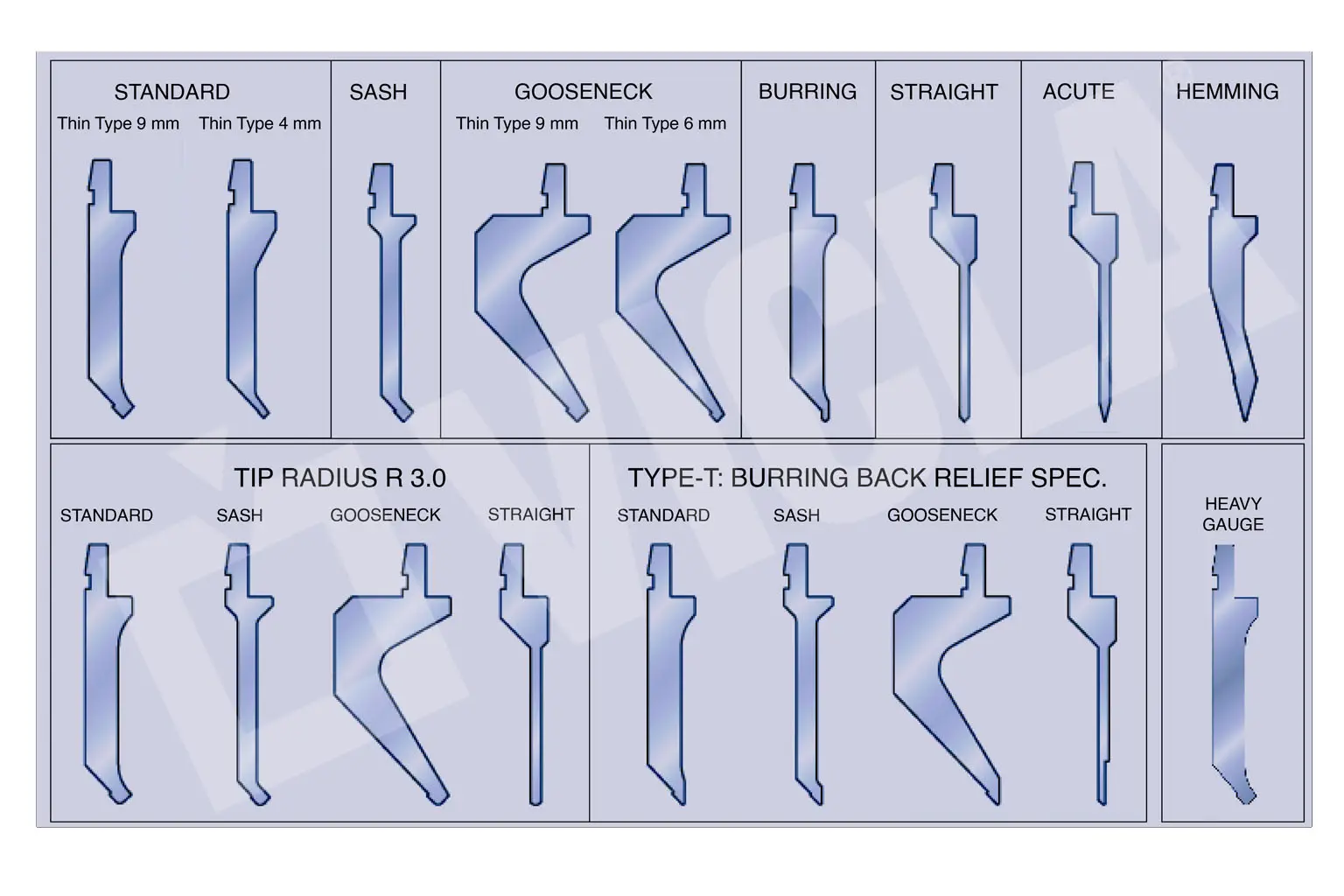
Tooling shapes vary widely and can be swapped to achieve different bend radii, angles, and profiles.
The Role of CNC Controls
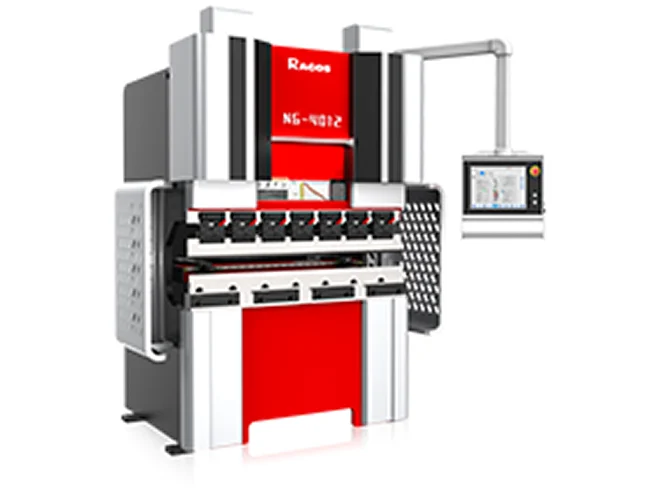
Modern press brakes are equipped with CNC (Computer Numerical Control) systems that:
-
Precisely position back gauges
-
Automate bending sequences
-
Store repeatable programs
-
Improve accuracy and reduce setup time
CNC press brakes are now standard in high-precision fabrication facilities and automated production lines.
Where Does the Name “Press Brake” Come From?
The term “press brake” might sound mechanical or industrial, but its origin is both historical and descriptive.
“Press”
This part of the name comes from the basic operation: the machine presses metal into a desired shape by applying controlled force. Early metalworkers discovered that by exerting pressure against a fixed die, they could bend and fold sheet metal systematically.
“Brake”
The word “brake” has roots in older language where it meant “to bend,” “to break,” or “to press.” In early metalworking lexicon, materials were often “braked” (bent or shaped) using mechanical force. Over time, “brake” came to refer to machines specifically designed for bending metal.
Thus, a press brake is literally a machine that presses metal to bend it.
A Brief History of Press Brakes
Early Beginnings
In the age before mechanization, metal shaping was done by hand with hammers, anvils, and simple jigs. These methods were labor-intensive and inconsistent.
Mechanical Levers and Cams
As industrialization progressed in the late 19th and early 20th centuries, mechanical presses with levers and cam systems began appearing in factories. These early brakes allowed metalworkers to apply greater force with less manual effort.
Hydraulic Systems
Hydraulic press brakes emerged in the mid-20th century, introducing:
-
Controlled force delivery
-
Smooth bending action
-
Greater power for thicker materials
Hydraulics became the backbone of industrial bending equipment.
CNC and Digital Automation
In the late 20th and early 21st centuries, CNC technology revolutionized press brake operation. Digital controls replaced manual scales, enabling:
-
Precise angle programming
-
Back gauge automation
-
Complex multi-bend sequences
Today’s CNC press brakes combine mechanical power with digital intelligence.
Types of Press Brakes
🔹 Manual Press Brakes
Basic machines operated by hand levers. Today, they’re limited to simple bends and small workshops.
🔹 Hydraulic Press Brakes
The most common industrial type, using hydraulic cylinders to deliver bending force for thicker plates and heavier workloads.
🔹 CNC Hydraulic Press Brakes
Hydraulic machines enhanced with digital controls. These are standard in industrial fabrication for improved productivity and precision.
🔹 Servo-Electric Press Brakes
Utilizing electric motors instead of hydraulics, these offer fast cycles and energy-efficient operation—popular for high-precision sheet metal work.
Applications Across Industries
Press brakes are used in countless applications, including:
Automotive
-
Body panels
-
Chassis frames
-
Brackets and supports
Precision bending ensures parts fit accurately in assemblies.
Aerospace
Aircraft interior components and structural brackets rely on consistent bends for both performance and safety.
Industrial Equipment
Fabricated housings, support frames, and custom machine parts all begin with accurate metal bending.
Architectural Metalwork
From curtain walls to decorative metal panels, press brakes help achieve both functional and aesthetic metal shapes.
How Press Brake Technology Has Evolved
Over the decades, press brakes have seen dramatic improvements in:
🔹 Accuracy
CNC positioning brings angle precision measured in fractions of degrees.
🔹 Speed
Automated CNC sequences save setup time and reduce cycle duration.
🔹 Integration
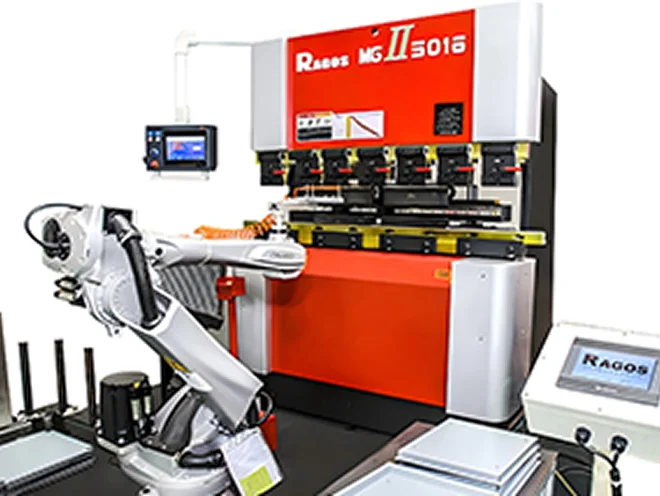
Press brakes now connect with CAD/CAM systems, material handling devices, and robotic automation.
🔹 Safety
Light curtains, safety scanners, and operator interfaces improve machine safety.
This evolution has turned the press brake into a smarter, faster, and more reliable fabrication tool.
Choosing the Right Press Brake
When selecting a press brake, consider:
📌 Bending Capacity
Match tonnage to material thickness.
📌 Bending Length
Longer bed lengths support large panels and structural parts.
📌 Control System
Intuitive CNC controls reduce setup time and improve repeatability.
📌 Tooling Options
Die and punch sets determine achievable bend profiles.
📌 Automation Potential
Support for robotic integration and back gauge automation enhances throughput.
Choosing the right configuration ensures your press brake aligns with both current fabrication needs and future growth.
Press Brakes in Global Manufacturing
Across North America, Europe, and Asia, press brakes continue to be a backbone of fabrication:
-
In the United States, they serve diverse industries from construction to industrial manufacturing.
-
In Germany and Europe, high-precision CNC presses support automotive and aerospace sectors.
-
In China and Southeast Asia, production capacity growth drives demand for robust hydraulic and CNC bending systems.
No matter the region, press brakes remain essential in shaping metal into functional parts.
The Future of Press Brake Technology
Looking ahead, press brakes will continue to evolve with:
-
AI-assisted bending optimization
-
Cloud-connected machine monitoring
-
Smart tooling and adaptive controls
-
Greater automation with robotic integration
These advances will further improve precision, reduce operational costs, and enhance productivity for fabrication facilities worldwide.
Conclusion: Understanding the Press Brake
A press braze is not just another piece of equipment in the workshop, but it is an accurate shaping tool that has a history of fabrication that goes back more than 500 years. The press brakes have evolved since low-end mechanical systems to high-end CNC hydro systems and have revolutionized the way metal can bend itself and work.
Knowing what a press brake is, the origin of its name, and the mechanism would give fabricators the knowledge to select the appropriate machine, and to achieve the optimal results when bending.
We are offering state of the art press brake solutions with accuracy, strength, and compatibility with current fabrication processes throughout North America, Europe, and Asia.