

Bending Machine for Construction Industry: Key Uses and Benefits
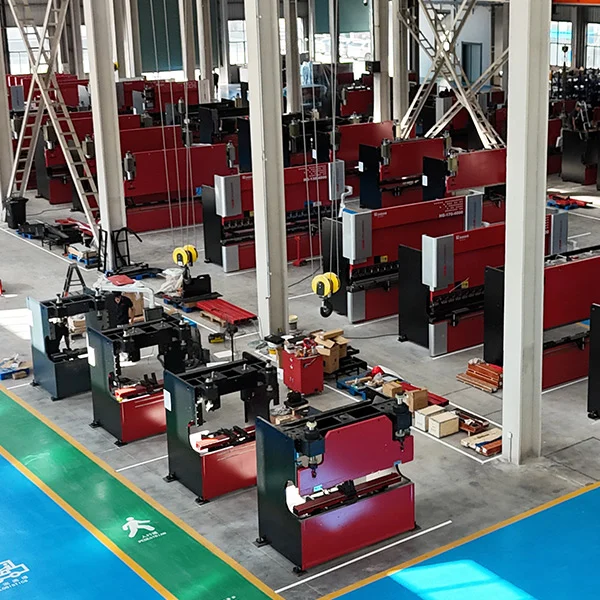
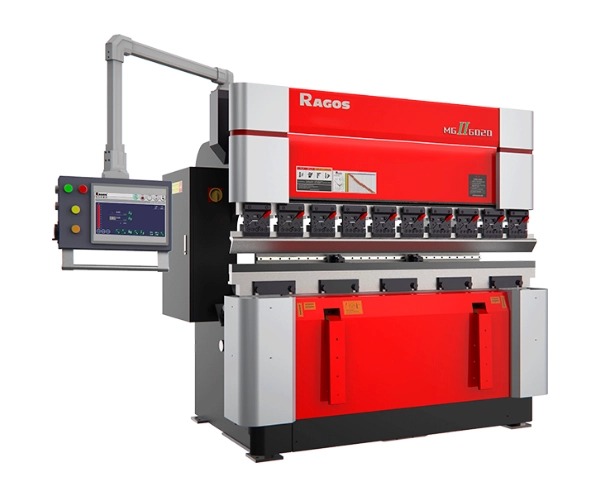
As modern construction projects place greater emphasis on stronger metal components, cleaner profiles, and higher production efficiency, Bending Machine for Construction Industry applications continue to broaden. From roofing systems to door frames and structural supports, bending technology plays a practical role in turning flat sheet metal into parts that fit real construction needs.
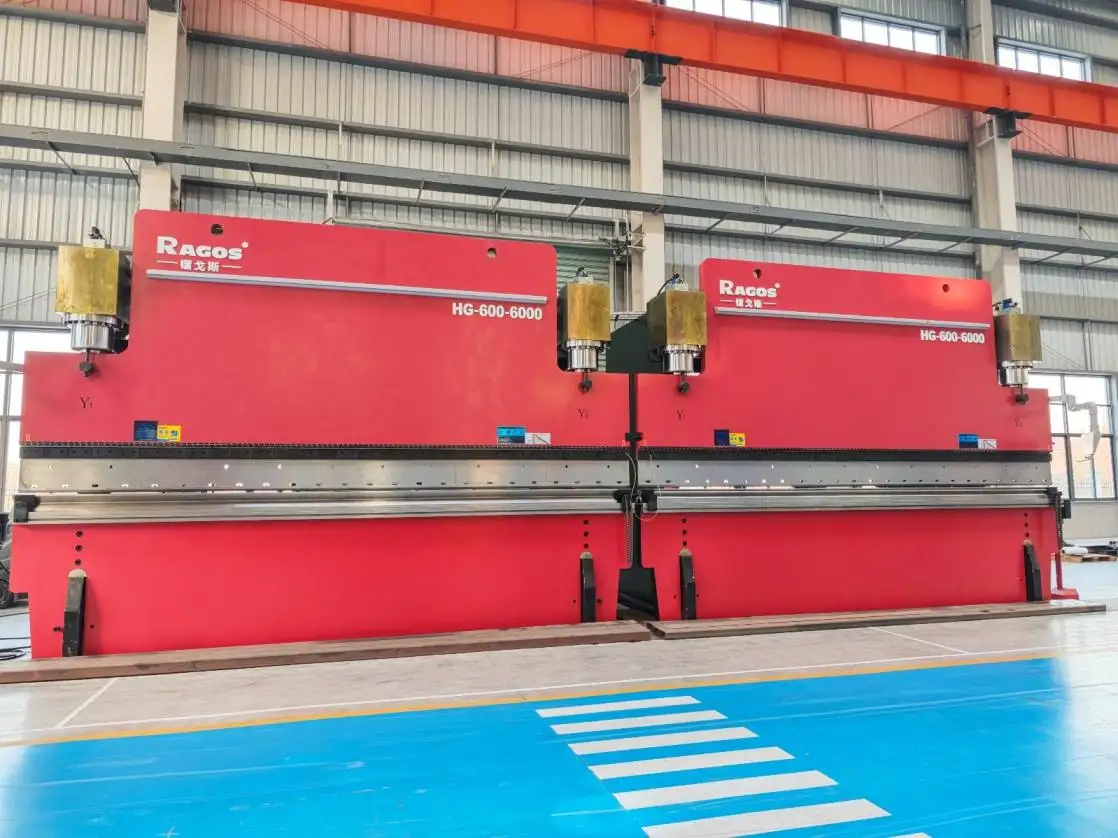
At JS RAGOS, we view this machine not simply as fabrication equipment, but as a productivity tool for contractors, metal workshops, and construction material manufacturers. When selected correctly, a bending machine helps reduce manual work, improve dimensional consistency, and support a wider range of projects with better delivery control.
Why Metal Bending Plays A Key Role In Construction
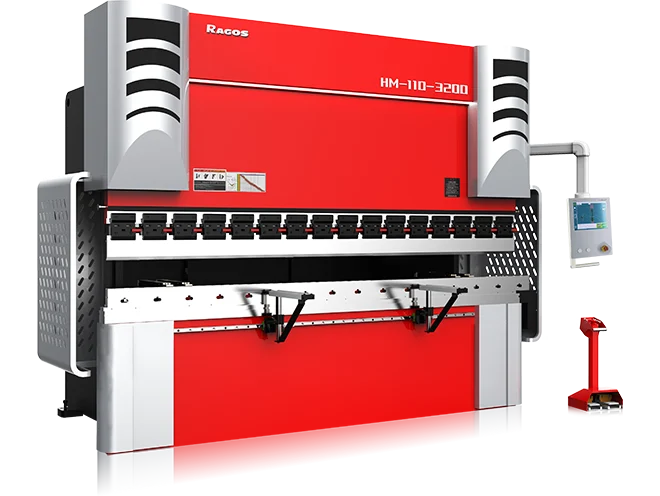
Modern construction relies on many formed metal components. These parts need to meet strict standards for form, strength, and repeatable quality. A bending machine makes that possible by applying controlled force to sheet metal through matched tooling.
In practical construction work, bent metal parts are widely used for:
• Roofing panels and edge trims
• Door and window frames
• Wall cladding components
• Stair parts and guard structures
• Brackets for mounting and reinforcement
• Structural sections for beams, columns, and support assemblies
This matters because construction buyers are no longer looking only for raw metal processing. They need finished components that are easier to install on site, more uniform in shape, and less likely to create fitting problems during assembly.
Industry demand also supports this trend. With the global metal fabrication equipment market forecast by Mordor Intelligence to reach USD 69.68 billion in 2026, the data suggests that fabrication capacity remains strongly influenced by industrial expansion and infrastructure demand.
Main Uses Of A Bending Machine For Construction Industry
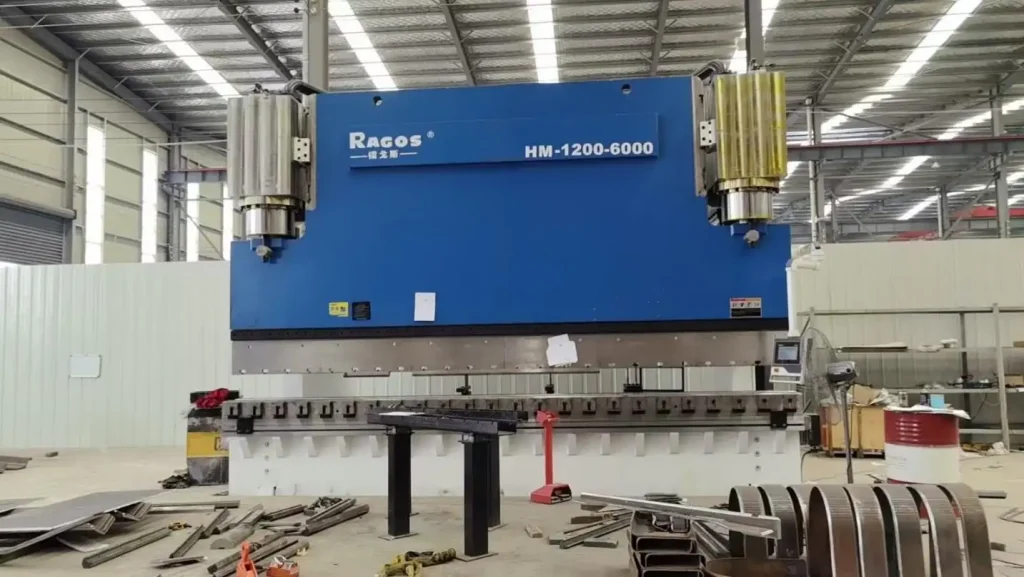
A Bending Machine for Construction Industry is valuable because it supports both standard building parts and project-specific custom work. In construction, that flexibility is often more important than simply having high force.
For example, the machine can be used to produce:
• Flashings and folded roofing parts for weather protection
• Cladding panels with clean edges and accurate angles
• Mounting brackets for doors, windows, and façade systems
• Support channels for HVAC, cable routing, and utility installation
• Decorative architectural metal parts for commercial buildings
• Reinforcement-related metal sections used in structural assemblies
These applications help clients in two important ways. First, they reduce the need for secondary adjustment during installation. Second, they allow one workshop to serve multiple project categories, from residential buildings to industrial facilities.
Grand View Research also notes that demand for sheet products in construction remains strong, especially in applications such as ductwork, fences, industrial walkways, ladders, building frames, and handrails. That directly explains why reliable bending capacity is important for construction-focused manufacturers.
What Benefits Clients Gain From The Right Machine
At JS RAGOS, we always translate machine specifications into customer value. Buyers do not benefit from tonnage or control systems in theory. They benefit when those features solve production problems.
Here is how the right machine creates practical advantages:
• Higher Part Consistency
Stable bending repeatability helps clients produce components that fit more accurately in the next stage of fabrication or installation.
• Reduced Labor Pressure
A more efficient machine lowers dependence on repeated manual correction. This is particularly useful for workshops that must handle ongoing production demands while operating with a small workforce.
• More Streamlined Job Changeovers
Machines with versatile tooling and simple operating logic allow operators to transition between tasks with less downtime.
• Reduced Scrap Generation
Precise bending improves material use by minimizing waste related to inaccurate angles, poor alignment, and corrective work.
• Enhanced Response To Project Adjustments
Since construction requirements can change quickly, a dependable bending machine helps suppliers accommodate revised drawings and special dimensions more efficiently.
How To Choose The Best Bending Machine For The Construction Industry
Construction requirements vary from project to project. Some applications need long bending lengths, while others require more force or better accuracy for exposed metal components.
When purchasing a Bending Machine for the Construction Industry, decision-makers should review:
• Material Type And Thickness
Each material bends differently. Steel, stainless steel, and aluminum may require different tonnage levels and tooling arrangements.
• Length of Part
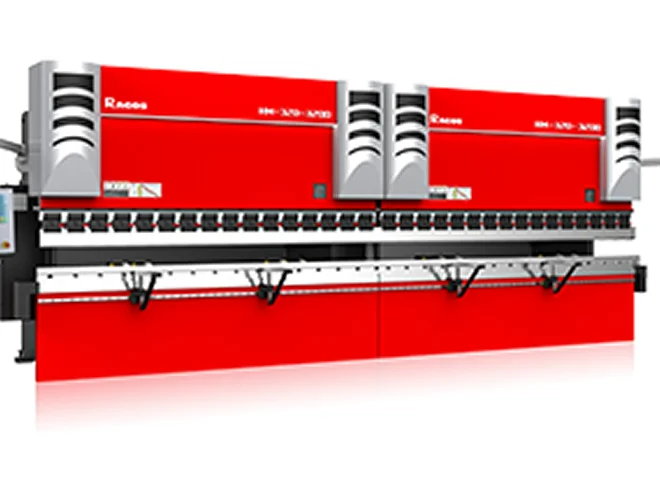
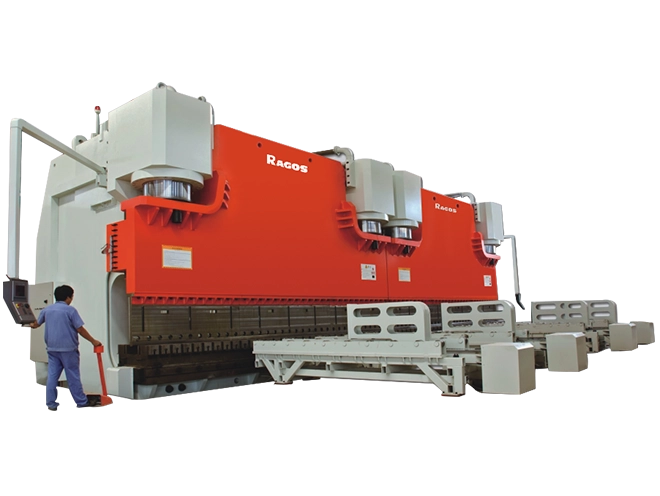
Large panels for the facade, roof, and long profiles need enough bending length and stable support across the whole working area.
• Precision Expectations
For visible architectural parts, angle consistency and surface condition are more important because the finished appearance directly affects project quality.
• Production Demand
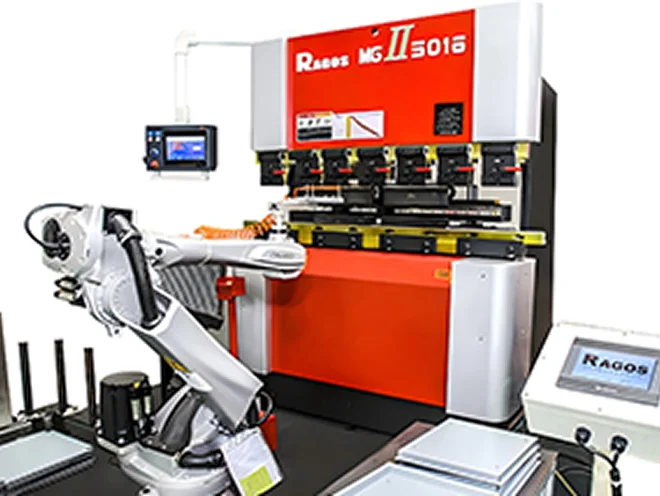
Where repeated output is required, CNC and automated solutions can help minimize setup variation and improve production consistency.
• Safety Preparation
Effective guarding systems and safety features are necessary because construction manufacturers often face urgent timelines and continuous production pressure.
• Workshop Space
Machine footprint, loading space, and clearance should all be checked before purchase and installation.
This selection logic is becoming more relevant as fabrication demand continues to grow. Grand View Research projects the global machine tools market to rise from USD 97.9 billion in 2024 to USD 137.4 billion by 2030, while Mordor Intelligence estimates the metal forming tools market will reach USD 50.27 billion by 2030. These figures suggest that buyers are investing more in capacity, precision, and process efficiency across fabrication industries.
Why Modern Construction Buyers Prefer More Automated Solutions
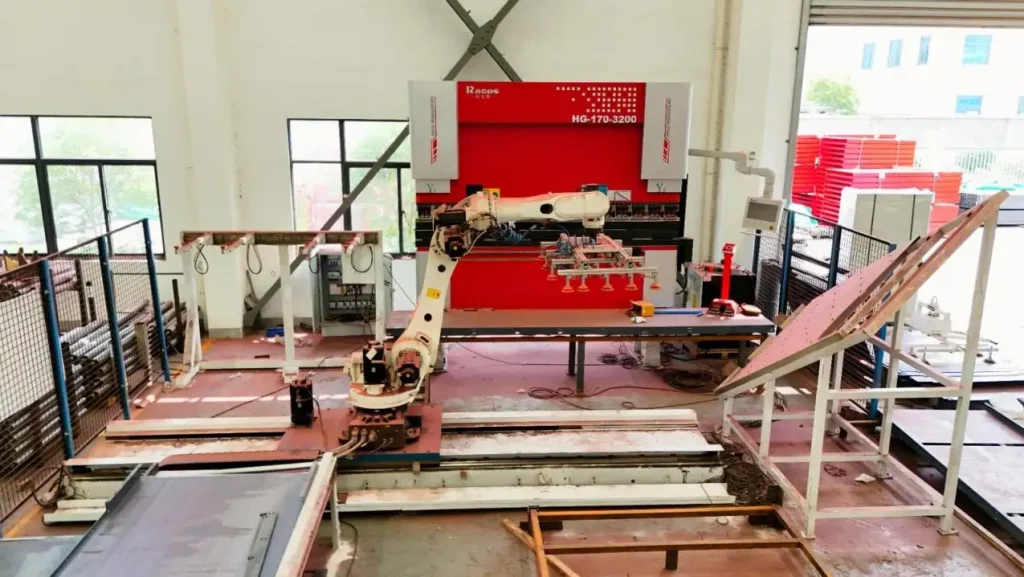
Construction supply chains now expect shorter lead times and better quality traceability. This is one reason automated bending solutions are gaining attention.
A modern bending machine can help workshops:
• Standardize production across repeated jobs
• Lower operator-dependent variation
• Improve process control for custom orders
• Support integration with upstream cutting or shearing operations
This shift is also visible in regional market data. Mordor Intelligence reports that the Europe metal fabrication equipment market is expected to grow from USD 16.52 billion in 2025 to USD 22.31 billion by 2030, driven in part by movement toward automated and data-rich production lines.
For construction-related suppliers, this means the market increasingly rewards shops that can deliver not only bent parts, but also dependable process control.
What JS RAGOS Can Offer To Construction Clients
At JS RAGOS, we understand that clients in the construction sector need more than a general-purpose machine. They need a solution that matches actual production goals, material range, and delivery pressure.
Our approach is built around practical value:
• Machine configurations matched to real construction applications
• Support for different material thickness and bending requirements
• Solutions for standard components and custom fabrication work
• Equipment choices that help clients improve output and reduce avoidable rework
A Bending Machine for Construction Industry should help your business do more than bend metal. It should help your operation cover more project requirements, improve quality consistency, and respond to the market from a stronger competitive position.
As demand grows in both fabricated metal services and construction-related production, workshops that invest in reliable bending solutions will have a clearer advantage in earning repeat business and expanding into larger project scopes. Mordor Intelligence estimates the North America fabricated metal services market at USD 68.22 billion in 2025, with continued growth expected.
If you are evaluating bending solutions for a construction production line, contact JS RAGOS. We can review your material specifications, part sizes, and production goals to help you choose a machine setup that supports efficient fabrication and reliable delivery.