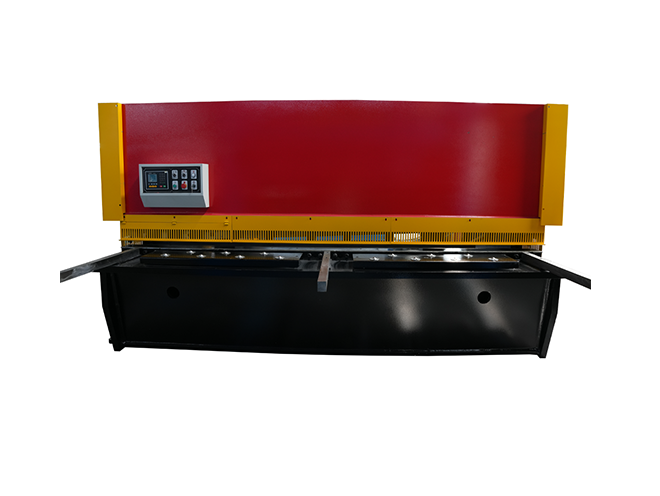
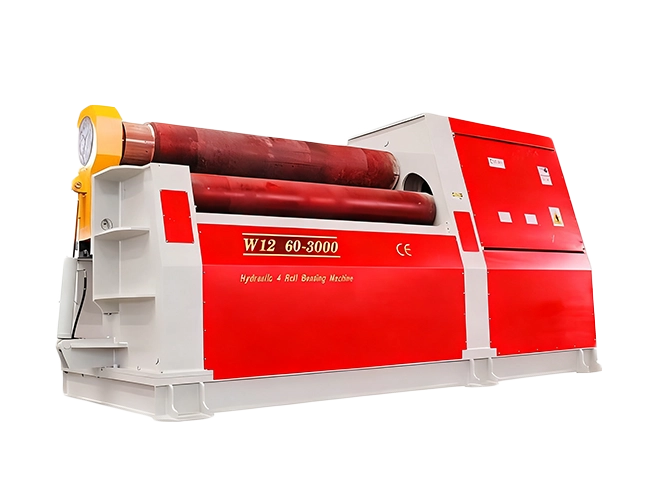
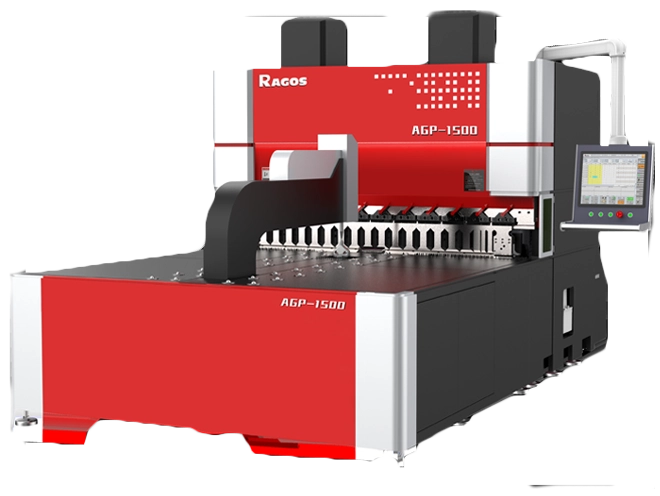


Best Hydraulic Shearing Machine in 2026: Complete Buying Guide for Precision & Efficiency
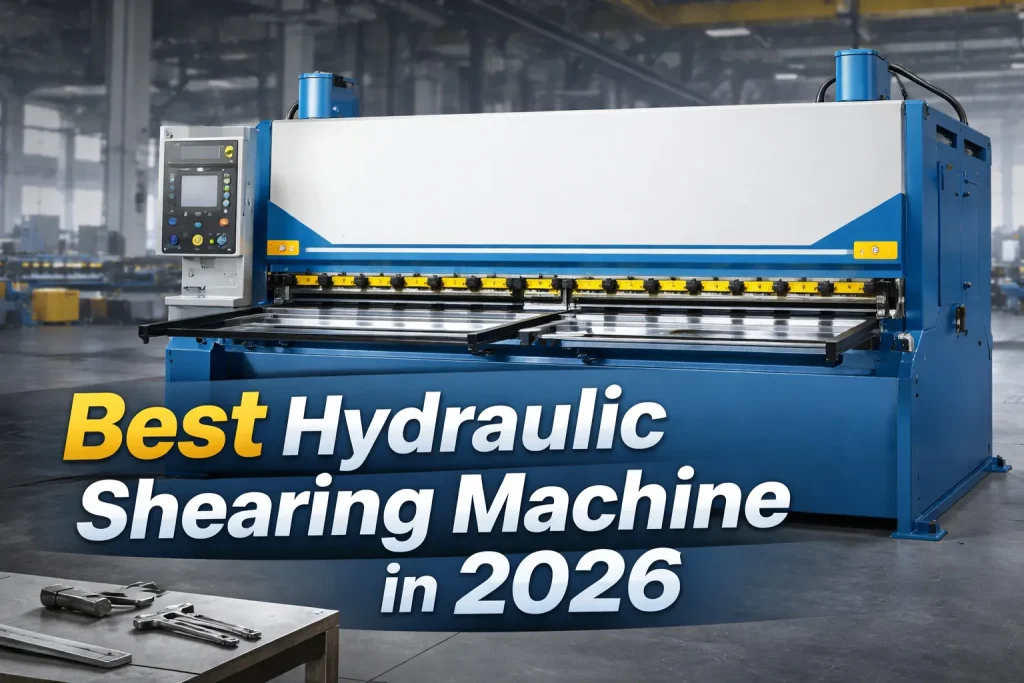
A hydraulic shearing machine is much more than a simple cutting machine in metal fabrication. The true value is the quality of cut, dimensional repeatability, performance, stability on the long term, and the cost of its maintenance. When individuals go into a search of Best Hydraulic Shearing Machine in 2026, they do not find the most expensive of the models they want, but the one that will provide them with the lowest total cost of ownership but fulfill their production needs.
Hydraulic shearing technology still advances in 2026 toward smarter CNC control, easier HMIs, quicker to position the backgauge, safer control, and more capable of producing mixed batches. The best machine will be the one that attains your materials, range of thickness, accuracy needs, and day output.
Types of Hydraulic Shearing Machines: Choosing the Right Structure First
Before focusing on brands or configurations, selecting the correct machine structure is critical.
Swing Beam Hydraulic Shearing Machine
- Advantages: Simple structure, cost-effective, easy maintenance
- Best for: General sheet metal fabrication, medium accuracy requirements, stable workloads
- Considerations: Cut quality on thicker or high-strength materials depends heavily on blade quality and clearance adjustment
Guillotine (Straight-Cut) Hydraulic Shearing Machine
- Advantages: Vertical cutting force, cleaner cut surface, higher accuracy and repeatability
- Best for: High-precision cutting, thicker plates, demanding industrial applications
- Considerations: Higher initial cost, greater requirements for hydraulic and guideway quality
For many professional users, a guillotine shear is closer to what they consider the Best Hydraulic Shearing Machine in 2026, especially when precision and consistency matter.
Five Key Parameters That Define Cutting Quality
1. Material Type and Cutting Thickness
Steel, stainless steel, and aluminum have very different tensile strengths. A machine rated for a certain thickness in mild steel may not handle the same thickness in stainless steel.
Best practice:
- Define your standard working thickness
- Define your maximum occasional thickness
- Avoid oversizing the machine just for rare jobs
2. Cutting Length
American standards are 2500 mm, 3200 mm, 4000 mm, and 6000 mm.
Quarter-long cutting length needs greater rigidity of the machine and more strict backgauge control. Bigger is not always better.
3. Blade Quality and Service Life
Blade material and heat treatment directly affect cut quality and tool life.
Look for:
- Multi-edge blades that can be flipped
- Consistent hardness and wear resistance
- Good regrinding capability
4. Blade Clearance Adjustment
Incorrect blade clearance causes burrs, plate deformation, and premature blade wear.
Modern machines in 2026 offer more user-friendly and accurate clearance adjustment, improving both efficiency and cut quality.
5. Backgauge Accuracy
The backgauge determines dimensional accuracy and productivity.
Key factors include:
- Positioning and repeat accuracy
- Ball screw and linear guide structure
- Sufficient stroke for your working range
Essential Features of the Best Hydraulic Shearing Machine in 2026
Regardless of brand or origin, a top-tier hydraulic shear should include:
- Stable hydraulic system with low noise and reliable pressure control
- Advanced NC or CNC control system with clear HMI and parameter storage
- High-rigidity machine frame to minimize deformation
- Premium cutting blades with reliable clearance adjustment
- Stable backgauge and hold-down system for consistent results
- Comprehensive safety features, including light curtains and emergency stops
- Reliable after-sales support and spare parts availability
Any machine that meets these standards and fits your production needs can truly be considered the Best Hydraulic Shearing Machine in 2026.
Application-Based Selection Guide
Small Workshops & Mixed-Batch Production
- Priorities: Easy operation, fast setup, flexible backgauge control
- Recommendation: NC/CNC system with quick parameter recall
Mass Production & High Consistency Requirements
- Priorities: Repeat accuracy, rigidity, stable backgauge
- Recommendation: Guillotine shear with reinforced frame and precision backgauge
Thick Plate or High-Strength Materials
- Priorities: Power reserve, blade durability, frame stiffness
- Recommendation: Choose a machine with safety margins instead of working at maximum capacity
Maintenance Tips to Keep Performance at Its Best
- Inspect blade edges regularly according to material type
- Maintain a clearance reference chart for different materials and thicknesses
- Replace hydraulic oil and filters on schedule
- Train operators to use correct feeding and hold-down procedures
Proper maintenance ensures your machine continues to perform like the Best Hydraulic Shearing Machine in 2026 even after years of operation.
Conclusion: Defining “Best” Based on Your Real Production Needs
We will not sell the Best Hydraulic Shearing Machine in 2026 using marketing reasons, but by its capacity to adapt to your materials, the thickness range, the accuracy target, the volume of production and the expectations of service. The consistency of structure, configuration and application leads to high quality of cut, increased efficiency and reduced long term costs.
FAQ
1. Is a swing beam or guillotine shear better?
It depends on your accuracy and cut quality requirements. Guillotine shears generally offer better consistency, while swing beam models are more economical.
2. Why do burrs increase over time?
Burrs usually indicate blade wear or incorrect clearance. Check blade condition and adjust clearance accordingly.
3. How important is backgauge accuracy?
Extremely important. High repeatability reduces scrap, improves consistency, and increases productivity.
4. What should I consider when cutting stainless steel?
Stainless steel requires higher cutting force, better blade quality, and precise clearance control.
5. What hidden costs should buyers consider?
Blade replacement, maintenance downtime, operator training, and spare-part availability are often underestimated.