

CNC Press Brake Asia: Electro-Hydraulic vs Oil-Electric Hybrid – Which One Fits Your Shop?
CNC Press Brake Asia showcases the best in sheet metal bending. Two systems particularly interest manufacturers: the electro-hydraulic synchronous press brake and the oil-electric hybrid press brake. As an industry leader, JS RAGOS has both, but which best suits your company? This guide examines the features and benefits of each system and the most important differentiators.
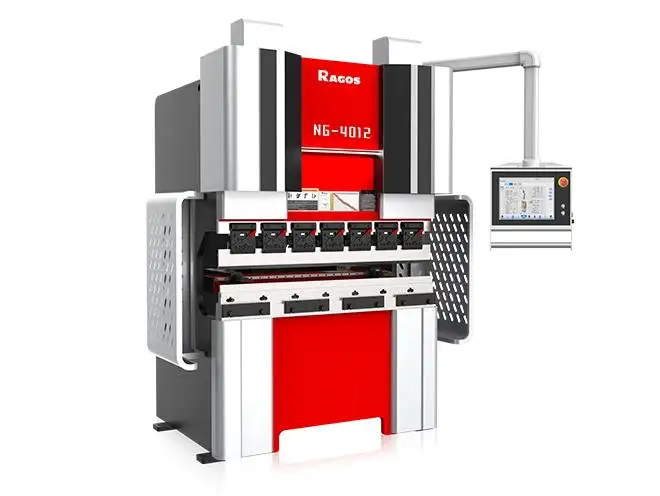
What is an Electro-Hydraulic Press Brake?
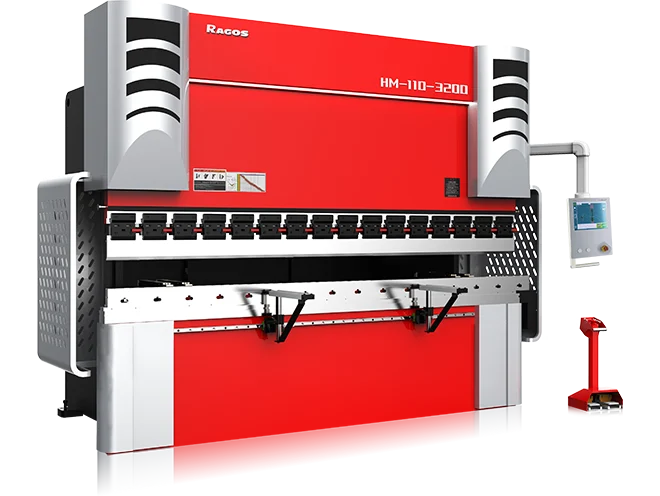
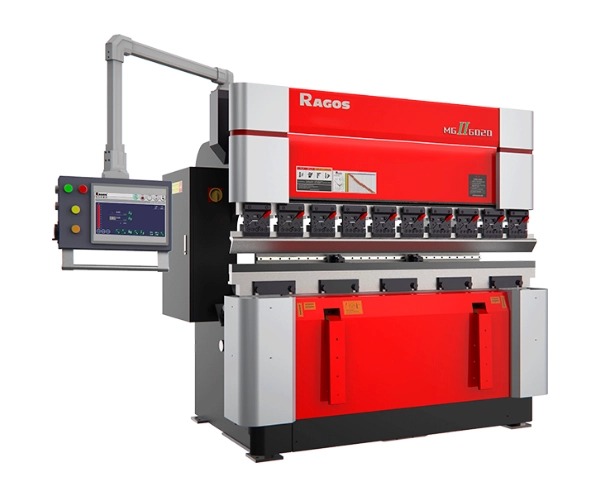
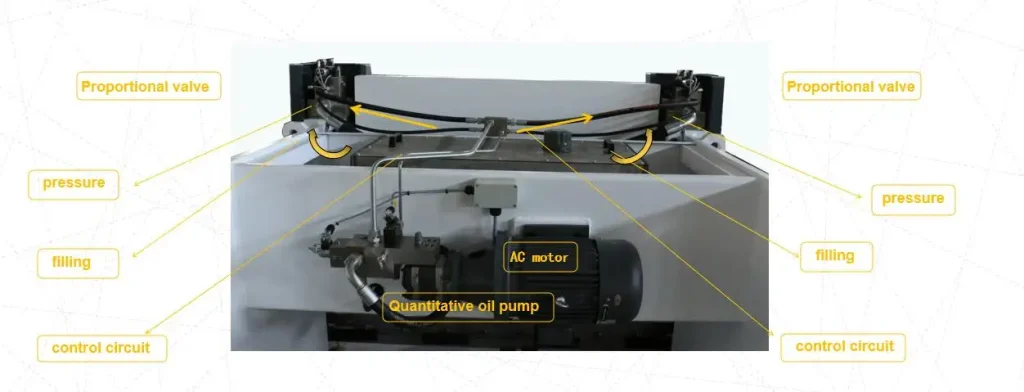
Electro-hydraulic press brakes are hydraulic systems with electrically controlled, synchronized bending capabilities. JS RAGOS scaled this design to manufacture small items, such as brackets, to very large items, such as industrial panels. This design utilizes hydraulic cylinders to create a large amount of force, and the movements of the cylinders are controlled by the electronics.
Key Features of Electro-Hydraulic Press Brakes
1. Hydraulic System
An Electro-hydraulic press brake utilizes a hydraulic system to create bending force through a hydraulic pump and cylinders. This design also has a custom force level adjustability feature to accommodate varying sheet metal thicknesses and materials.
2. Electrical Controls
An old mechanical brake system has no electrical controls over the bending system, resulting in great variability good only for large dimensional tolerances. An electro-hydraulic model has advanced electronics over the bending process, allowing for the entire workpiece to be achieved with a good degree of accuracy.
3. Synchronization
It is vital that mechanical systems prevent defects (i.e. bends occurring at different positions along the workpiece) and inaccuracies (bends not occurring as per engineer's drawings) through a synchronization mechanism. An electro-hydraulic system achieves this through controlled application of forces by all of the hydraulic cylinders.
4. Servo Motors
Achieving a great degree of accuracy and repeatability in the bending process requires a good control over the speed and position of each hydraulic cylinder. JS RAGOS deployed quality servo motors to achieve this goal.
5. CNC System
Most of JS RAGOS's modern press brakes come equipped with a state-of-the-art user-friendly CNC system. Operators can input bending parameters, save programs, and switch between bending jobs. There is the potential for substantial gains in productivity.
6. Backgauge System
A motorized backgauge is used to position sheet metal. The CNC system automates the backgauge, making the decision on position and which bends will be executed.
7. Safety Features
Safety is of utmost importance in JS RAGOS products. Press brakes have light curtains, emergency stops, and interlocks.
8. Flexibility
Electro-hydraulic press brakes can perform for a variety of thicknesses and sizes. The power of CNC gives the speed of the reconfiguration making these systems applicable for short and long production runs.
JS RAGOS's Electro-hydraulic synchronous press brakes are innovative in the industry for their speed and precision for bending. When compared to mechanical brakes, JS RAGOS products are superior in precision and level of automation, therefore making them an automatic choice for metal workers.
What Is an Oil-Electric Hybrid Press Brake?
An oil-electric hybrid press brake is a system that integrates both the hydraulic and electric systems in a way that is more effective and more sustainable. JS RAGOS designs this system so that it performs as well as a mechanical brake, while having as few negative advantages as possible.
Main Features of an Oil-Electric Hybrid Press Brake
1. Hydraulic System
Like many other hydraulic press brakes on the market, bending is done using hydraulic force. However, JS RAGOS designs this system to be more energyefficient and more precise than other hydraulic press systems.
2. Electric Drive System
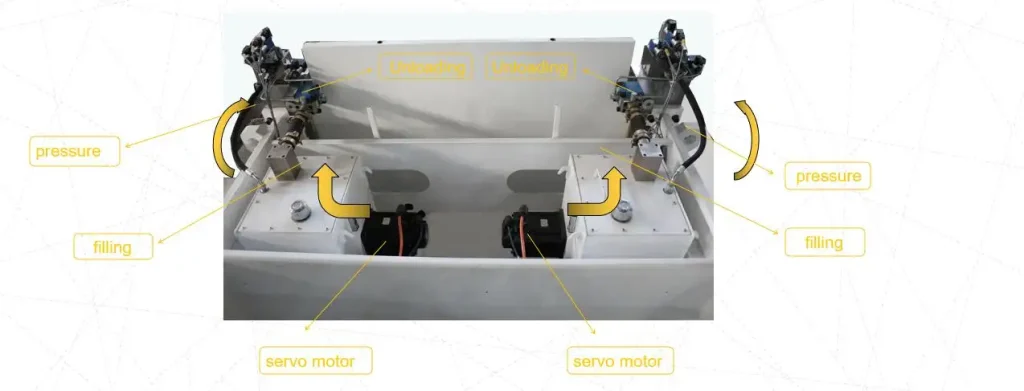
With hybrid systems, large hydraulic systems (including pumps and valves) are removed and replaced with electric servo motors. This simplifies the system, increases control of the movement of the ram, and reduces maintenance.
3. Energy Efficiency
Let’s start with the basics: saving energy. Traditional hydraulic brakes are constantly using power to hold the brake pressure. Because the hybrid systems only use power when in transit, they use less power and lower the overall cost of operations.
4. Precise Control
With the use of servo motors, there is complete control of each ram’s position, velocity, and the ability to control multiple rams. JS RAGOS hybrid presses offer extremely precise bends and maintain a very small variance in quality.
5. Noise Reduction
Making changes to the design to eliminate the hydraulic backing allowed for a quieter press. Each press also becomes a quieter addition to your shop.
6. Maintenance
Another benefit of removing the hydraulic backing on a press is that the maintenance needs to be less. With no hydraulic fluid to change or filters to change, the design of these presses is to be used for extended periods of time with very little downtime.
7. Environmental Impact
Because of the design changes that remove the hydraulic oils, there are less machine leaks. Presses of this design also use less energy, so their footprint is smaller. Oil-electric hybrids are a better alternative.
8. Flexibility
JS RAGOS hybrid press brakes are outfitted with the most up-to-date hybrid technology, allowing fast setup to manipulate and perform different bending operations.
In short, oil-electric hybrid press brakes from JS RAGOS marry the power of hydraulics and the efficiency of electric presses. They are the best choice for a shop looking to increase productivity, lower energy costs, and improve bending quality.
Electro-Hydraulic vs Oil-Electric Hybrid: Direct Comparison
Let’s put them side by side. JS RAGOS manufactures both types, so you get an unbiased look.
Cost and Tonnage Range
Electro-hydraulic press brakes are more affordable. They are great for big sheets of metal, especially those above 250 tons. For infrequent but bulky needs, they have the best pricing considerations. However, they shine in the 160–250 ton range. If your work falls within this, the long-term savings may justify the investment.
Speed Performance
• Hybrid machines from JS RAGOS achieve fast down speeds of 200 mm/s and return speeds of 200–350 mm/s. This dramatically cuts cycle times.
• Electro-hydraulic models are generally slower but still reliable for standard bending operations.
Synchronization and Control
• Electro-hydraulic systems use servo motors and CNC for left-right cylinder synchronization.
• Hybrid systems take it further: two independent servo bidirectional pumps control Y1 and Y2 cylinders separately. This delivers higher precision, lower friction, and better synchronization.
Energy and Oil Consumption
•Oil-electric hybrid wins hands down. There’s almost no throttling loss—the servo motor adjusts pump output exactly to demand. All energy goes into bending, not waste heat.
•As a result, hybrid machines consume only about 30% of the oil used by electro-hydraulic models. That’s one-third the hydraulic fluid, meaning lower costs and less environmental impact.
Heat and Stability
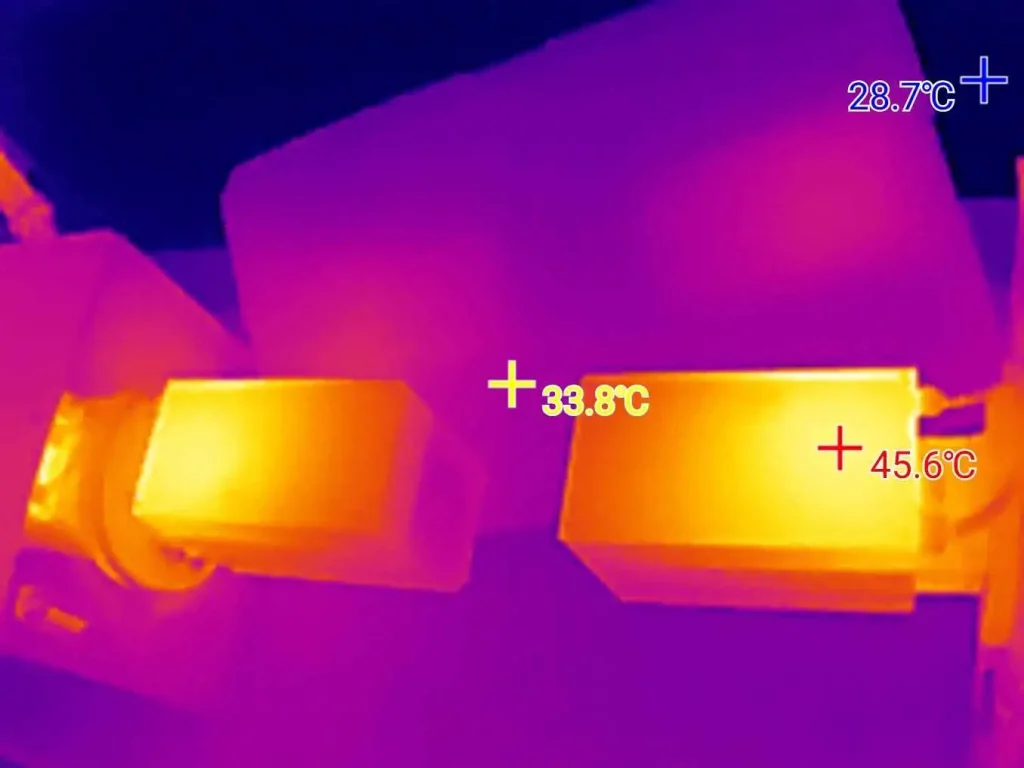
•In electro-hydraulic systems, throttling generates heat, raising oil temperature over time.
•Hybrid systems generate next to no heat and have consistent operational performance during long runs. JS RAGOS designs have less heat generation and provide greater reliability.
Space and Stroke Capability
•Hybrid press brakes take up less space on the shop floor, as they have fewer hydraulic components.
•They can also handle large-stroke applications and ultra-fast bending, which further strengthens their ideal applicability to the most demanding applications.
Benefits of a Servo Oil Electric Hybrid CNC Press Brake (JS RAGOS)
JS RAGOS enhances hybrid technology with its Servo Oil Electric Hybrid CNC Press Brake. The technology is described below, as is its importance.
How the System Functions
The power unit interfaces with a CNC system and contains:
•A servo motor
•A one-way fixed displacement pump
•An independent oil tank
•Control valves (flow, unloading, check, directional, back pressure, poppet, safety, filling)
A CNC system sets the servo motor to run at a specific speed. This therefore sets speed at which the pump changes its displacement. That acts to set speed of the actuator, which is a dual rod cylinder. The set torque is the CNC system’s way of setting the actuator’s output force for both the left and right sides.
Real Energy Efficiency
Movement of the left and right cylinders is achieved by two servo motors and two hydraulic pumps, one for each cylinder. The servo motor sets output flow of the pump such that it controls movement of the slider, by control of speed and position, in accordance with the program. No throttling occurs during operation. Every bit of energy from the pump goes directly to the cylinders. Zero energy loss—that’s the hybrid advantage.
No Oil Temperature Rise
Because there’s almost no energy loss, oil temperature stays stable. No overheating means consistent performance and longer component life.
Dramatically Reduced Oil Consumption
A JS RAGOS servo oil-electric hybrid uses only about 30% of the oil required by a standard electro-hydraulic synchronous CNC press brake. That’s one-third the oil consumption—saving money and reducing waste.
Which One Should You Choose?
Ask these questions:
| If you need… | Choose Electro-Hydraulic | Choose Oil-Electric Hybrid |
| Lower upfront cost | ✅ | |
| Heavy plate bending above 250T | ✅ | |
| Maximum energy savings | ✅ | |
| Ultra-fast cycle times (200–350 mm/s) | ✅ | |
| Minimal oil consumption (1/3 of standard) | ✅ | |
| Quiet, cool operation | ✅ | |
| Compact footprint | ✅ | |
| Large stroke or ultra-high speed | ✅ |
JS RAGOS offers both configurations. If your focus is 160–250 tons with fast production and low operating costs, the hybrid is worth the premium. For heavier work above 250 tons on a tighter budget, electro-hydraulic delivers unbeatable value.
Conclusion
Deciding whether to use an electro-hydraulic press brake or an oil-electric hybrid press brake will depend on your tonnage, speed requirements, and the total cost for your operation. JS RAGOS are reliable CNC Press Brake Asia manufacturers who provide robust builds and advanced CNC controls complimented by safety features.
If energy savings, low noise, and minimal oil consumption are priorities—plus you work in the 160–250T range—the oil-electric hybrid is your machine. If you need maximum tonnage at the lowest initial investment, the electro-hydraulic synchronous press brake remains a proven workhorse.
Contact JS RAGOS today to discuss your specific bending applications. Our engineers will help you select the perfect press brake—hybrid or electro-hydraulic—for your shop’s success.