

CNC Press Brake Factory: Industries That Depend On Precision Bending
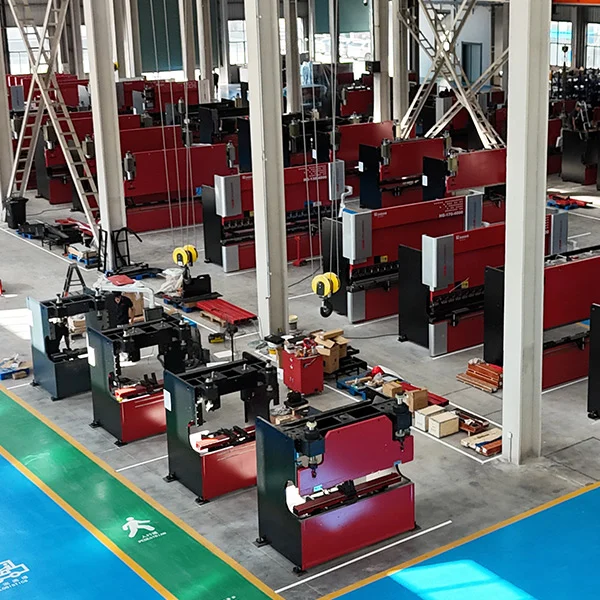
A CNC Press Brake Factory plays a central role in modern sheet metal production because bent metal parts appear in far more products than many buyers first realize. From vehicle brackets and electrical cabinets to architectural panels and medical frames, press brake technology supports industries that need repeatable angles, stable dimensions, and efficient throughput.
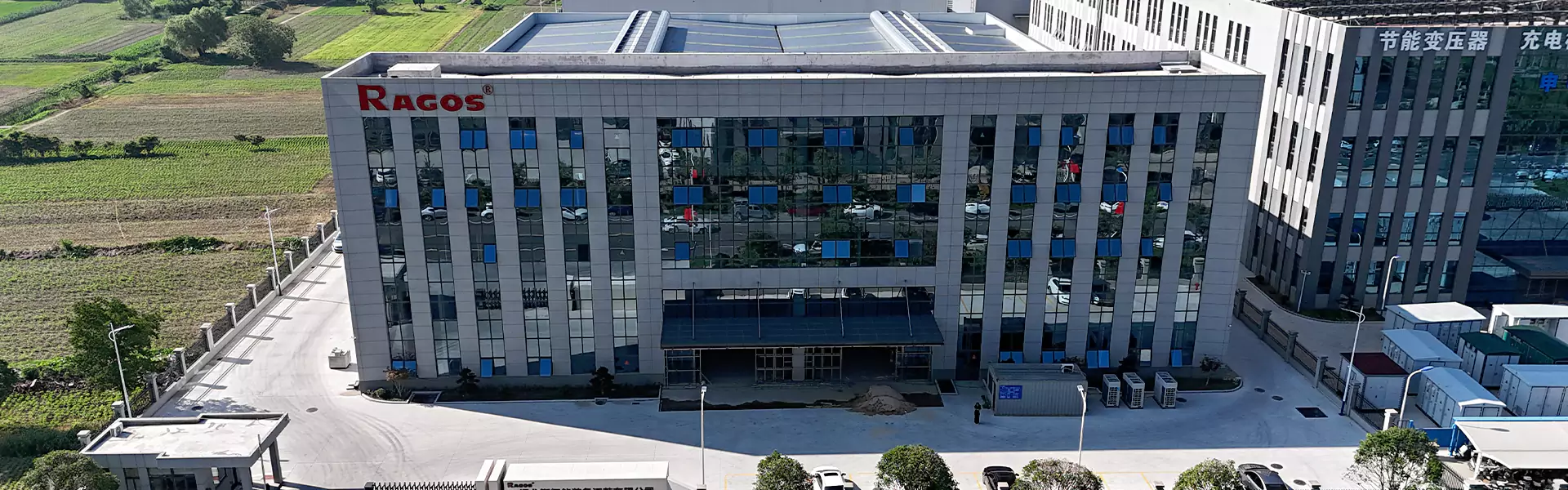
Pour les acheteurs étrangers, the question is no longer whether press brakes are widely used. The more practical question is which industries rely on them most, what kinds of parts they produce, and how to choose the right machine setup for each production target. À JS RAGOS, we see this every day. Different sectors may order very different parts, yet they often share the same need: reliable bending quality, flexible tooling, and consistent output.
Quoi un Press Brake Does Jen Real Production
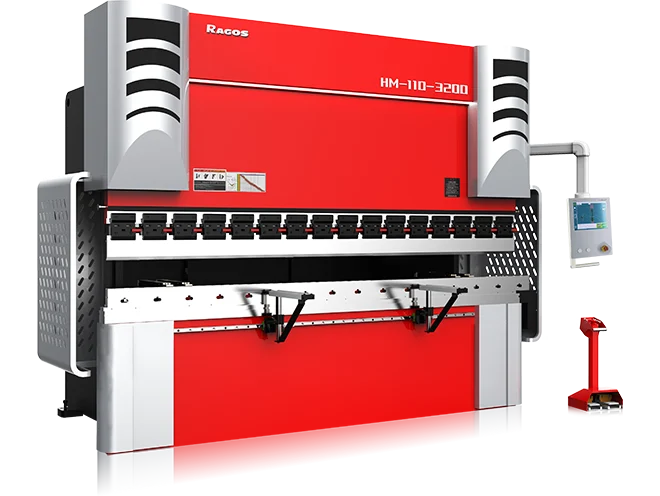
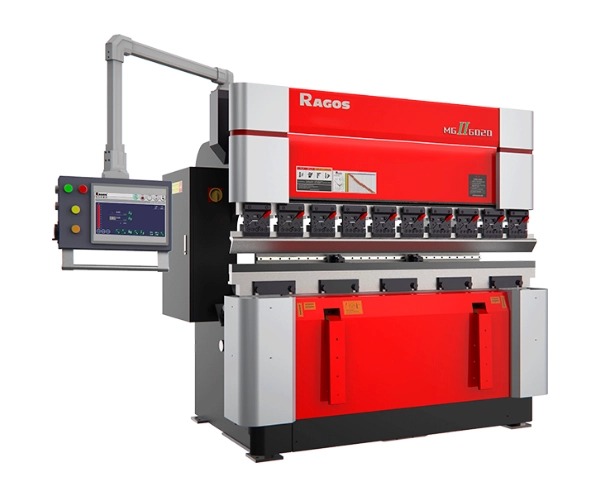
A press brake is a machine used to bend sheet metal or plate by pressing material between a punch and a die. En termes simples, it turns flat metal into usable shapes. Those shapes may look basic, but they are often critical to how a product fits, supports weight, protects components, or connects to another assembly.
Depending on the production task, manufacturers may use several machine types:
• Mechanical press brakes
• Hydraulic press brakes
• Electric press brakes
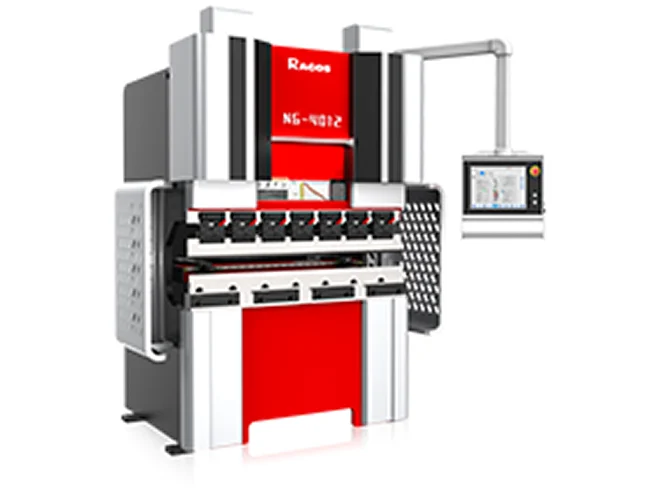
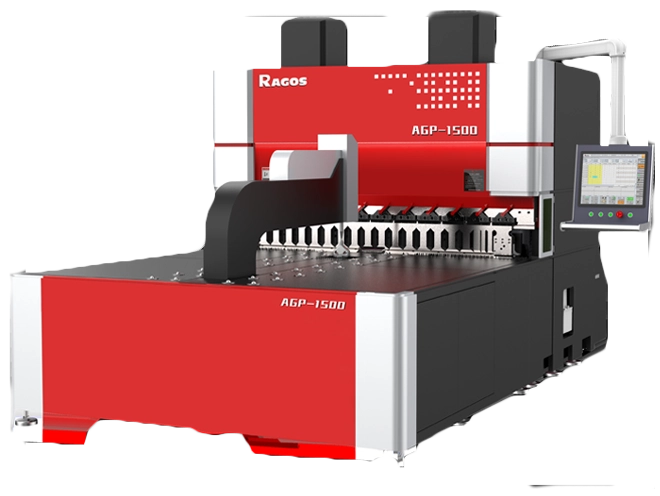
• CNC press brakes
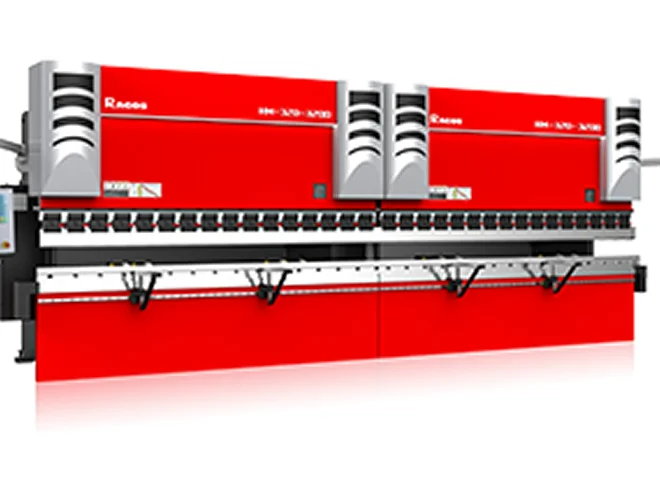
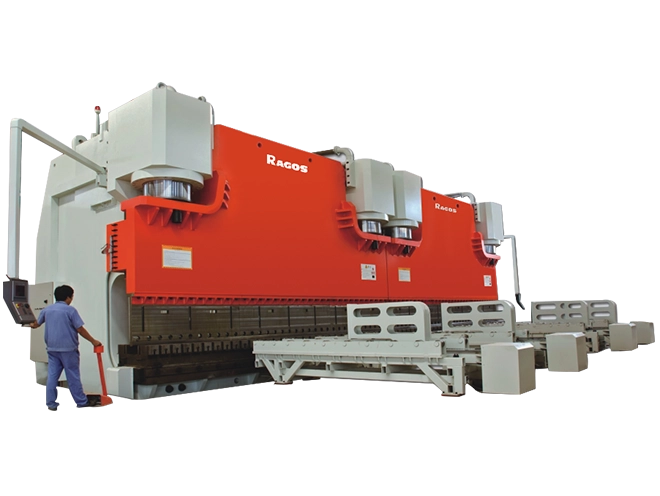
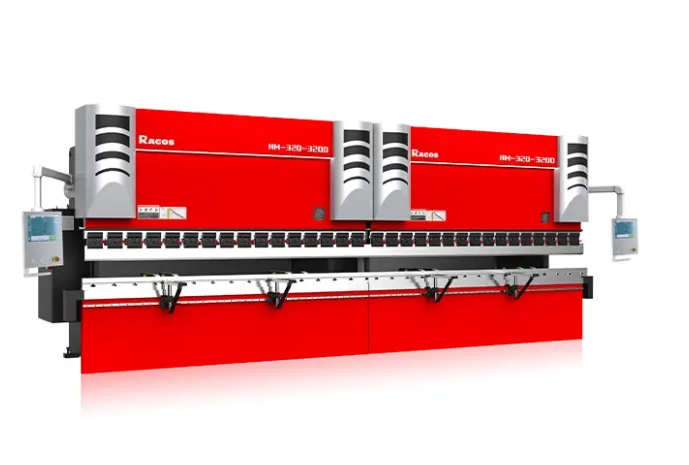
• Tandem press brake systems
Among them, CNC systems are especially important for factories that need repeatability, Pliage en plusieurs étapes, fast setup changes, and stable angle control across different batches.
Why Press Brakes Continue to See Wide Industry Use
Press brakes remain important in many sectors because sheet metal is still a practical and efficient material for manufacturing different kinds of parts. It is strong, formable, widely available, and suitable for both structural and cosmetic parts. Once a factory can cut and bend metal accurately, it can support an enormous range of finished products.
This is why a CNC Press Brake Factory is not tied to one market alone. It can serve buyers in automotive, electrical equipment, aérospatial, agriculture, Construction, Équipement de cuisine, and many other sectors with the same core production principle: controlled bending of metal parts to exact requirements.
Key Industries That Rely On Press Brake Bending
Metal Fabrication
This is the most direct application. General fabrication shops use press brakes for daily custom and batch bending work. These jobs may involve carbon steel, inox, aluminium, cuivre, or other alloys.
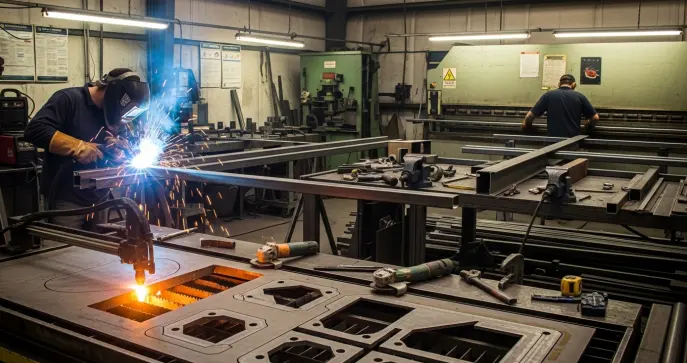
Typical fabricated parts include:
• Mounting brackets
• Covers and guards
• Frames
• Panels
• Support structures
For this sector, flexibility matters as much as tonnage. Shops often handle mixed orders, so fast programming and easy tooling changes are important.
Automobile unnd Transport
Vehicle production uses a large volume of bent metal parts, from small mounting pieces to structural components. Press brakes support both standard automotive production and commercial vehicle manufacturing.
Common examples include body supports, exhaust components, door and window reinforcement parts, chassis-related brackets, and frame sections. Larger vehicle parts may require tandem bending systems when workpieces are long or thick.
Aérospatial unnd Aviation
Aerospace parts demand strong material performance and reliable dimensional control. Press brakes help form brackets, internal support parts, Enceintes, and selected structural assemblies used in aircraft and related equipment.
This sector places greater emphasis on repeatability, tooling accuracy, and process consistency. Material handling also becomes more important because many aerospace alloys are expensive and difficult to replace after forming errors.
Agriculture Equipment
Agricultural machinery works in harsh conditions, so many of its metal parts must be durable and structurally sound. Press brakes are commonly used for supports, equipment frames, reinforcement pieces, protective housings, and bracket systems.
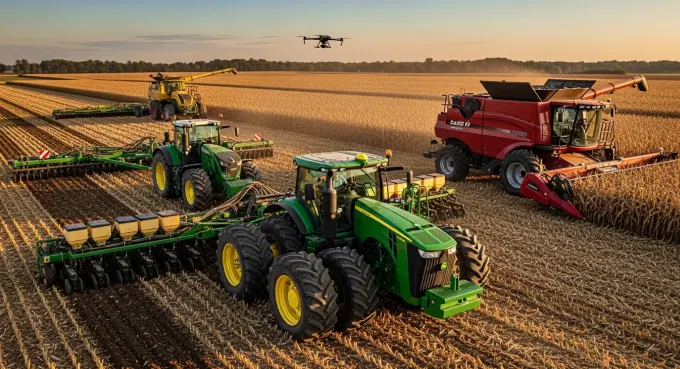
While pliable to shafts, these parts require reliable forming quality because they are usually subjected to vibrations, Poussière, and impacts, as well as outdoor use.
Électrique unnd Power Equipment
The electrical industry relies on folded sheet metal to a large extent. Control cabinet, switchgear housing, junction boxes, Enceintes électriques, and covers for machine protection are typical products of a press brake.
In such cases, precision and consistency of angles and fitting of the panel are extremely important. When bending accuracy is poor, there are assembly alignment issues which can potentially bog down the entire production line.
CVC unnd Ventilation
HVAC systems are a significant consumer of bent sheet metal. Sections of ducts, air handling unit panels, Obus, covers, and supports are components which require bending for a proper fit and quick installation.
For HVAC buyers, production speed is usually a major factor because many jobs involve repeated part geometry across medium or large batches.
Construction unnd Architecture
Construction is another major user of press brake technology. Roofing panels, cladding elements, stair components, metal trims, window frames, door frames, and structural support pieces are all widely produced through bending.

Architectural projects also bring a visual requirement. Beyond strength, parts may need clean edges, neat bends, and good surface handling to support the finished appearance.
Équipement médical
Medical manufacturing uses press brake formed parts in hospital beds, equipment frames, mounting structures, carts, diagnostic machine housings, and selected instrument supports.
This field often requires cleaner production control, tighter dimensional stability, and better consistency from one batch to the next.
Énergie, Huile, unnd Heavy Equipment
Heavy industries use press brakes for thick or large parts such as tank components, pressure-related assemblies, drilling equipment parts, supports, barriers, and structural items used in industrial environments.
These applications place more emphasis on tonnage, machine rigidity, and tooling durability. Light-duty machines are restricted when it comes to material thickness and workpiece size.
Limitations Buyers Should Know
Although press brakes are incredibly adaptable, they do have some restrictions. A practical purchasing decision should reflect the range of capabilities offered by the machine, as well as its shortcomings.
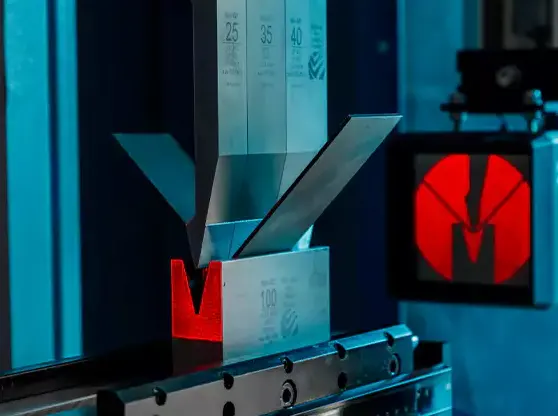
Examples of some common limitations include:
• Special tooling and/or secondary processing may be required for very intricate multi-directional designs
• Some materials may have final angle accuracy issues due to springback affecting angle accuracy
• Material thickness is a demand for higher tonnage and a more robust machine structure
• The machine working length determines the maximum size of the part to be worked on
• If the tools are not appropriately matched, extremely thin materials may deform or crack
• This is the reason why there should not be sole price consideration when choosing a machine.
Comment to Select the Most Suitable Press Brake fou un Task
Several factors are usually the most important to buyers when comparing different machines:
• Tonnage: determines maximum material thickness and type that can be bent
• Working length: determines the size of the part that can be worked on
• Precision: is critical for repeat jobs, and assembly tolerance and close end gaps
• Tooling range: accommodates various bend configurations and complexities of parts
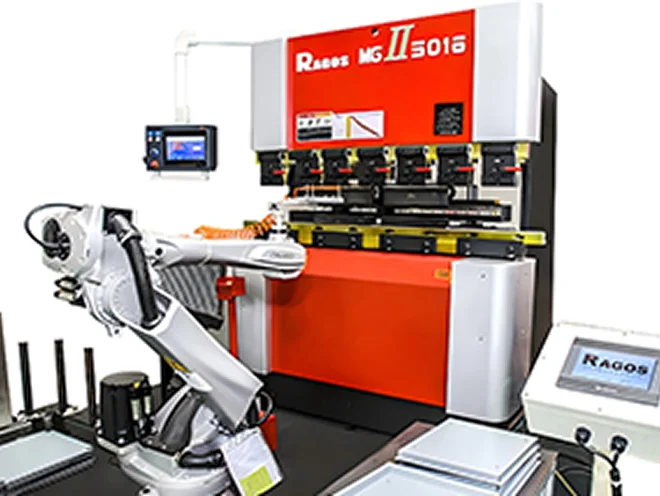
• Higher levels of Automation: improve efficiency for larger production quantities
• Safety system: protects operators during daily use
For larger manufacturers, CNC technology is really the best option as it simplifies the setup process, minimizes the need for manual adjustments, and ensures more consistent results in repeat orders.
Why CNC Press Brake Factories Are Becoming More Important
Production expectations have changed. Buyers now want shorter lead times, better repeatability, and more confidence in part consistency before placing larger orders. That shift has increased the value of the modern CNC Press Brake Factory.
À JS RAGOS, this trend is clear. Customers are not only asking whether a machine can bend metal. They are trying to evaluate whether the factory will be able to handle different types of materials, sustain the consistency of quality in batches, reduce variability in operators, and be adaptable to future automation.
That is where CNC press brake manufacturing becomes especially important. It allows a factory to manage custom orders and volume production with more reliable control over bending angles, backgauge placement, and repeatable operation.
Concluding Remarks
Press brakes are one of the most usable and versatile machines in the sheet metal manufacturing industry. The far-reaching applications of press brakes cover almost all the major industrial sectors because almost all products need bent metal parts for their construction, protection, assembly, et installation.
For buyers looking at long-term production value, choosing the right supplier matters as much as choosing the right machine. A capable CNC Press Brake Factory should understand material behavior, tooling demands, Volume de production, and the real application behind every part. That is exactly where JS RAGOS focuses its effort: helping manufacturers produce reliable bent components for industries that cannot afford inconsistency.