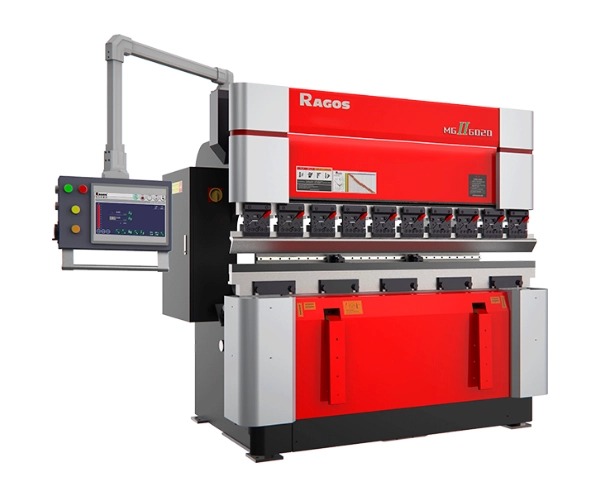
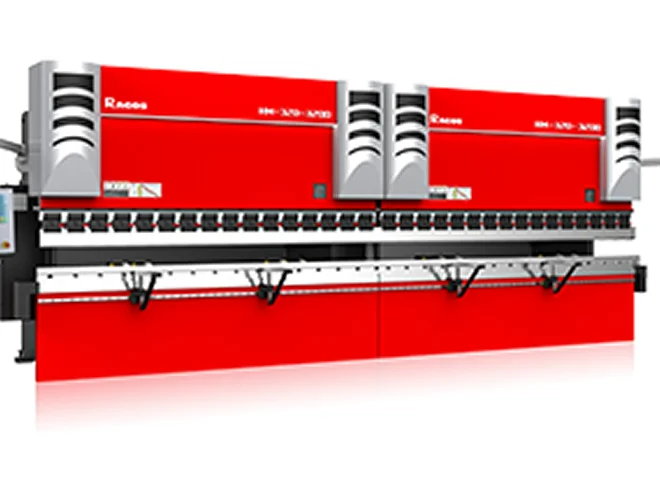
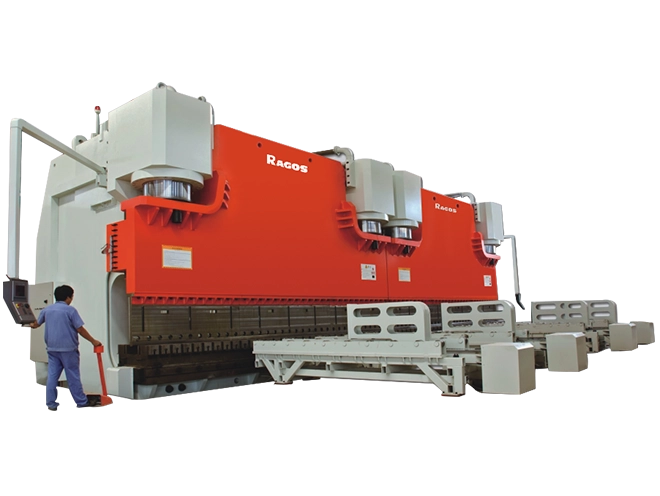
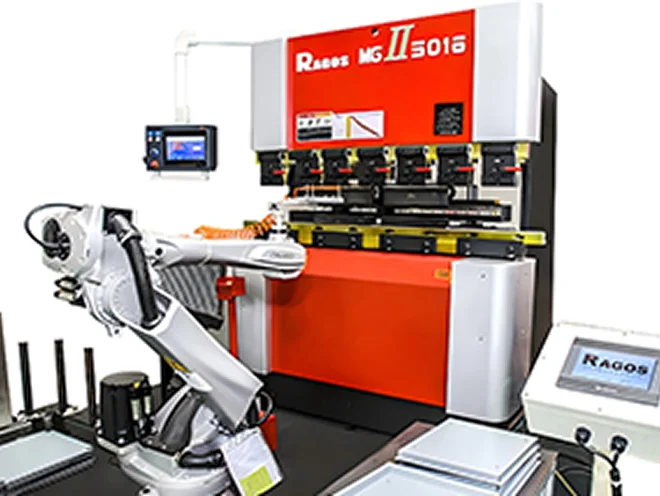


CNC Press Brake For Elevator Parts: Why Precision Bending Matters In Vertical Transport Manufacturing
CNC Press Brake For Elevator Parts helps manufacturers produce accurate, مستدام, and safety-focused metal components for modern elevator systems. In elevator construction, sheet metal parts serve a role far beyond visual appearance. They influence the movement of doors, stability of frames, strength of cabin structures, and the installation and fitting of brackets on site. Even the smallest bending error can lead to assembly issues, extended adjusment time, and diminished operational stability over the long run.
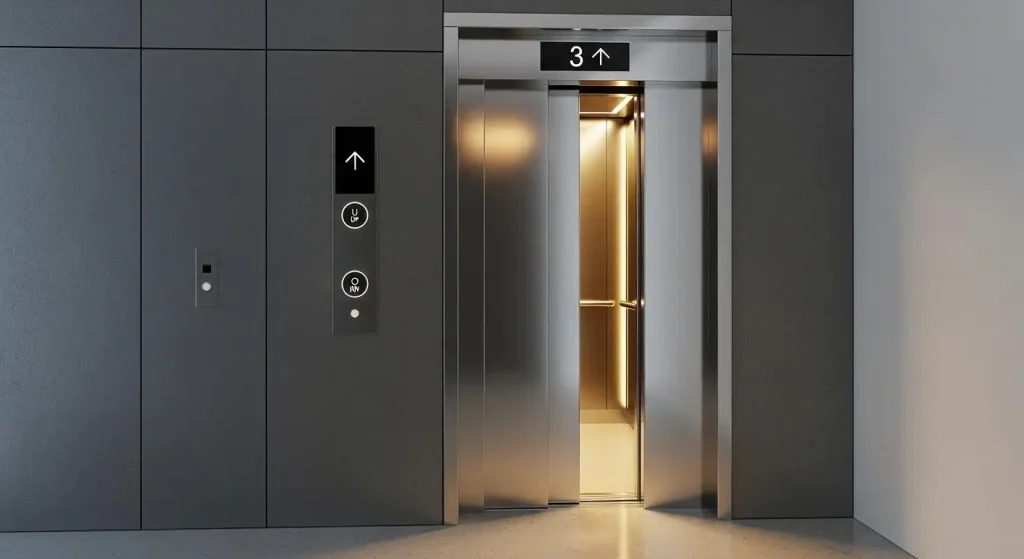
This is why, for the bending of components for the elevator industry, the quality of bends is of utmost importance. JS RAGOS understands this requirement well. When elevator builders need repeatable forming for stainless panels, support brackets, الإطارات الهيكلية, and enclosure parts, the press brake must deliver accuracy across both prototype work and batch production.
كيف a CNC Press Brake Supports Elevator Part Production
Elevator systems include many bent metal parts with different roles. Some are visible, such as cabin panels, حسب الأشكال, and decorative stainless assemblies. Others are structural, such as mounting brackets, reinforcing members, إطارات الدعم, and equipment covers. Each part needs controlled dimensions so the final system fits correctly during assembly.
A CNC press brake helps manufacturers form these parts with better consistency by controlling bend angle, موقع المقياس الخلفي, and repeat movement. This is especially important in elevator manufacturing, where parts often need to match across left and right assemblies, multiple floors, or repeated door sets.
Typical elevator-related parts formed on a press brake include:
•Door frame components
•Cabin wall panels
•Stainless steel interior trims
•Mounting brackets
•Reinforcement channels
•Control cabinet housings
•Support plates for mechanical assemblies
•Protective covers and access panels
Many of these parts must maintain tight dimensional control because they connect with rails, المثبتات, sliding systems, or finished architectural surfaces. If the bend result drifts, the problem usually appears later during installation.
Why Precision Matters More أناn Elevator Applications
Elevator equipment is expected to run smoothly for years in residential towers, office buildings, hotels, hospitals, and industrial sites. That means the metal parts used in the system must be produced with stable quality from the start.
على سبيل المثال, components of the doors must be formed consistently so that the gaps can be kept controlled, and so that movement can remain smooth. Structural parts of the cabin must be able to withstand the alignment adversity without the use of realignment tools during the welding or final assembly. Brackets and support members must be constructed so that they can maintain their intended position under the influence of load, and also under the influence of vibration.
في هذه الحالة, the reliability of the press brake is more than mere appearance. It affects:
•Assembly efficiency
•Part interchangeability
•Door alignment
•Structural reliability
•Surface quality on visible stainless parts
•Compliance with engineering drawings
This is why many elevator manufacturers prefer CNC-controlled bending rather than relying on manual adjustment alone. Repeatability is enhanced through a programmed system, which also diminishes variability induced by the operators.
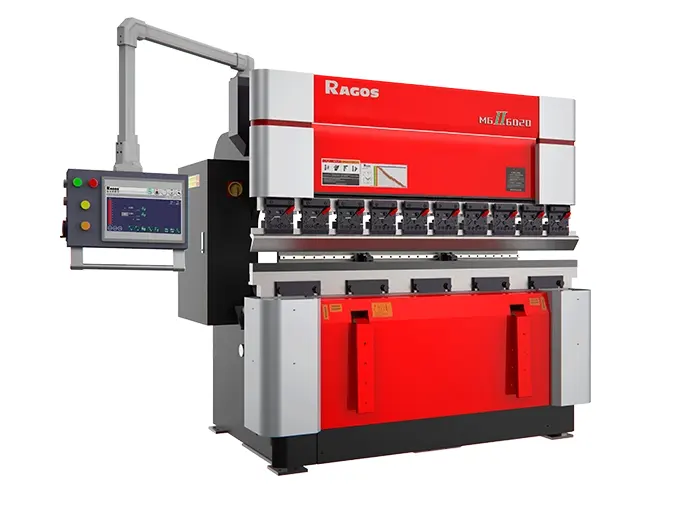
Elevator Panels and Structural Components Require Specific Tooling
The production of elevators is often exposed to a blend of polished stainless steel, الفولاذ الطري, الفولاذ المجلفن, and occasionally aluminum. These materials differ in behavior during bending. While thinner stainless steel sheets require the utmost care, thicker structural brackets and reinforcement parts can be handled more rudimentarily.
Ideal tool selection must consider the actual part being processed. Inappropriate tool selection could result in visible marks on the exposed side, bend angles that are not optimum, and excessive rework.
Manufacturers, in practice, often consider the following:
•Appropriate die openings relative to material thickness and intended bend radius
•Choices of punches that support the desired clean bend and surface
•Decorative stainless steel material must receive a protective film or must be handled in a defined way to avoid alteration.
•Definite rework must be exercised to stronger tool setups for thicker brackets and support parts.
•Maintain the condition of the tools to avoid shape discrepancies across batches.
For elevator interior panels, appearance is of the same importance as dimensional accuracy. The installation may reveal scratches, pressure marks, or edge distortion, making the visible marks immediately apparent. وهكذا, to avoid this, a lot of discipline is required during setup.
CNC Control for Repeatability
A notable feature of a CNC Press Brake for Elevator Parts is the ability to position the work dynamically. Elevator manufacturers tend to produce runs of identical parts, making this ability to position the work without loss of accuracy highly desirable. In ideal conditions, programmed parameters allow the bending of parts without variation throughout the production process.
ها هو, backgauge precision matters a lot. If the flange position moves, however slightly, the part will not align with neighboring panels or assembly points. In elevator systems, repeated misalignments will create delays in fittings and additional production floor adjustments.
A CNC system configured properly allows the operators to control:
•Bend sequence
•Backgauge translocation
•Material offsets
•Program memory for repeated orders
•Time management during type of part change.
This applies to a factory that makes various models of elevators, or where the dimensions of the cabins are manufactured to the customers' requirements. Instead of starting all over again, the operators can adjust the stored programs and organize the production better.
Angle Control Is Critical for Tight-Tolerance Parts
Parts in elevators are required to have a precise consistency in the angles, especially where they will be assembled to the frames, side panels, and mounting structures. Material springback, varying materials, and differing thickness are all factors that can influence the angles.
This is the reason most advanced bending lines are equipped with methods of checking angles during the process. In particularly difficult cases, the use of laser-based and closed-loop corrective angles control will reduce the need for manual adjustments. That is especially valid for bending operations of panels made of stainless steel, formed channels, or structural materials that have certain limits.
For the manufacturers, the positive side is:
•Less setup waste
•Less correction of first pieces
•Greater consistency of production in long series
•Less work in cases of assembly during post-processing
In the production of elevators, the great feature of a machine is not the stable control of angles. It is part of process reliability.
A Practical Setup Flow for Elevator Part Bending
A good machine alone does not guarantee a good part. The setup process still determines whether production runs smoothly.
A typical setup flow includes the following steps.
الخطوة 1: Review The Drawing Carefully
Review the drawing closely before selecting any tooling. Confirm the material specification, سمك الصفائح, bending direction, required radius, surface requirements, and dimensional accuracy standards.
الخطوة 2: Match Tooling To The Part
Use the right punch and die combination for the panel or bracket being formed. Decorative stainless parts and structural steel parts should not be treated the same way.
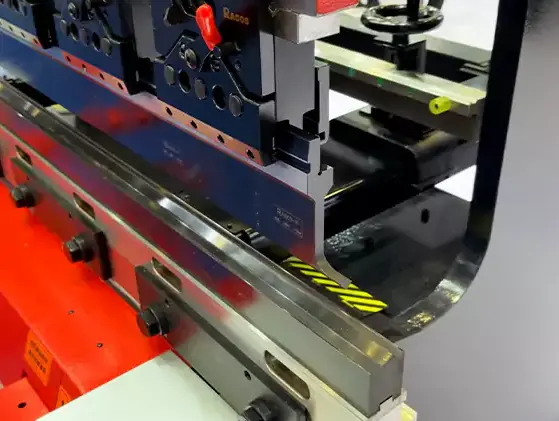
الخطوة 3: Program The Backgauge Correctly
Check flange dimensions and bend sequence carefully. This is essential for frame parts, panel returns, and door-related components.
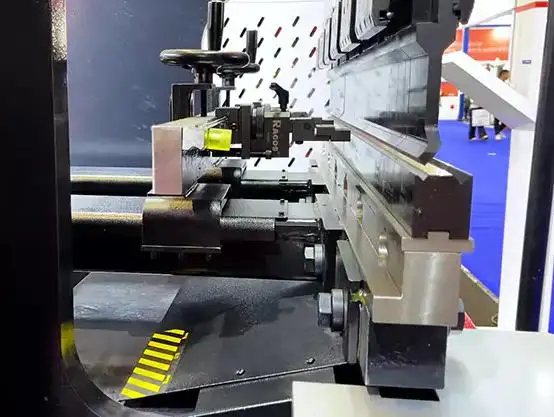
الخطوة 4: Run A First-Piece Test
Test the part before full production. Measure the angle, flange dimensions, symmetry, and visible surface quality of the formed part.
الخطوة 5: Lock In The Process
After the first component is accepted, keep the tooling, material alignment, and operating settings consistent throughout production.
This sequence sounds basic, but in real production it prevents many costly mistakes.
Maintenance Still Matters أناn Heavy Production
Elevator parts may not always be extremely thick, but the production environment often involves repeated cycles, المواد المختلطة, and frequent changeovers. Without regular maintenance, even a capable machine will lose consistency over time.
Manufacturers should pay attention to:
•Hydraulic condition and oil level
•Ram and bed alignment
•Backgauge positioning accuracy
•Tool wear and edge condition
•Electrical connections and CNC response
•Clean work surfaces for stainless panel production
If bend results start drifting, the cause may not be the program itself. It may come from worn tooling, المحاذاة السيئة, or unstable machine condition. Regular checks help prevent these issues from becoming larger production problems.
Why JS RAGOS Fits This Manufacturing Need
JS RAGOS focuses on bending performance that supports real industrial production. For elevator part manufacturers, the goal is not only to bend metal. The goal is to produce repeatable parts that fit correctly, protect visible surfaces, and support efficient assembly.
A high quality CNC press brake enables manufacturers to perform structural machining and work on components that have critical appearance requirements more consistently. Backgauge travel, الانحناء, and operational constancy are key parameters in daily production.
الخاتمة
CNC press brake for elevator components is a key manufacturing solution because production of elevator systems requires manufacturing of sheet metal components that are precise, متسقه, and durable. From cabin panels to support brackets, bending quality affects installation, أمان, المظهر, وموثوقية طويلة الأجل.
For factories serving the elevator industry, success comes from combining the right machine, the right tooling, disciplined setup, and consistent maintenance. JS RAGOS supports this approach by helping manufacturers produce elevator parts with the control and repeatability that modern projects demand.