

CNC Press Brake Parts Supplier: How to Improve Bend Accuracy?
As a CNC Press Brake Parts Supplier, JS RAGOS sees bend accuracy as the result of a complete tooling strategy. Machine performance matters, but accurate bending begins with the right punch, the right die, the right material match, and the right setup logic. When these elements work together, manufacturers can improve part consistency, reduce setup errors, and extend tooling life.
Why Bend Accuracy Starts With Tooling Selection
Many bending problems do not begin at the controller. They begin at the tooling station. A standard punch might work for simple air bending, but it might not work for deep boxes, coated sheets, narrow channels, or parts with features that are off-center.
A professional CNC Press Brake Parts Supplier helps customers choose suitable tooling according to part geometry, material type, bending method, and production volume. This approach reduces trial and error and supports stable output from the first setup.
Before placing an order for tools at JS RAGOS, we tell customers to think about three practical things:
•Part Shape: Deep profiles, return flanges, and boxed parts often need special punches like gooseneck or U-bending tools.
•Material Condition: When bending, stainless steel, aluminum, and pre-painted sheets all behave differently, so you may need different die openings or non-marking solutions.
•Target Quality: The tooling standard must meet the project's needs for a clean surface or tight repeatability from the very beginning.
This is why high-precision tooling remains essential. Bystronic notes that tooling tolerances within 0.0004 inch are important for part accuracy and to avoid extra shimming during setup.
Common Tooling Types And What They Solve
A capable CNC Press Brake Parts Supplier should not only offer a product list. It should explain what each tool actually solves in production.
For standard air bending processes, an 86-degree standard punch remains a reliable choice, as it helps compensate for springback effects, thereby ensuring a precise 90-degree bend after unloading. When processing deep parts, a gooseneck punch provides ample clearance to effectively prevent interference. For acute-angle forming tasks, an acute-angle punch is the ideal choice, suitable for bending parts with angles ranging from 30 to 60 degrees. The offset punch and die are used where two levels or step forms are required. When the goal is surface protection, a no indentation die or PU-insert radius tool becomes more appropriate than a conventional die. These tools help protect coated, polished, or softer materials from visible marking.
At JS RAGOS, we also help clients evaluate specialty tooling for functional parts, not only simple angles. For example, hinge punch and die sets help lower assembly demands after forming, while louver tools enable ventilation features to be produced directly at the press brake stage. This creates practical value for customers because fewer secondary operations often mean shorter lead times and lower total production cost.
How A CNC Press Brake Parts Supplier Improves Accuracy In Real Production
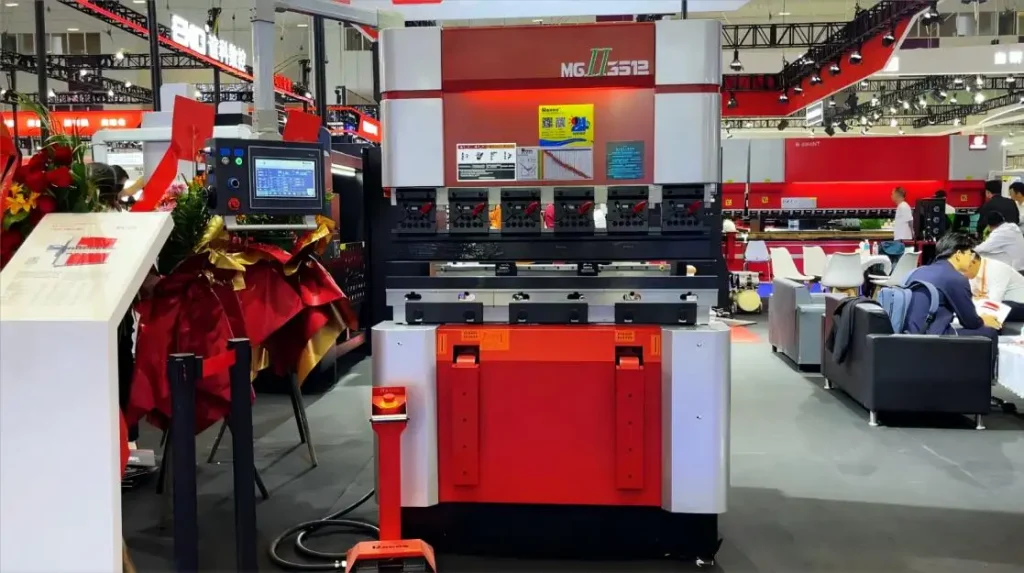
A strong CNC Press Brake Parts Supplier improves bend accuracy by converting product features into production advantages.
JS RAGOS tooling comes with a number of useful features that directly help customers do their jobs better. We use 42CrMo high-strength steel to make our press brake tools. We also heat-treat them to make them harder, more durable, and last longer. This is important because stable tool geometry under repeated load helps keep bending results more consistent over time.
JS RAGOS provides segmented tooling to help operators manage setups for parts with different lengths and geometries more efficiently. We can also develop tooling that matches Wila, Amada, and other standard systems, enabling customers to use compatible tools on existing equipment with less setup complexity.
These advantages are not limited to product design. They also improve production in practical ways:
•More Stable Angles because durable tooling materials help maintain accuracy under repeated workloads.
•Faster Changeovers because segmented tooling makes setup more efficient for mixed production tasks.
•Better Compatibility because standard interface support helps reduce integration challenges.
•Lower Long-Term Cost because durable tooling helps reduce replacement frequency.
For manufacturers running varied jobs, this combination is especially useful. It supports both precision and flexibility without forcing the customer into a single narrow tooling standard.
Key Numbers Buyers Should Check Before Ordering
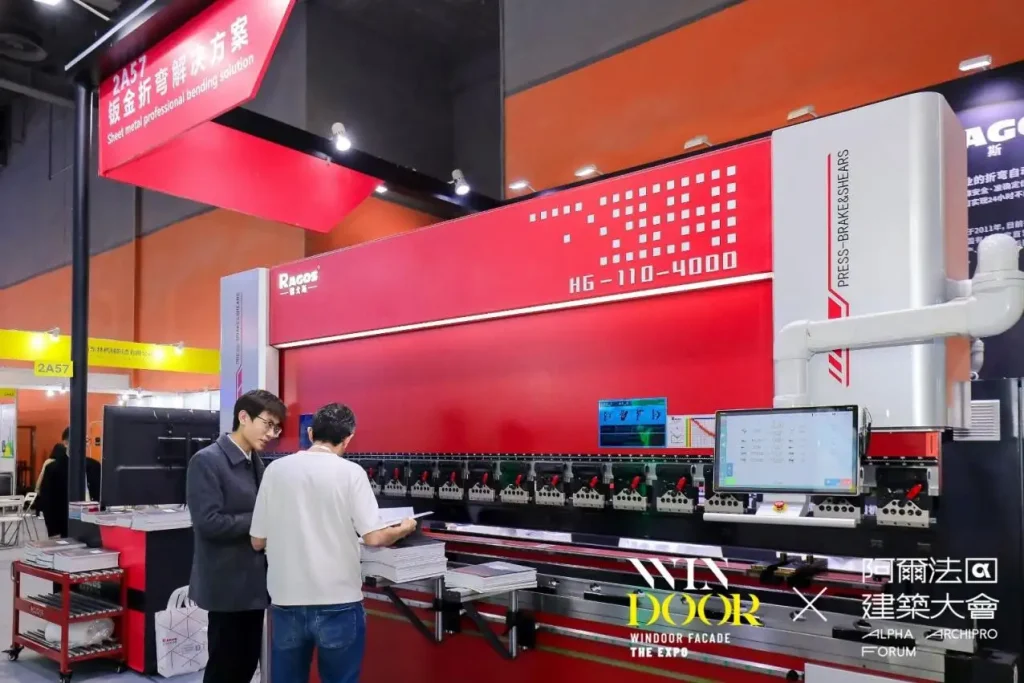
A reliable CNC Press Brake Parts Supplier should be able to discuss numbers clearly, because bend accuracy is never based on appearance alone.
One important number is tooling precision. In high-accuracy CNC bending, repeatability is often expected within about 0.01 to 0.02 mm, especially where part consistency is critical. Another practical point is tooling size. With standard lengths such as 835 mm, 415 mm, and 100 mm, tooling can be combined more flexibly to suit different bending lengths and production needs. Tonnage capacity also matters. Smaller V-dies in the 6 to 10 mm range may support around 50 tons per meter, while larger V-dies above 100 mm can exceed 200 tons per meter. These values must be matched carefully with both machine capacity and material thickness to avoid tool damage or inaccurate bends.
A Simple Selection Principle
JS RAGOS also recommends a practical tooling rule for many mild steel applications: the Rule of 8, which matches V-die opening to material thickness as a starting point for selection. Stainless steel commonly requires a higher multiplier because it resists forming more strongly and recovers more after the bending process.
This kind of practical rule helps buyers shift from rough estimation to more informed tooling decisions.
Maintenance And Safety Also Matter In Bend Quality
Even premium tooling will not perform well if it is worn, dirty, or handled in the wrong way.
Frequent cleaning helps remove debris that may reduce seating precision. Proper lubrication and rust prevention help maintain tooling condition. Re-sharpening should be planned early, before serious edge wear affects bending results. These maintenance habits directly support stable bend results and longer tool life.
Safety should also be part of tooling management. TRUMPF's operator documentation warns operators not to place hands between upper and lower tools during motion and stresses the use of personal protective equipment around sharp-edged workpieces. Good safety discipline protects people, but it also protects the process because damaged tools and rushed setups often create quality problems.
Choose JS RAGOS As Your CNC Press Brake Parts Supplier
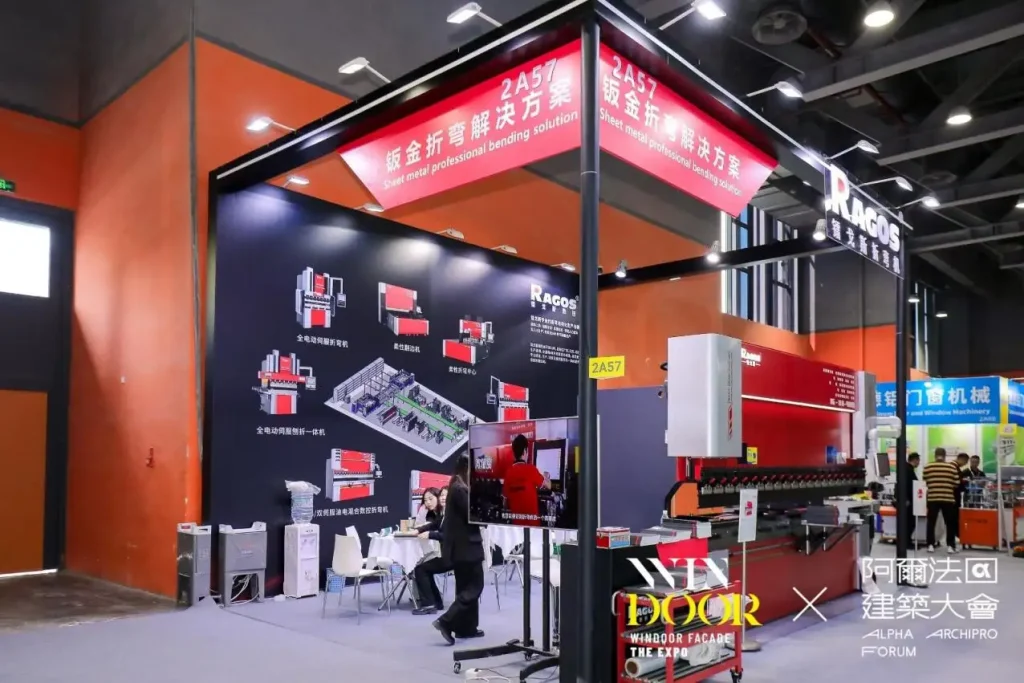
Choosing a CNC Press Brake Parts Supplier should not be reduced to price alone. The better question is whether the supplier can help you bend more accurately, set up faster, and maintain quality across different jobs.
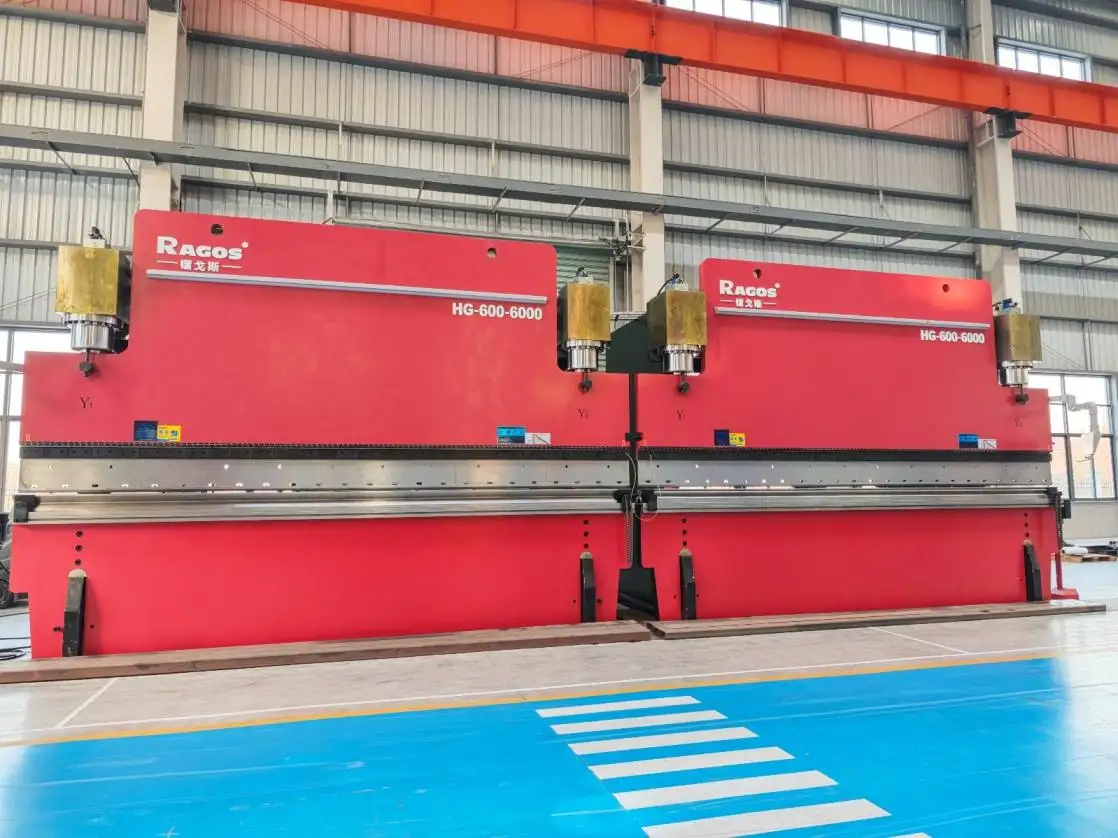
JS RAGOS combines hands-on press brake expertise with tooling support built around practical application needs. We offer press brake configurations from 40T to 600T, while our tooling services are structured around practical bending requirements instead of standard product listings alone. Since 2011, JS RAGOS has concentrated on intelligent sheet metal equipment and support for international manufacturing operations.
For teams seeking better angle repeatability, improved surface quality, and tooling aligned with real production tasks, this is a valuable time to review the current setup approach.
CTA: Contact JS RAGOS to discuss your parts, materials, and machine standard. Our team can assist you in choosing the right punches, dies, and segmented tooling options to improve bending consistency and minimize production waste.
For broader technical reference, readers may also review tooling guidance from major industry sources such as TRUMPF and Bystronic.