

CNC板金機械: プレスブレーキ技術が現代の製造業にどのように到達したか
CNC板金マシンは、製造業者が金属部品をより正確に曲げることができるため、現代の製造の中核となっています, 再現, and production control than earlier manual methods ever could. In today's market, buyers do not only look at tonnage or frame size. They also care about programming speed, bend consistency, operator safety, and whether a machine can support long-term production growth.
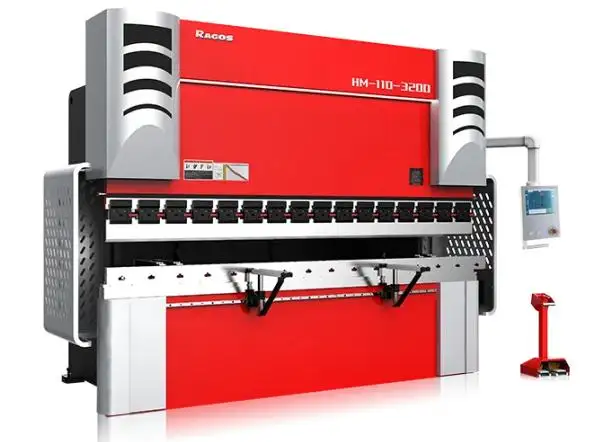
Because of this, the history of development of press brakes is important, as it shows the evolution of metal bending, from simple hand operated methods, up to complex computer controlled systems in factories today. The journey is also important to overseas clients because it clarifies the reasoning behind the newer equipment and the CNC technology becoming a dominant feature in serious sheet metal production.
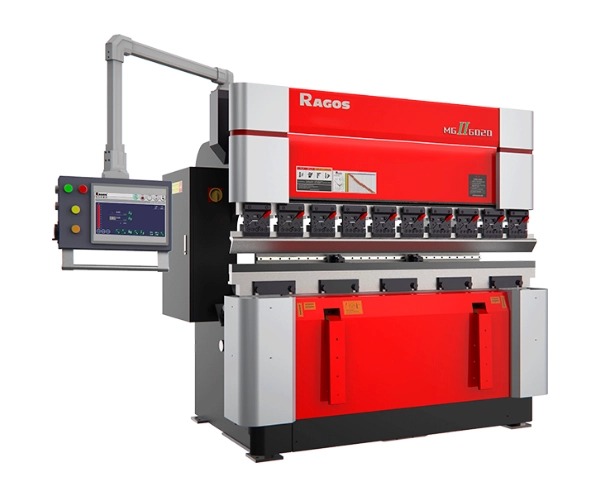
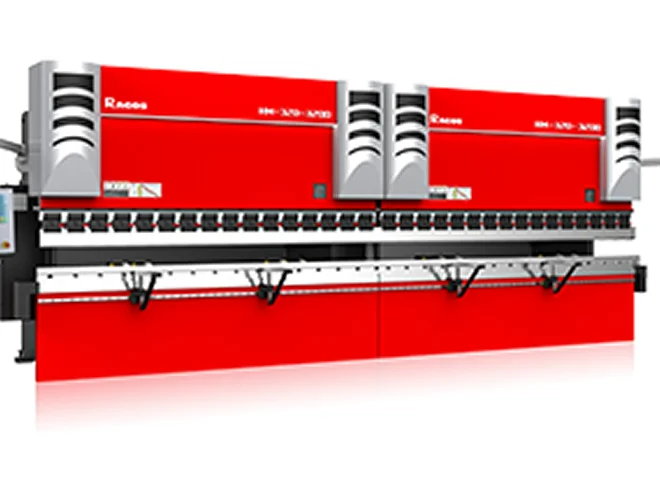
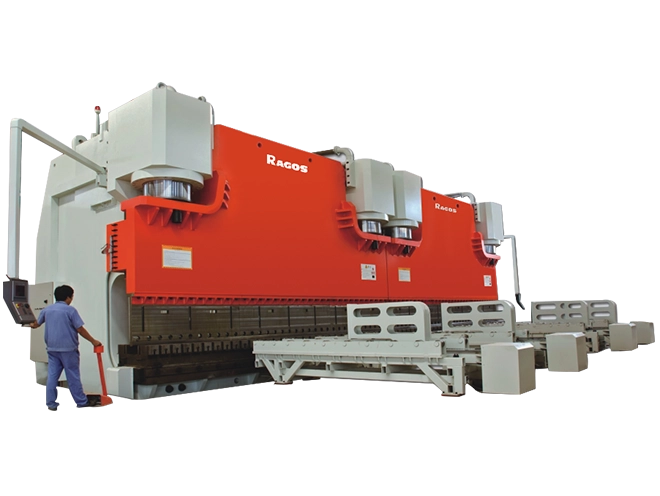
何だって ある Press Brake Signifies Today
Simply put, a press brake is a machine used to bend sheet metal to a specific angle or geometric configuration. The machine functions by pushing the material between a punch and a die. While that basic idea has stayed the same for decades, the machine itself has changed dramatically.
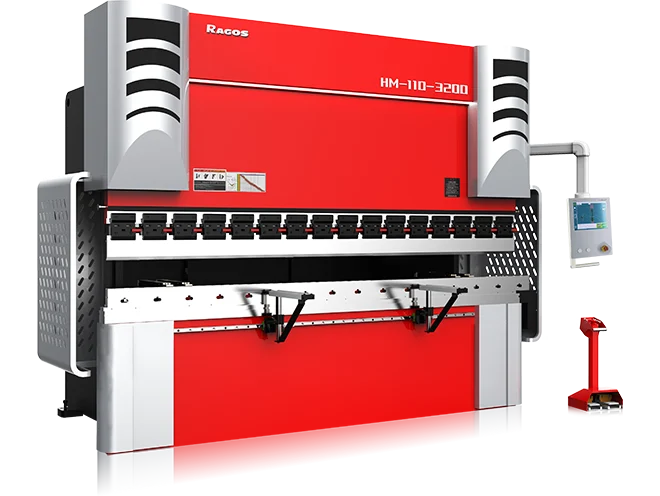
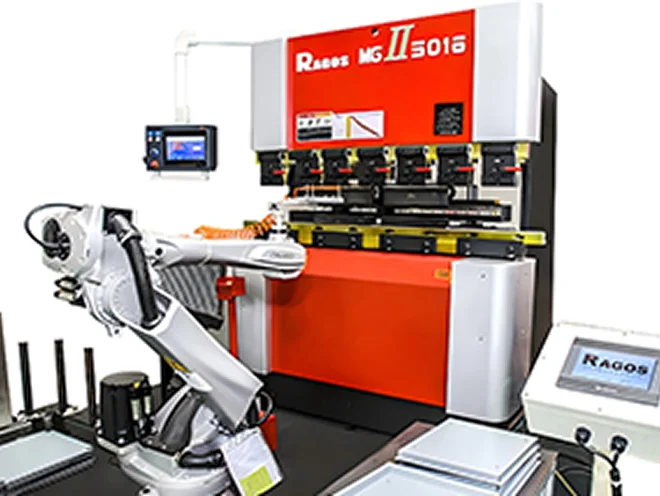
A modern CNC Sheet Metal Machine is no longer just a force-based bending tool. It is part of a broader production system that combines:
• Precise ram control
• Programmable backgauge movement
• Repeatable angle correction
• Faster setup for multiple part types
• Better safety for daily operation
This is why press brakes remain important in industries such as electrical cabinets, automotive components, machinery parts, construction products, エレベーター, エンクロージャ, およびカスタム金属製造.
ここで the Idea またはf Pressing あるnd Bending Began
The language around press brakes reflects the machine's function. The word "press" has long been connected with applying pressure or force. 時間をかけて, that meaning naturally moved into industrial manufacturing, where force was used to shape materials in a controlled way.
用語 "ブレーキ" is older and is often linked to tools used for breaking, shaping, or forcing material into a new form. In sheet metal work, the word did not mean stopping motion in the automotive sense. It came to describe the action of bending material along a straight line.
That combination of controlled pressure and shaped bending is what gave rise to the press brake concept.
Before CNC: Metal Bending Was Manual あるnd Time Intensive
A long time ago, craftsmen used hand-tools to shape and form different sheets of materials. Craftsmen needed to use their skill to bend and shape in different ways sheets, and form them into shape. Manual bending may bend and shape quickly, but to do that more time would need to be spent to do that. Each part produced would be different, and the bending and shaping would take more time.
Some limitations presented by these methods are:
• Low design and production speed
• Inconsistent bend, break and crease angles
• Lack of control operator skill
• High difficulty in handling repeat orders
• Increased labor throughout
しかし, these methods laid the groundwork for future hand bending and breaking machines.
Technological Innovations あるnd the Cornice Brake
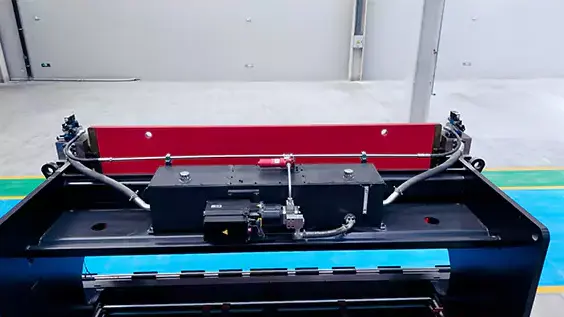
The cornice brake was one of the first breakthroughs in the bending of sheet metals. It was developed in the late 1800s and was the first machine to bring uniformity to the sector of sheet metal work for simple line bending. It was manually operated, but it introduced a more structured way to clamp material and form cleaner bends.
The cornice brake was not the same as a modern CNC press brake, yet it mattered for one reason: it helped move bending work away from fully manual shaping and toward machine-assisted forming.
そこから, other machine types developed, including folding machines, pan brakes, and more advanced mechanical bending equipment. Each of these tools improved productivity, though they still lacked the flexibility and precision expected in modern fabrication plants.
When the Press Brake Took Shape あるs あるn Industrial Machine
By the early 20th century, dedicated press brake designs began to appear. In the 1920s, the press brake became more clearly defined as a machine for bending metal through mechanical power rather than hand force alone.
That transition was important because it marked the shift from craft-based bending toward industrial manufacturing logic. Instead of just using operator strength and manual positioning, companies started developing systems that could exert force in a more consistent and scalable way.
As press brakes have started to become standard tools in shops, early models certainly seem basic. They could do fairly simple bends, and offered little in the way of control, 柔軟性, or the ability to make precision corrections.
During this time frame, the press brake distinguished itself as a basic production instrument, rather than a simple shop tool.
The Switch from Mechanical to Hydraulic Systems
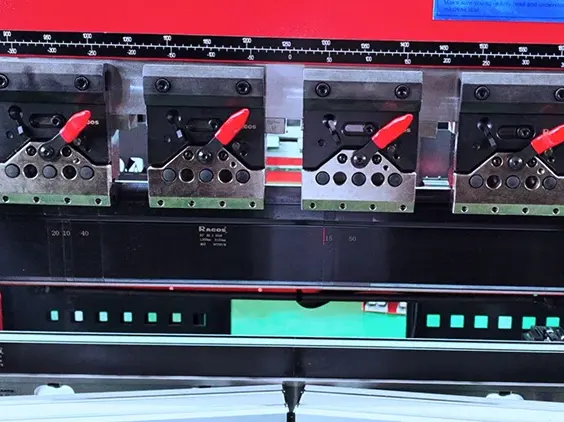
The introduction and refinement of hydraulic systems was the greatest event in the history of press brakes. With each advancement in bending force and ram control came the ability to work with ever tougher materials.
When compared to older mechanical designs, hydraulic press brakes offered advances in:
• Better operational smoothness
• Sharper bending power
• Greater stroke control
• Better response to varying sheet thicknesses
• Increased operational reliability and volume
This evolution fueled the ever-increasing demand for press brakes in industrial fabrication. With increasing demands placed by factories for higher output and tighter tolerances, hydraulic systems provided a viable solution.
How CNC Changed Sheet Metal Bending
The biggest turning point came with computer numerical control. Once CNC entered press brake design, the machine was no longer defined only by its structure or power system. It became a programmable production asset.
A CNC Sheet Metal Machine allows operators to store bending programs, repeat part dimensions with less guesswork, and reduce setup errors across production runs. This is especially valuable when factories handle both small-batch custom work and repeat volume orders.
The modern CNC system has simplified the bending process in terms of controlling:
• The depth of the ram;
• Repeatability of the bending angle;
• Positioning of the back gauge;
• Segmentation of the bending sequence;
• Consistency of the parts in the series.
顧客の視点から, CNC is worth the investment because the need for trial and error is significantly reduced, making the production process more predictable.
Safety and efficiency have always been intertwined in the design of these machines.
As the speed and power of press brakes increased, the need for safety increased. Over the years, manufacturers have developed better operator protection systems, as well as better guarding, センシング, and control system logic.
Along the same lines, efficiency has always been the driving factor. Factories have always demanded precision without unnecessary energy consumption, high maintenance requirements, and long set-up times. This has driven the development of more sophisticated control systems, servo-drive systems, and better machine integration.
今日, a serious buyer usually evaluates more than forming force alone. They also look at:
• Control interface usability
• Safety system quality
• Energy efficiency
• Maintenance accessibility
• Long-term production reliability
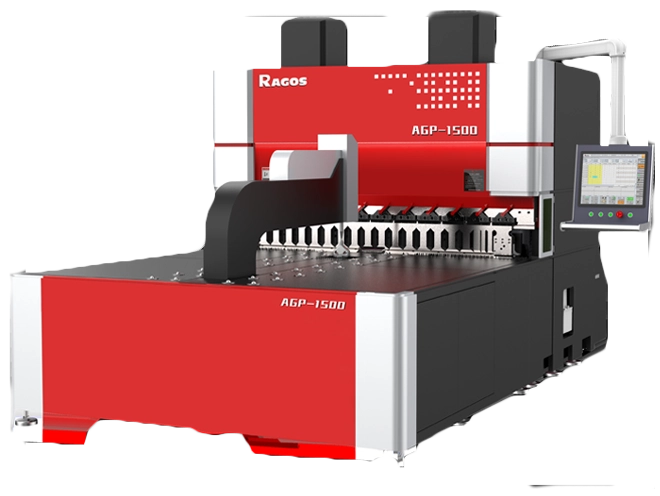
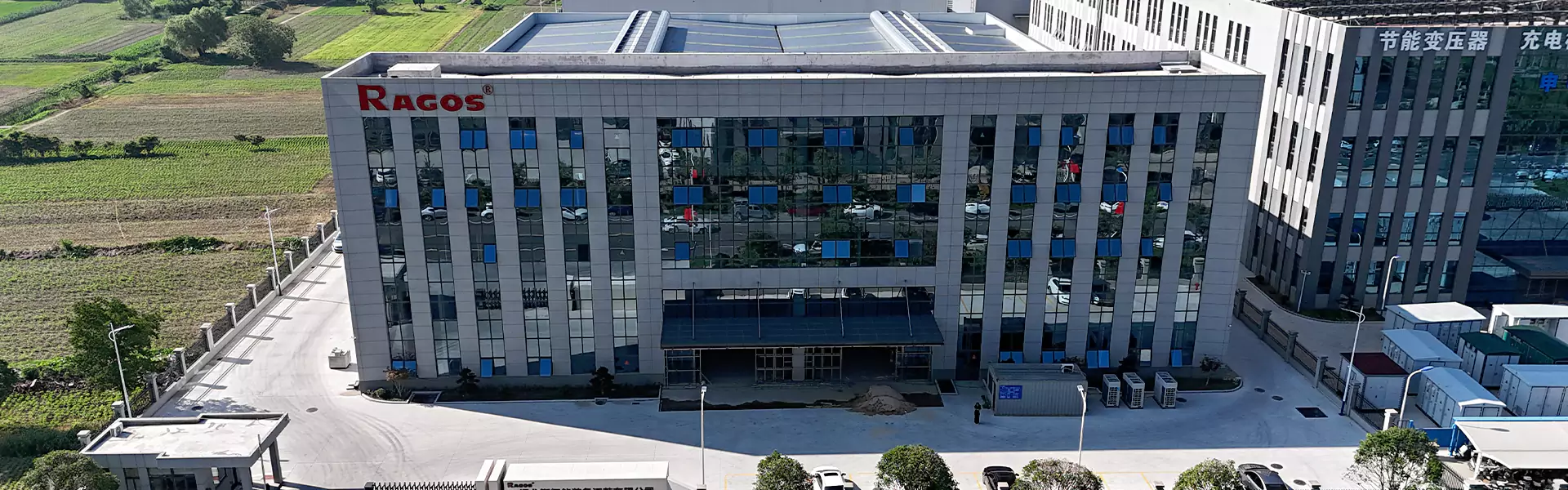
How JS RAGOS Supports Modern CNC Sheet Metal Production
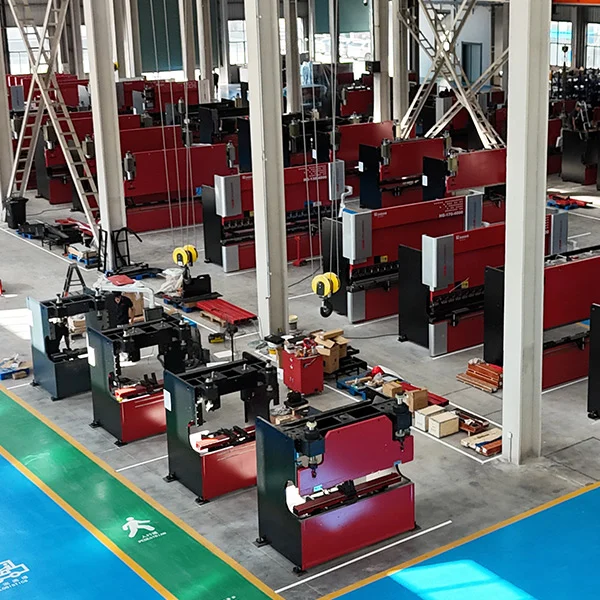
JSラゴスにて, press brake development is closely tied to what fabricators actually need on the shop floor: 精度, 再現, practical control, and dependable output. A modern CNC Sheet Metal Machine should not only bend material. It should help customers reduce setup waste, improve finished-part consistency, and adapt to a wider range of production tasks.
That is why JS RAGOS focuses on machine solutions that align with today's fabrication demands, including advanced control options, stable structural design, accurate axis coordination, and production-ready performance for sheet metal manufacturers serving competitive markets.
買い手のために, this matters because machine value is measured over years of operation, not only on installation day.
結論
The history of the press brake is really the history of better control in sheet metal forming. What began as manual bending work gradually evolved into mechanical systems, then hydraulic platforms, and finally into the programmable CNC equipment that drives modern fabrication today.
For any manufacturer aiming to improve accuracy, 再作業を減らす, and support efficient metal processing, a CNC Sheet Metal Machine represents more than a machine category. It represents the result of decades of progress in bending technology.
And for companies like JS RAGOS, that progress continues to shape how better sheet metal solutions are built for the next stage of manufacturing.