

Delem Controlled Bending Machine: Full Buyer's Guide to CNC Press Brake Systems
A Delem controlled bending machine is the standard choice for sheet metal shops that need precise, repeatable bends — and it's easy to see why. Delem CNC controllers are purpose-built for press brakes, giving operators tight angle control, automated sequencing, and a touch screen interface that significantly cuts setup time. Whether you're equipping a new fabrication line or upgrading an existing press brake, understanding how Delem-controlled machines work will help you make a better buying decision.
This guide covers the controller models, machine selection steps, real-world applications, and what to look for in both the controller and the machine itself.
What Is a Delem Controlled Bending Machine?
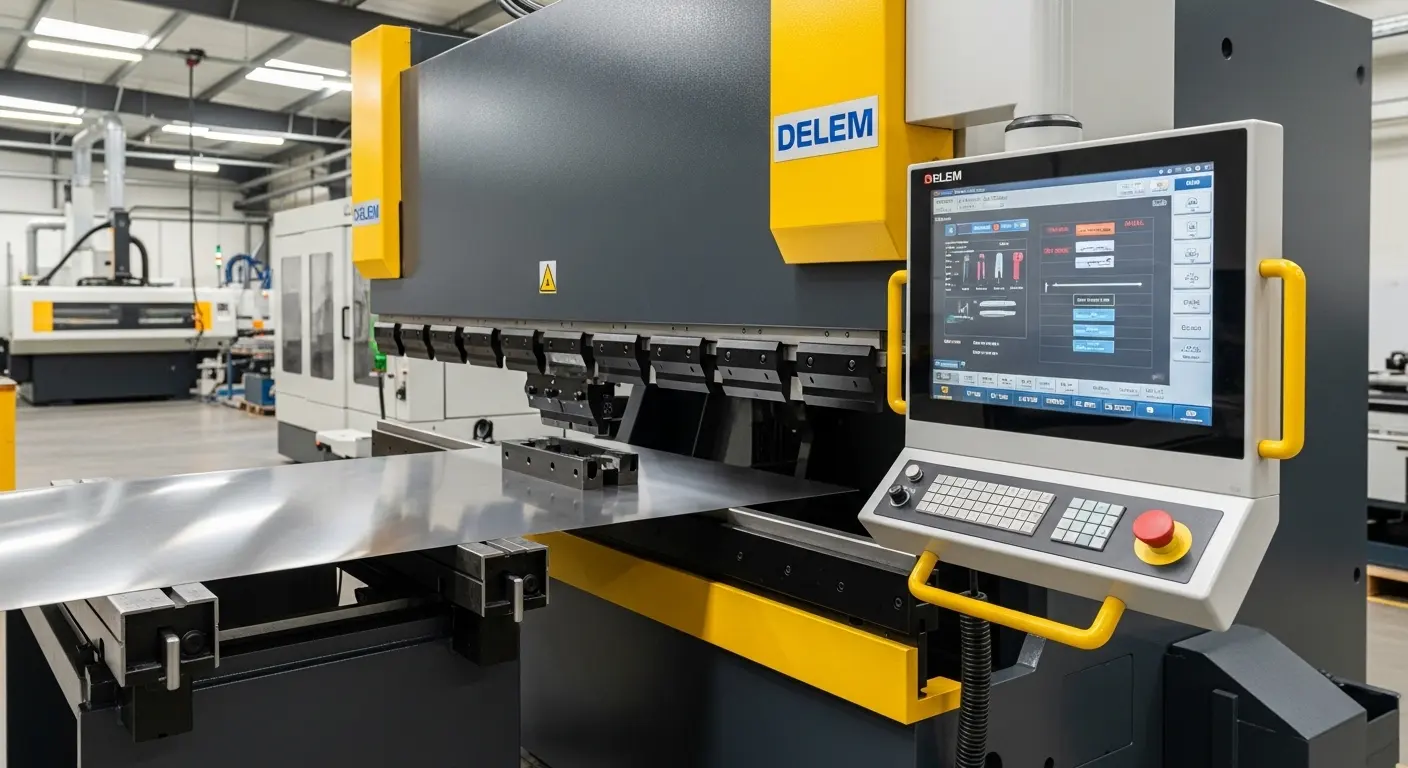
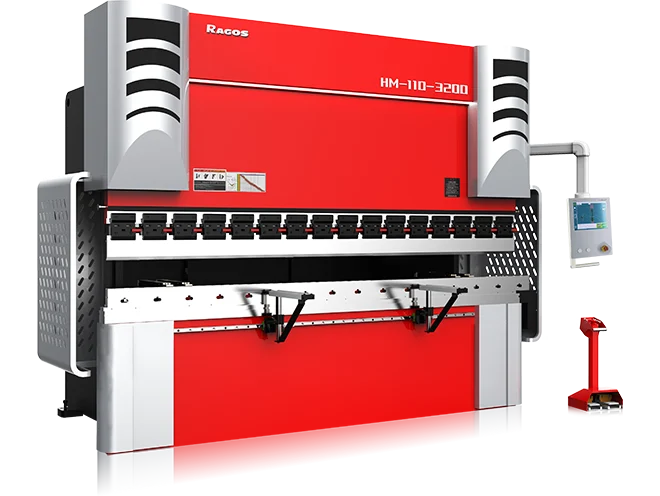
A Delem controlled bending machine is a CNC press brake that uses a Delem controller — a specialized software-hardware system from Delem, a Netherlands-based company — to manage axis movement, bend angles, back gauge positioning, and production programming.
The controller acts as the brain of the press brake. It coordinates every movement the machine makes: how far the ram travels, how the back gauge positions material, when the bend completes, and what correction to apply if the angle drifts. All of this happens through a high-resolution touch screen that operators use to program, simulate, and run production.
At its core, a Delem controlled bending machine gives fabricators:
- Angle accuracy as tight as ±0.03 mm
- Automated bend sequence calculation
- Real-time error correction and feedback
- 2D or 3D graphical simulation (model-dependent)
- USB connectivity and offline software integration
Delem controllers are installed on press brakes by dozens of manufacturers globally. That wide adoption means the platform is well-documented, widely serviced, and trusted in demanding production environments.
Why Manufacturers Choose a Delem Controlled Bending Machine
The key reason fabricators specify Delem: consistency at scale. When you produce hundreds or thousands of identical bent parts, any variation in angle or positioning creates scrap, rework, and costly delays. A Delem controlled bending machine removes most of that variation by automating what used to rely entirely on operator skill and experience.
Here's what drives adoption:
Precision and repeatability – Delem's advanced Y-axis control algorithms synchronize ram movement on both sides of the machine, preventing uneven bends. You get the same result on part 1 and part 1,000.
Reduced setup time – Operators load saved programs, simulate bends on-screen, and detect tool collisions before the machine moves. In shops with frequent job changes, that alone justifies the investment.
Ease of use – Graphical touch interfaces make Delem controllers accessible to newer operators. The learning curve is shorter than most older or generic CNC systems.
Scalability – Delem's Modusys architecture lets you add control modules as your production needs grow. You're not locked into a fixed configuration.
For shops that need a reliable CNC press brake bending machine with long-term support and upgrade paths, Delem-controlled systems consistently deliver.
Delem Controller Models: Which One Fits Your Delem Controlled Bending Machine?
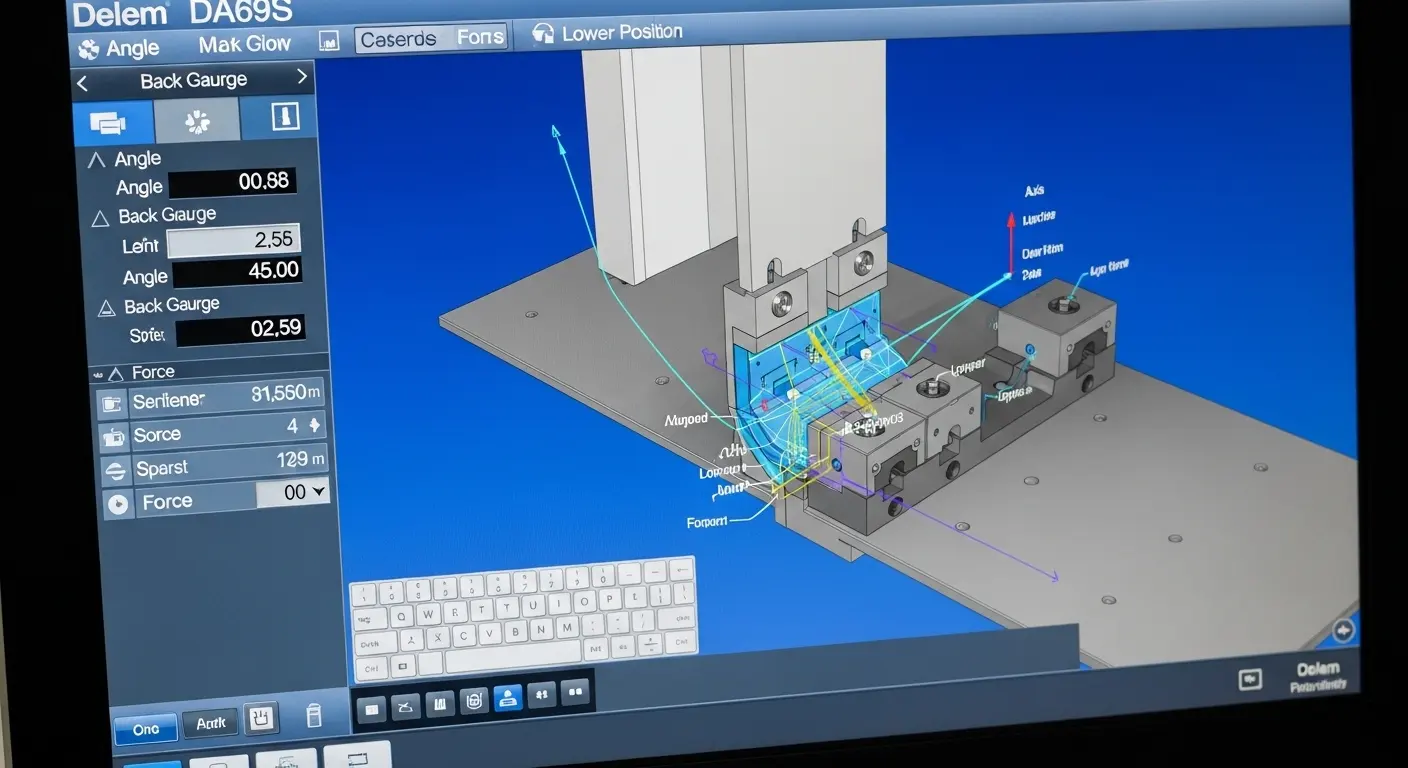
Not all Delem controlled bending machines are built the same. The controller model determines what the machine can do — axis count, programming depth, simulation capability, and automation level. Here's a practical breakdown of the main models.
DA53T / DA53Tx — Entry-Level Precision
The DA53T features a 10.1" touch screen and controls up to 4 axes (Y1, Y2, plus two auxiliary). The DA53Tx upgrades that to a 15" display with a cleaner navigation layout. Both are straightforward, cost-effective controllers built for standard bending work.
If you're starting with a 3-axis press brake with Delem control, the DA53T series is a natural match.
Best for: Basic-to-moderate bending, cost-conscious buyers, operators new to CNC press brakes.
DA66S — Mid-Range 2D/3D Capability
The DA66S runs a 24" touch screen and supports both 2D and 3D graphical programming. Operators can visualize the full machine setup in 3D before production starts, catching tooling conflicts and positioning errors in simulation. It also supports Delem Modusys for future module expansion.
Best for: Mixed production environments, shops running both simple and complex parts, growing fabrication lines.
DA69S / DA69T — Advanced Multi-Axis Performance
The Delem DA69S press brake controller is Delem's most capable option, supporting up to 8+1 axes with full 3D simulation, adaptive bending, sensor feedback, and automatic collision detection. The DA69T builds on that with an even larger screen format and additional hardware capabilities.
For shops running an 8-axis CNC press brake with Delem DA69T, this is the controller that unlocks the machine's full potential.
Best for: Complex geometries, high-volume precision work, aerospace and automotive fabrication.
| Model | Screen | Axes | Programming | Best Application |
|---|---|---|---|---|
| DA53T | 10.1" | 4 | Standard | Basic bending |
| DA53Tx | 15" | 4 | Standard+ | Mid-size shops |
| DA66S | 24" | Multi | 2D + 3D | Complex production |
| DA69S | 24" | 8+1 | Full 3D + Adaptive | Advanced fabrication |
| DA69T | 24"+ | 8+1 | Full 3D + Sensor | High-precision work |
How to Select the Right Delem Controlled Bending Machine
Choosing a Delem controlled bending machine isn't just about picking the most powerful controller. It's about matching the system to what your shop actually produces day to day.
Step 1: Define your bending complexity
For simple brackets and panels, a DA53T-based machine is more than adequate. For parts with 6+ bends and tight tolerances, you'll want at least a DA66S or DA69S.
Step 2: Count the axes you need
More axes mean more automation. A 100-ton CNC press brake with Delem DA53T handles standard steel fabrication well. A higher-axis machine automates back gauge movement, crowning, and more — worth it for high-mix production.
Step 3: Consider your operator experience level
Delem touch screens are intuitive, but the DA69S has considerably more features to learn. Starting with a simpler controller and upgrading later is a realistic and cost-effective path for growing shops.
Step 4: Match tonnage to your material
A 100-ton CNC press brake for steel handles moderate-duty bending reliably. For thicker plate or stainless, make sure the machine tonnage matches what the controller is designed to manage.
Step 5: Confirm offline software compatibility
Delem includes offline programming software with each controller tier — Profile-T for the DA53 series, Profile-S2D for the DA66S, and Profile-S3D for the DA69S. Make sure your programming team can use these tools off the shop floor to keep the machine running during job prep.
The Machine Behind the Controller: What the Press Brake Itself Needs
A Delem controller performs only as well as the machine it's installed on. A Delem controlled bending machine needs a structurally sound frame, precision backgauge, and quality hydraulics to fully deliver on the controller's capabilities.
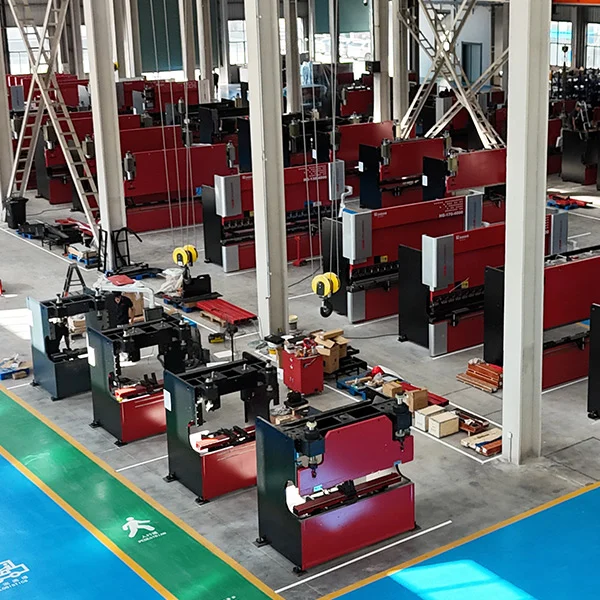
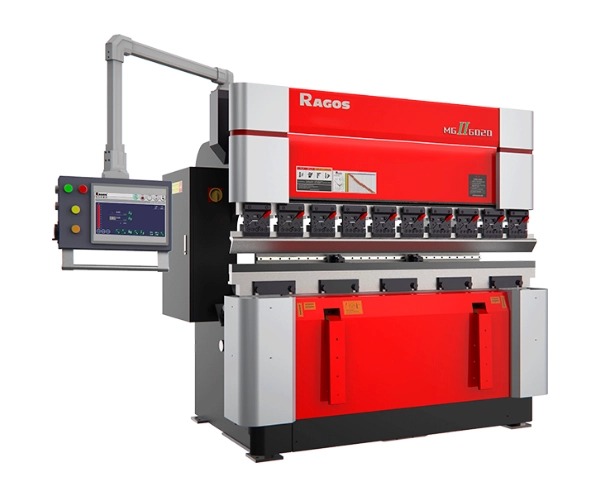
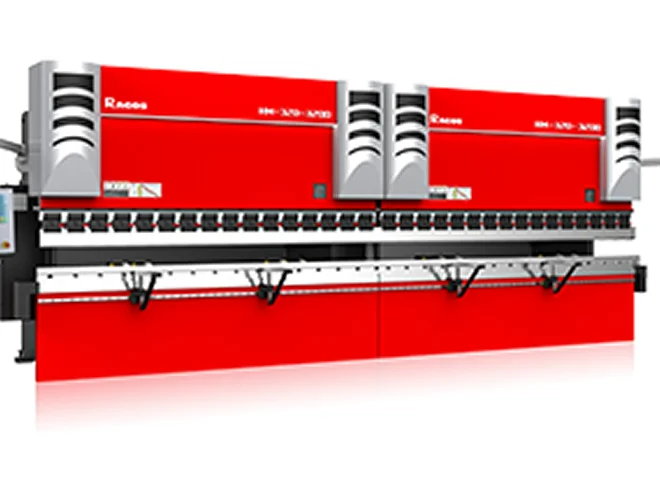
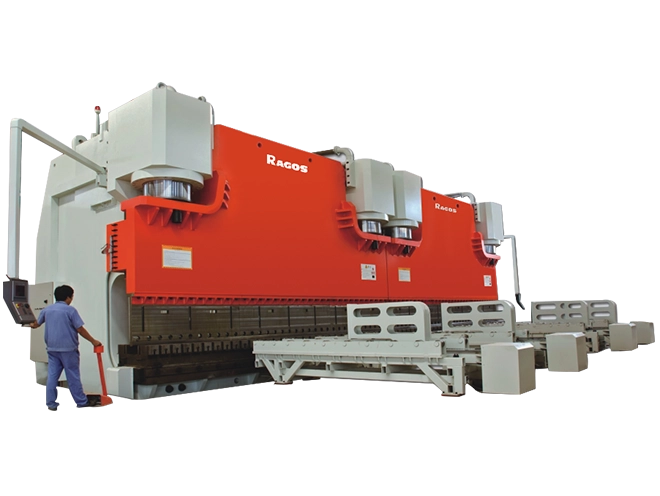
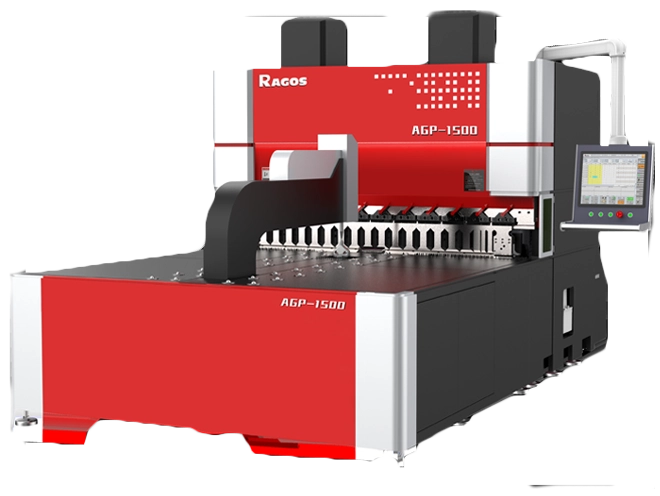
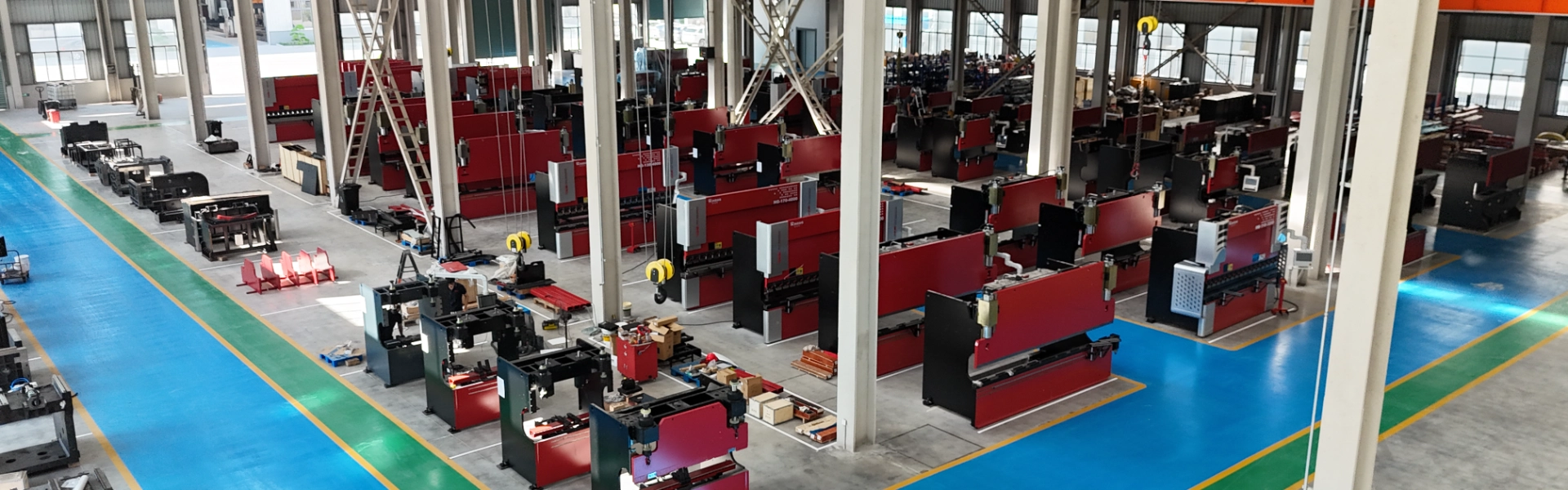
At JS RAGOS, every press brake frame goes through stress-relief heat treatment and CNC machining on all critical mounting surfaces. That structural preparation is what keeps bending angles consistent across thousands of production cycles — not just the first few. The machines support Delem controllers across their full lineup, including the electric press brake range for energy-conscious operations.
Key machine features to pair with any Delem controlled bending machine:
- High-strength welded frame — reduces flex under load, essential for angle consistency
- Ball screw backgauge with linear guides — needed to hit the ±0.03 mm positioning accuracy Delem systems are built for
- Servo-hydraulic synchronization — works directly with Delem's Y-axis algorithms for even ram control
- Broad tooling compatibility — Wila, Amada-style, and European tooling systems all work with Delem-equipped press brakes
Delem Controlled Bending Machine: Industry Applications
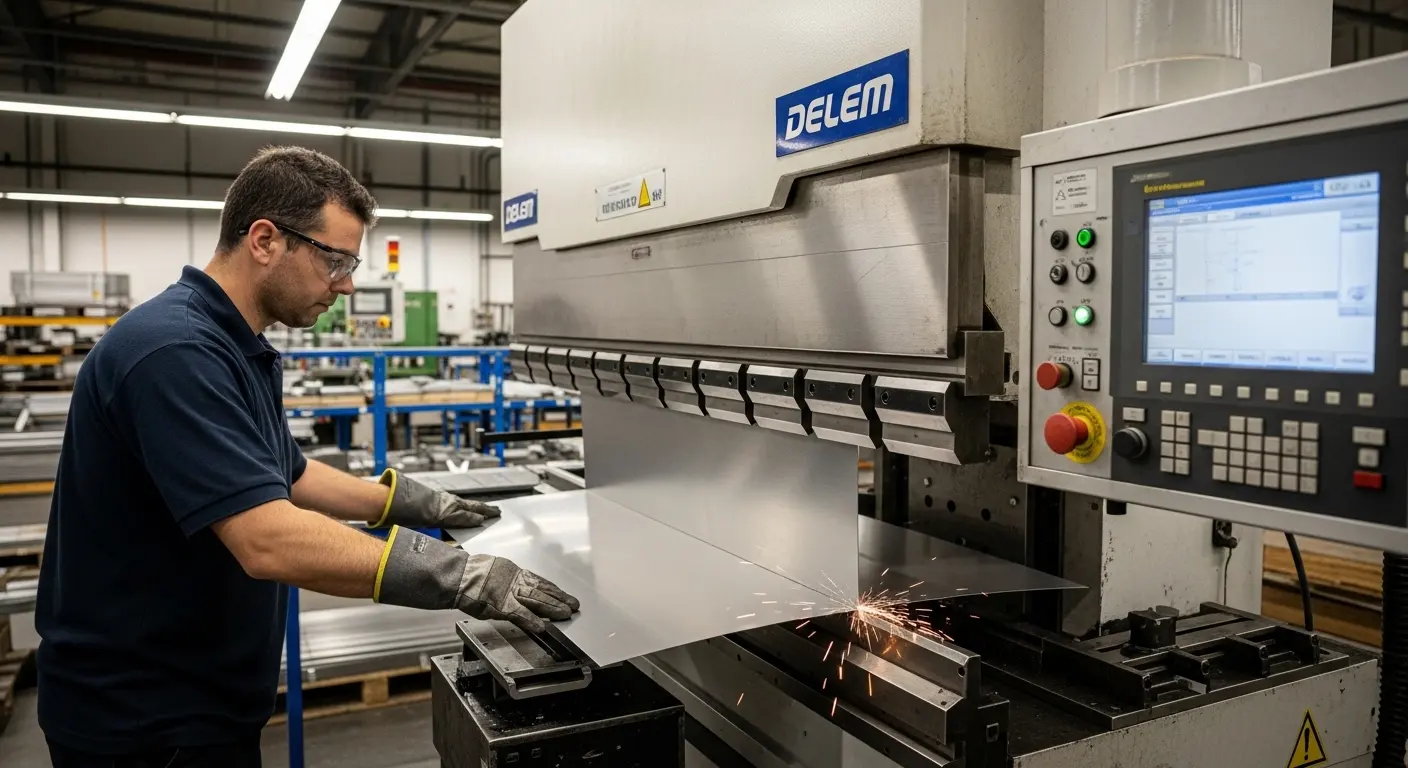
The flexibility of a Delem controlled bending machine makes it practical across a wide range of production environments.
Automotive — Chassis brackets, body panels, and structural components need exact repeatability at volume. Delem controllers handle high-cycle production with consistent output run after run.
Aerospace — Tight tolerances on thin aluminum or titanium sheet demand real-time sensor feedback and adaptive correction — features built into the DA69S and DA69T.
Cabinet and enclosure manufacturing — Frequent job changeovers are standard in this sector. Delem's stored program library and fast setup features cut per-job cycle time significantly.
Construction and structural steel — Thicker plate and heavier materials require a high-tonnage machine. A Delem controlled bending machine at 100 tons or above handles plate work for beams, frames, and structural brackets with full CNC control.
Medical device manufacturing — Small, complex parts with tight geometry benefit from 3D simulation and collision detection before production begins. The DA69S is a common choice here.
For a closer look at what defines the best setup for your production type, the guide on best CNC press brake machines covers key specifications in detail.
What Sets a Delem Controlled Bending Machine Apart from Generic CNC Systems
Many press brakes ship with basic or proprietary controllers that get the job done but lack the software ecosystem Delem has built. A Delem controlled bending machine gives fabricators access to features that generic systems simply don't offer:
Offline programming — Program jobs at a workstation, not on the shop floor. That keeps the machine running production while the next job is being prepared.
3D collision detection — The controller checks tool paths in simulation before the press moves. That prevents costly tool-machine collisions and wasted setups.
Sensor bending — Select DA69 models use angle sensors to measure the actual bend in real time and correct automatically. Generic controllers rely on pre-set parameters with no live feedback.
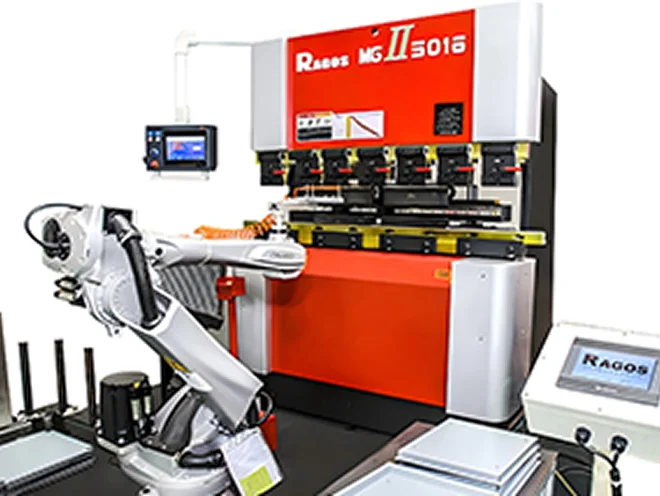
Modular expansion via Modusys — Add laser angle measurement, automated material support, or robotic interface modules without replacing the entire control system.
For fabricators starting their evaluation, a CNC bending machine with DA53T control is a strong entry point that still gives you the full Delem software environment and upgrade path.
Frequently Asked Questions About Delem Controlled Bending Machines
What is a Delem controlled bending machine?
A Delem controlled bending machine is a CNC press brake fitted with a Delem controller — a purpose-built system from the Netherlands that manages axis movement, bend angles, tooling, and production programming through a touch screen interface.
Which Delem controller is best for beginners?
The DA53T and DA53Tx are the most operator-friendly options. They use intuitive hot-key touch navigation, straightforward programming, and are well-suited for shops that need reliable CNC bending without a steep learning curve.
Can I retrofit a press brake with a Delem controller?
Yes, in many cases. Delem controllers can be retrofitted to existing machines if the hydraulic and electrical systems are compatible. A Delem-certified integrator or your machine manufacturer can confirm compatibility before you commit.
What's the difference between the DA66S and DA69S?
The DA66S handles 2D and 3D programming and works well for complex production. The DA69S adds up to 8+1-axis control, sensor bending, adaptive angle correction, and full real-time 3D simulation — making it the top-tier option for precision-critical or high-complexity work.
Is a Delem controlled bending machine worth the investment?
For shops producing consistent volumes of sheet metal parts, yes. The time saved in setup, the reduction in scrap, and the repeatability across production runs deliver measurable returns — especially compared to manually adjusted or basic CNC alternatives.