

Electrical CNC Press Brake: Key Benefits and Machine Types
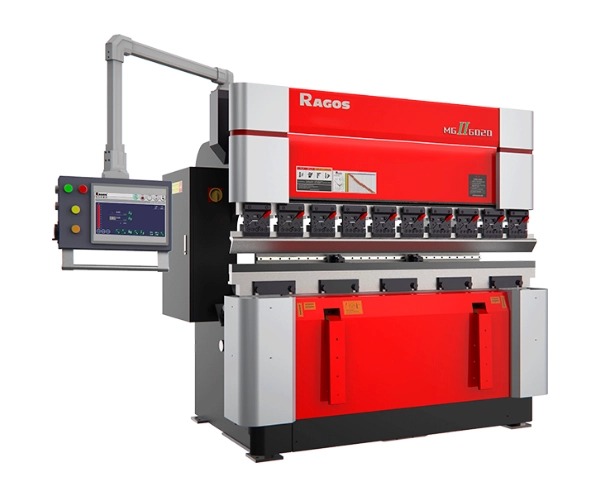
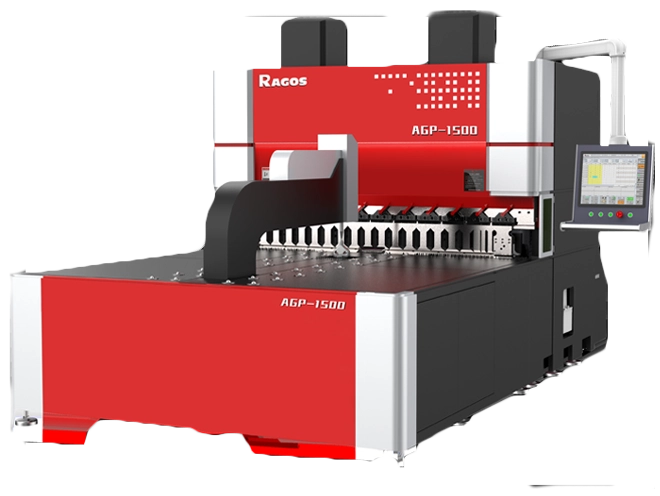
Electrical CNC Press Brake equipment is redefining how fabricators manage sheet metal bending, particularly in applications where precision, efficiency, and cleaner operation carry greater importance. At JS RAGOS, we continue to see growing attention from clients who expect more than power alone. They are seeking better machine control, lighter maintenance demands, and a clearer path toward sustained productivity. Before choosing a machine, buyers should first understand how CNC press brakes work, what separates each machine type, and where electric systems create the most value.
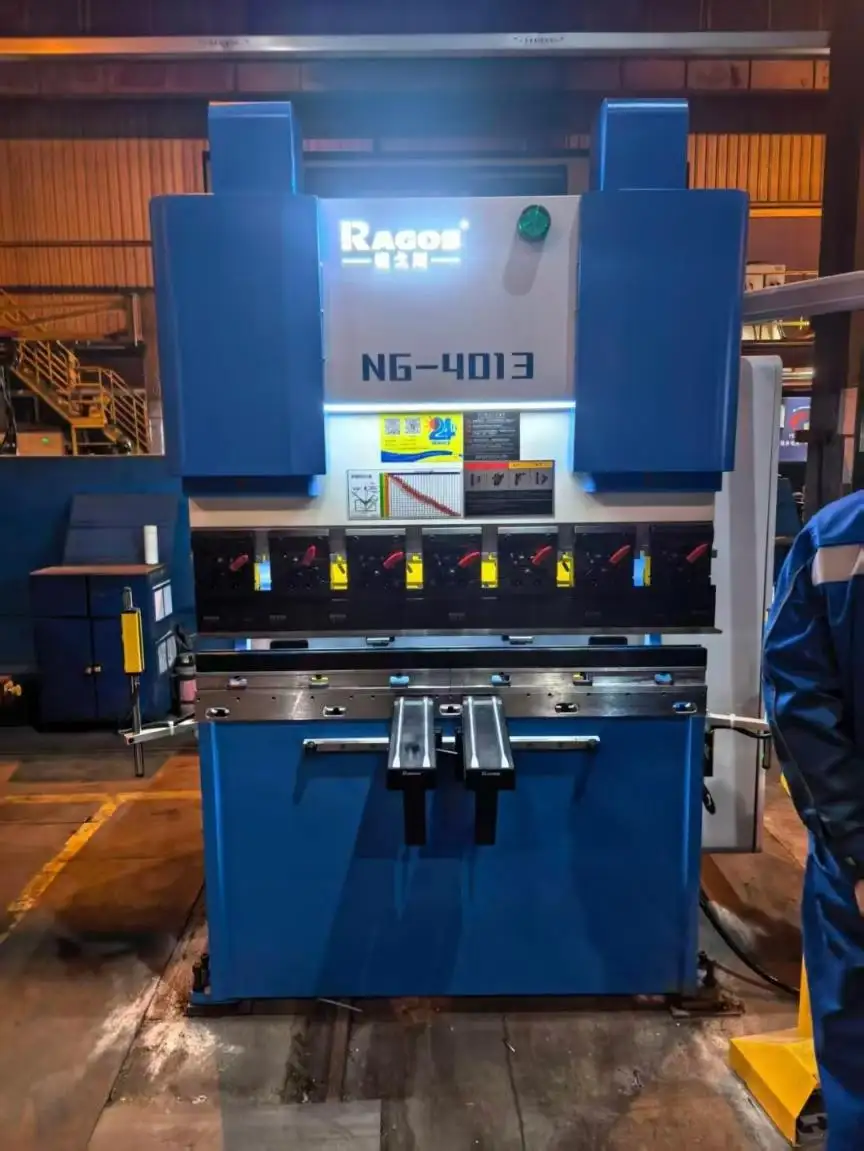
What An Electrical CNC Press Brake Does In Modern Fabrication
A CNC press brake is used to bend sheet metal and plate by pressing material between a punch and a die. The selected tooling determines the bend angle, radius, and final part shape. Because the machine is controlled by a computer system, it can produce repeatable bends with a high level of consistency, which is essential for industries that require stable part quality and efficient batch production.
From the perspective of JS RAGOS, this matters because many clients are no longer comparing machines only by tonnage. They are also evaluating ease of control, energy behavior, maintenance demands, and how well a machine fits mixed production tasks. This makes an Electrical CNC Press Brake an attractive choice, as it can achieve accurate forming without following the constant operation pattern typical of many conventional hydraulic press brakes. That operational difference is one reason electric-drive equipment continues to gain attention in precision manufacturing.
Four Main Machine Types Clients Should Understand
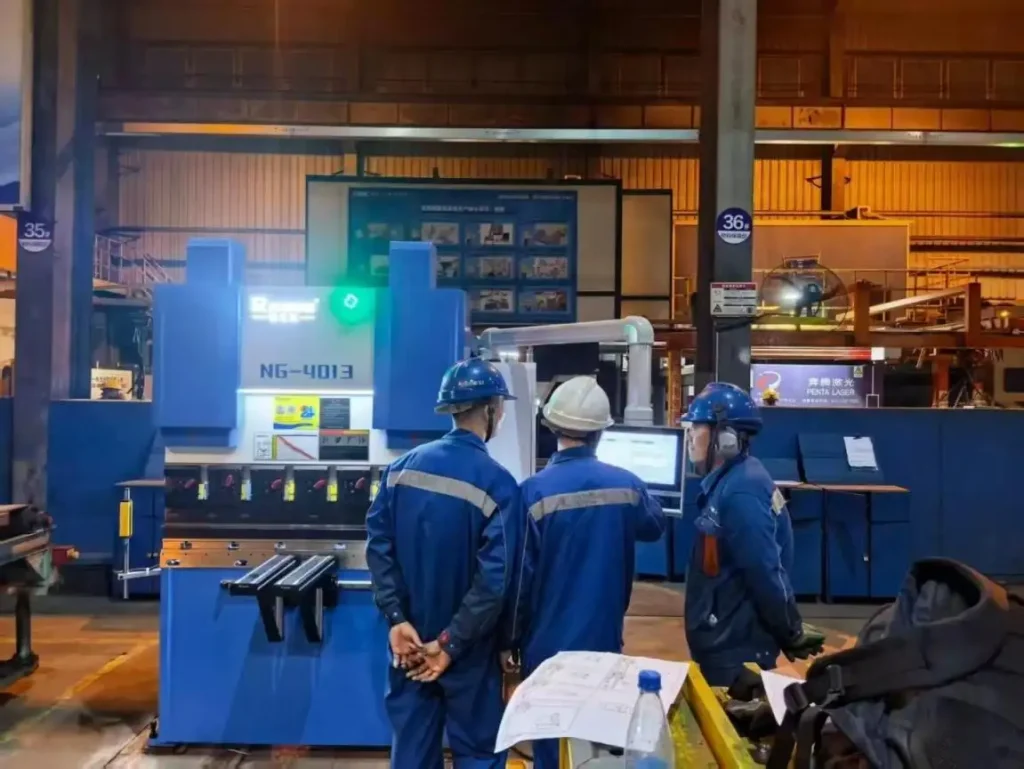
When buyers compare CNC press brakes, they usually encounter four core machine categories. Each serves a different production logic.
• Hydraulic Press Brakes
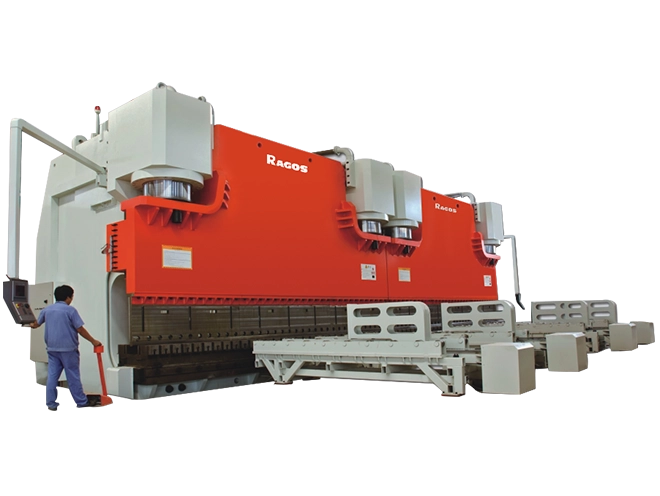
These remain a common choice for heavy-duty bending. They offer strong force output and are well suited to thicker materials, long stroke demands, and robust general fabrication work. For factories handling demanding plate applications, hydraulic systems remain highly practical.
• Press brakes for machines
Mechanical systems use stored rotational energy to deliver quick strokes. They can do well in high-speed and high-volume production, but they are not as flexible when operations need to be changed often or when there are many different part programs.
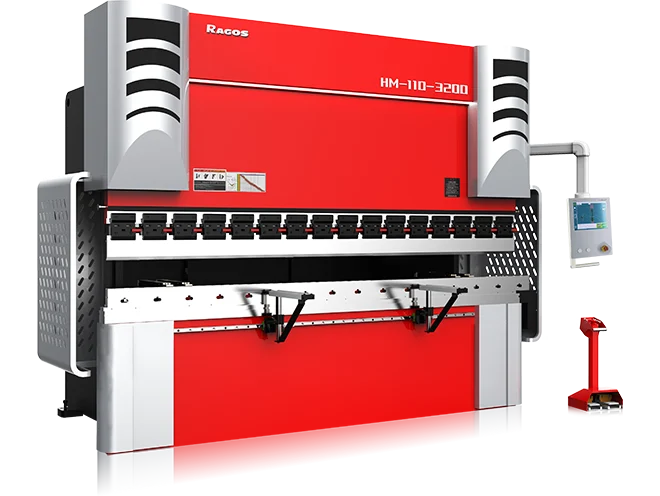
• CNC press brake systems that run on electricity
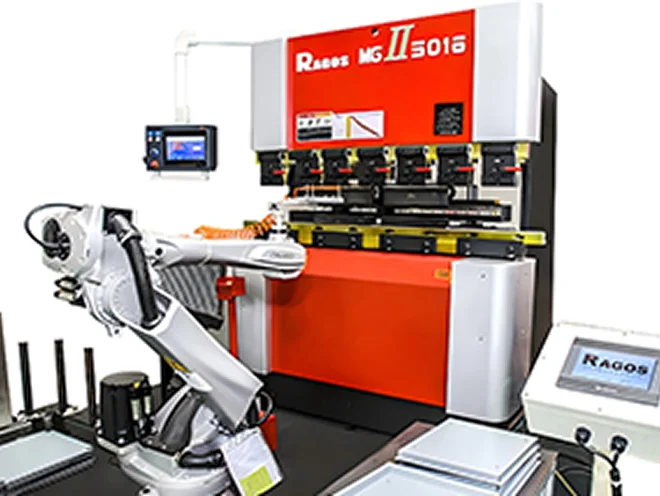
Electric machines use motors to move the ram very precisely. These systems are often preferred in production settings where energy use is important because they only use power when the machine is running, not all the time through hydraulic circulation. They are also valued for their clean operation and lower maintenance costs.
• Hybrid Press Brakes
Hybrid designs use both hydraulic power and servo-driven control logic. In real life, they want to find a way to combine the power of hydraulics with the efficiency of electric motion control.
For clients who are just starting to do research, knowing these groups is the first step toward making a better investment choice.
Why Electrical CNC Press Brake Systems Attract More Attention
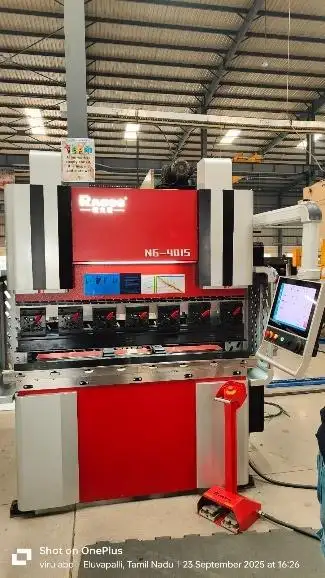
At JS RAGOS, we often recommend that clients look beyond purchase price and focus on operational value over time. This is where the Electrical CNC Press Brake stands out.
First, it supports high repeatability. For precision sheet metal parts, accuracy across repeated bends is critical. Electric drive systems are built to control movement with fine responsiveness, which helps operators maintain bend consistency in small and medium batch work.
Second, it supports better energy behavior. The U.S. Department of Energy notes that motor systems can achieve major energy and cost savings when efficient equipment and sound energy practices are applied. This does not mean every electric machine will deliver the same result, but it does confirm the broader industrial advantage of efficient motor-driven systems.
Third, it supports cleaner and simpler maintenance conditions. Without relying on a conventional hydraulic setup in the same way, electric machines reduce concerns related to oil leakage, fluid upkeep, and some wear points common in hydraulic environments. For many workshops, this improves housekeeping, service planning, and operator confidence.
Finally, it supports quieter and more controlled production in many precision applications. For manufacturers producing complex bends in smaller runs, that combination is highly appealing.
When Hydraulic, Mechanical, Electric, Or Hybrid Makes The Most Sense
No single machine type is ideal for every factory. The correct choice depends on the workpiece, the output target, and the production model.
A hydraulic press brake is usually the stronger option when the job involves thicker material, higher forming force, or broader heavy-duty applications. A mechanical press brake may still suit operations centered on repetitive, high-speed output, although it is less common in newer investment plans.
An Electrical CNC Press Brake is often the better choice when the client values:
•High precision for repeat parts
•Cleaner operation and lower routine maintenance burden
•Better suitability for smaller batches or mixed orders
•Energy-conscious manufacturing decisions
•Strong control over complex bend programs=
Hybrid machines fit manufacturers that need a balance. In fact, one official industry source states that a hybrid press brake series can reduce hydraulic oil by an average of 85% compared with traditional hydraulic systems. That figure is important because it highlights how hybrid technology is being developed to reduce fluid dependency while preserving force capability.
At JS RAGOS, we advise clients to match machine type to actual production behavior, not only to headline specifications.
How Buyers Should Evaluate An Electrical CNC Press Brake
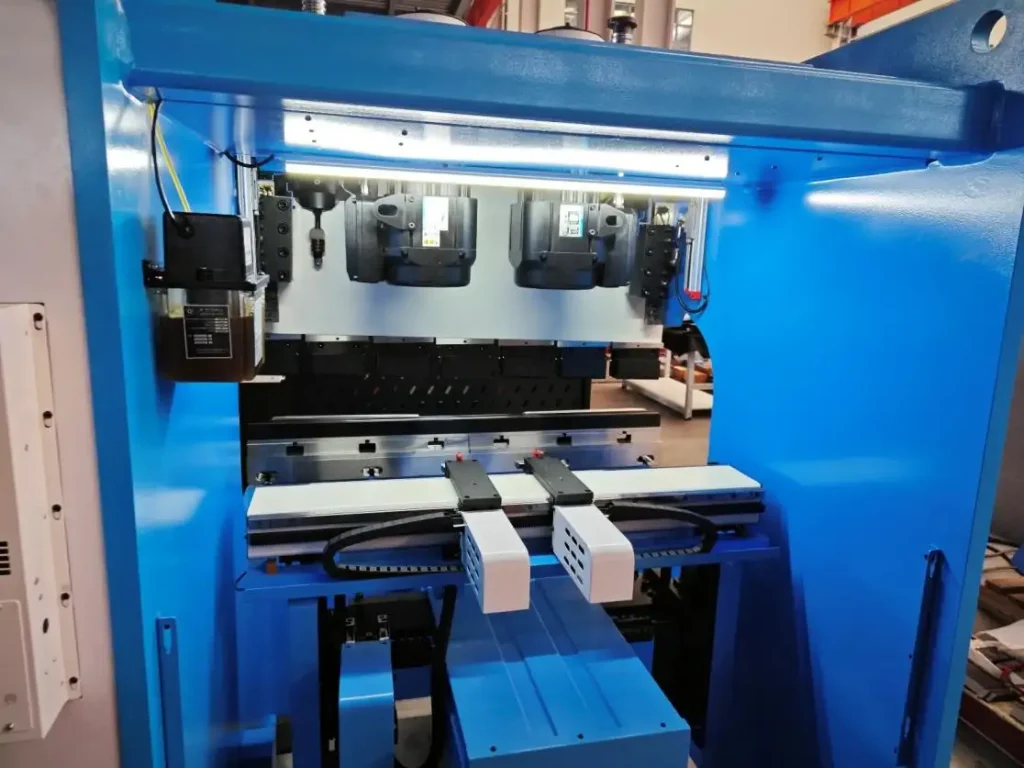
A good buying process should follow a logical sequence. The selection process should first consider application needs, then assess machine construction, and lastly compare long-term operating costs.
Core points to consider include:
•Material Range: Which thickness levels and part dimensions are expected most often?
•Precision Requirement: Does the workload consist of regular parts or intricate bending profiles?
•Production Mix: Will it serve long, repetitive runs or shorter, more adaptable order patterns?
•Maintenance Capacity: Does the factory prefer a system with fewer fluid-related service demands?
•Energy Strategy: Is lower operating waste part of the company's investment direction?
•Tooling And Control Compatibility: Can the machine support the operator's real workflow efficiently?
This evaluation logic helps buyers avoid a common mistake: choosing by tonnage alone. A machine that appears powerful on paper may not be the best fit for the real mix of part complexity, shift rhythm, and cost control goals inside the plant.
Why JS RAGOS Recommends A Long-Term Selection Strategy
At JS RAGOS, we believe an Electrical CNC Press Brake should be evaluated as a production asset, not simply as a machine purchase. The right system can improve bend quality, reduce unnecessary energy use, simplify maintenance planning, and support more stable output across changing orders. That makes machine selection a strategic decision for both growing workshops and established fabrication businesses.
For clients comparing hydraulic, mechanical, electric, and hybrid types, the most useful question is not which machine is universally best. The more practical question is which machine fits your material range, accuracy goals, and production pattern most effectively.
If your team is reviewing bending equipment for future capacity, now is the right time to compare machine types with a clear technical standard. Contact JS RAGOS to discuss your application needs, material requirements, and production goals. Our team can help you evaluate the right CNC press brake configuration for a more efficient and competitive fabrication process.