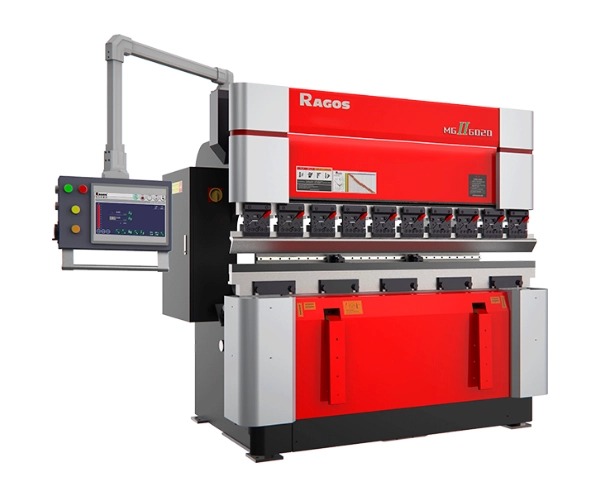
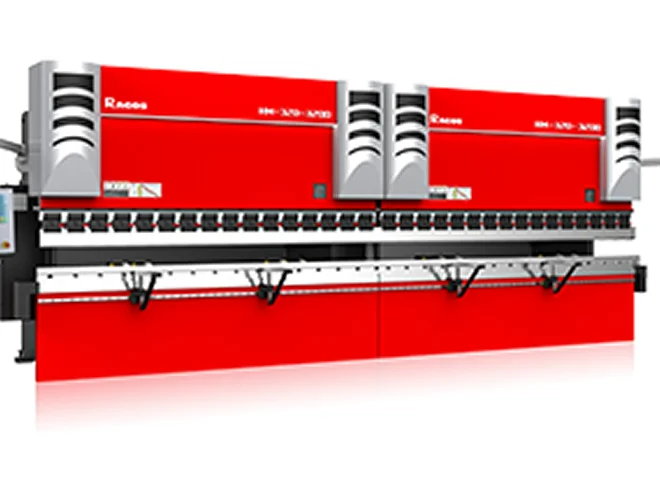
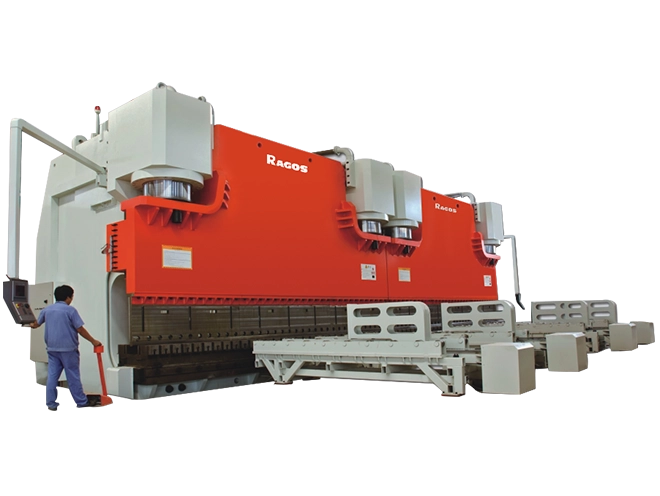
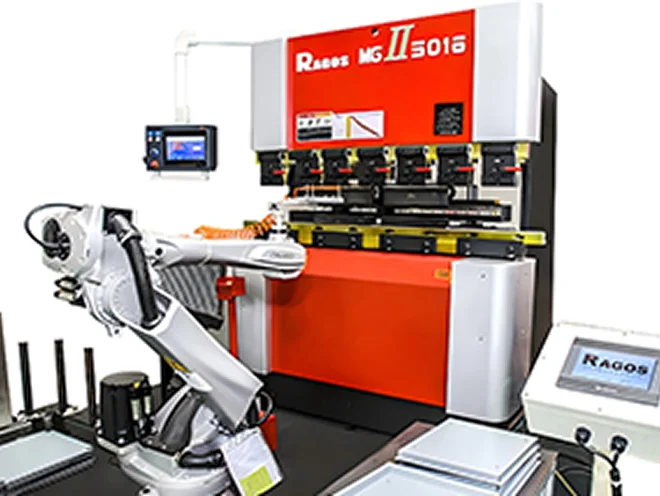


Metal Panel Bending Machine Accuracy: Calculator Thinking For First-Pass Results
Metal panel bending machine accuracy is no longer only about operator experience; it is about entering the right values, using a repeatable method, and letting the math remove guesswork before the first bend. At JS RAGOS, we build bending solutions for workshops that need stable angles, controlled dimensions, and fewer trial parts. A practical "bending calculator mindset" helps beginners move faster while staying in control, and it helps experienced teams standardize quality across shifts.
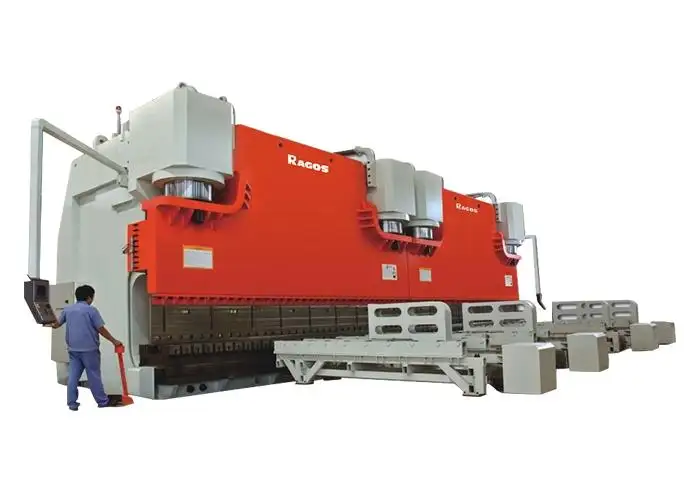
Metal Panel Bending Machine Calculator Basics: What It Really Does
A bending calculator is a planning tool that converts a drawing into usable setup decisions. When sheet metal is bent, the flat blank does not "turn into" the final shape without change. Material stretches on the outside of the bend and compresses on the inside. If you ignore that behavior, your part length drifts, your flange targets move, and you end up compensating with repeated test pieces.
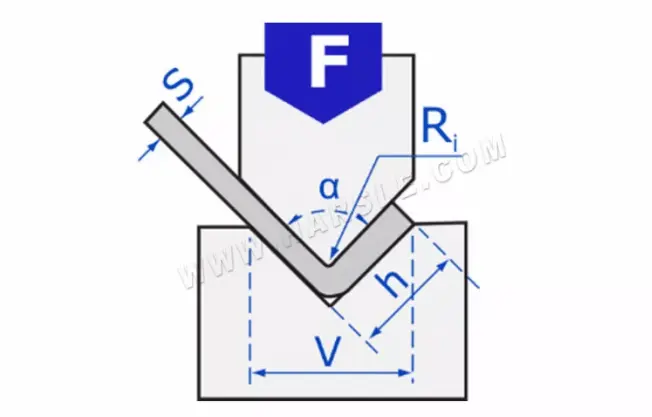
For a metal panel bending machine operator, the calculator’s job is to translate bend intent into predictable inputs. It helps you choose tooling, verify capacity, and calculate the flat pattern so the finished outside dimensions match the drawing.
Common items a calculator helps you estimate include:
• Required tonnage, based on material thickness, bend length, die opening, and target radius
• Bend allowance (BA) so you can calculate correct blank length
• Bend deduction (BD) so outside dimensions land correctly after forming
• Outside setback and inside setback to locate bend lines accurately
• Minimum flange guidance (depending on tooling rules and die selection)
The practical benefit is simple: fewer surprises at the machine, less rework, and more stable production results.
Why Calculator Thinking Makes Bending More Consistent
Even a strong metal panel bending machine cannot "fix" incorrect planning. Most bending issues that frustrate beginners come from two gaps: wrong assumptions about material behavior and a lack of a repeatable setup method. A calculator creates that method by forcing clear inputs and consistent logic, instead of personal habits that vary operator to operator.
Here is what consistency looks like in daily production:
• Cleaner first-piece accuracy because blank length and bend line placement are planned, not guessed
• Fewer setup adjustments because tooling choice and tonnage expectations match the job
• More predictable output when the same thickness, die opening, and radius are repeated across batches
• Less dependency on "feel" when staff changes or multiple shifts run the same parts
In other words, calculator thinking helps you standardize bending. Standardization is the real path to quality at scale.
The Core Inputs a Metal Panel Bending Machine Calculator Needs
A calculator is only as good as what you enter. Beginners often think the calculator is "wrong" when the real issue is missing or inconsistent input details. Start with a short list of essentials, then become more precise as your workflow matures.
Material And Geometry Inputs That Matter Most
Most calculators ask for a few key values:
• Material thickness (primary driver of tonnage and forming behavior)
• Material type/grade (affects how the bend forms and how much springback to expect)
• Bend angle (target internal or external definition—be consistent)
• Bend radius (typically inside radius; often influenced by tooling and die opening)
• Bend length (the length along the bend line—critical for tonnage estimation)
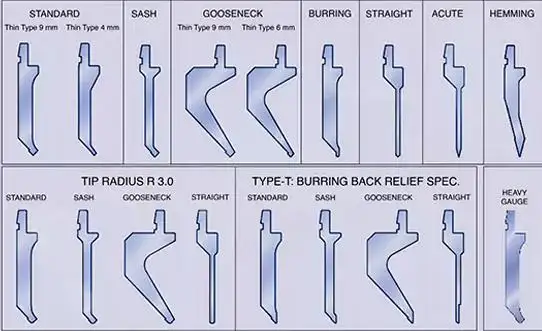
• Tooling selection (punch and die style, die opening, and tool condition)
A metal panel bending machine applies force through a punch and die. Tooling is not "background info." It is part of the calculation, because die opening and punch radius directly influence how the radius forms and how much force the bend requires.
Output Values You Should Actually Use
Many calculators display a long list of values, but beginners get the most value from a focused set:
• Tonnage estimate to confirm machine capacity and safe setup
• Bend allowance to calculate flat blank length
• Bend deduction to hit outside dimensions without repeated trimming
• Setbacks to position bend lines correctly and avoid mislocated flanges
• Radius expectation (useful when your drawing calls out a functional radius)
If you remember one rule, make it this: flat pattern success depends on bend allowance and bend deduction, not on hope and "extra margin."
How the Calculator Connects to Real Machine Setup
A calculator is not theory. It is the bridge between your drawing and your setup. The goal is not to eliminate testing; it is to reduce testing from "many trials" to "one controlled verification."
A beginner-friendly workflow for a metal panel bending machine looks like this:
• Confirm the material type and thickness before planning.
• Select punch and die based on flange needs and shop rules (including minimum flange).
• Enter thickness, bend length, target angle, and die opening into the calculator.
• Review outputs: tonnage, BA/BD, and setbacks.
• Set up the machine: tooling alignment, backgauge position, and programmed depth/angle target.
• Run one first-piece verification and measure using the same reference method each time.
• Record the setup: material lot, tooling ID, and any controlled adjustments.
This is where a calculator mindset becomes powerful: it encourages controlled inputs, controlled verification, and controlled records. That is how repeatability is built.
Common Calculator Mistakes That Create "Mystery" Errors
When shops say "the calculator doesn’t work," the real cause is often one of these avoidable mismatches. Fixing them often improves results immediately—without changing the machine.
• Mixing angle definitions: internal angle vs. included angle vs. external angle
• Ignoring die opening: changing V-opening changes force and radius behavior
• Skipping bend length: tonnage depends on length as much as thickness
• Using nominal thickness when actual varies: coils and sheets can drift from spec
• Forgetting material condition: different lots can spring back differently
• Treating radius as fixed: tooling and die choice often decide the inside radius
• Not standardizing measurement: different operators measure angles differently
A metal panel bending machine becomes "more accurate" the moment your process becomes more consistent.
Choosing the Right Calculator Type for Your Workshop
There are three common calculator styles. The best choice matches how your shop works today and how you document jobs.
• Online calculators are fast for quick estimates and small batches. They are useful for early planning, but they may not reflect your specific tooling rules.
• Offline software calculators help when you need saved records, printed setup sheets, and repeat jobs. They support process discipline.
• Manufacturer-specific calculators align with the machine model, tooling library, and recommended die openings. They reduce mismatch between planned values and real capability.
At JS RAGOS, we encourage manufacturer-specific logic whenever possible. When the calculator reflects your metal panel bending machine characteristics, setup decisions become simpler, safer, and more repeatable.
JS RAGOS Practical Advantages: Turning Features Into Daily Results
A metal panel bending machine should not only look strong on paper. It should help operators hit accurate parts under real time pressure. When we describe advantages, we focus on daily outcomes rather than abstract features.
Here are practical results we design for:
• Faster setup confidence: calculator-guided parameters help beginners choose workable settings sooner
• Reduced scrap risk: correct BA/BD reduces blank-length errors and flange drift
• Safer capacity planning: tonnage estimates help you avoid pushing beyond the job’s needs
• Better repeatability: consistent inputs and stored setups help different operators achieve the same output
• Smoother training: new operators learn a method, not a collection of personal shortcuts
CTA (Call To Action): If you are evaluating a metal panel bending machine for your workshop, contact JS RAGOS to request a configuration guide aligned to your material range, thickness, bend lengths, and typical part geometry. A strong match between machine capability and calculator workflow is one of the fastest ways to improve bending quality without adding complexity.
When beginners learn calculator basics, bending becomes less stressful and more predictable. The real upgrade is not just bending metal—it is controlling the process with clear inputs and repeatable decisions.