

What Makes a Sheet Metal CNC Press Brake For Sale Truly High-Accuracy
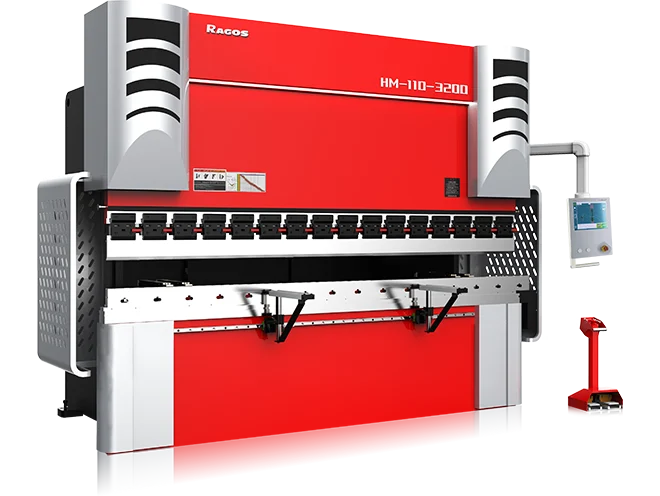
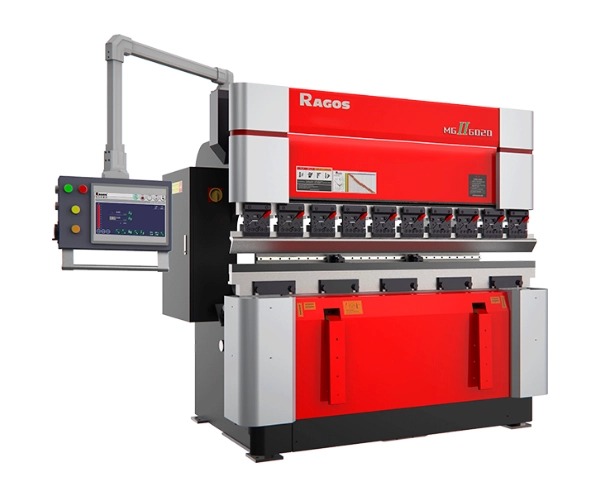
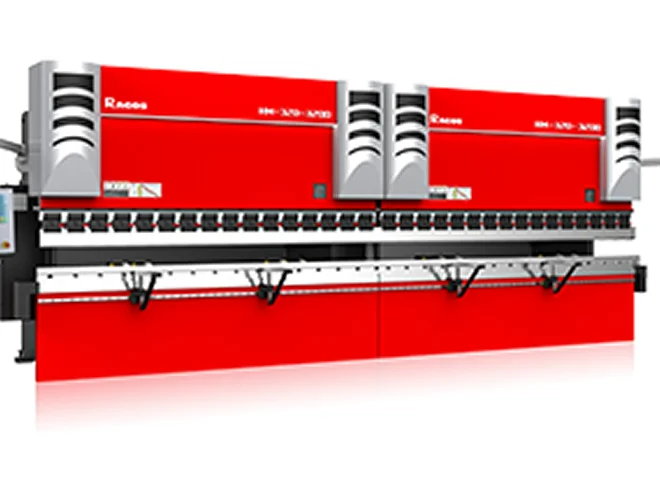
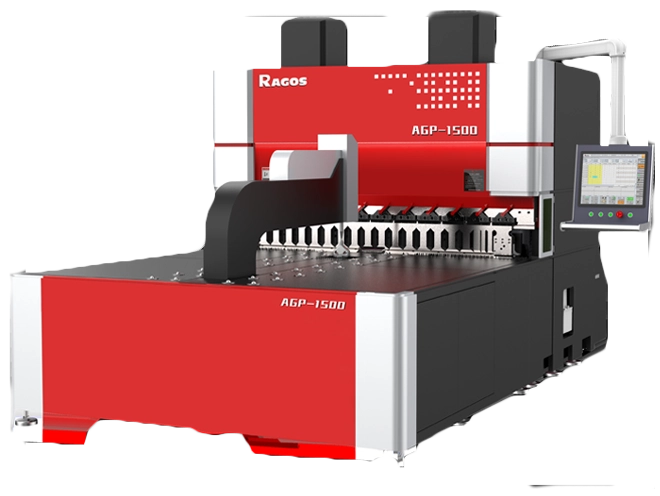
What makes a Sheet Metal CNC Press Brake for sale truly high-accuracy? First, what is it. A Sheet Metal CNC Press Brake is a machine that bends metal sheets with a programmable controller. It uses a ram, dies, and a backgauge to form precise angles. Operators load a drawing, set tooling, and the CNC repeats the bend. Simple idea. Hard to perfect. Tiny errors in the frame, motion system, or feedback can ruin a part. Some machines hide these flaws. Others fix them at the source. In the next section, we reveal how to tell the difference - and what to test before you buy.
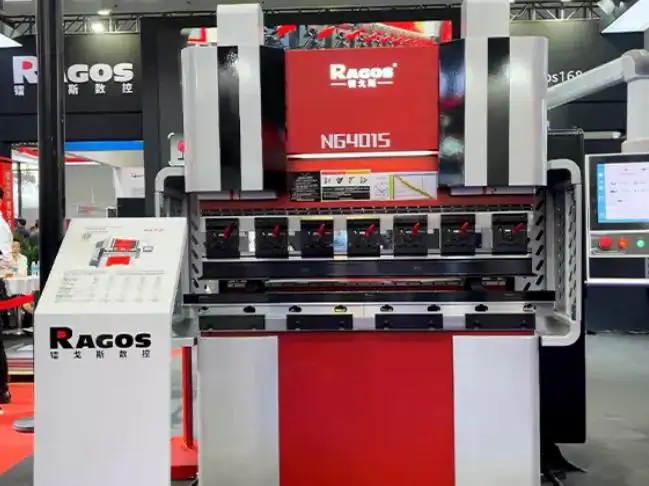
The Accuracy Stack: Frame → Motion → Measurement → Control
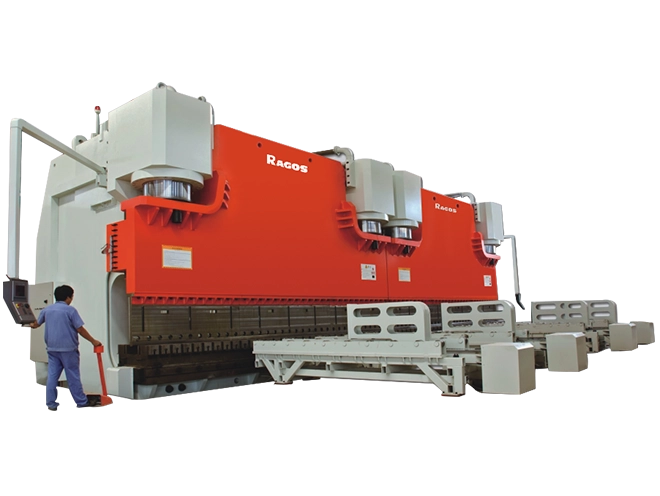
Every bend starts with a reference. Our heavy-duty welded steel frame is stress-relieved and shot-blasted after welding to purge internal stress. That matters because a frame that creeps or twists will push errors into every bend, especially on long parts. With a rigid, stable base, parallelism and perpendicularity hold their lines instead of drifting across the bed.
Smooth, predictable motion comes next. Precision ball-screw drives give consistent travel, while a purpose-built hinge design resists damage from eccentric loads - think short flanges off one side of the die or awkward setups at shift change. The machine isn't just strong; it moves politely.
Measurement closes the loop. Dual grating rulers track real-time ram position on both sides, cancelling errors caused by guide wear, temperature changes, or asymmetrical loading. Instead of assuming where the ram should be, the system sees where it is. That's how we achieve ±0.03 mm positioning accuracy where it counts: under production heat, not lab conditions.
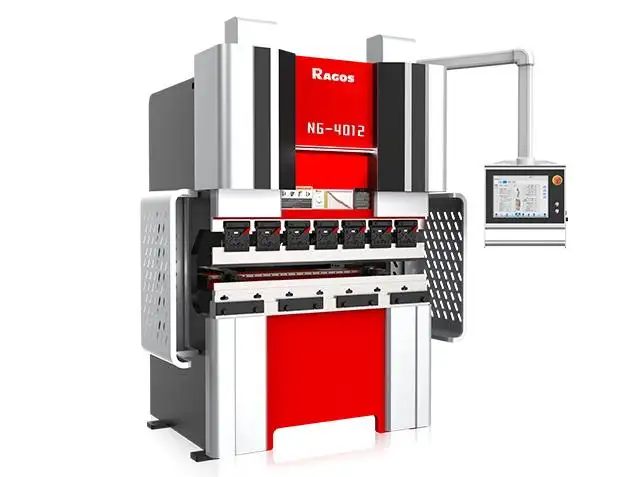
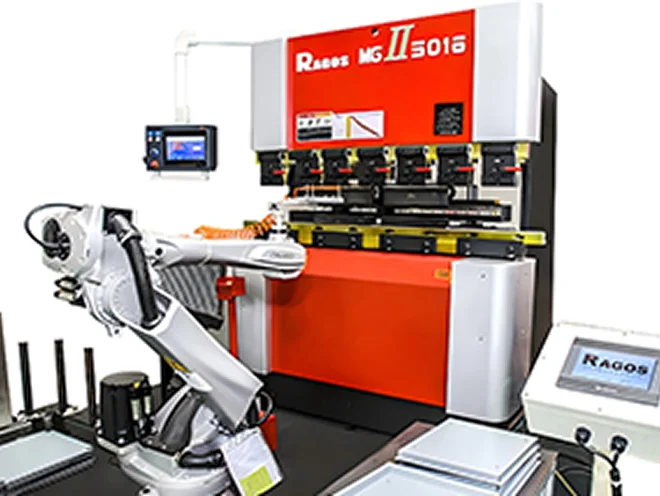
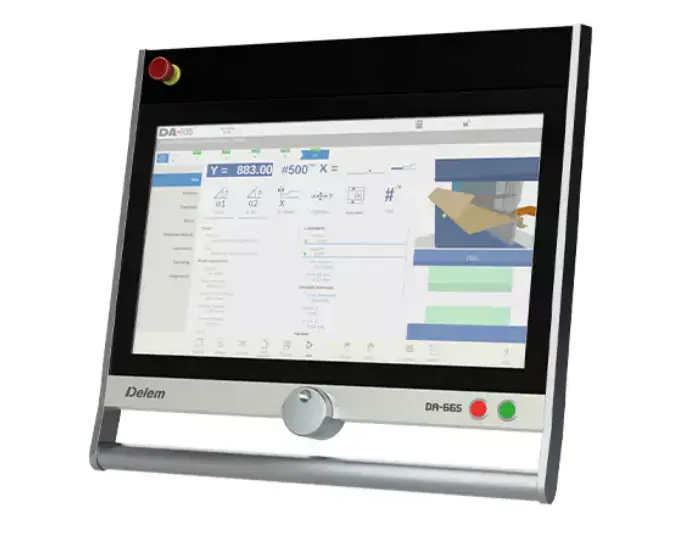
Finally, the control ties it together. Our Delem-based CNC combines quick 2D programming with 3D part visualization for both simulation and live production. A crisp 24" high-resolution display keeps operators oriented, while sensor-bending and correction interfaces let the control nudge the process into tighter tolerances. Offline programming trims setup time and keeps the floor moving.
Why This Stack Solves Real Pain?
• Fewer test pieces: Dual feedback and live correction get the first article right, faster.
• Stable across shifts: A stress-relieved frame and ball screws reduce drift as the shop warms up.
• Confidence on long parts: True synchronization across the bed protects angles at full length.
Safety That Protects Throughput
Speed and safety are often framed as a trade-off. We reject that false choice. Our optical guarding uses a Class 1 laser transmitter and a camera receiver to watch the tool zone with a 2 mm detection resolution and up to 8 m optical range. Integrated status LEDs make the system's state obvious - no guesswork, no "is it armed?" chatter. The result: operators keep the ram moving with confidence while maintaining a compliant, modern safety envelope.
That confidence is not abstract. Confident operators set up faster, run closer to takt, and hesitate less around complex bends. In other words, a thoughtful safety system pays for itself - in productivity as well as peace of mind.
Backgauge And Tooling: Where Setup Time Becomes Cycle Time
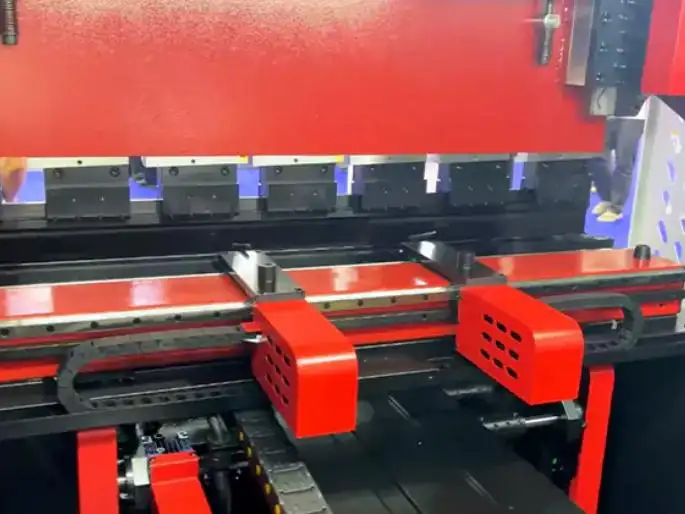
Ask any foreman: the backgauge makes or breaks your schedule. Ours uses ball screws, linear guides, and precision belts to hit fast, repeatable positions across X, R, and Z. Expect ±0.03 mm repeatability with micrometric adjustment and double-stop fingers that treat delicate parts with care. Thin sheet support (SPA) carries 30 kg per support, preventing sag on long light panels and protecting finish quality on visible components.
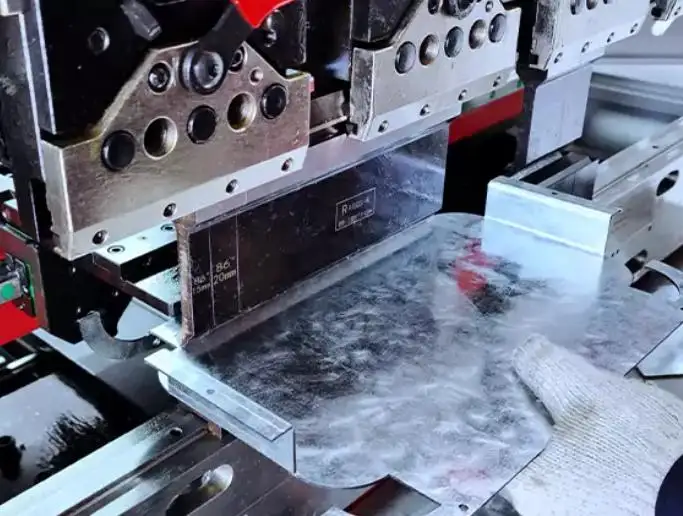
Tooling and clamps quietly drive accuracy, too. European one-touch holders (Amada-style) allow front-side snap-in for sectional punches. A safety groove secures punches during lateral moves, and a drop-prevention bar protects both tooling and toes. You get brisk re-tooling without the risk and without the "slow because careful" tax.
For the long haul, punches and dies are produced from 42CrMo high-strength steel and heat-treated for wear life. We offer segmented options for short flanges and complex profiles, and compatibility with common standards (Wila, Amada, and others) so your existing tool library remains an asset - not a sunk cost.
What This Means On Your Floor?
- Shorter changeovers: One-touch clamping and segmented tools reduce the shuffle between jobs.
- Cleaner edges, fewer surprises: Proper support keeps thin parts flat and surfaces unmarked.
- Repeatable angles over long runs: Durable 42CrMo tooling holds tolerance when the schedule gets busy.
A Practical Definition Of "High-Accuracy" For A Sheet Metal CNC Press Brake
Marketing loves a single spec, but accuracy is a system with five pillars:
1) Structural Integrity That Stays Put
A high-strength, stress-relieved frame resists micro-twist and long-term creep. You see it on full-length bends where angles remain consistent without shimming or constant operator compensation.
2) Predictable Motion, Measured In Real Time
Ball screws provide smooth travel; dual grating rulers measure both sides of the ram so synchronization isn't assumed - it's proven on every cycle.
3) Control That Reduces Cognitive Load
Clear graphics, quick programming, and offline prep remove friction. Sensor-based correction nudges angles into spec without endless manual trial-and-error.
4) Tooling Built To Hold Tolerance
Heat-treated 42CrMo stands up to volume and mixed materials. Segmenting and quick clamps let you switch profiles without "losing the feel" of the bend line.
5) Safety That Supports Flow
High-resolution light curtains deliver protection without killing cycle time. Safer feels faster when operators stop second-guessing the process.
- What To Ask For When You're Shopping?
If you're evaluating a sheet metal CNC press brake, request proof, not slogans:
• Test a long, thin panel and a short, stiff flange. Watch synchronization from left to right.
• Review frame stress-relief records and bed machining processes.
• Check backgauge repeatability across all programmed axes.
• Trigger the safety system during a setup and observe the recovery behavior.
• Validate real-world angle consistency: first article, mid-run, and end-of-shift.
• A good press brake will make these checks feel routine. A great one will make them boring.
Ready to see it in your parts?
If you want ±0.03 mm bends, faster changeovers, and confident operators, talk to JS RAGOS. Send us your drawing and tolerance band; we'll recommend a setup, run a sample bend, and outline the cycle time you can realistically expect from a Sheet Metal CNC Press Brake in your workflow.
Call-to-Action:
Book a short application review with JS RAGOS. We'll map your parts to the right tooling, demonstrate live feedback and backgauge accuracy, and show how to turn setup time into production time—without compromising safety or quality.