

Street Light Pole Bending Machine Supplier: How Quality Poles Are Made
As a Street Light Pole Bending Machine Supplier, JS RAGOS views pole production as a controlled manufacturing process where every step affects strength, appearance, and service life. Street light poles are not simple steel structures. Street light poles must remain reliable under wind load, outdoor environments, transportation challenges, and years of installed service. This is why true product quality starts far earlier than the bending stage. It begins with careful material preparation, accurate forming, disciplined welding, and trustworthy surface protection systems.
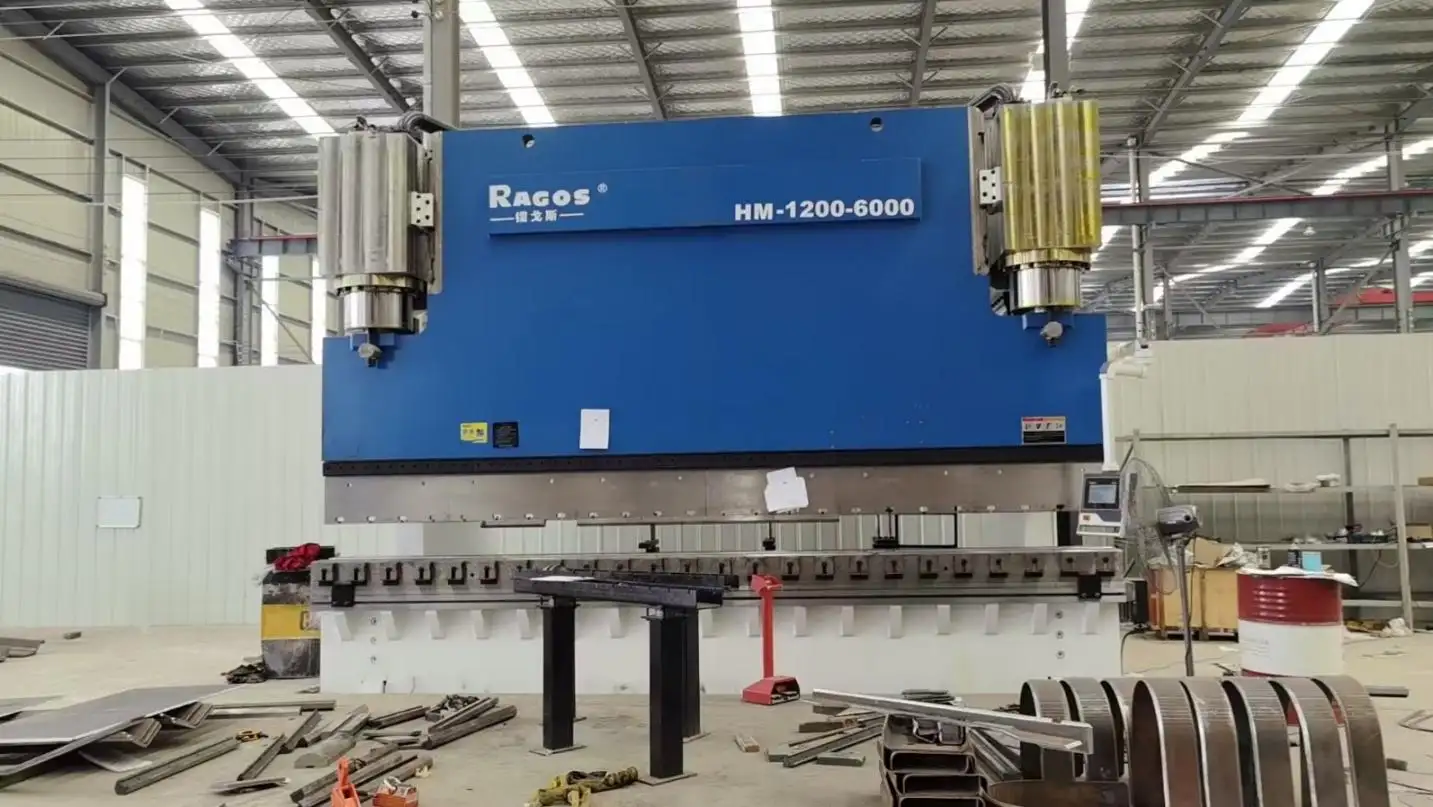
In this article, we discuss how high-quality street light poles are produced, why each stage contributes to final performance, and how the right equipment helps manufacturers achieve dependable output across large production runs.
Why Pole Quality Starts With Process Control
A finished street light pole may look simple from the outside, but the manufacturing path behind it is highly structured. Each stage must support the next one. If the sheet is not flat enough, bending becomes unstable. If the weld seam is inconsistent, later straightening becomes more difficult. If surface cleaning is incomplete, coating performance will suffer outdoors.
As a Street Light Pole Bending Machine Supplier, JS RAGOS focuses on the part of the process where dimensional control becomes visible. However, we also know that clients need to understand the full workflow, not only one machine.
A typical pole production line is built around these core goals:
• Maintain dimensional consistency from sheet preparation to final assembly
• Reduce welding defects caused by edge variation or poor alignment
• Support stable forming for tapered and cylindrical pole designs
• Improve production efficiency for repeat orders and large infrastructure projects
• Protect long-term outdoor performance through proper finishing
For buyers and production managers, this means one important thing: machine selection should always be tied to the full production logic, not viewed as an isolated purchase.
Material Preparation Builds The Foundation
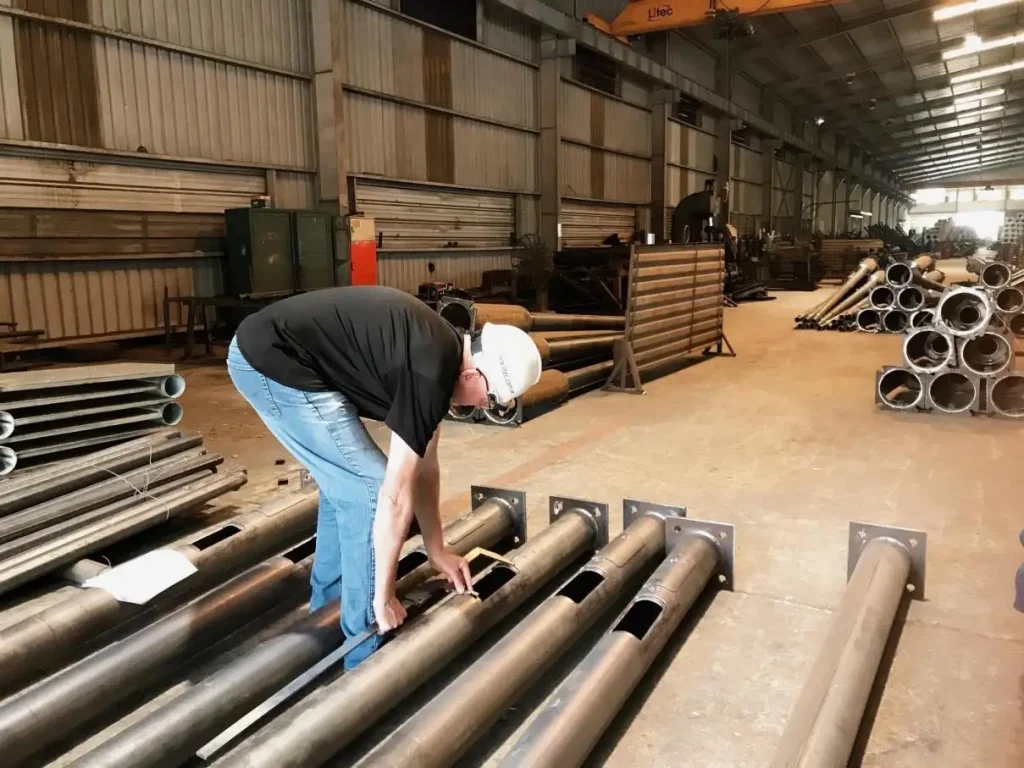
Before a steel sheet enters the bending machine, it must be prepared correctly. This early stage has a direct impact on downstream quality. In standard street light pole production, steel coils are first decoiled into flat sheets. During this operation, tension must be controlled carefully to avoid distortion. For common pole applications, sheet thickness often falls within the 3–12 mm range, so setup must match the material condition.
After the decoiling stage, edge trimming and leveling are carried out to improve sheet quality before forming. Trimming helps remove edge defects that could influence weld seam quality, while leveling corrects residual deformation caused by the original coil form and subsequent handling. A flat sheet is essential during this stage, because even slight surface deviation can create misalignment problems in the rolling process.
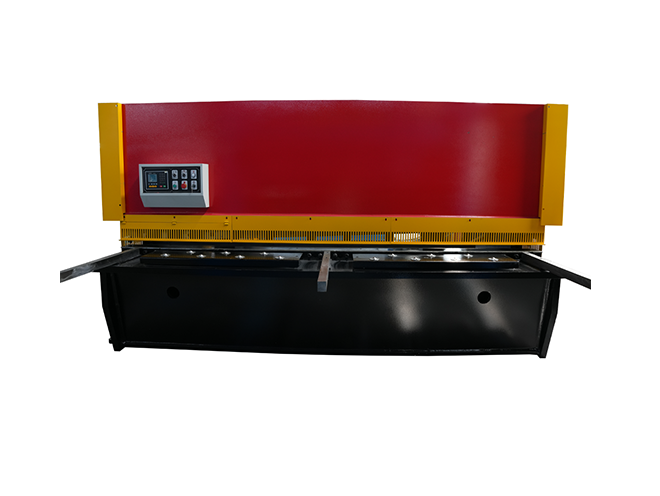
Afterward, the sheet is sheared to match the required length. As many pole production projects involve finished products in the 6 m to 12 m range, accurate and repeatable cutting is necessary to support batch-to-batch consistency. Once sheared, sheets are often stacked and transferred to the taper cutting stage.
At JS RAGOS, we always advise clients to view this preparation stage as a quality investment. Better raw sheet handling leads to smoother bending, better seam closure, and less rework later in the line.
Precision Cutting And Bending Shape The Pole Body
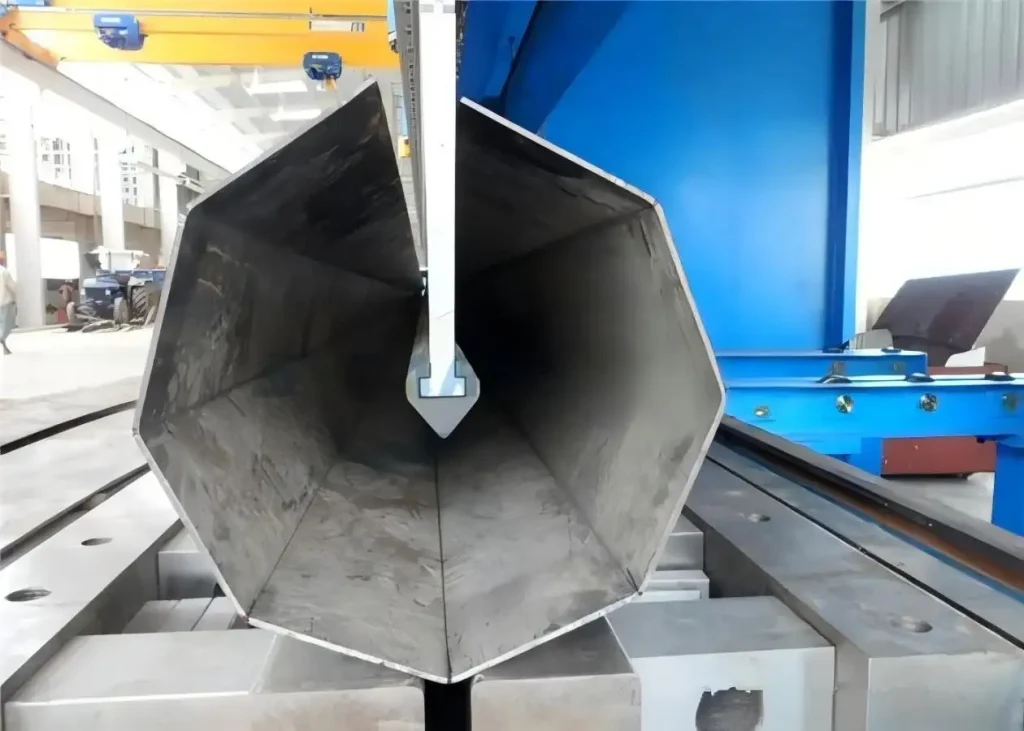
Once the material is prepared, the next step is to create the tapered panel that will become the pole body. This is usually done with CNC plasma or fiber laser cutting systems. The purpose is not only to cut the plate, but also to create the correct taper geometry needed for conical pole forming.
In this stage, dimensional discipline matters. Tight cutting tolerance, often around ±0.5 mm, helps ensure that the two long edges can meet correctly during seam welding. Poor taper cutting may cause open gaps, overlap, or unstable rolling behavior.
How A Street Light Pole Bending Machine Supplier Supports This Stage
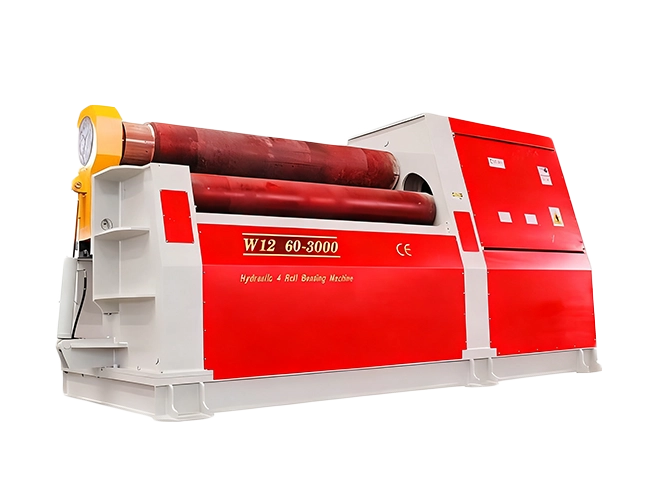
This is where the role of a Street Light Pole Bending Machine Supplier becomes highly practical. A CNC plate rolling machine transforms the flat tapered panel into a round or conical body. The machine must provide repeatable curvature, controlled feeding, and even pressure distribution.
At JS RAGOS, we describe machine advantages through the results clients care about most:
• Consistent roller travel helps reduce variation across production batches
• Accurate bending improves seam preparation for the welding process
• Dependable forming supports better pole roundness and a neater surface profile
• CNC-controlled adjustment cuts down on manual testing and improves workflow
• High machine rigidity makes heavy-duty steel forming more stable
These are not simply equipment features from the client's perspective. They offer practical value by helping reduce labor costs, minimize scrap, and keep delivery quality more stable.
Welding And Straightening Determine Structural Reliability
After bending, the formed pole section enters seam welding. This process joins the structure into a continuous body and is critical for long-term reliability. For load-bearing pole applications, manufacturers often use Submerged Arc Welding (SAW) because it provides deep penetration and stable seam formation. In many industrial settings, a single welding pass can reach 10–15 mm penetration depth, depending on material thickness and setup conditions.
Good welding depends on good fit-up. That is another reason why precise bending matters. When the seam closes cleanly, the welding process becomes more stable and easier to control.
After welding, the pole may still show slight deformation from heat input or forming stress. Straightening is then used to restore axial accuracy. High-quality production lines often aim for straightness tolerance around ≤1 mm/m, which is important for installation quality and visual appearance.
From our perspective at JS RAGOS, this stage reminds buyers that production accuracy is cumulative. Bending, welding, and straightening are closely linked. If one stage is unstable, the next stage must compensate, which increases time and cost.
Flange Assembly And Surface Protection Extend Service Life
A street light pole is not complete when the shaft is formed. The pole must also be designed for secure foundation connection and reliable outdoor performance. Flange welding secures the lower end of the pole to its foundation base. During this process, flange location, perpendicularity, and flatness need to be verified carefully to ensure reliable and efficient field installation.
For many pole models, flange thickness is generally in the 20–30 mm range. After welding, the seam is evaluated through visual inspection and non-destructive testing before the pole moves into the finishing process.
Surface treatment is equally important in the final production stage. Because street light poles work in environments with moisture, sunlight, dust, and temperature changes, a reliable anti-corrosion system typically includes:
• Sandblasting for full surface preparation
• Primer coating for anti-rust protection
• Final coating for added weather and UV resistance
This finishing approach contributes more than surface aesthetics. It helps extend operational life and reduces maintenance requirements for public infrastructure users. A well-coated pole performs better over time and preserves a more consistent project image.
What Clients Should Look For In A Street Light Pole Bending Machine Supplier
Choosing a Street Light Pole Bending Machine Supplier should not be based on price alone. Clients should evaluate whether the supplier understands pole production as a complete system. A machine supplier should be able to discuss material range, taper forming logic, welding fit-up, and production flow in practical terms.
At JS RAGOS, we recommend that clients focus on three questions:
What Makes JS RAGOS A Practical Partner
First, can the equipment support the actual pole dimensions and thickness range used in your factory?
Second, can the machine deliver repeatable forming results for long production cycles?
Third, can the supplier provide process guidance that helps your team improve output quality, not only install equipment?
Our goal is to help clients build more reliable pole production with machinery that matches real manufacturing needs. That includes bending solutions for tapered pole bodies, stable forming control, and practical support for production improvement.
If your business is planning a new pole line or upgrading existing equipment, contact JS RAGOS to discuss the right plate rolling and pole forming solution for your project. The right machine does not only shape steel. It supports quality, efficiency, and long-term customer confidence.
In street light pole manufacturing, quality is never created by one step alone. It is achieved when every stage works together with precision. That is the production logic we believe in, and that is the value JS RAGOS aims to deliver.