

How Welding Robot for Automotive Frame Welding Supports OEM Output
Modern automotive manufacturing relies on Welding Robot for Automotive Frame Welding to support OEM output with stable weld results, consistent part dimensions, and dependable production continuity across batches. At JS RAGOS, we know that welding structural automotive components is not simply a matter of fusing metal together. It is closely tied to dimensional control, load-bearing reliability, and smooth production flow.
For OEMs and Tier 1 suppliers, this requirement is even more critical in under-body parts, frame supports, subframes, and towing structures. These components must withstand vibration, road conditions, and repeated stress during long-term use. A welding process that changes too much from one shift to the next can create costly variation. That is why many automotive manufacturers continue to invest in robotic welding systems as part of their long-term production strategy. The International Federation of Robotics reports that 126,088 industrial robots were installed in the automotive industry in 2024, and annual installations in the sector increased at an average rate of 5% from 2019 to 2024.
Why Automotive OEM Output Depends On Repeatable Welding
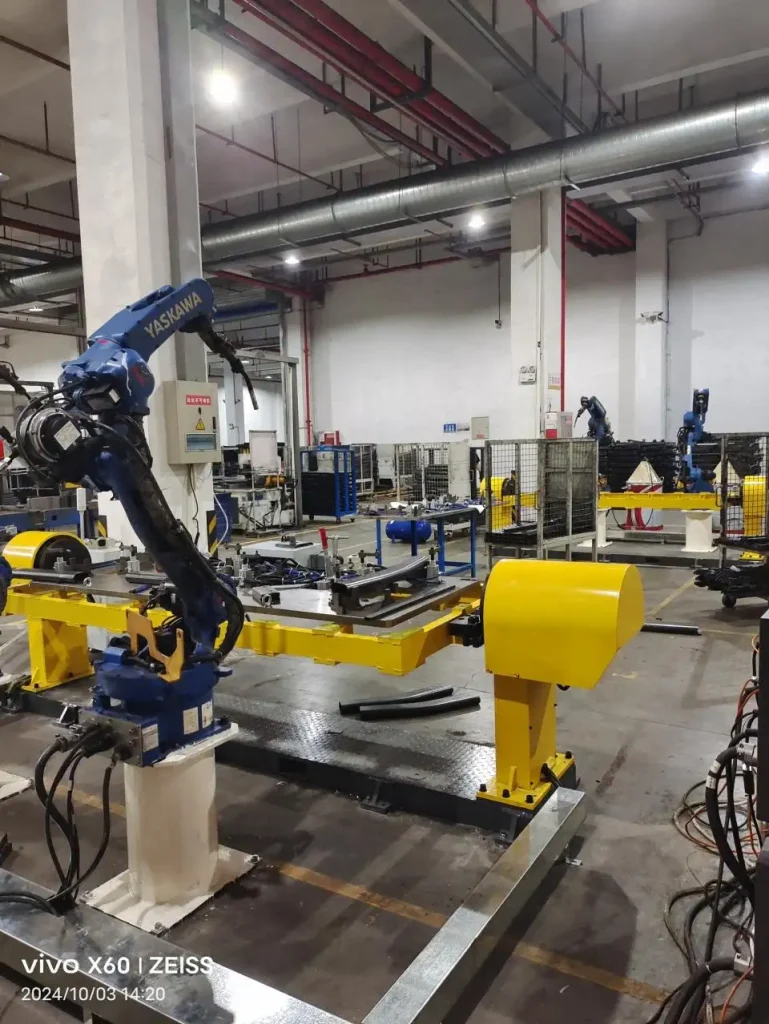
Automotive production requires more than welding speed. It requires a controlled process that delivers the same result from the first part to the last. In frame welding, even a small shift in weld placement, joint alignment, or fixture stability can affect downstream assembly.
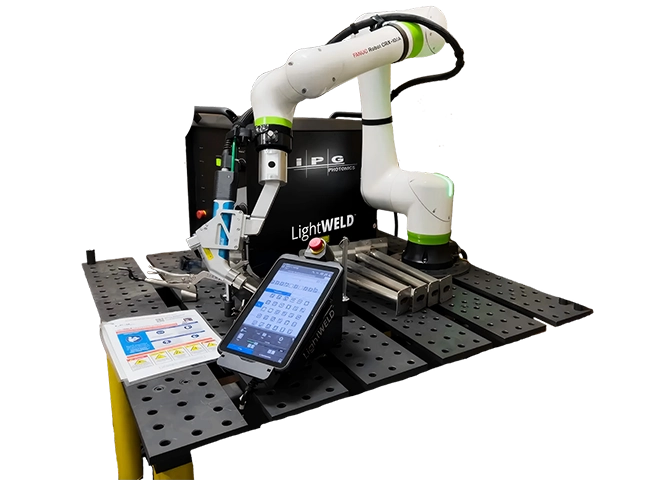
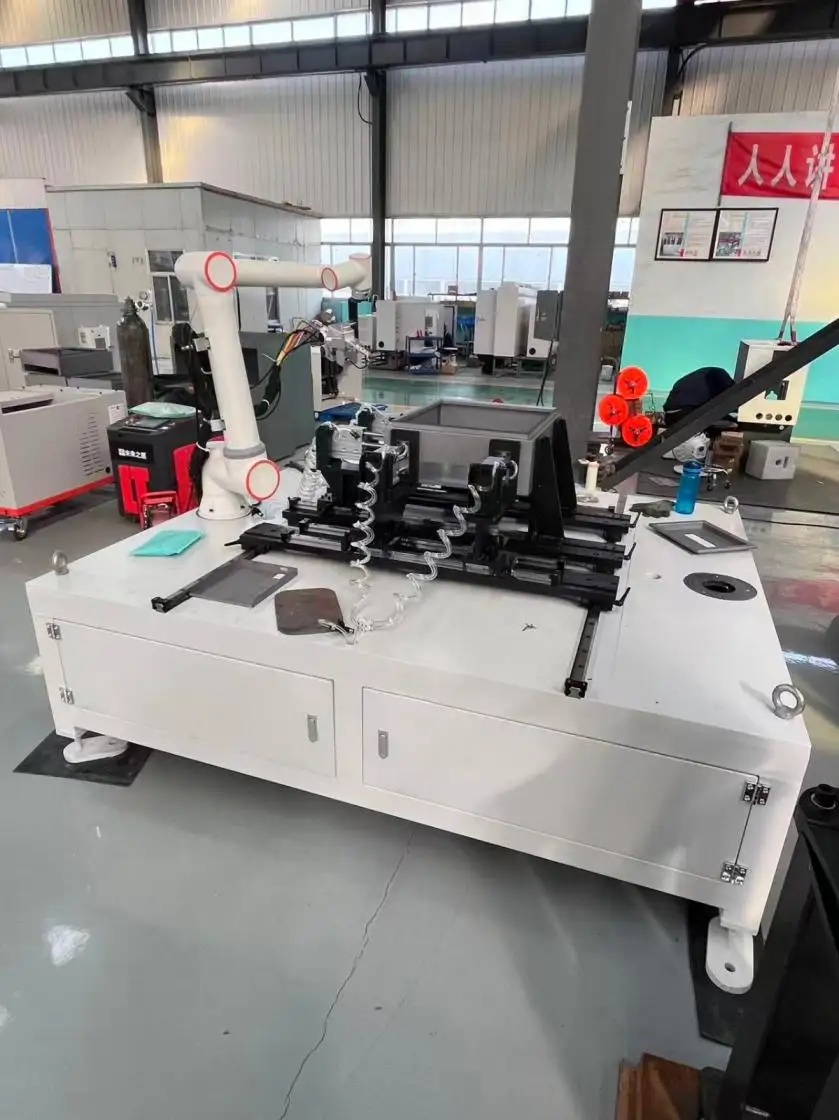
At JS RAGOS, we position Welding Robot for Automotive Frame Welding as a production solution rather than a single machine feature. A properly configured robotic welding cell gives OEM customers several useful advantages in daily production:
•More repeatable weld placement from batch to batch
•Improved management of part geometry in structural assemblies
•Lower differences between operators and between shifts
•Easier planning for continuous production requirements
•Greater trust in delivery reliability
In practical terms, this helps buyers reduce time spent on inconsistency issues and place more focus on production efficiency, quality standards, and program progress.
How Welding Robot for Automotive Frame Welding Fits Structural Components
Automotive frame welding often involves components that must carry load and maintain alignment during service life. These parts are not decorative. They are structural, and they must perform under real conditions.
Welded components often found in this category include:
•Frame rails
•Crossmembers
•Front and rear subframes
•Engine cradles
•Body mounts
•Suspension mounting brackets
•Tow hooks and hitch-related assemblies
To produce these parts efficiently, manufacturers need repeatable positioning and controlled welding steps. At JS RAGOS, our systems are engineered to support this kind of production logic. We focus on fixture coordination, programmed welding paths, and production stability so customers can process large quantities without losing dimensional consistency.
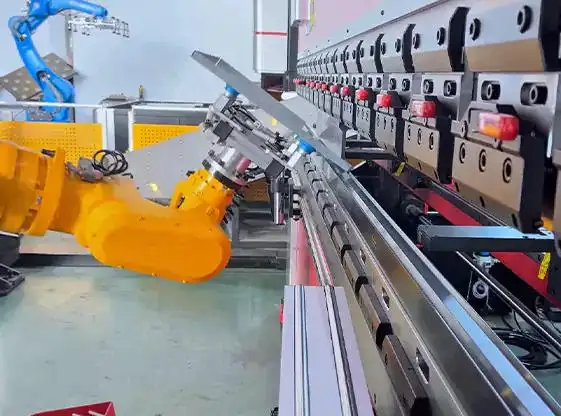
This is one reason robotic welding continues to gain value in automotive manufacturing. It supports structured workflows where weld position, travel path, and sequence remain controlled over long production cycles. That consistency is a major advantage for OEM programs that cannot afford avoidable variation.
MIG And TIG Processes In Automotive Welding Applications
Not every automotive part should be welded in the same way. Material thickness, joint geometry, and weld appearance requirements all play a role in process selection. A reliable production setup should choose the welding method according to the application demands.
MIG Welding For Heavier Structural Parts
Robotic MIG welding is often preferred for thicker steel components and structural automotive assemblies where strength, penetration performance, and output efficiency are critical. Official technical references from Lincoln Electric and Miller show that MIG welding, also called GMAW, is a widely used production welding method. Miller further notes that this type of equipment can weld steel and aluminum up to 3/8 inch in suitable use conditions.
For OEM customers, this means several practical benefits:
•A good match for structural steel assemblies
•Better support for efficient repeated production
•More consistent weld profiles across larger output volumes
TIG Welding For Precision And Controlled Heat Input
Robotic TIG welding is frequently applied where tighter fit-up, improved weld cleanliness, or better heat input control is required. Lincoln Electric identifies TIG welding as a precision process used in automotive applications, and its Precision TIG product line highlights stable low-amperage operation for more controlled welding conditions.
For customers, this translates into useful production benefits:
•Better control for smaller or more precise assemblies
•Cleaner weld quality in refined connection areas
•Improved dimensional stability where excess heat must be limited
At JS RAGOS, we help clients evaluate whether MIG, TIG, or a combined robotic cell is the better fit for their frame and sub-assembly requirements.
Why Integrated Preparation Improves OEM Production Flow
A robotic welding system performs best when upstream preparation is also controlled. Accurate blanks, stable fit-up, and repeatable fixturing all contribute to better welding results. When part preparation is inconsistent, even an advanced robot cannot fully protect the process from variation.
This is why OEM buyers should not evaluate Welding Robot for Automotive Frame Welding only by robot brand, reach, or arc specification. The full value comes from process integration. At JS RAGOS, we advise customers to review:
•Blank accuracy before welding
•Fixture rigidity and repeatability
•Joint accessibility for the robotic torch
•Part flow between preparation and welding
•Quality checkpoints after each welding stage
When these elements work together, customers gain a more stable production rhythm. That improves output predictability and reduces avoidable rework. In real manufacturing terms, this can be more valuable than chasing speed alone.
What OEM Buyers Should Look For In A Welding Robot Solution
When selecting a supplier, automotive customers should focus on production practicality. A strong solution should not only complete a weld. It should support the customer's full manufacturing objective.
At JS RAGOS, we recommend that buyers assess the following points before moving forward:
•Application Match: Is the system designed for frame rails, subframes, crossmembers, or tow assemblies?
•Process Selection: Does the project require MIG, TIG, or both?
•Fixture Compatibility: Can the system hold repeatable geometry through long runs?
•Scalability: Is the production line prepared to support both immediate demand and future program development?
•Service Reliability: Can the supplier respond effectively to installation needs, operational adjustments, and continued production support?
These questions help customers move from equipment purchasing to process planning. That shift is important because OEM output depends on long-term stability, not only initial machine performance.
JS RAGOS Supports Automotive Production With Practical Robotic Welding
At JS RAGOS, we see Welding Robot for Automotive Frame Welding as a strategic tool for OEM manufacturing. It supports repeatable production, steady weld quality, and dependable structural assembly for demanding automotive applications. Whether the project involves under-body components, frame structures, or tow-related assemblies, the goal remains the same: deliver durable welded parts with a process customers can trust.
If your team is reviewing robotic welding solutions for automotive frame production, now is the right time to compare process needs, component types, and line efficiency goals. Contact JS RAGOS to discuss a welding robot solution built for your OEM output targets. We can help you evaluate the right configuration for stronger production control, cleaner welding performance, and more reliable delivery.
For further industry reading, OEM teams may also find useful background in the International Federation of Robotics market updates and official welding process resources from Lincoln Electric and Miller Welds