

Press Brake Bending Capacity: How to Match Tonnage, Length, and Material
Press Brake Bending Capacity is the maximum force your machine applies to a specific material thickness and bend length, and you match press brake tonnage by calculating the required pressure against your material’s yield strength and V-die width. You must perform these calculations to ensure you run bending jobs safely while selecting the correct press brake machine for your shop needs.
Press Brake Bending Capacity: What Does It Mean?
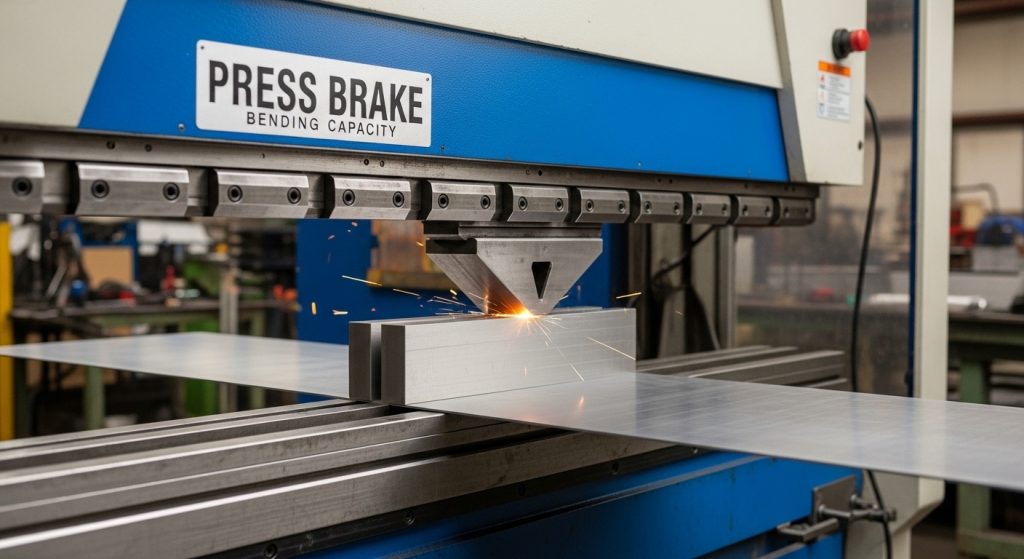
Press Brake Bending Capacity represents the total force a machine exerts to create a permanent bend in metal. It depends on the machine's frame strength and hydraulic power. You must understand this value to maintain bending reliability and ensure your equipment reaches its expected long-term performance without structural failure.
When you look at your machine, the tonnage rating tells you the total pressure the ram can push. This force meets the resistance of the metal sheet. If the metal is too thick or the bend is too long, the machine reaches its limit. You need to compare the power requirement of your specific part to the total capacity of the press brake. This comparison keeps your operations safe.
Bending reliability comes from knowing how the machine handles load. A machine rated for 100 tons should not always run at 100 tons. Constant peak loading wears out hydraulic seals quickly. It also causes the ram and bed to flex more than they should. You want a machine that offers a buffer. This buffer helps you achieve better long-term performance. It protects your investment from premature wear and precision loss.
How Press Brake Material and Thickness Affect Press Brake Bending Capacity
Material thickness and yield strength are the primary drivers of required bending force. Thicker materials need much more tonnage because their resistance grows exponentially. Harder metals like stainless steel increase the power requirement comparison, forcing you to use a higher-tonnage machine to achieve the same results as mild steel.
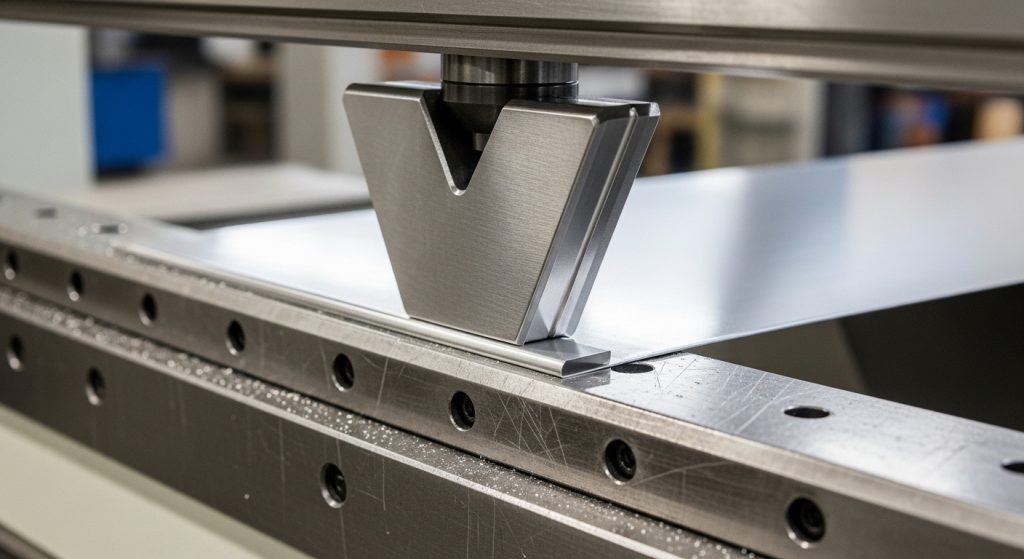
The thickness of your sheet is the most vital factor in your math. If you double the thickness of a steel plate, you do not just double the tonnage. You often need four times the force if you use the same die. This relationship is why thick plates require such large machines. You must verify your material grade before you start. Mild steel is the baseline, but many modern alloys are much tougher.
Yield strength also changes your press brake bending capacity. Aluminum is soft and bends with low pressure. Stainless steel is much stiffer. It also gets harder as you bend it. This means you need a machine with high force limits to finish the job. If you ignore material hardness, you might stall your machine mid-bend. This ruins the part and stresses the hydraulic system. Knowing these differences ensures your long-term performance stays consistent.
How Press Brake Bend Length Affects Press Brake Bending Capacity
Yes, bending force is measured in tons per meter or tons per foot. A longer bend spreads the machine's force over a larger area, requiring a higher total tonnage capacity. You must match the total bend length to the machine's rated capacity to ensure bending reliability and prevent the ram from bowing.
If you bend a one-meter piece of steel that requires 50 tons, a two-meter piece will require 100 tons. You have to consider the setup logistics of long parts. Long sheets are harder to handle and require more support. They also put more stress on the machine frame. If your machine is 3 meters long, but you only bend in the center, you concentrate all that force in one spot.
Bending reliability is harder to maintain on very long sheets. The machine bed might flex slightly in the middle. This flex changes your bend angle. High-capacity machines use crowning systems to fix this. You should always check if your total tonnage stays within the machine's safe working limit for that specific length. Overloading a long bed can lead to permanent damage. This damage ruins your long-term performance and machine accuracy.
How Press Brake Tooling Setup Affects Press Brake Bending Capacity
The width of your V-die acts as a lever for the bending process. A wider V-die reduces the tonnage you need but creates a larger bend radius. A narrow V-die makes a tight bend but spikes the power requirement, which can exceed your press brake bending capacity and damage your tools.
You usually choose a V-die that is eight times the thickness of your metal. This is the standard for most jobs. If you try to use a smaller die to get a sharp corner, the pressure goes up fast. This extra pressure puts a heavy load on your setup logistics. It can also cause the die to crack or the punch to deform. You must balance the need for a tight radius with the safety of your machine.
Tooling wear also plays a role in how much force you need. Sharp, clean dies allow the metal to slide easily. Worn or dirty dies create more friction. Friction adds to the total force the machine must provide. This extra strain reduces your production stability. If you want high long-term performance, you must keep your tools in top shape. Proper tool selection is the easiest way to manage your press brake bending capacity.
How Press Brake Bending Methods Affect Press Brake Bending Capacity
Air bending uses the least amount of force because the metal only touches three points on the tools. Bottoming and coining require significantly more tonnage to force the metal into the die. You must select the right method to stay within your machine's limits and ensure high bending reliability.
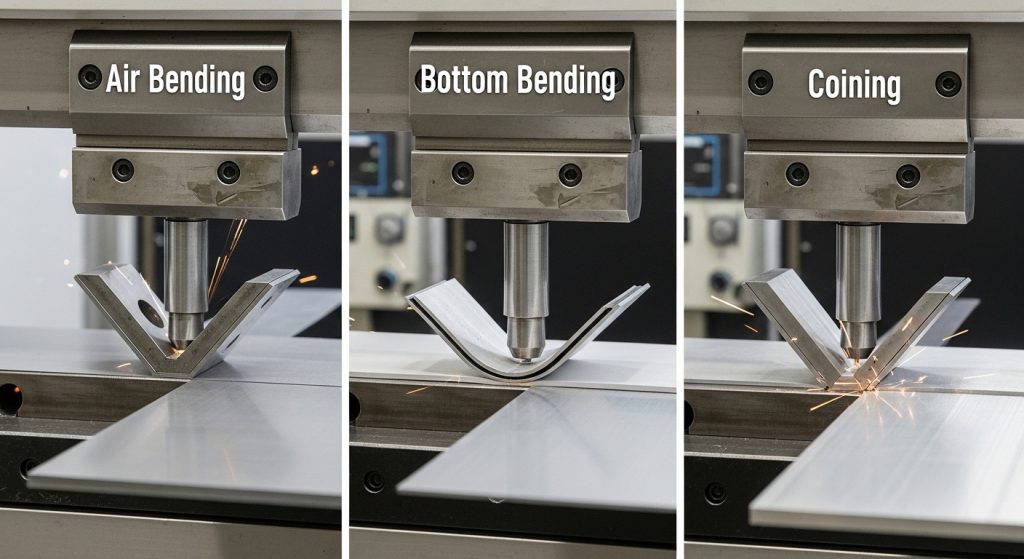
| Bending Method | Typical Force Needed | Best Use Case |
| Air Bending | 1x Baseline | Most versatile, saves tonnage |
| Bottoming | 3x to 5x Baseline | High precision on thin parts |
| Coining | 5x to 10x Baseline | Extremely tight radii, very high load |
Air bending is the best choice for most shops. It lets you bend many different angles with one set of tools. It also keeps the power requirement comparison low. This allows you to bend thicker metal on a smaller machine. Because the machine isn't working as hard, you get better long-term performance from your hydraulics and frame.
Coining is different. It actually squashes the metal to remove springback. This requires massive pressure. Most modern press brakes are not made for heavy coining. If you try to coin on a machine that isn't rated for it, you will likely break something. You should only use coining if you have a very heavy machine and specific tooling. For most jobs, air bending offers the best bending reliability.
Which Press Brake Machines Support Higher Press Brake Bending Capacity?
Heavy-duty machines use thick steel frames and oversized hydraulic cylinders to support high bending loads. Features like hydraulic oil coolers and dual-drive systems help maintain bending reliability during long shifts. A machine with a rigid frame prevents the deflection that limits your press brake bending capacity on cheaper models.
When you choose a machine, look at the frame weight. A heavier frame usually means more steel was used to resist bending forces. This stiffness is key for long-term performance. If the frame twists under load, your parts will never be straight. You also want a high-quality hydraulic system. Good valves and pumps handle high pressure without leaking or losing speed.
Bending reliability also depends on the machine's cooling system. High-tonnage jobs generate a lot of heat in the hydraulic oil. If the oil gets too hot, the machine loses power and precision. Look for machines that include heat exchangers or cooling fans. These features protect your components and ensure you can run high-capacity jobs all day long. This investment pays off in better long-term performance.
Common Mistakes When Calculating Press Brake Bending Capacity
Common mistakes include using the wrong material yield strength in calculations and failing to account for the "work hardening" of stainless steel. Many operators also ignore the safety margin or use a V-die that is too narrow. These errors lead to machine failure and poor setup logistics.
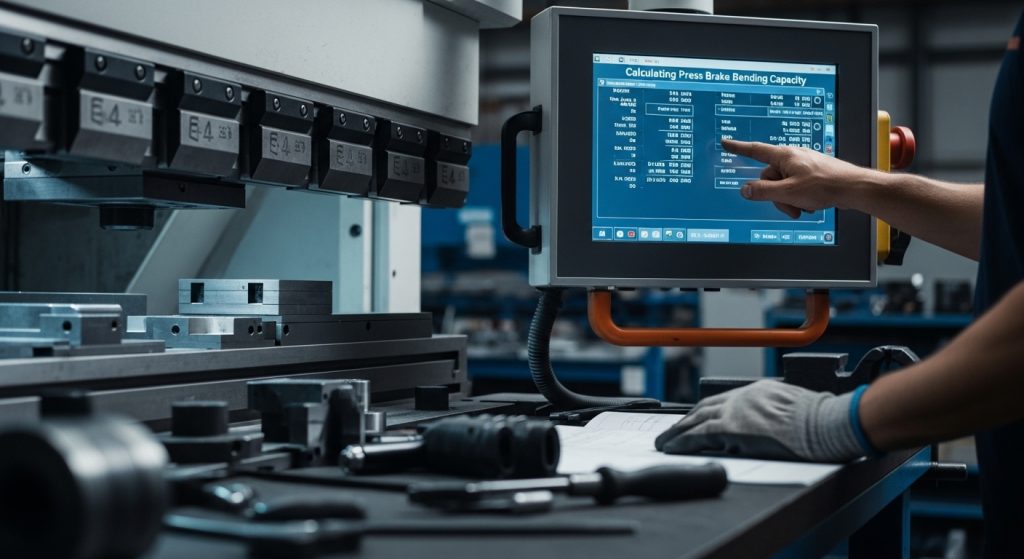
Many people use a standard tonnage chart for every type of metal. This is a mistake. A chart for mild steel will not work for high-strength alloys. If you don't adjust your power requirement comparison, you will overload the ram. Another issue is off-center loading. If you put a small, heavy part at one end of a long machine, you twist the frame. This uneven stress is bad for the machine.
You should always leave a 20% safety gap in your math. If your part needs 90 tons, use a 110-ton machine. This gap covers variations in the metal's thickness or hardness. It also means your machine isn't struggling at its absolute limit. Running a machine at 100% capacity all the time will ruin your long-term performance. Taking these precautions improves your bending reliability.
What steps should you take to prepare for a heavy bending job?
You should verify the material grade and thickness with calipers before you start. Check your tooling for any cracks or signs of wear that could cause a failure. Ensure the machine's oil level is full and the workspace is clear. Proper preparation improves your setup logistics and protects your equipment.
- Measure the actual thickness of your metal sheet.
- Confirm the yield strength matches your tonnage chart.
- Inspect the punch and die for nicks or damage.
- Check that the crowning system is active for long parts.
- Verify the tonnage limit on your specific machine controller.
Bending reliability starts with these simple checks. If you ignore them, you risk a broken tool or a damaged machine. High-capacity jobs are the most dangerous for your equipment. Even a small error in your press brake bending capacity math can have big consequences. By following a strict routine, you ensure your shop stays safe and your machines offer great long-term performance.
Press Brake Bending Capacity Example for 10mm Sheet Bending
Bending a 10mm thick mild steel plate requires a high amount of force. For a standard 80mm V-die, you need roughly 80 tons per meter. If your part is two meters long, your total requirement is 160 tons. You must check your machine's specs to ensure it can handle this concentrated load. Proper 10mm sheet bending requires heavy-duty tools that won't deform under these pressures. This setup ensures your bending reliability remains high during the entire production run. You can find more details on 10mm sheet bending to help with your planning.
When to Choose a 3200mm Press Brake for Higher Bending Capacity
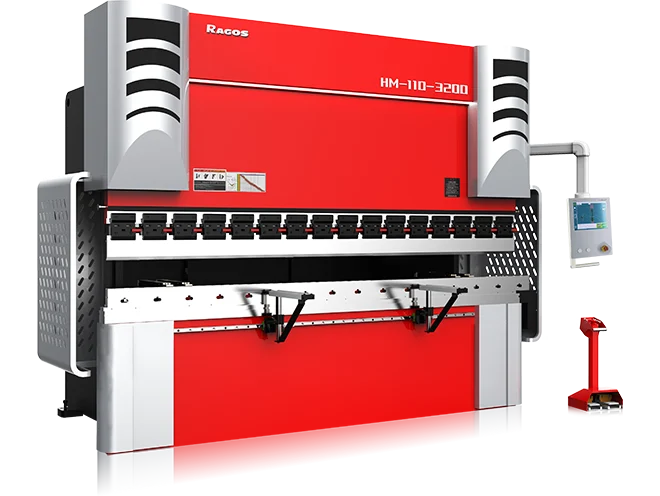
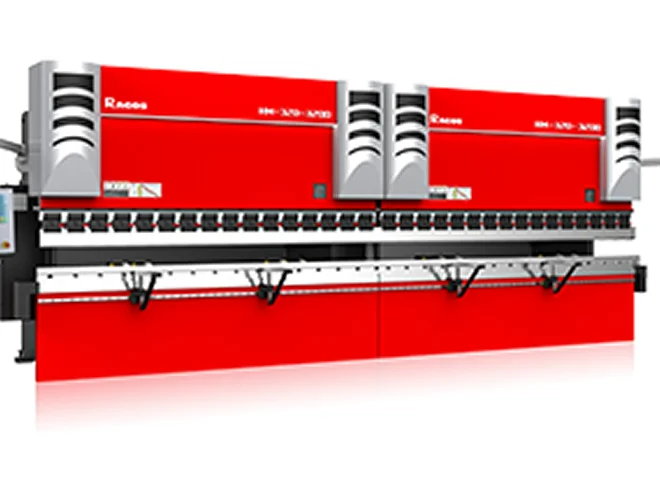
A 3200mm bed length is a standard choice for shops that handle 10-foot sheets of metal. This size provides excellent flexibility for your setup logistics. It allows you to bend long parts or multiple small parts at the same time. When you use a 3200mm press brake, you must ensure the tonnage is sufficient for your thickest material across that full length. This machine size is great for long-term performance in general fabrication shops. It offers a balance between physical footprint and total press brake bending capacity.
When You Need a 4000mm Press Brake for Large Bending Capacity Jobs
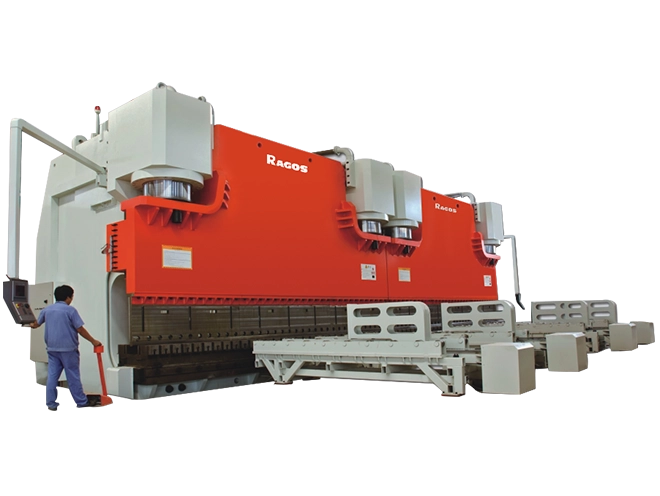
Large industrial projects often require a 4000mm press brake to handle oversized panels. These machines are built with wider gaps between the side frames. This extra space lets you bend longer parts without the material hitting the machine structure. Because these machines are so long, they need advanced crowning systems to maintain bending reliability. You should choose this size if your work involves large infrastructure parts or heavy plates. The long bed helps you manage complex setup logistics for big workpieces while keeping your production moving.
Why 200T Press Brake Supports High Press Brake Bending Capacity for Stainless Steel
Stainless steel is much tougher than mild steel and requires more pressure to bend. A 200t press brake is a strong choice for shops working with 6mm or 8mm stainless plates. This machine provides the power requirement comparison needed to overcome the metal's high yield strength. Because stainless steel has significant springback, the extra tonnage helps you achieve precise angles. Using a 200-ton machine for these jobs ensures your bending reliability is not compromised. It also protects the machine's hydraulic system, leading to better long-term performance.
How to Choose CNC Press Brake Based on Required Press Brake Bending Capacity
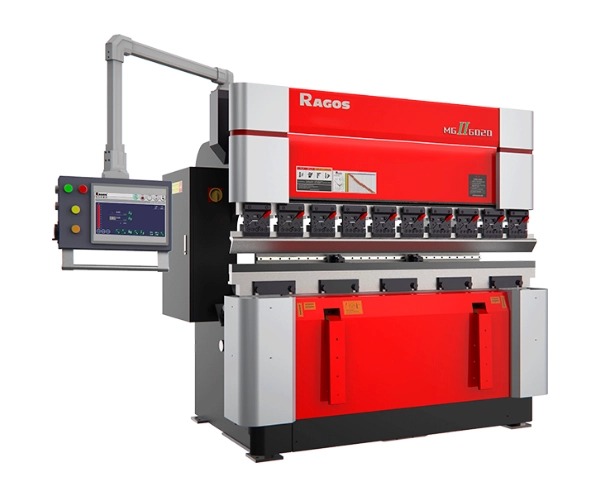
A modern CNC press brake makes managing your bending capacity much easier. The computer calculates the required tonnage for you based on the material and tools you enter. This automation reduces human error and improves your setup logistics. When you choose a CNC machine, look for software that includes a large material library. This helps you match your press brake bending capacity to specialty alloys accurately. A high-quality CNC system is the best way to ensure consistent bending reliability and excellent long-term performance for your shop.