

Wholesale CNC Bending Machines: Complete Buyer's Guide for 2026
Buying wholesale CNC bending machines means more than placing a bulk order — it means finding a supplier whose machines run reliably, ship with accurate documentation, and come backed by real after-sales support. Whether you are equipping multiple production facilities, supplying a dealership network, or reselling to regional customers, getting the sourcing process right determines your margin and your reputation.
This guide covers where to buy, what to check, how batch pricing works, and what separates a smart wholesale deal from an expensive regret.
What Are Wholesale CNC Bending Machines?
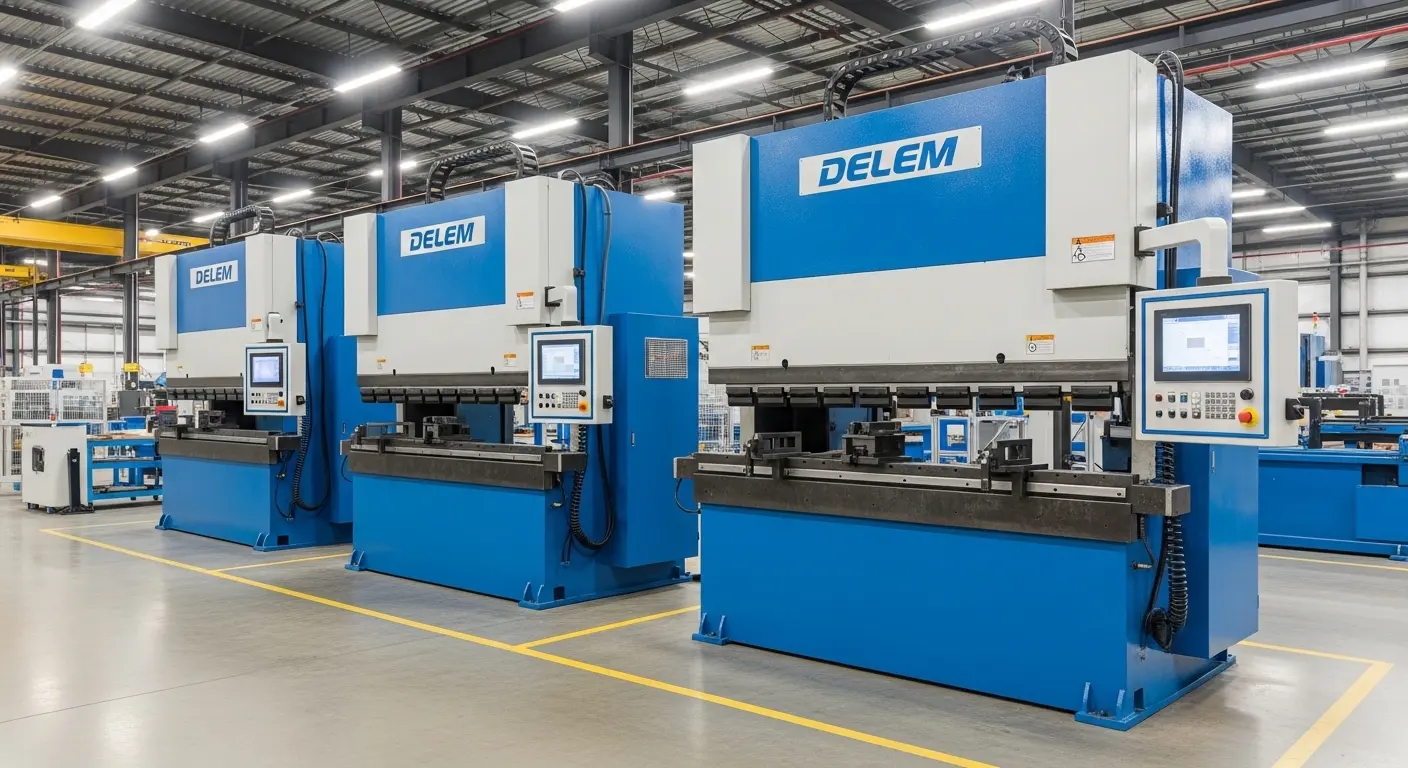
A wholesale CNC bending machine purchase means buying at factory-direct or volume pricing — typically bypassing local dealerships to source directly from manufacturers or their authorized export agents. The "wholesale" label signals intent as much as quantity: buyers in this space want competitive ex-factory pricing, flexible incoterms, and supplier-level accountability on every unit.
In most cases, wholesale buyers fall into three clear categories:
- Equipment dealers and resellers who distribute machines under their own brand or as certified stock
- Industrial buyers equipping multiple factory sites at once
- Project contractors sourcing for complete turnkey fabrication plant installations
In each case, the core need is identical: consistent machine quality, predictable delivery timelines, and pricing that leaves real margin to work with.
Who Actually Buys CNC Bending Machines in Bulk?
Understanding who buys wholesale CNC bending machines helps clarify what the market actually looks like.
Fabrication plant developers building new facilities often need 5–20 machines at once — typically a mix of tonnages from 80T to 320T to cover different material gauges. Their primary concern is project timeline, so machine availability and port-ready documentation matter as much as price.
Metal service centers upgrading aging equipment often buy in batches of two to six machines. For these buyers, controller compatibility (Delem, Cybelec, or ESA) and spare parts continuity are top priorities, because swapping controller systems mid-fleet creates training and maintenance problems.
Machinery resellers and importers purchase wholesale CNC bending machines to supply regional markets where direct manufacturer relationships are harder to build. These buyers specifically need machines with CE or regional certification, full documentation packages, and a manufacturer willing to provide OEM support or co-branding options on batch orders.
Top Sources for Wholesale CNC Bending Machines
Direct Factory Purchasing
Buying directly from the manufacturer is the most cost-effective path for wholesale CNC bending machines. Factory-direct deals cut out one or two middlemen, which saves 25–40% compared to buying through a local dealer or distributor. In addition, direct purchasing gives buyers access to custom specifications — different controller brands, added axes, custom bed lengths, or specific hydraulic component upgrades not available through resellers.
China, Turkey, and Germany lead global CNC bending machine production. For buyers targeting competitive pricing with solid export capability, Chinese manufacturers — particularly those in Jiangsu and Zhejiang provinces — offer the widest range of tonnage configurations and the fastest lead times on batch orders.
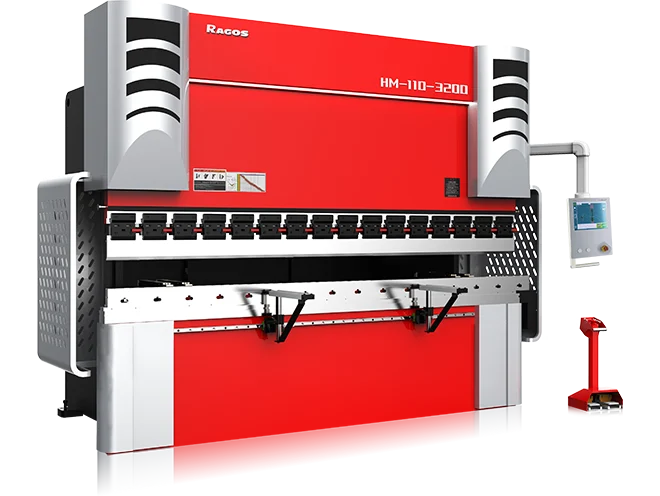
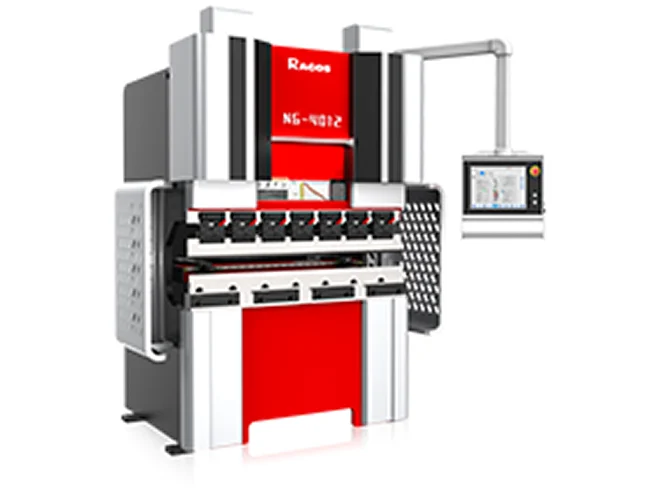
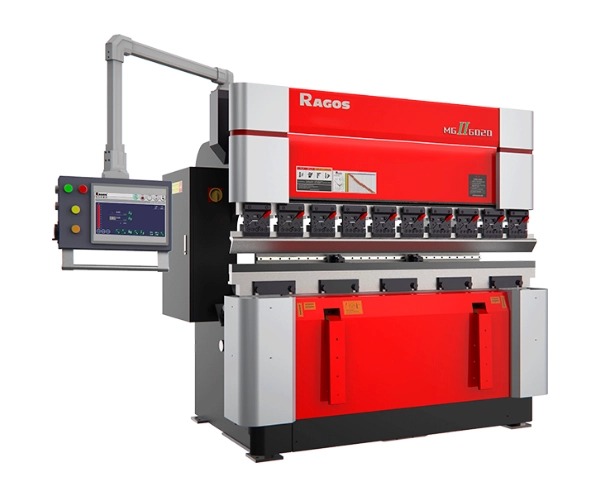
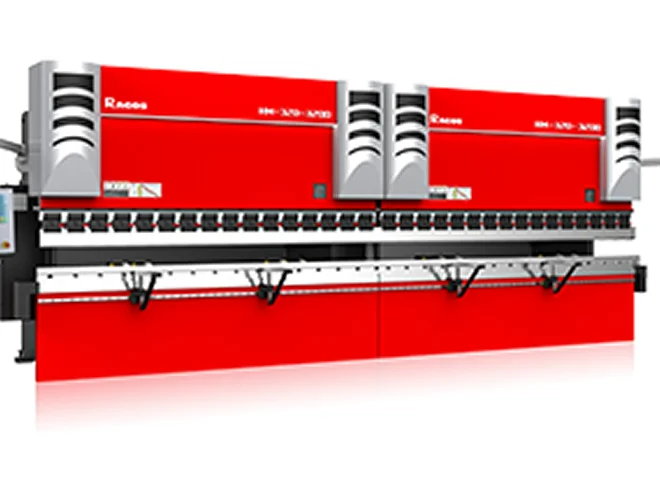
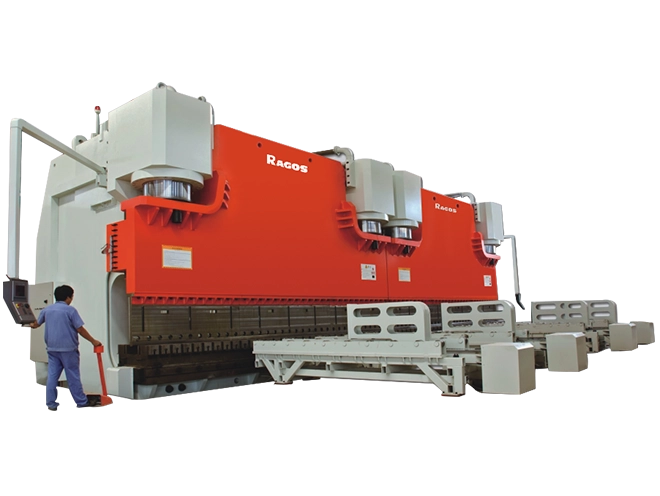
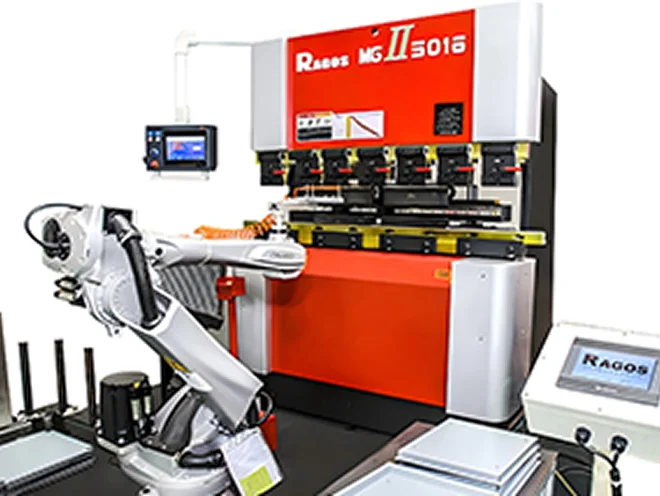
JS RAGOS, for example, produces the HG and HM series of hybrid CNC press brakes from 35T to 600T, with custom axis configurations (4-axis to 8-axis), Delem, ESA, and Cybelec controller options, and Rexroth hydraulic systems. The full specification range for the JS RAGOS CNC press brake lineup covers everything from compact workshop units to heavy industrial machines — all available for direct wholesale inquiry.
Trading Companies vs. Direct Manufacturers
Trading companies source wholesale CNC bending machines from multiple factories and sell them under a unified brand or as multi-brand catalogs. This model works well for buyers who want variety — different tonnage classes from different factories under one purchase order.
The trade-off is traceability. When something goes wrong after delivery, a trading company has limited technical control over machines they did not build. Warranty disputes become complicated when the trading company and the actual factory are separate legal entities. For this reason, buyers sourcing critical production equipment should prioritize direct manufacturers over pure traders.
For buyers looking at international sourcing channels, the JS RAGOS international CNC press brake supplier guide covers the key differences between factory-direct sourcing and trading company models across China, Turkey, and Europe.
B2B Marketplaces (Alibaba, Made-in-China)
Platforms like Alibaba and Made-in-China list thousands of wholesale CNC bending machines across every tonnage class and price point. These platforms work well for initial market research and price benchmarking. For a quick read on what $15,000 versus $50,000 buys at 110T, no faster tool exists.
The risk comes when buyers use these platforms as the sole sourcing channel. A "Gold Supplier" badge does not confirm machine quality, controller authenticity, or post-sale service capability. For wholesale orders above $30,000, request an independent SGS or third-party factory audit before any payment goes out.
How to Evaluate a Wholesale CNC Bending Machine Supplier
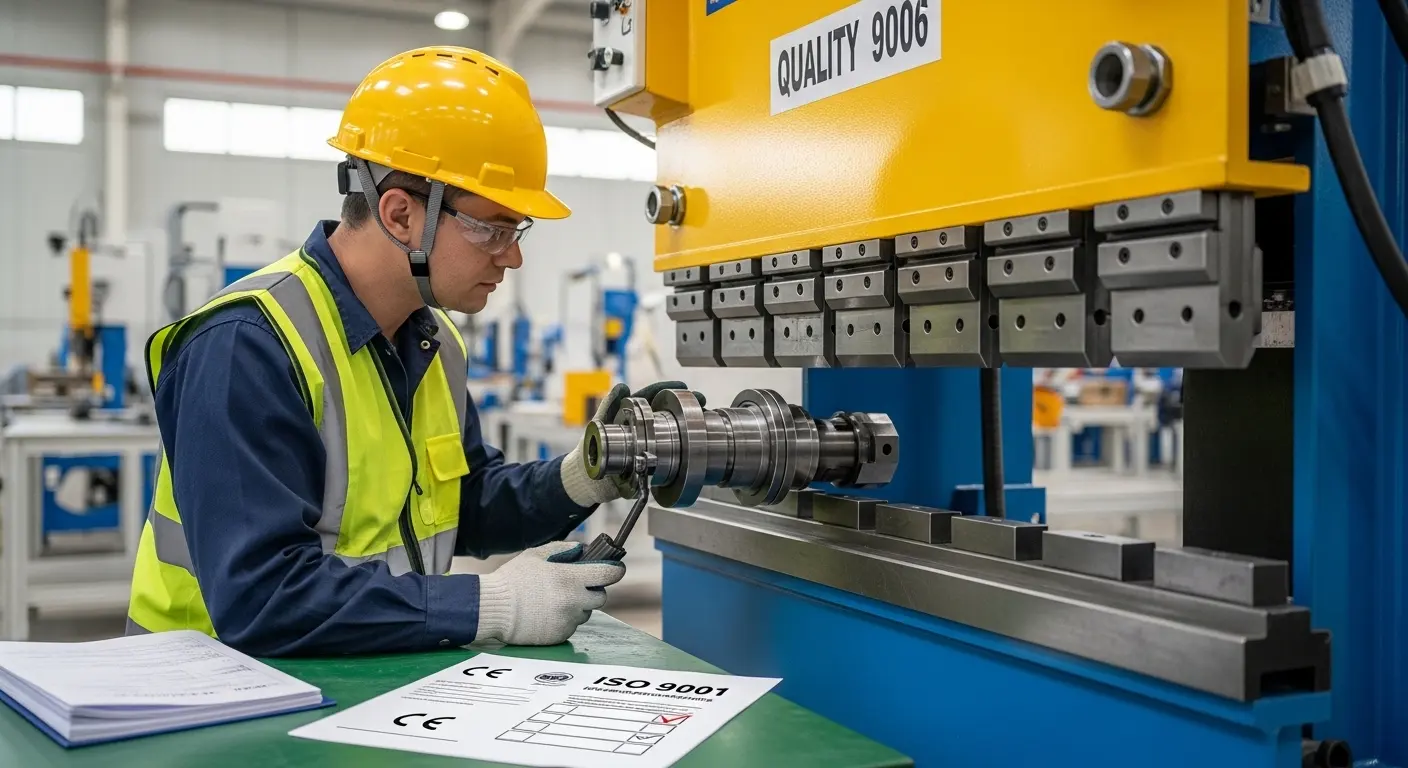
Finding a supplier is easy. Finding one that holds up six months after delivery is the real work. Here is a practical five-step evaluation process for wholesale CNC bending machines:
Step 1 — Verify certifications. CE marking, ISO 9001, and SGS audit reports are the baseline for export-grade machines. Request original documents — not scanned copies — and confirm issue dates are current.
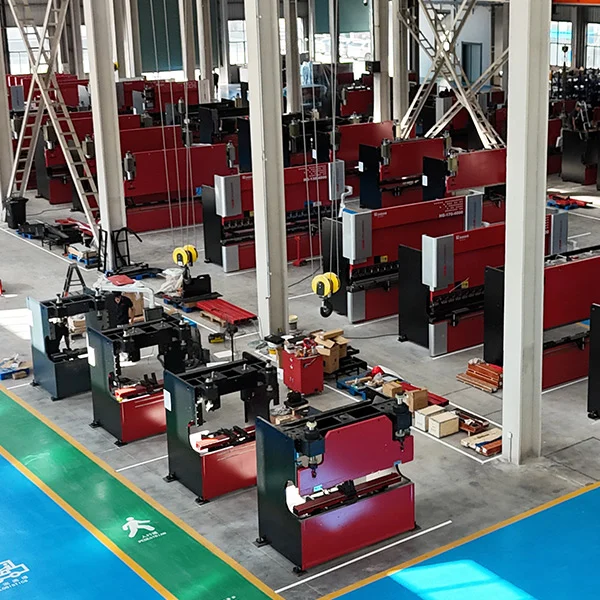
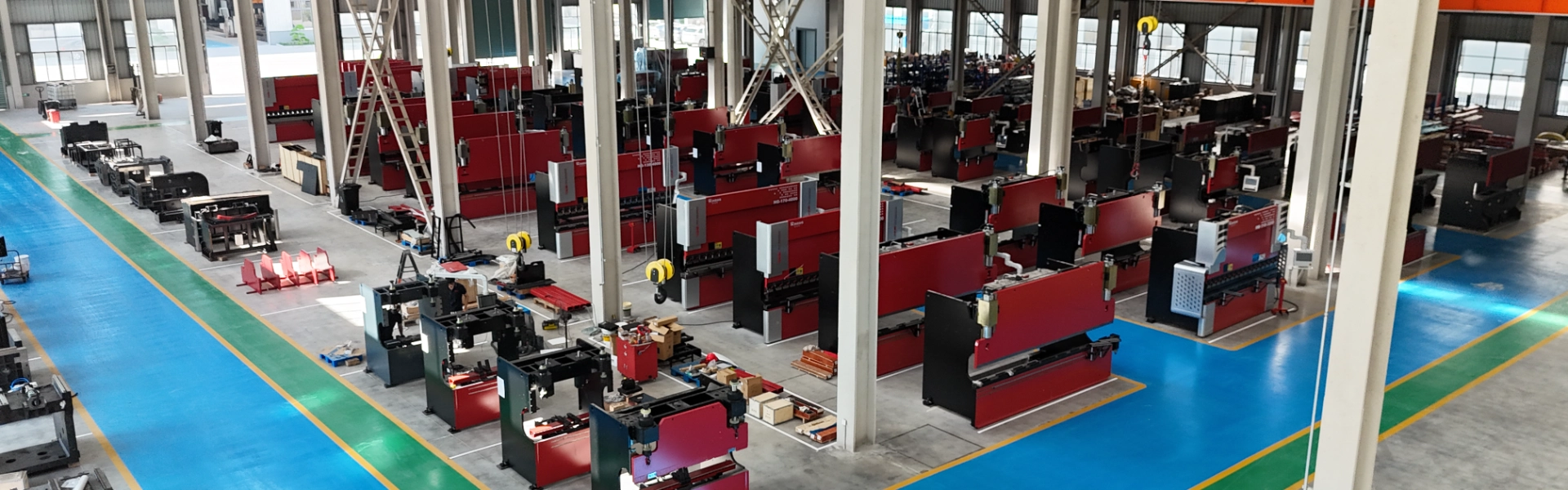
Step 2 — Request a factory video. Ask for a live video walkthrough of the production floor and a real-time test run of the specific model you are ordering. A credible manufacturer responds within 48 hours. A supplier that delays or declines that request should raise immediate concern.
Step 3 — Confirm hydraulic component brands. Ask specifically whether the system uses Rexroth or Bosch components. Entry-grade machines sometimes substitute lesser-known hydraulic brands that reduce machine longevity. This single check separates mid-range from budget-grade wholesale CNC bending machines.
Step 4 — Review packing lists and shipping documents. An experienced export manufacturer produces accurate packing lists with machine weight, dimensions, HS code classification, and installation instructions. Sloppy documentation causes customs delays that cost real money per day in storage fees and lost production.
Step 5 — Ask about spare parts availability. What is the parts lead time for the controller, hydraulic pump, and backgauge motors to your country? A five-week wait on a standard component is an unacceptable risk in active production.
For a structured pre-purchase framework, the JS RAGOS import questions checklist walks through warranty scope, incoterm implications, and documentation requirements before any payment goes out.
Wholesale CNC Bending Machine Price Ranges in 2026
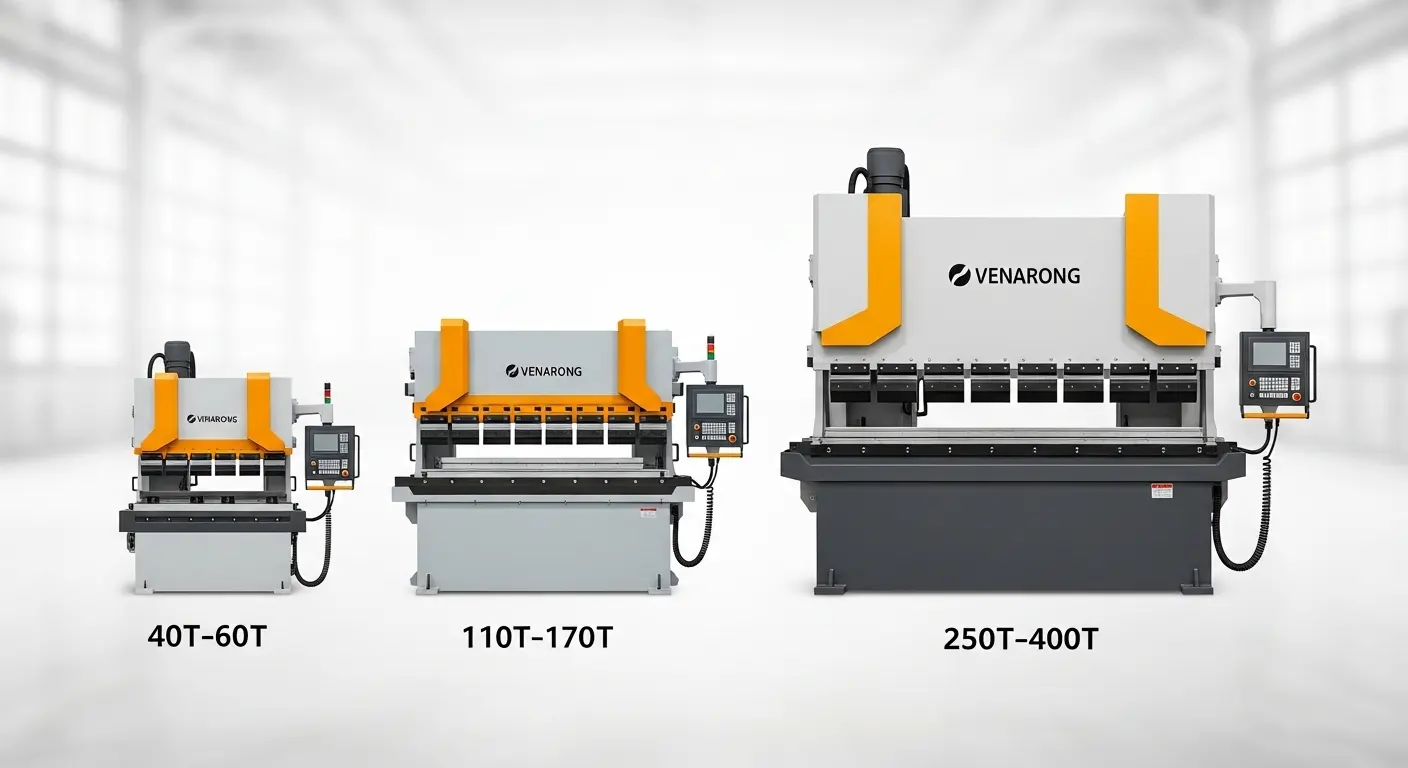
Price for wholesale CNC bending machines varies by tonnage, controller brand, and country of manufacture. Here is a practical reference table for 2026 EXW (ex-factory) pricing on standard hydraulic CNC configurations:
| Tonnage | Bed Length | EXW Price Range (USD) | Best For |
|---|---|---|---|
| 40T – 60T | 1600mm – 2000mm | $12,000 – $25,000 | Light gauge, workshop production |
| 80T – 110T | 2500mm – 3200mm | $25,000 – $50,000 | Most common production class |
| 130T – 170T | 3200mm – 4000mm | $50,000 – $90,000 | Mid-heavy structural fabrication |
| 220T – 250T | 4000mm – 6000mm | $90,000 – $150,000 | Heavy plate, large component work |
| 320T – 400T | 5000mm – 6000mm | $140,000 – $220,000 | Industrial heavy-duty class |
Wholesale pricing — for two or more units ordered simultaneously — typically brings the per-unit price down by 8–15% depending on manufacturer and order size. Buyers ordering five or more machines can often negotiate controller upgrades, extended warranty terms, or additional tooling sets as part of the batch agreement.
Key Specifications to Check Before Placing a Wholesale Order
When sourcing wholesale CNC bending machines, specifications determine whether the machine actually matches your customers' or facilities' production requirements. Before finalizing any batch order, check these four points:
Frame weight. A heavier frame deflects less at full tonnage, which directly produces consistent bend angles on long plates. Ask for the machine weight at your specific tonnage — it tells you more about actual build quality than any headline spec.
Controller brand and serviceability. Delem (Netherlands), Cybelec (Switzerland), and ESA (Italy) maintain verified distributor networks globally. Controllers from lesser-known brands may perform well initially but create serviceability gaps within three to five years when firmware updates stop or replacement boards go out of stock.
Backgauge position accuracy. A specification of ±0.03mm or better is the baseline for precision production. Machines advertised with "high precision" but no specific tolerance figure are marketing, not engineering data.
Hydraulic component origin. Rexroth and Hawe are the quality benchmarks for press brake hydraulics. Request photos of the physically installed hydraulic components during production — not just the spec sheet — to confirm what is actually built into your machines.
For technical deep-dives on specific configurations, controller selection, and machine operation parameters, the JS RAGOS press brake industry insights blog covers real-world production topics across multiple machine types and use cases.
Common Mistakes When Buying Wholesale CNC Bending Machines
Buyers of wholesale CNC bending machines make the same avoidable errors repeatedly. Here are the most costly ones, with what to do instead:
Choosing price over frame weight. A machine priced 20% below competitors often achieves that by reducing structural steel in the frame. A lighter frame delivers inconsistent results on bending lengths over 3 meters. Over two years of production, elevated reject rates on lighter frames quietly erase the initial price saving — and then some.
Ignoring incoterm implications. FOB ends the supplier's responsibility when the container loads at the origin port. CIF covers ocean freight and insurance but leaves customs clearance to the buyer. DDP hands full delivery responsibility to the supplier — the simplest option for buyers with limited import logistics experience. Picking the wrong incoterm creates real surprise costs on delivery day.
Skipping pre-shipment inspection. For any wholesale order above $50,000, a third-party pre-shipment inspection through SGS or Bureau Veritas is worth the $300–$500 cost. It confirms machine specifications, packing quality, and documentation accuracy before the container leaves the port — not after it arrives at your warehouse.
Not confirming spare parts supply continuity. Controller hardware changes over time. Ask directly whether your specific controller model will have available firmware updates and replacement boards for at least seven years. Any credible wholesale CNC bending machine supplier answers that question clearly and confidently.
For buyers sourcing from Chinese manufacturers specifically, the CNC press brake Chinese factory sourcing guide covers the exact factory-level checks that separate reliable export-grade production from price-led shortcuts.
Frequently Asked Questions About Wholesale CNC Bending Machines
What is the minimum order quantity for wholesale CNC bending machines?
Most manufacturers set the MOQ for wholesale CNC bending machines at one unit at factory-direct pricing. Volume discounts typically begin at two units and increase meaningfully at five or more, where buyers can negotiate added tooling, controller upgrades, or extended warranty terms as part of the batch deal.
How long does a wholesale CNC bending machine order take to deliver?
Standard lead times for wholesale CNC bending machines run 30 to 60 days for stock configurations and 45 to 90 days for custom-specified builds. Ocean freight from China to the Middle East adds 18–25 days; to Europe, 25–35 days; and to North America's East Coast, 30–40 days.
Can I order custom specifications on a wholesale batch?
Yes — most direct manufacturers accept custom specifications on wholesale CNC bending machines, including custom tonnage-to-length combinations, specific controller models, additional backgauge axes, laser safety systems, and custom branding. Custom orders typically require a 60–90-day lead time and a higher upfront deposit.
What certifications should wholesale CNC bending machines carry?
CE marking is required for European markets. ISO 9001 covers the manufacturer's production quality management process. For Middle Eastern and South Asian import markets, an SGS inspection certificate provides independent quality assurance. Always request original documents, not copies.
Which country produces the best value wholesale CNC bending machines?
China offers the widest range at the most competitive pricing, particularly for the 80T–250T class. Turkish manufacturers like Durma deliver CE-certified machines at 30–50% below European brand pricing — strong value for Middle East and African buyers. European brands like TRUMPF and Bystronic lead on precision and speed but at 2–3x the cost of Chinese alternatives.