

Electric Press Brake 40 Ton: Best Use Cases and ROI Factors
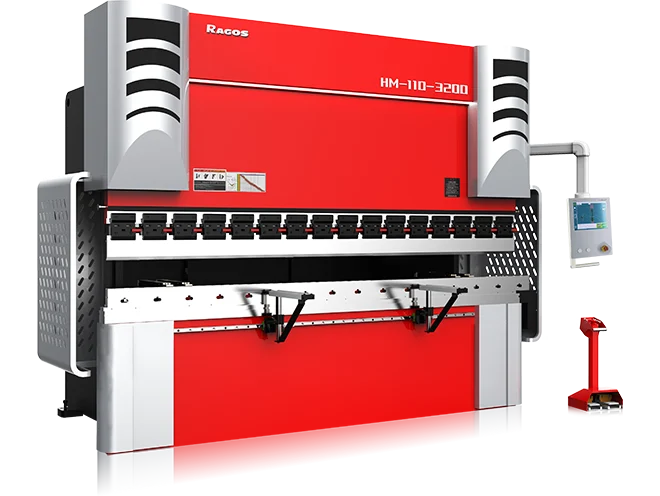
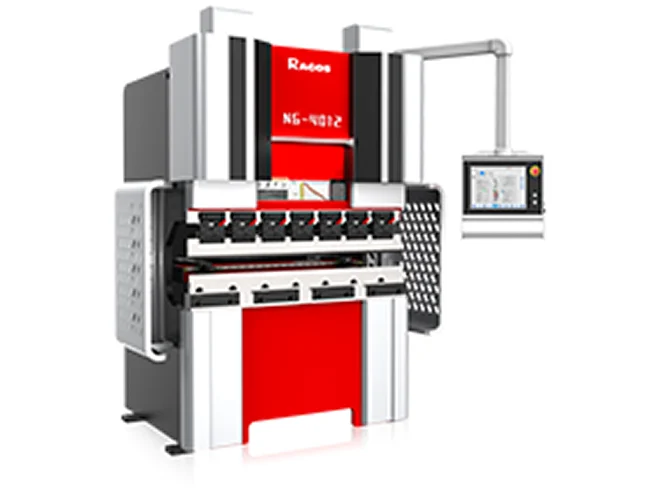
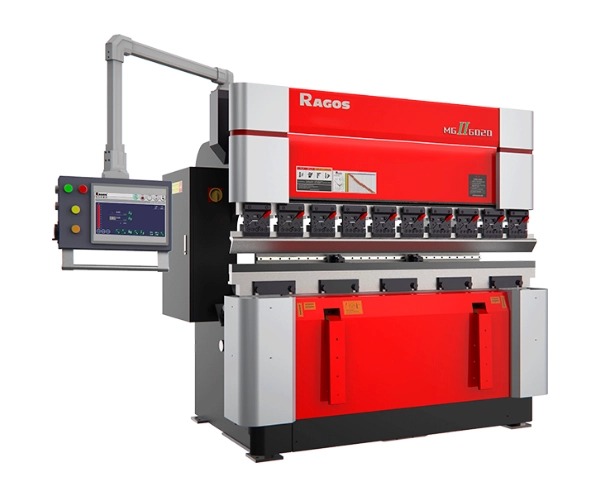
An electric press brake (40 ton) is a high-precision, servo-driven machine designed for high-speed bending of small to medium-sized parts. Unlike traditional hydraulic systems, these machines use electric motors to provide instant torque, resulting in faster cycle times and significantly higher accuracy (often within +/- 0.01mm). They are best used for thin-gauge materials—typically up to 3mm or 4mm thickness depending on the bend length—in industries like electronics, medical devices, and aerospace. For manufacturers, the primary value lies in the lower cost per part achieved through 50% less energy consumption, zero hydraulic oil maintenance, and reduced setup times. If your production involves high-volume, intricate components, the 40-ton electric model is the industry standard for efficiency.
Why Choose a 40-Ton Electric Press Brake for Precision Bending?
The 40-ton capacity represents the "sweet spot" for precision sheet metal shops. While larger machines can handle heavier plate, they lack the agility required for small, complex brackets or enclosures. Electric models utilize a servo-belt or ball-screw drive system that eliminates the "dwell time" common in hydraulic cylinders.
The Advantage of Servo-Drive Technology
In an electric system, power is only consumed when the ram is moving. This provides a massive advantage in repeatability. Because there is no hydraulic oil to heat up, the machine’s performance doesn't drift throughout a shift. You get the same perfect 90-degree bend at 8:00 AM as you do at 4:00 PM.
What are the Best Use Cases for a 40-Ton Electric Press Brake?
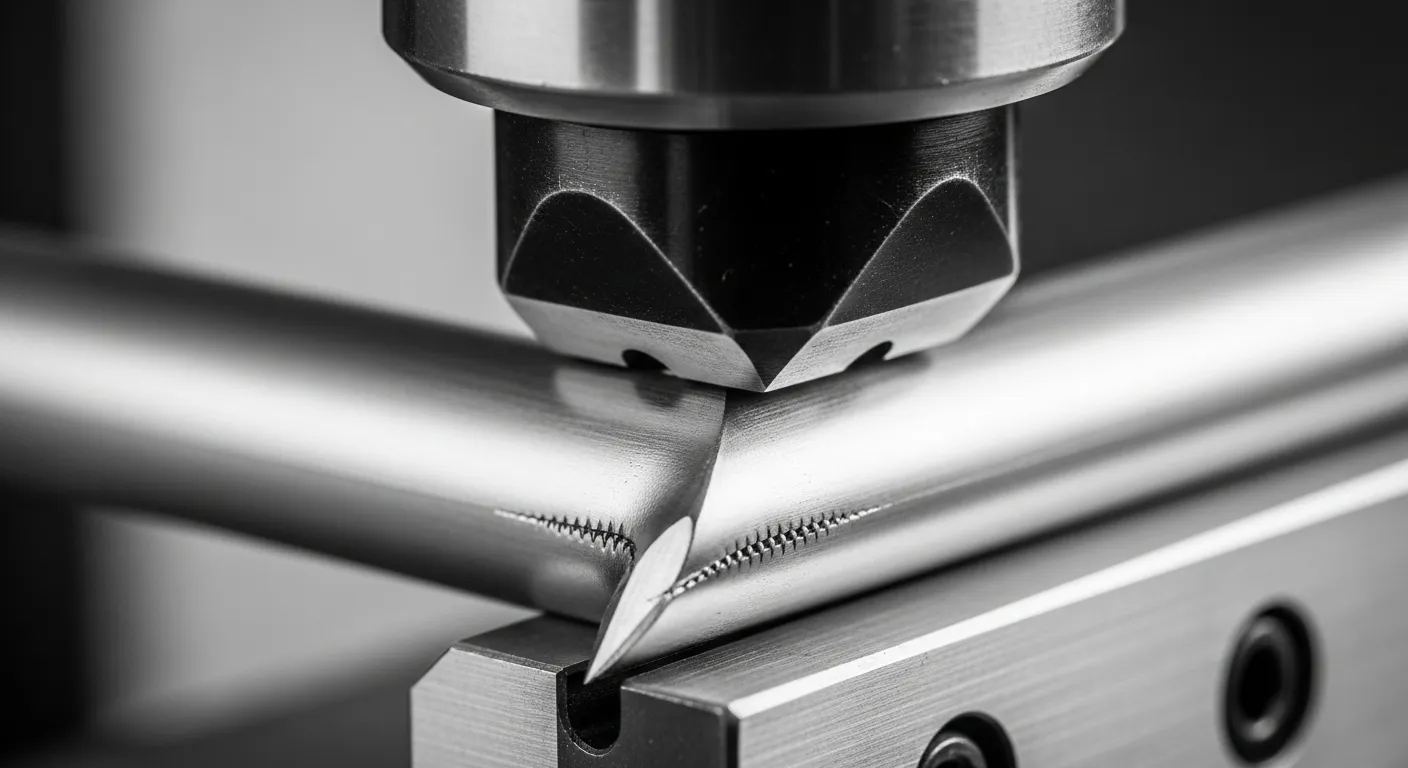
A 40-ton electric press brake is ideal for parts requiring tight tolerances and frequent setup changes. Because of its compact frame, it is often used in lean manufacturing cells where floor space is at a premium.
- Electronics Enclosures: Bending small aluminum or stainless steel housings for circuit boards.
- Medical Equipment: Creating intricate stainless steel components that require surgical-grade precision.
- Automotive Brackets: Rapidly producing small support brackets where speed is more critical than raw tonnage.
- Prototyping: The ease of programming makes it perfect for short-run jobs and R&D.
To maximize these use cases, choosing the right press brake tooling and accessories is essential for ensuring the machine can handle diverse geometries without damaging the material.
How Much Power Does an Electric Press Brake Save?
On average, an electric press brake uses 50% to 70% less electricity than a comparable hydraulic machine. While a hydraulic pump runs constantly to maintain pressure, the electric motor only draws significant current during the actual bending stroke.
| Feature | Hydraulic Press Brake (40T) | Electric Press Brake (40T) |
| Idle Power Consumption | High (Pump stays on) | Near Zero |
| Maintenance | Oil changes, seals, filters | Greasing mechanical parts |
| Precision | +/- 0.05mm | +/- 0.01mm |
| Noise Level | 75-85 dB | < 70 dB |
What thickness can a 40-ton press brake bend?
A 40-ton press brake can typically bend mild steel up to 3mm (11 gauge) over a standard 1-meter length. If the part width is significantly shorter, such as 200mm, it can handle thicker materials up to 6mm, provided the tooling V-opening is sized correctly.
The relationship between tonnage and thickness is governed by the V-die width. A narrower die requires more pressure. When sourcing equipment, it is helpful to use a Global CNC Press Brake Sourcing RFQ Template to ensure the vendor provides a tonnage chart specific to their electric drive's capabilities.
Is an electric press brake better than a hydraulic one?
Yes, for applications under 100 tons, electric press brakes are generally superior in terms of speed, accuracy, and energy efficiency. However, hydraulic machines remain the better choice for very high-tonnage applications (200+ tons) or where initial purchase price is a bigger concern than long-term operating costs.
Electric machines offer a "cleaner" shop environment. There are no leaks, no hazardous waste from oil changes, and the noise reduction makes the workspace much more comfortable for operators.
Calculating ROI: Factors That Pay for the Machine
When evaluating the ROI of a 40-ton electric press brake, don't just look at the sticker price. Look at the Total Cost of Ownership (TCO).
- Reduced Cycle Times: The high-speed ram movement can increase parts-per-hour by up to 30%.
- Zero Oil Costs: You save thousands over the machine's life by avoiding hydraulic fluid and filter replacements.
- Accuracy/Less Scrap: High repeatability means fewer ruined parts, which is vital when working with expensive materials like copper or polished stainless steel.
- Labor Efficiency: Modern electric brakes often feature advanced CNC interfaces that make tooling & automation for CNC press brakes easier to integrate, reducing the need for highly skilled manual labor.
Can You Automate a 40-Ton Electric Press Brake?
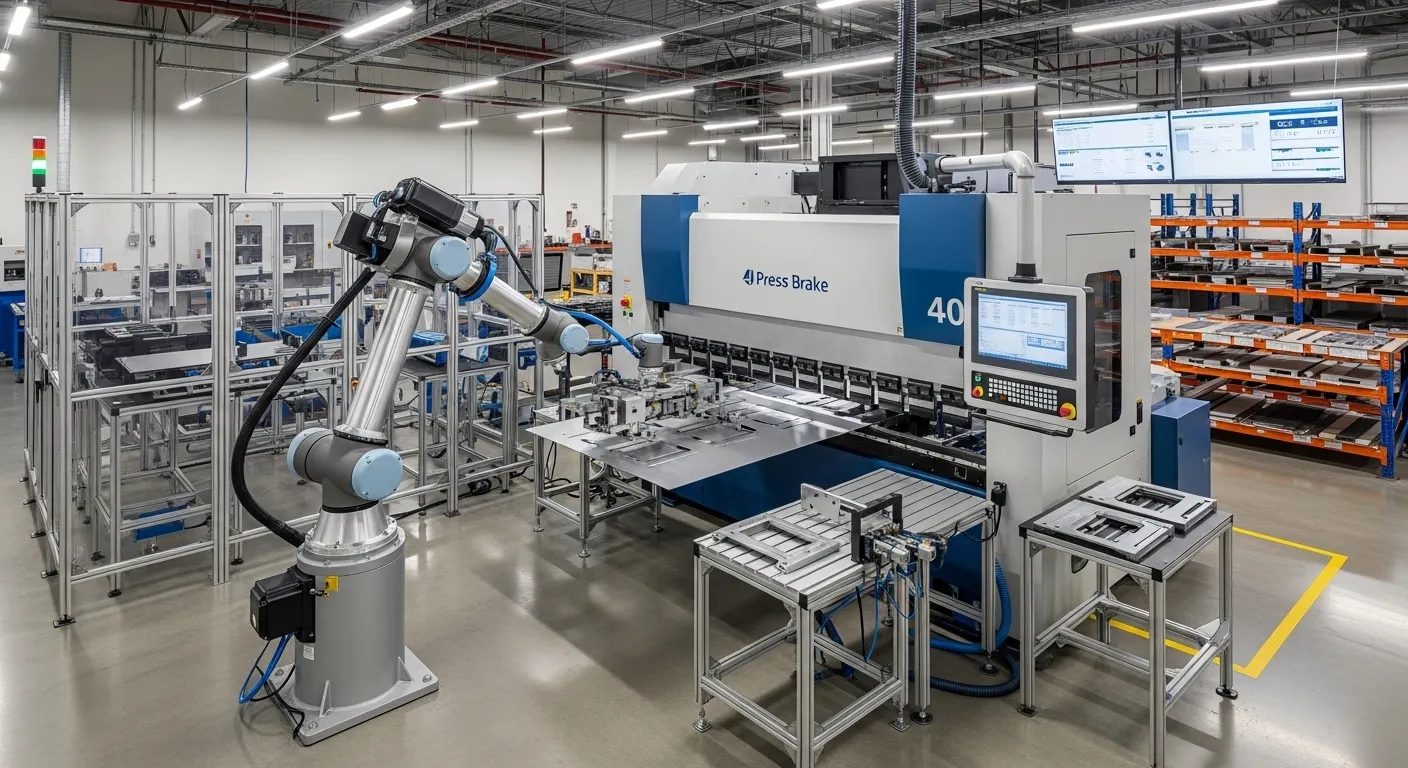
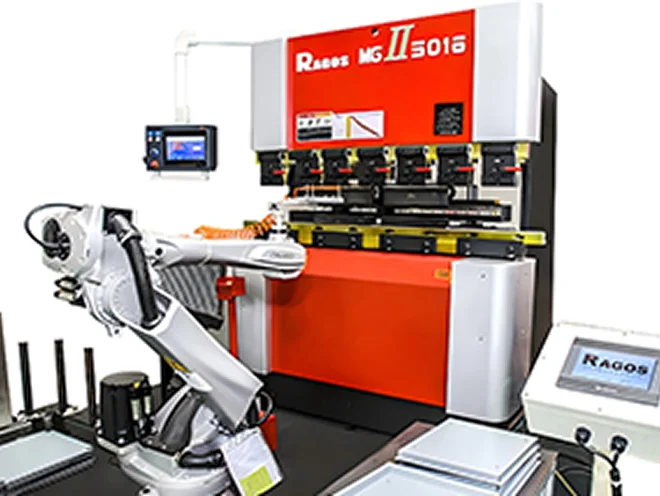
Absolutely. Because electric brakes are digitally controlled and highly consistent, they are the preferred platform for CNC press brake automation.
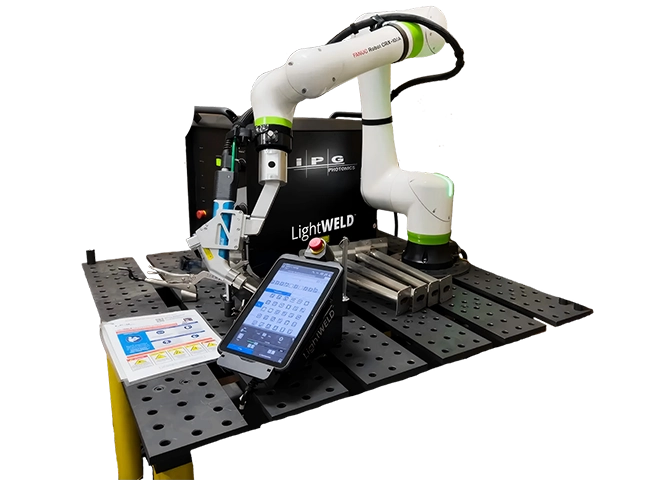
Small 40-ton units are frequently paired with cobots (collaborative robots). The robot handles the repetitive flipping and positioning of the small parts, while the electric brake provides the high-speed stroke. This combination allows for "lights-out" manufacturing on simple bracket jobs.
Frequently Asked Questions
With proper lubrication of the ball screws or belts, an electric press brake can last 15-20 years. The lack of heat-related wear (which affects hydraulic seals) often leads to a longer component lifespan.
Most 40-ton models run on standard 3-phase industrial power. Because they don't have the high-surge startup of a large hydraulic motor, they are often easier on a facility's electrical grid.
Most 40-ton electric brakes feature a bed length between 1250mm and 1500mm. This makes them ideal for small-to-midsize parts.
Conclusion
The electric press brake 40 ton is a powerhouse for modern fabrication shops looking to increase throughput without increasing their carbon footprint or floor space. While the initial investment may be higher than a traditional hydraulic machine, the gains in speed, accuracy, and energy savings provide a rapid return on investment.
Ready to upgrade your shop's precision? Start by evaluating your most common part sizes and thickness, and ensure you have the right tooling and accessories to match your new high-speed capabilities.