

Affordable Press Brake for Small Workshop: Spec a Machine That Won’t Limit You
The "cheap machine trap" is the most common pitfall for growing fabrication shops. At JSRagos, we have seen that the lowest sticker price often leads to the highest cost per part due to setup delays and limited geometry. To spec an affordable press brake for a small workshop, you must balance tonnage, controller sophistication, and physical footprint to ensure long-term ROI.
What size press brake do I need for a small workshop?
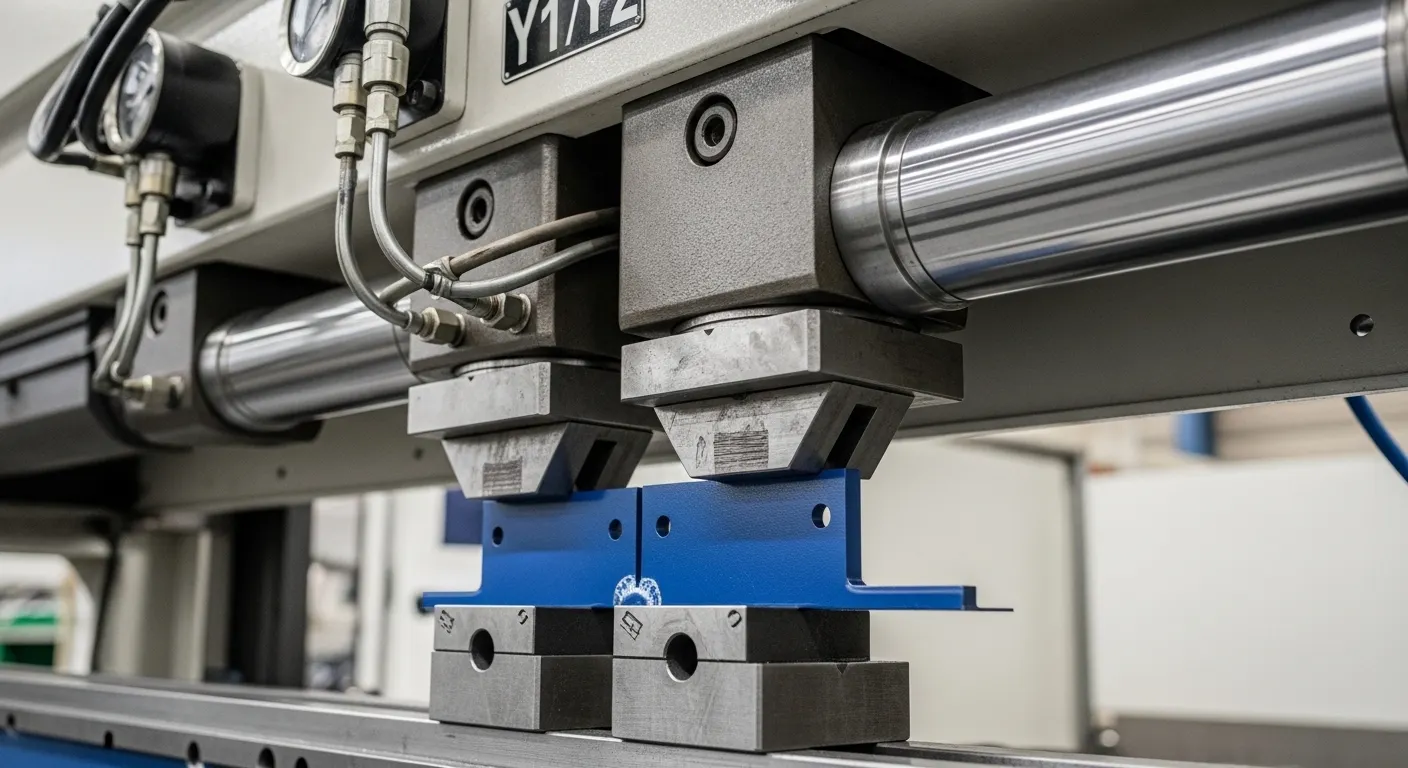
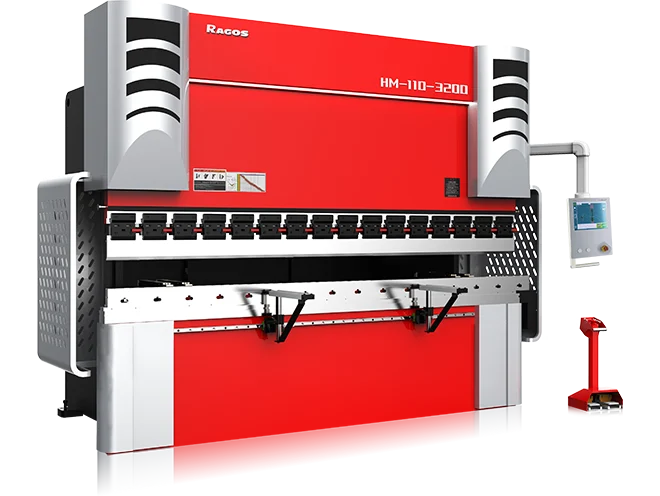
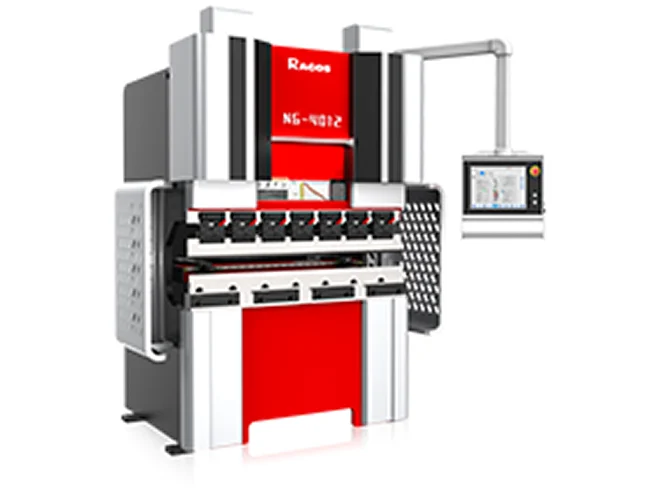
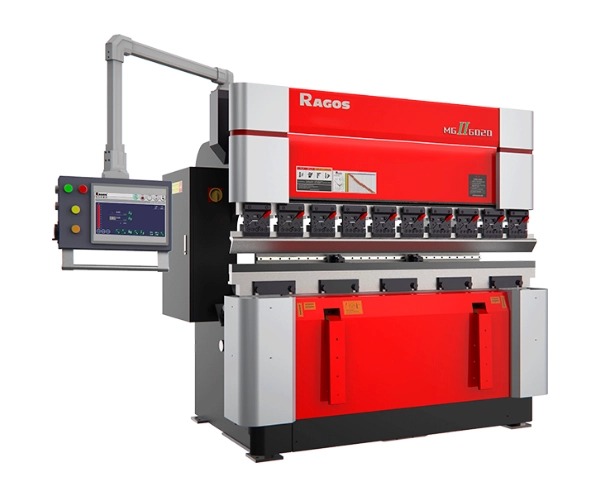
For a small workshop, the ideal CNC press brake typically ranges from 40 to 80 tons with a bed length of 1.2 to 2.5 meters. This capacity allows you to comfortably bend 10-gauge mild steel at 2-meter lengths. We recommend prioritizing a compact footprint and Y1/Y2 hydraulic synchronization to ensure high-precision results for complex, small-part production.
The "Overspec" Rule for Longevity
In our experience assisting shops with machine selection, we always advise the "20% Buffer." If your thickest part requires 50 tons of pressure, spec a 60-ton machine. Running a machine at 100% capacity daily accelerates seal wear and frame fatigue.
By following a step-by-step buyer’s checklist, you can identify these capacity requirements before signing a purchase order.
How much does an affordable press brake cost in 2026?
An affordable, high-quality Tier 2 CNC press brake in 2026 typically ranges from $35,000 to $75,000 landed and commissioned. While the base factory price is a primary factor, you must also budget for 25% Section 301 tariffs, ocean freight, and professional rigging. Investing in a machine with name-brand components ensures lower long-term maintenance costs.
Total Cost of Ownership (TCO) Breakdown
When we help clients calculate their investment, we look beyond the invoice. A machine that uses standard tooling and automation will save thousands over its lifespan compared to a proprietary system.
| Expense Category | Estimated Cost (USD) | Notes |
| Base Machine (40-60 Ton) | $32,000 - $45,000 | Includes CNC controller (Delem/Cybelec) |
| Shipping & Tariffs | $8,000 - $15,000 | Varies by port and current trade policy |
| Rigging & Electrical | $3,500 - $6,000 | Professional leveling and 480V hookup |
| Initial Tooling Starter Kit | $4,000 - $7,000 | V-dies and top punches for core jobs |
Should I choose hydraulic or electric for a small shop?
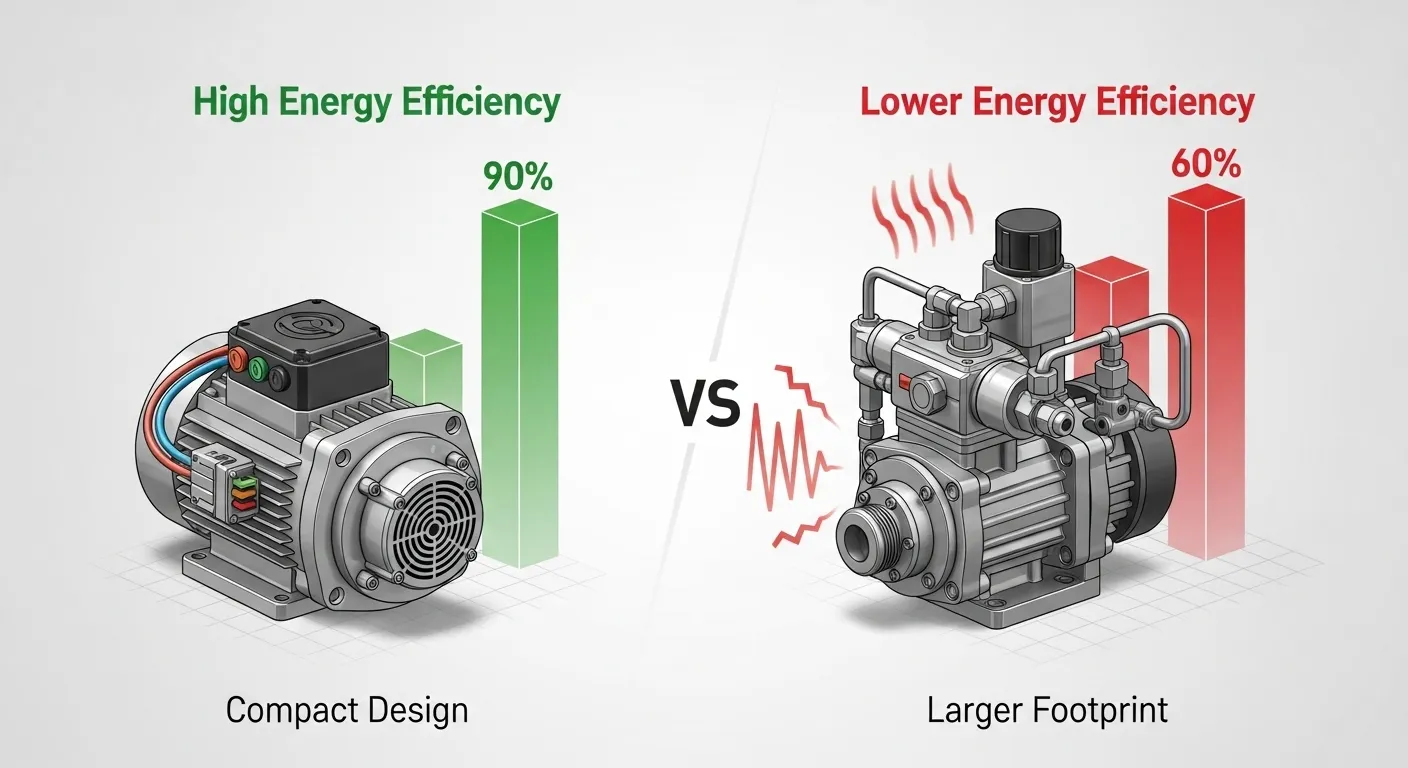
Choosing a servo-electric press brake is best for small shops focusing on speed and 0.01mm repeatability, as they eliminate oil changes and reduce energy use. However, hydraulic press brakes remain the most cost-effective choice for high-tonnage applications. For most versatile workshops, an electro-hydraulic Y1/Y2 system offers the best balance of price and performance.
Efficiency and Maintenance
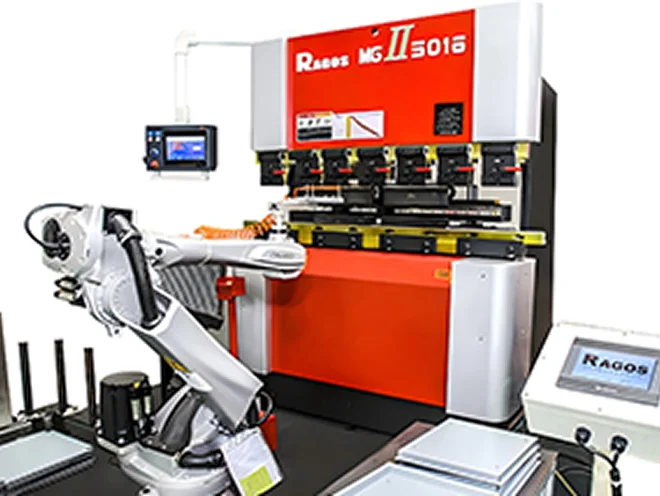
At JSRagos, we’ve observed that servo-electric models are gaining ground in 2026 due to their silent operation—a major benefit in small, confined workspaces. If your workflow involves automatic CNC press brake features, the integration with electric drives is often more seamless.
Geometry Constraints: The "Silent Killers" of Capability
A press brake’s value is often hidden in its frame geometry. If the throat depth is too shallow, you cannot bend deep 4-sided boxes. If the stroke length is too short, you won't have enough clearance for gooseneck punches used in complex offsets.
- Throat Depth: Ensure at least 250mm-400mm for versatile box bending.
- Open Height: Look for 400mm+ to accommodate tall European-style tooling.
- Backgauge Reach: A 4-axis or 6-axis backgauge is essential for high-mix production.
The "Brain" of the Operation: Controller Standards
A machine is only as fast as its operator can program it. In 2026, we recommend controllers that support offline programming and direct DXF imports.
- Delem or Cybelec: These are industry benchmarks for a reason—parts and support are available globally.
- Offline Programming: Allows you to program the next job while the machine is still running the current one.
- Industry 4.0 Connectivity: Essential for remote diagnostics, saving you thousands in technician travel fees.
Frequently Asked Questions
An NC (Numerical Control) machine typically controls only the depth (Y) and backgauge (X) via simple inputs. A CNC (Computer Numerical Control) machine allows for full 3D simulation, automatic bend sequencing, and multi-axis control, which significantly reduces setup time and scrap material in small shops.
Most industrial CNC press brakes require 3-phase power (220V or 480V). While phase converters exist, they can be unreliable for sensitive CNC electronics. We recommend consulting an electrician to ensure your workshop's power grid can handle the startup surge of a hydraulic motor.
Modern controllers like the Delem DA-53T are designed for "touch-and-go" operation. In our experience, an operator with basic fabrication knowledge can be productive within two days of training. The software handles the complex bend calculations that used to require years of manual expertise.