

Variable Angle CNC Press Brake: When It Beats Standard Bending
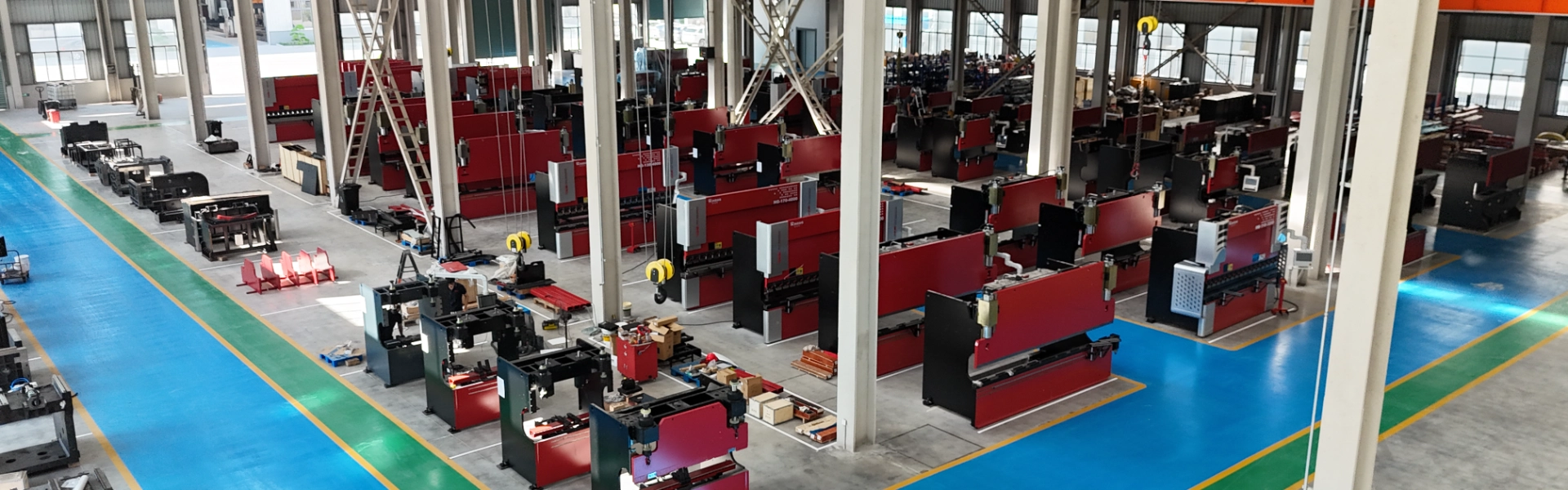
Selecting the right metal-forming equipment is the difference between a high-efficiency production line and a bottleneck in your workshop. As a professional manufacturer specializing in precision machinery, JS Ragos has observed a significant shift toward variable angle CNC press brakes as the industry standard for complex, high-tolerance fabrication.
The "Triple Threat" Advantage: Accuracy, Speed, and Flexibility
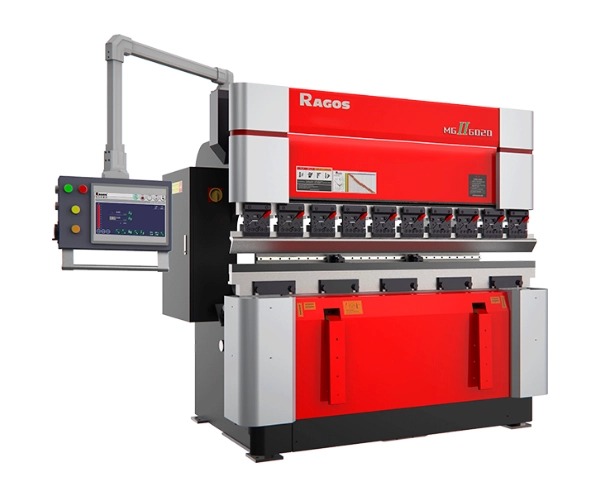
A variable angle CNC press brake provides a competitive edge by combining multi-axis movement with real-time feedback systems to handle non-standard geometries. This setup outperforms traditional methods by reducing setup times by up to 70%, eliminating manual trial-and-error, and ensuring that every bend—regardless of angle complexity—remains consistent across high-volume production runs.
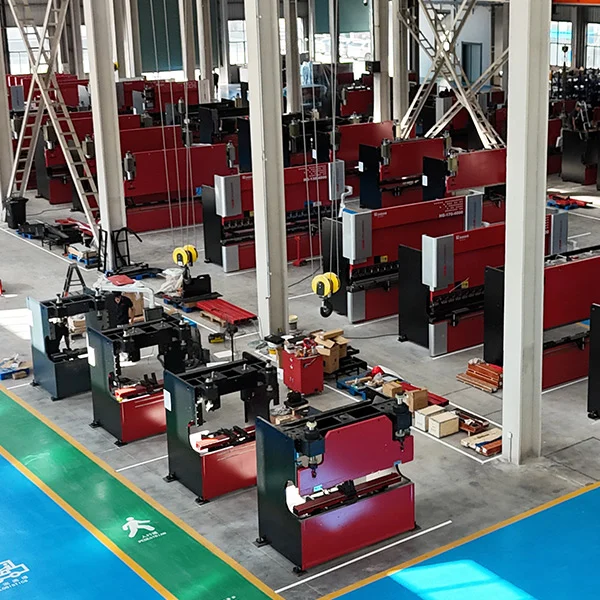
In our manufacturing facility, we have seen how moving from a basic 2-axis NC brake to a multi-axis system transforms output. For instance, when we produce components for complex electrical cabinets, the ability to program varied angles in a single sequence prevents the operator from having to reset the machine for every individual bend.
Our experience with precision sheet metal bending demonstrates that flexibility isn't just a luxury; it is a requirement for modern "High-Mix, Low-Volume" (HMLV) production environments. By utilizing advanced Delem or ESA control systems, we allow operators to simulate the bending process in 3D before the ram even touches the material.
- Reduced Scrap: Real-time calculations account for material grain and thickness.
- Versatility: Switch between stainless steel, aluminum, and carbon steel without manual recalibration.
- Efficiency: Integrated backgauge systems like the 4-axis or 6-axis configurations allow for complex part positioning.
Technical Comparison: Standard vs. Variable Angle Systems
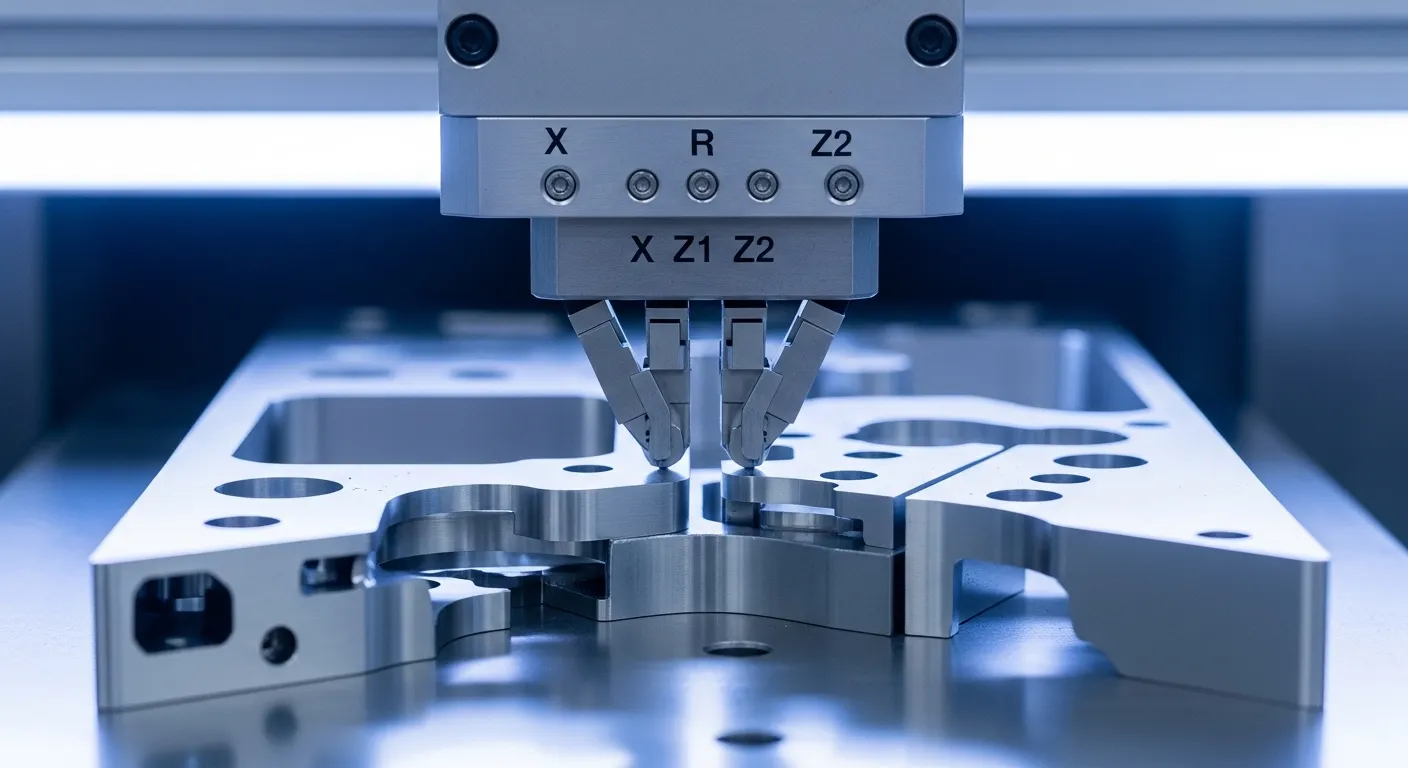
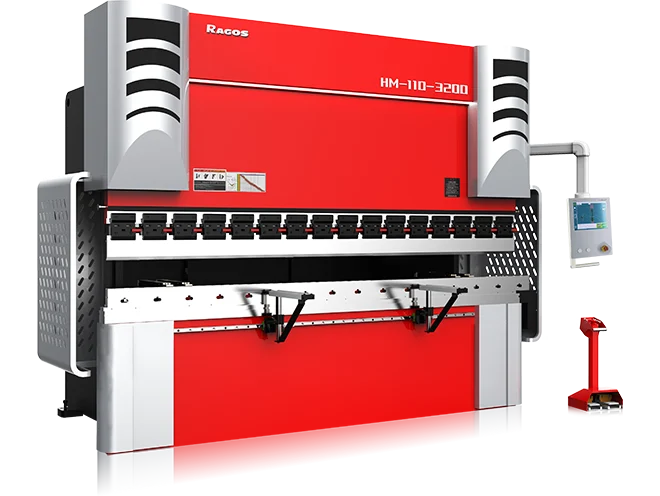
The primary difference between standard and variable angle systems lies in the degree of automation and the number of controlled axes. While a standard machine handles 90-degree bends adequately, a variable angle CNC press brake utilizes synchronized Y1/Y2 cylinders and advanced R and Z axes to manage intricate parts that require multiple non-standard angles in one cycle.
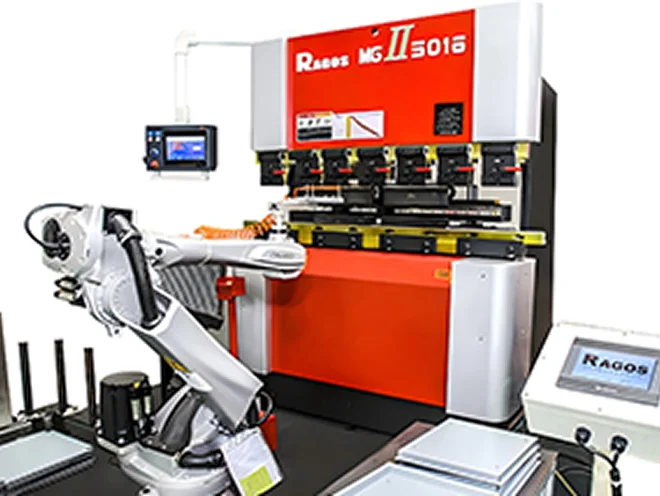
We focus on building machines that bridge the gap between simple bending and high-end automation. Below is a comparison based on the specifications we offer at JS Ragos.
| Feature | Standard (NC/Basic CNC) | Variable Angle (JS Ragos Hybrid) |
| Axis Control | Typically Y1, Y2, X | Y1, Y2, X, R, Z1, Z2 + V (Crowning) |
| Angle Consistency | Manual adjustment per batch | Real-time sensor-based correction |
| Setup Time | 15–30 minutes | Under 3 minutes via offline programming |
| Energy Efficiency | Constant pump operation | Servo-driven hybrid (30-50% savings) |
The Physics of the Perfect Bend: Why Multi-Axis Matters
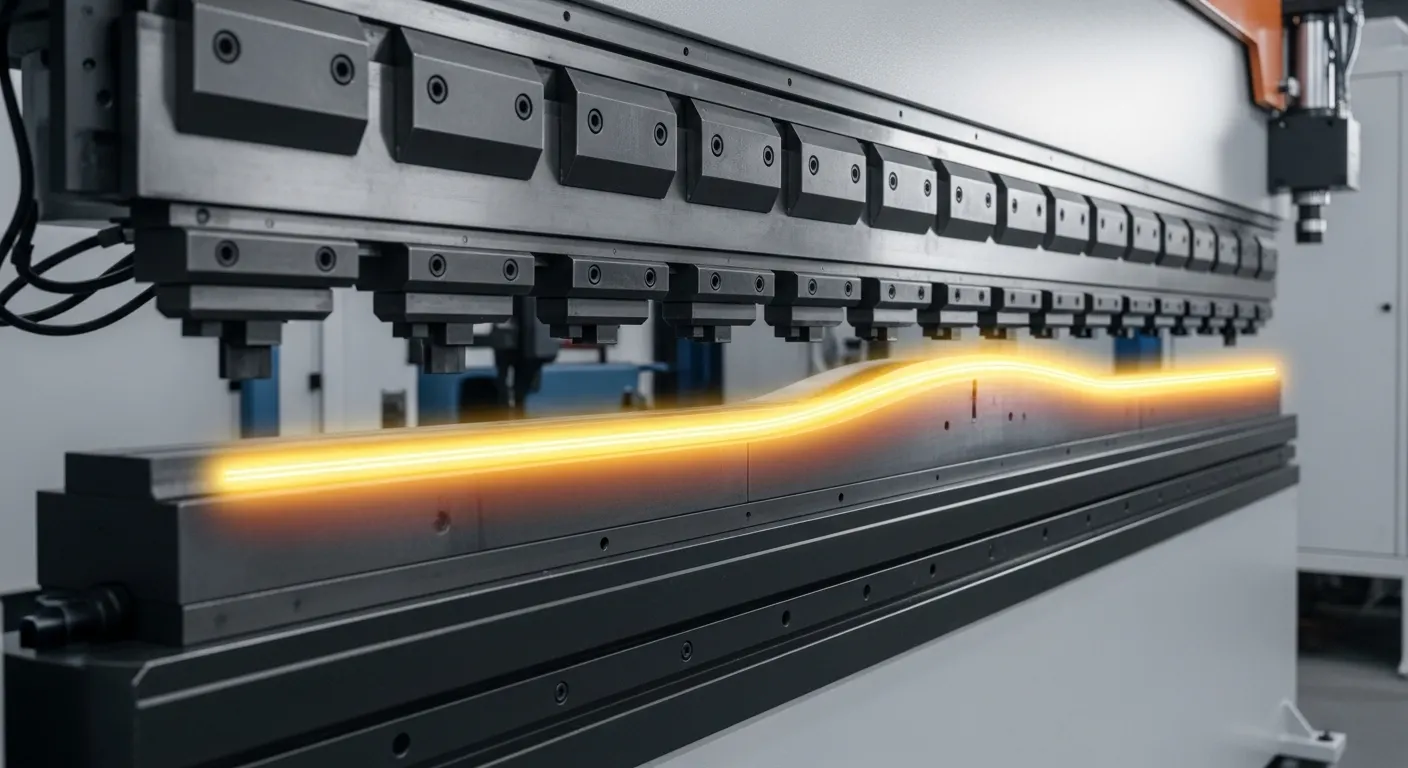
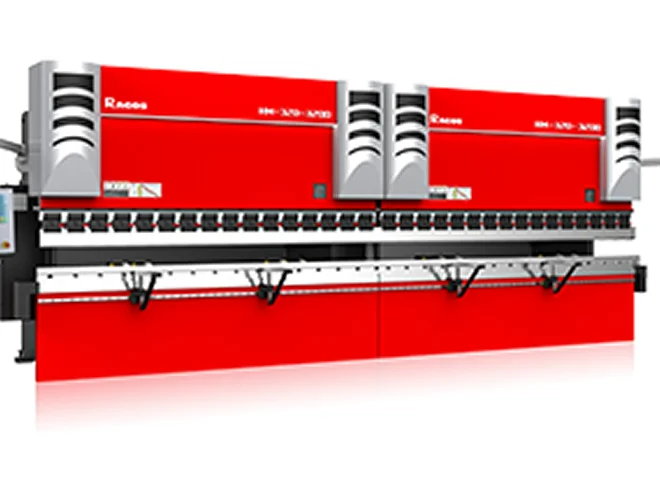
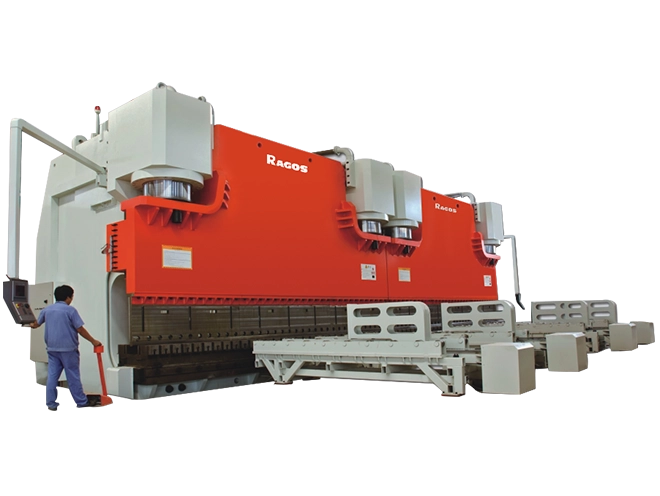
To achieve a perfect bend, a machine must compensate for the deflection of the bed and the springback of the metal. Our variable angle CNC press brakes use mechanical or hydraulic crowning systems to ensure the ram and the table remain perfectly parallel, which is essential for maintaining a consistent angle across the entire length of a 4-meter workpiece.
In our testing of high-strength materials, we found that the "Canoe Effect" (where the center of the bend is wider than the ends) is the most common cause of rejected parts. To solve this, JS Ragos integrates CNC Crowning (V-axis) that automatically adjusts the bed's curvature based on the pressure detected during the stroke.
Furthermore, understanding the K-factor and material yield strength is critical. Our machines utilize algorithms that automatically calculate the necessary "over-bend" to account for springback. This is particularly vital when working with 4 Axis CNC Press Brakes, where the backgauge must move vertically (R-axis) to support the flange during the bend.
For more details on how these axes interact, you can read our deep dive into the Multi-Axis CNC Press Brake breakdown.
Is the Investment Worth It? (ROI Analysis)
Investing in a variable angle CNC press brake is justified when the total cost of ownership is compared to the labor and scrap costs of manual machinery. By automating the angle calculations and backgauge positioning, shops can utilize less experienced operators to produce master-level results, effectively solving the skilled labor shortage while increasing daily throughput.
In our experience, the ROI usually comes from three main areas:
- Energy Savings: Our hybrid servo systems only run the motor when the ram is moving, significantly lowering electricity bills.
- Tooling Longevity: Precise pressure control prevents "bottoming out" too hard, which extends the life of your punches and dies.
- Complex Capability: Having a variable angle setup allows you to bid on complex aerospace or medical-grade projects that standard shops cannot handle.
If you are exploring your first upgrade, consider what you can achieve with a 4 Axis CNC Press Brake to see if it meets your current production volume requirements.
Frequently Asked Questions
While all metals benefit from CNC precision, materials with high springback or inconsistent grain structures, such as stainless steel and high-yield aluminum, see the most improvement. The variable angle control allows for the precise adjustments needed to keep these "difficult" materials within tolerance.
CNC crowning uses the machine's controller to detect the force being applied to the workpiece and physically adjust the bed's center. This ensures that the pressure is even across the entire length of the machine, preventing the "middle" of your part from having a different angle than the ends.
No. In fact, modern CNC interfaces like those used by JS Ragos are designed to be intuitive. Once the 3D file is loaded, the machine handles the complex trigonometry of the bend, meaning an operator primarily needs to focus on safe material handling and quality checks rather than manual calculations.