



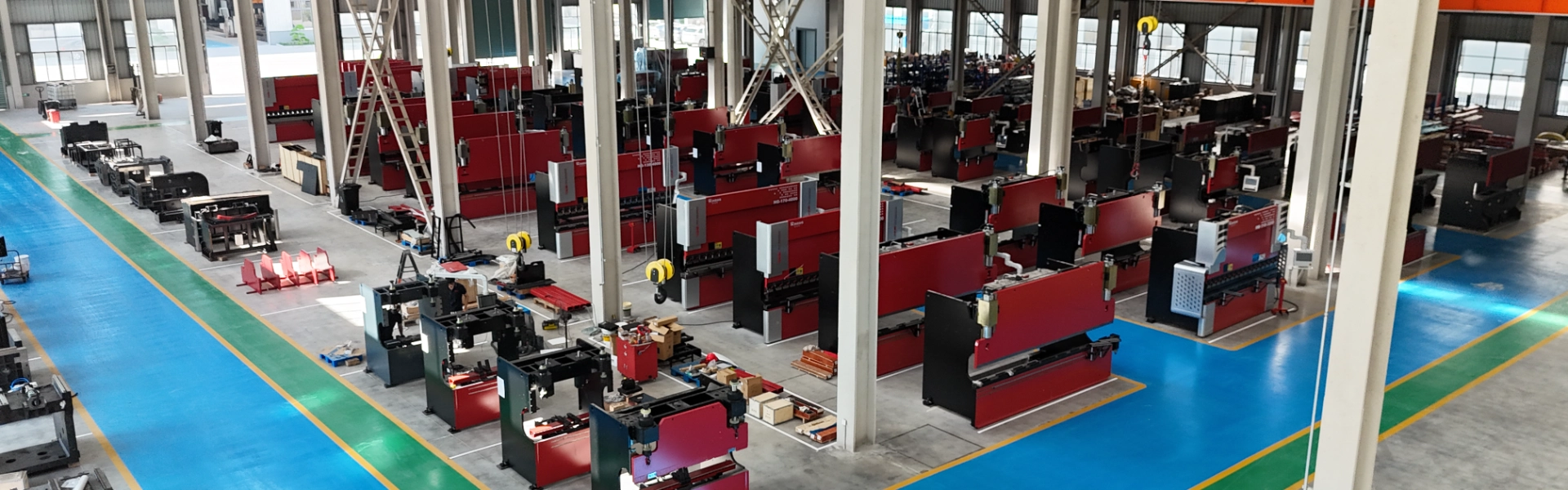
Best Press Brake Settings for Aluminum Sheet Bending (Starter Setup)
Bending aluminum on a press brake feels less like heavy industrial work and more like precision engineering. While aluminum is physically easier to move than steel, it is significantly more demanding when it comes to surface aesthetics and structural integrity. One wrong parameter can lead to a batch of cracked parts or a surface finish that looks like it was dragged across a gravel road.
Mastering aluminum requires you to shift your mindset from "how much force can I apply" to "how accurately can I control the deformation." To achieve high-quality results, your setup must account for the material's unique yield behavior, high elastic recovery, and extreme sensitivity to surface pressure.
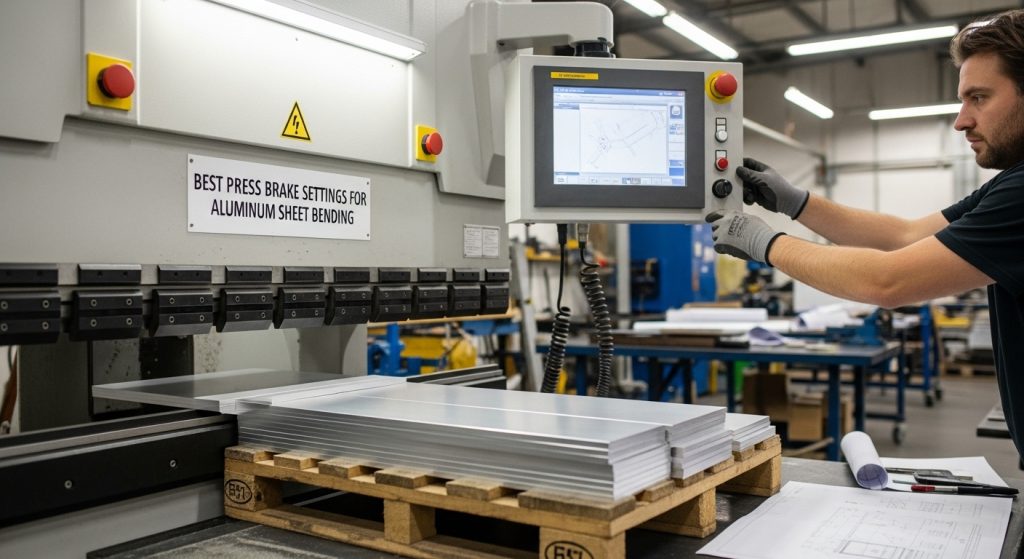
What is a Press Brake?
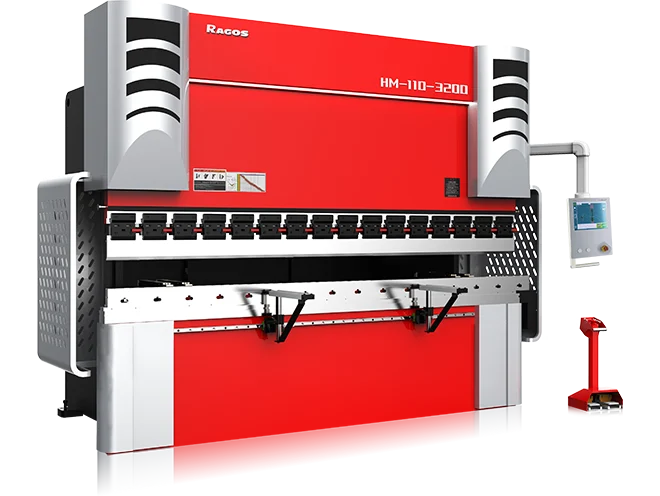
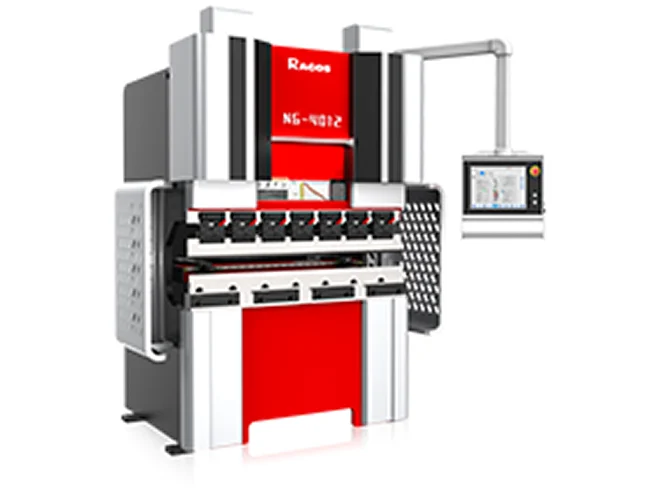
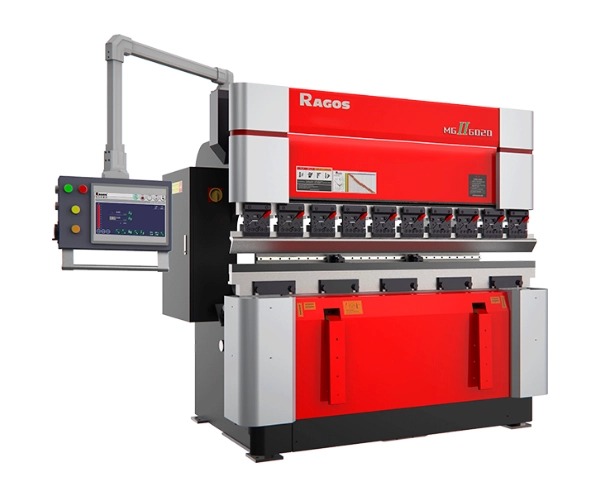
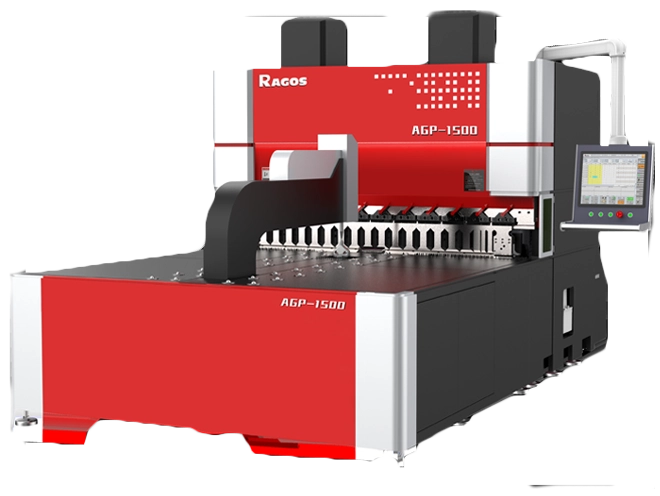
A press brake is a critical piece of industrial machinery designed to bend sheet and plate material, most commonly sheet metal. It achieves this by clamping the workpiece between a matching punch and die. While the concept sounds simple—applying force to a piece of metal to change its shape—the modern press brake is a marvel of precision engineering.
In 2026, the technology has bifurcated into two primary paths: Hydraulic and Electric. Hydraulic press brakes remain the choice for high-tonnage applications, like structural steel, while electric press brakes have taken over the high-speed, precision market for thinner materials like aluminum. The "brake" in the name doesn't refer to stopping; it is derived from an archaic term meaning to "break" or "bend" the fibers of the material.
The Core Components of the Machine
To master your settings, you must understand the four pillars of the press brake:
- The Ram: The upper moving part that holds the punch. In CNC models, the ram's position is controlled to within microns.
- The Bed: The stationary lower part where the die is seated.
- The Tooling: This consists of the Punch (the upper tool) and the Die (the lower V-shaped tool). The relationship between these two determines the bend angle and radius.
- The Backgauge: An automated positioning system that ensures the sheet is placed at the exact depth required for the bend.
Why Aluminum Requires Different Press Brake Settings Than Steel
Aluminum is not just "soft steel." It has a lower plastic deformation threshold and a much more sensitive surface finish. If you use standard steel parameters, you will likely encounter these specific issues:
- Over-Tonnage Distortion: Because aluminum yields easily, excess force doesn't improve accuracy—it causes the material to buckle or "sink" at the bend line.
- Surface Scratches: Aluminum is a "galling" metal. Rough tooling surfaces will physically transfer marks to the sheet much faster than they would on carbon steel.
- Grain Sensitivity: Aluminum has a very pronounced grain structure. Bending without adjusting for grain direction often leads to micro-fractures.
Why Does Aluminum Require Different Press Brake Settings Than Steel?
Aluminum behaves differently because of its low yield strength and high surface sensitivity. Unlike mild steel, which can withstand high localized pressure without significant marking, aluminum's low hardness means that every imperfection in your tooling or every spike in your ram speed is recorded on the material surface.
Another critical factor is the elastic recovery aluminum angle deviation tendency. Aluminum generally exhibits more springback than mild steel because its ratio of yield strength to elastic modulus is higher. If your machine settings don't account for this "drift," your final angles will never meet the print specifications.
How Much Tonnage Should Be Used When Bending Aluminum Sheet?
Setting the correct tonnage is a balancing act. You want enough force to create a clean plastic deformation, but you must stay below the surface distortion threshold. Over-tonnage in aluminum doesn't just wear out your tools; it physically crushes the material, thinning the bend line and weakening the part.
As a general rule, aluminum requires roughly 40% to 50% of the force used for mild steel. For example, if you are bending a 3mm sheet:
- Mild Steel: ~25 tons per meter.
- Aluminum: ~12 to 15 tons per meter.
Using a low force forming approach prevents the punch from "burying" itself too deep into the metal, which keeps the thickness consistent and prevents the compression buckling often seen in thin aluminum sheets.
What Is the Best Approach Speed and Bend Speed for Aluminum?
In aluminum fabrication, speed kills quality. High approach speeds create a "shock" when the punch first contacts the material, leading to tool contact impact stress. This impact can leave a visible horizontal line (witness mark) on the part before the actual bend even begins.
Recommended Speed Stages:
- Approach Speed: Slow down the ram before it reaches the "mute point" (the moment before contact). This ensures a soft touch.
- Pressing Speed: Keep your bend speed consistent. Sudden ram acceleration causes vibration transfer, which can lead to "chatter marks" on the bend radius.
- Return Stroke: Use a controlled release. Releasing the pressure too quickly can cause the part to "jump," potentially scratching the material against the die shoulders as it springs back.
Why Is Pressure Dwell Important for Aluminum Bend Angle Stability?
Aluminum molecules need time to "relax" into their new shape. By using a material stress relaxation timing (dwell phase) at the bottom of the stroke, you allow the plastic deformation to stabilize.
Without a dwell phase, the elastic recovery delay is unpredictable. A short dwell (usually 0.2 to 0.5 seconds) allows the material to take a "set," significantly improving the repeatability of your bend angles across a large production run. However, avoid over-dwelling, as this can lead to unnecessary surface compression on very thin sheets.
How Does V Die Selection Affect Aluminum Surface Quality and Accuracy?
Your choice of V-die width is the primary variable for surface finish protection. A narrow V-die increases the die shoulder pressure, which is the leading cause of surface transfer marking.
| Sheet Thickness | Recommended V-Opening | Result |
| 1mm - 2mm | 10x - 12x Thickness | Reduced marking, larger radius |
| 3mm - 5mm | 8x - 10x Thickness | Standard balance |
| 6mm+ | 10x - 12x Thickness | Safer for heavy plate, prevents cracking |
By widening the V-die, you distribute the forming force over a larger area. This reduces the pressure at the contact points and results in a cleaner, mark-free finish.
What Punch Radius Works Best for Aluminum Sheet Bending?
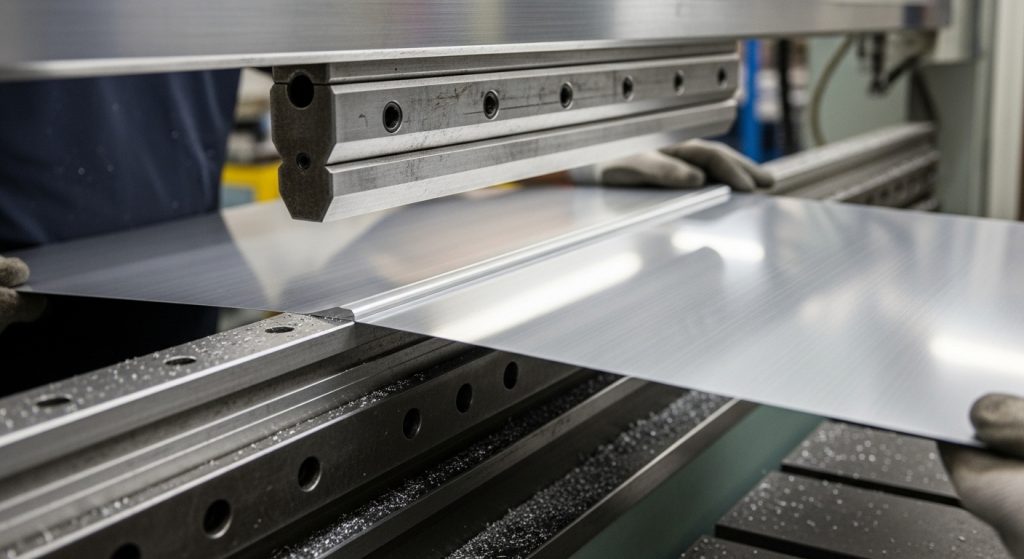
Using a sharp "knife" punch on aluminum is a recipe for disaster. Aluminum requires a larger inside radius to prevent tensile strain on the outer fibers of the bend. If the punch tip is too sharp, it will act like a blade, creating a stress concentration point that leads to cracking.
To shift the neutral axis compression stabilization, always use a punch with a radius at least equal to the material thickness ($R \ge T$). For harder alloys like 6061-T6, you may need a radius that is 2x or 3x the thickness to prevent fractures.
How Do CNC Press Brakes Improve Aluminum Bending Consistency?
Modern CNC press brakes are essential for aluminum because they utilize a digital forming parameter learning system. Since aluminum hardness can vary between batches, a CNC system can compensate for these fluctuations in real-time.
- Closed-Loop Feedback: Advanced machines measure the actual angle during the bend and adjust the ram depth to hit the exact degree, regardless of material springback.
- Program Memory: Once you find the perfect speed and dwell settings for a specific grade of aluminum, the CNC stores them, ensuring repeat accuracy every time you run that job.
- Servo Positioning: High-resolution backgauges prevent the thin sheet from slipping, which is critical for the stability of small flanges.
What Are the Most Common Mistakes When Setting Up Aluminum Bending Jobs?
Even experienced operators can fall into traps when switching from steel to aluminum. Avoid these common process setup errors:
- Using Steel Parameters: Never assume "steel settings" will work. Aluminum needs less tonnage and slower speeds.
- Too Sharp a Punch: A sharp tip will crack the outer radius. Use a radiused punch.
- Neglecting Grain Direction: Bending parallel to the rolling grain is a primary cause of deformation instability and fractures. Always bend across the grain when possible.
- Dirty Tooling: Aluminum "pickup" on the die shoulders acts like sandpaper. Keep your tools polished and clean.
Strategic Setup Comparisons and Lessons
For those managing diverse production lines, understanding how aluminum setup differs from other materials is key to shop-floor efficiency.
- Aluminum vs. Steel: While sheet steel press brake settings focus on managing high loads, aluminum settings focus on managing surface integrity and ductility.
- Aluminum vs. Stainless: Stainless steel press brake work requires much higher force and accounts for extreme springback, whereas aluminum requires finesse and crack prevention.
- HVAC Thin Panels: Lessons from HVAC press brake workflows show that preventing surface distortion on long flanges requires precise crowning and light pressure.
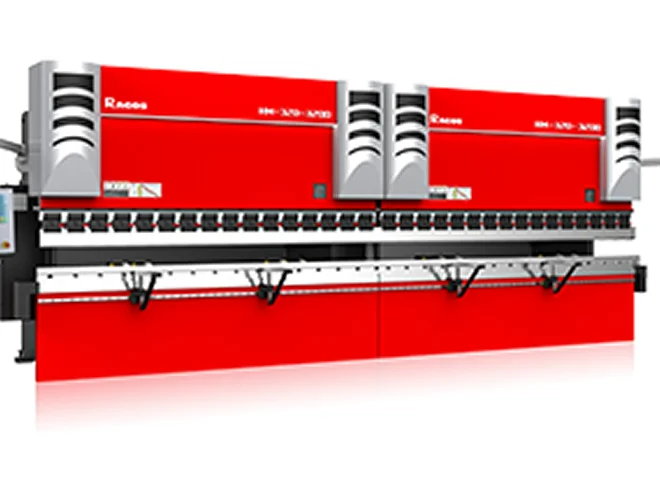
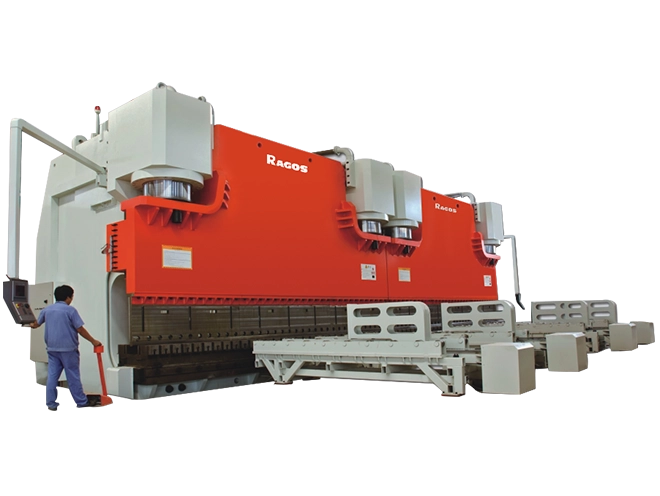
- Long Panel Bending: When bending architectural aluminum panels over 4 meters, using a tandem press brake ensures load distribution balance and prevents twisting in the long sheet.
Final Thought
Success in aluminum bending is a transition from force to finesse. By slowing down your approach, widening your V-dies, and using a generous punch radius, you can produce aluminum parts that are as strong as they are beautiful. When you respect the material's unique deformation curve, your scrap rate disappears and your production stability reaches new heights.