


Press Brake for Stainless Steel Fabrication: Proven Process and Tooling
If you want to excel in the competitive world of stainless steel fabrication, you must stop treating these jobs like standard carbon steel projects. From the moment the sheet touches the backgauge, the physics of the bend changes. Stainless steel demands more force, exhibits significantly more springback, and requires a gentle touch to maintain its aesthetic finish. This comprehensive manual will walk you through the machine requirements, tonnage calculations, and tooling strategies necessary to master this challenging material using a CNC hydraulic press brake.
Why Does Stainless Steel Require a Specific Press Brake Setup?
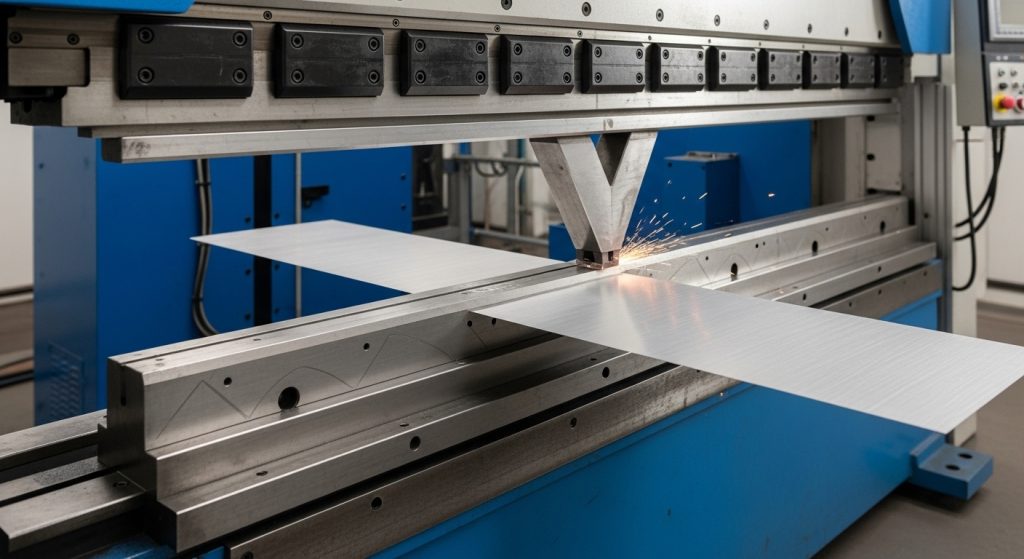
Stainless steel requires a specific setup because its mechanical properties differ significantly from mild steel. It possesses a higher tensile strength and a greater work-hardening rate, which means it resists deformation more aggressively. Additionally, its surface is often a finished product—brushed, mirrored, or satin—requiring a setup that prevents galling and scratching during the bending process.
The "secret" to the behavior of stainless steel lies in its alloy composition, particularly the chromium and nickel content. While these elements provide the corrosion resistance that makes the material famous, they also make the metal "tougher" at a molecular level. When you bend it, the material molecules compress and stretch with more resistance than carbon steel, leading to three primary challenges:
- Higher Tonnage Requirements: You cannot use the same pressure settings you use for mild steel; you will likely stall the machine or damage the ram.
- Increased Springback: The metal wants to return to its original shape more than carbon steel does. This is often referred to as "elastic recovery."
- Surface Sensitivity: Polished or brushed finishes are easily marred by standard, rough tooling, leading to expensive scrap or hours of secondary polishing.
What Are the Key Machine Requirements for Stainless Fabrication?
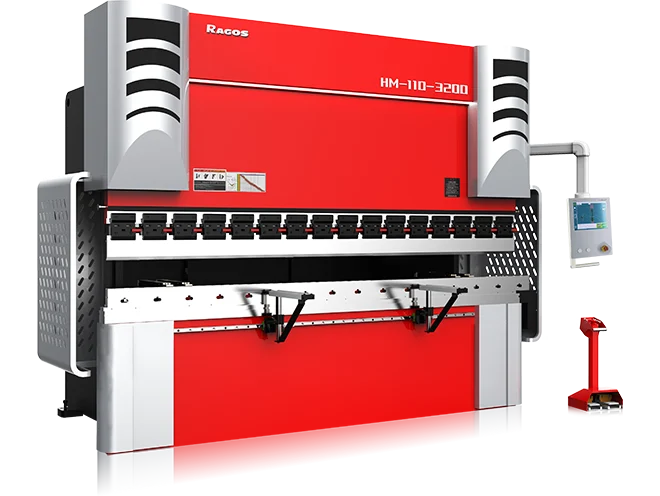
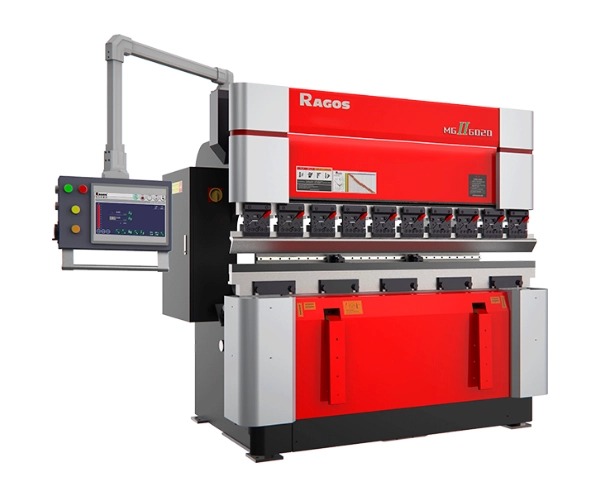
To successfully fabricate stainless steel, your press brake must prioritize rigidity, precision, and compensation. While an older mechanical brake might work for basic, non-cosmetic tasks, modern industrial stainless work almost exclusively requires a CNC Hydraulic Press Brake. This machine type provides the controlled, repeatable force needed to handle the material's unique behavior.
Why Is High Tonnage Capacity Non-Negotiable?
Stainless steel generally requires 40% to 60% more force than mild steel of the same thickness. This is the first hurdle many shops fail to clear. If your facility is sized exactly for 3mm mild steel, moving to 3mm stainless will immediately strain the hydraulics and the frame.
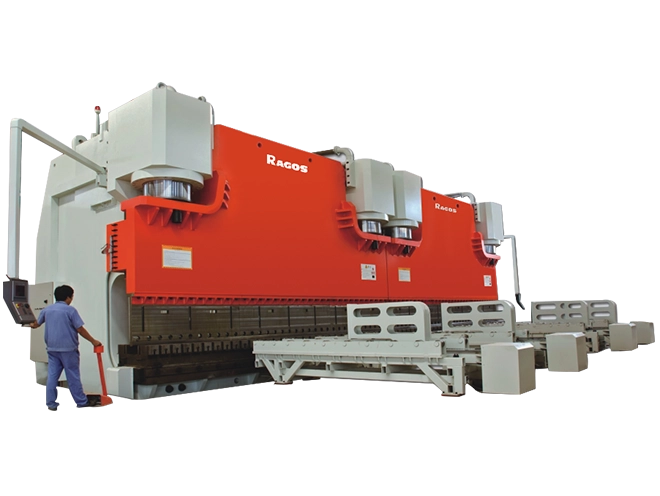
Running a machine near its maximum capacity for extended periods to handle stainless can lead to frame deflection and premature wear on the hydraulic seals. It is always safer to use a machine with a higher rated capacity, such as a boiler plate bending grade press brake, to ensure you have the structural overhead required for high-tensile loads.
How Does CNC Control Improve Stainless Bending Results?
A sophisticated CNC system is vital for managing springback angle correction. Because stainless steel "springs back" significantly more than mild steel, the CNC allows you to program a precise over-bend. For example, if you need a final 90-degree angle, you might need to bend the material to 91.8 degrees. A CNC system calculates this based on the material's Y-factor and ensures that every hit is identical.
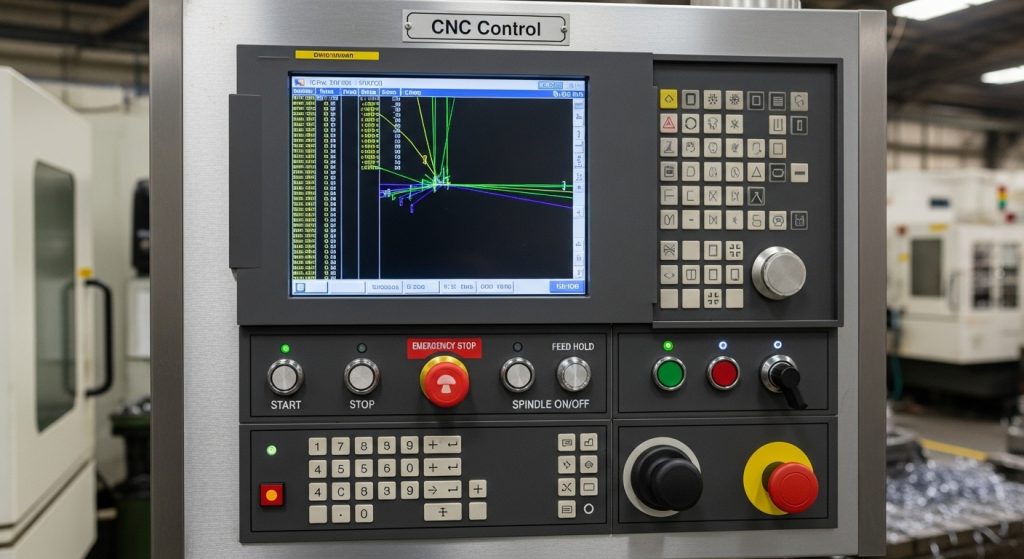
Modern controls also facilitate:
- Multi-Step Forming: This is vital for complex parts like electrical enclosure bending, where several different angles must be achieved in one handling.
- Automatic Tonnage Calculation: The control adjusts the pressure based on the material constants (Tensile Strength) you input into the library.
- 3D Visualization: Helping the operator see the bend sequence to avoid collisions with the frame or tooling.
Why Is a Crowning System Essential for Long Stainless Parts?
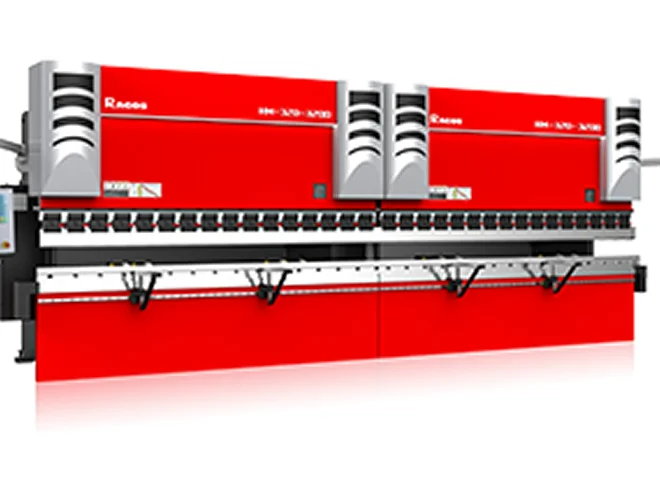
When you bend long sheets—especially on a 4000mm press brake—the center of the beam and bed will naturally deflect under pressure. This is known as the "canoeing effect." Stainless steel is much less forgiving of this deflection than mild steel. A crowning system—either hydraulic or mechanical—compensates for this "bowing" effect. Without active crowning, your long stainless panels will be inconsistent, often being "open" (wider than 90 degrees) in the center of the sheet.
How Do You Choose the Right Tooling for Stainless Steel?
Your tooling is the only part of the machine that physically interacts with the stainless steel. If your tools are rough, worn, or incorrectly sized, your final product will be rejected by the client.
What Tooling Is Recommended for a Clean Finish?
- Polished Tooling: The contact surfaces of your punches and dies should be ground and polished. This reduces the friction that leads to galling (where the stainless "smears" onto the tool).
- Hardened Tool Steel: Stainless is abrasive. You need tooling hardened to at least 50-55 HRC. If you use soft tooling, the stainless will eventually "carve" a groove into your die, ruining your accuracy.
- Larger V-Openings: Increasing the V-die width reduces the contact pressure on the material's surface. This is a primary strategy for minimizing "die marking."
Which Tooling Mistakes Should You Avoid?
The biggest mistake is cross-contamination. Never use a die that was just used for heavy, scaly carbon steel on a piece of brushed stainless. Small particles of carbon steel can become embedded in the stainless surface. Once exposed to moisture, these particles will rust, creating "tea staining" on the stainless and compromising its corrosion resistance.
What Is the Typical Tonnage for Air Bending Stainless Steel?
While you should always use your machine's onboard software, having a general baseline is critical for planning. The following table provides an estimate for air bending 304/316 stainless steel using a standard 8x V-opening.
| Material Thickness | Approx Tons Per Meter (Stainless) | Comparison to Mild Steel |
| 1mm SS | 12 – 15 Tons | +40% |
| 2mm SS | 35 – 45 Tons | +50% |
| 3mm SS | 55 – 65 Tons | +55% |
| 5mm SS | 90 – 120 Tons | +60% |
| 10mm SS | 180 – 220 Tons | +60% |
For specialized applications like sheet steel press brake work in the HVAC or food industry, these numbers are your starting point. If you are working with thin-gauge material for furniture hardware bending, the tonnage is lower, but the precision requirements for the backgauge and the ram depth are much higher to prevent over-bending.
How Can You Prevent Surface Marking and Scratches?
In stainless fabrication, "cosmetics" are often as important as structural integrity. If a part is intended for a professional kitchen or a luxury lobby, a single scratch can lead to rejection.
- Protective Film (Laser Film): Most high-quality stainless sheets come with a PVC or "Laser" film. Do not remove this until after the bending is complete. You can bend right through the film.
- Bending Tape / Cloth: If you don't have film, you can apply specialized "bending tape" or a synthetic cloth over the V-die. This acts as a barrier, preventing metal-on-metal contact.
- Urethane Die Inserts: For the most sensitive mirrored finishes, use urethane dies. These "rubberized" blocks deform around the metal, providing a "mark-free" bend, though they require specific tonnage adjustments.
- Radius the Die Shoulders: Ensure the top edges of your V-die have a generous radius rather than a sharp corner. This allows the material to "roll" into the die rather than "scrape" into it.
Which Industries Rely Most on Stainless Steel Bending?
The demand for stainless steel bending is driven by sectors where hygiene, heat resistance, and corrosion protection are paramount.
- Food Processing & Commercial Kitchens: This industry requires smooth, "crevice-free" bends to prevent bacterial growth. Every corner must be easy to sanitize.
- Pharmaceutical & Chemical: These sectors use high-grade 316L stainless for tanks and piping. The boiler plate bending capabilities of a machine are often called upon for these thicker, chemical-resistant components.
- HVAC Systems: HVAC press brake operations often involve bending stainless for clean-room ducting, hospital ventilation, or laboratory exhaust hoods.
- Electrical Infrastructure: Many outdoor or marine environments require electrical enclosure bending using stainless steel to prevent salt-air corrosion.
What Are the Pro Tips for Successful Stainless Bending?
Mastering the process involves more than just hitting the foot pedal. It requires a disciplined, technical workflow.
Use a Larger Bend Radius
Stainless steel does not like to be bent "sharp." If you try to achieve a zero-radius bend, the outer grain of the metal will often "orange peel" or crack. As a rule, your punch radius should be at least equal to the material thickness ($R \ge T$).
Perform a Test Bend First
Never trust the calculated springback for a new batch of steel from a different mill. Tensile strength can vary between batches. Always perform a test hit on a scrap piece from the same delivery to verify that your final angle is correct before you start on the expensive full-size sheets.
Avoid Bottom Bending (Bottoming)
Unless you have an extremely specific engineering requirement, stick to Air Bending. Bottoming or coining requires massive tonnage (up to 5x more than air bending) and is almost guaranteed to mark the material and wear out your machine's hydraulic seals prematurely.
Maintain Tooling Cleanliness
Wipe down your dies after every few bends. Stainless steel can leave "pickup" (small microscopic deposits) on the die. If this is allowed to build up, it acts like sandpaper on the next part you bend, creating a cycle of surface damage.
The Long-Term Economics of Stainless Steel Fabrication
While the initial cost of a CNC hydraulic press brake and high-grade polished tooling is higher, the long-term ROI in the stainless sector is significant. Stainless steel parts carry a higher market value than mild steel. By reducing your scrap rate and eliminating the need for secondary polishing, the right machine setup pays for itself through efficiency.
Furthermore, a machine that can handle the rigors of stainless is versatile. A shop equipped with a high-tonnage sheet steel press brake can easily pivot between high-precision architectural work and heavy industrial fabrication, giving you a massive competitive advantage.
Final Thought
Fabricating stainless steel is about respect—respect for the material's strength and respect for its finish. By choosing a CNC hydraulic press brake with active crowning and pairing it with polished, hardened tooling, you remove the variables that lead to failure.
Success in this field doesn't come from pushing your machine to its limits; it comes from understanding those limits and using technology to compensate for the material's natural tendencies. When you master the balance of tonnage, springback, and surface protection, you aren't just a fabricator; you are a precision engineer.