

CNC Press Brake for Sheet Steel: Fast Setup for Repeatable Bends
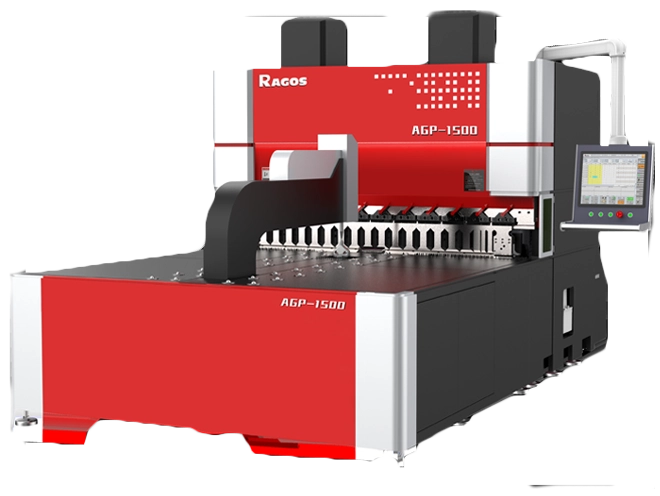
Using a CNC Press Brake for Sheet Steel is the most effective way to keep your workshop productive and your parts accurate. Sheet steel is the most common material you will handle in your daily fabrication work. You often find that hitting a specific angle once is easy, but keeping that angle across a hundred parts is the real challenge. You must manage the material batch yield variation impact to prevent your parts from failing inspection.
A modern CNC system allows you to stop worrying about bend angle repeat tolerance drift by automating the depth of the ram. You will notice that fast setup times improve your total shop output more than simply having a high-tonnage machine. By using a digital controller, you reduce the need for highly skilled operators to make manual guesses.
This guide shows you how to optimize your setup for mild steel, cold rolled steel, and coated materials. You can protect your surface coating deformation sensitivity while maintaining a high speed. Learning to handle sheet grain direction fracture tendency will also save you from costly scrap.
Your daily sheet metal work often faces these specific material challenges:
- Managing the material batch yield variation impact between different steel shipments.
- Stopping the bend angle repeat tolerance drift that occurs as tools get warm.
- Protecting parts with a surface coating deformation sensitivity like galvanized steel.
- Preventing cracks by accounting for the sheet grain direction fracture tendency.
Why Sheet Steel Production Relies on CNC Press Brake Repeat Accuracy
Your assembly floor needs parts that fit together without being forced or hammered. When you produce brackets or panels, you are aiming for a tight positional servo repeat resolution band. A CNC press brake uses high-speed sensors to ensure the ram reaches the exact same depth on every stroke. This is vital because even a tiny change in depth causes a visible change in the final angle.
- Assembly Success: You must have perfect assembly hole alignment bend dependency to ensure bolts slide through matching parts.
- Consistency Control: Using a CNC helps with multi part bend consistency deviation control across different work shifts.
- Stacking Prevention: You want to avoid the sheet production tolerance stacking effect where small errors on five bends make the final part unusable.
- Stable Positioning: The back gauge must move to the exact same spot to keep your flange lengths perfect.
A CNC system stores your programs so you can recall them next month and get the same results. This positioning stability means you spend less time measuring and more time bending. You can trust the machine to handle the logic of the bend sequence while you focus on handling the material safely.
Sheet Steel Types and How They Change Bending Behavior
Different types of steel move and react in ways that you must understand to keep your angles true. You can see how these materials differ in their forming resistance and surface needs.
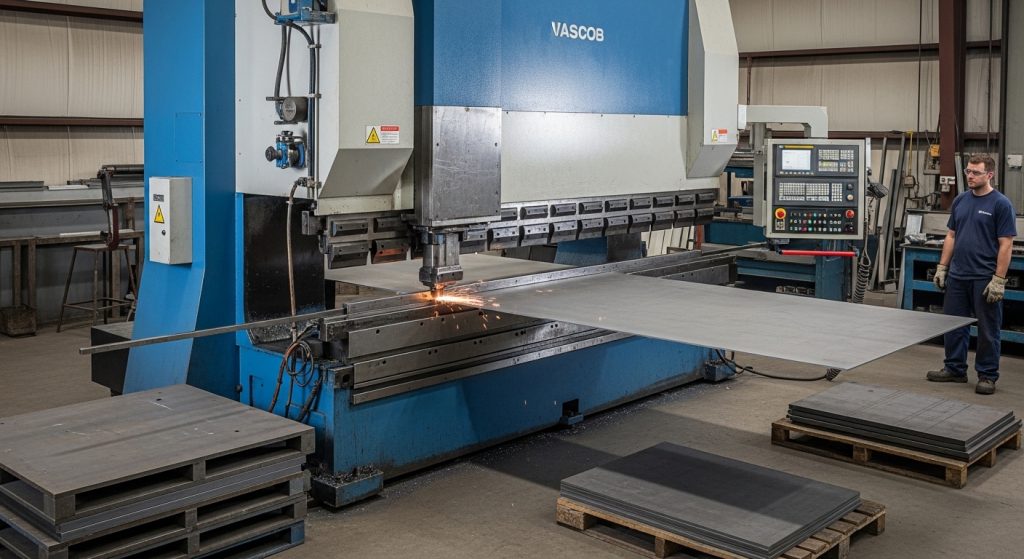
Mild Steel Sheet This is your standard material with a predictable yield strength forming resistance curve. It is easy to bend and does not spring back as much as harder steels. You will find it is the most forgiving material in your shop.
Cold Rolled Steel You will notice this has a much smoother finish but higher cold rolled surface marking sensitivity. The surface is harder, which means you might see more springback. You must keep your dies clean to avoid scratches on this pretty surface.
Galvanized and Coated Sheet Coated steels carry a coating micro crack propagation risk if your punch radius is too sharp. The zinc layer can also flake off and build up on your dies. You must clean your tools often to prevent this buildup from changing your bend angles.
High Strength Steel These materials offer a high strength steel springback amplification that can be hard to calculate. You will need more tonnage and a larger V-opening to prevent the material from cracking or overworking the machine.
Fast Setup Strategies That Reduce CNC Press Brake Downtime
You can save hours every week by making your setup process more efficient. A setup cycle compression workflow allows you to move from one job to the next without wasting time.
- Digital Tool Library: Store all your tool heights and widths in the tool preset digital offset storage. This lets the machine calculate the correct depth automatically.
- Program Reuse: Use batch repeat program recall accuracy to start a new job in seconds. You should never have to program the same part twice.
- Back Gauge Presets: Save your finger positions so you do not have to move them by hand for every different flange.
- Micro Calibration: Perform a tool alignment micro calibration reference at the start of the day to ensure everything is square.
By organizing your tools near the machine and using the CNC memory, you reduce the "dead time" between jobs. You should aim to have your first part off the machine within minutes of finishing the last job. This efficiency is what makes a small shop compete with much larger factories.
Tooling Selection Rules for Sheet Steel Bending Stability
The tools you choose act as the interface between the machine and your metal. You should use hardened standard tooling to ensure your tool wear resistance hardness rating stays high over millions of bends.
Standard Hardened Tools You need tools that can handle the high pressure of steel without deforming. Hardened steel tools stay accurate for much longer and resist the scratches that come from scaly mild steel.
Multi V Die Flexibility A multi V load distribution flexibility setup allows you to handle different thicknesses without changing the whole die block. You just slide the die to the correct opening for the sheet you are using.
Punch Radius Choice Your punch nose radius stress distribution effect is vital for preventing cracks. A radius that is too small will "knife" into the steel and weaken the bend. You should match the radius to the thickness of your material for the best results.
Friction Management The tool surface friction heat generation zone can cause the metal to stick or gall. Using a small amount of oil or specialized coatings on your dies can keep the metal moving smoothly.
Understanding the 6× to 8× V Opening Rule for Sheet Steel
You must pick the right V-opening to balance your forming pressure and the quality of the bend. The standard rule is to pick a V-opening that is 6 to 8 times the thickness of your sheet steel.
If you choose a V-opening that is too small, you will see a V opening load amplification ratio that puts too much stress on your tools. This creates a forming force spike threshold zone that can break your dies or stall the machine. A smaller V also creates a smaller inside bend radius proportional scaling. If the V is too large, your flanges might not be long enough to reach the back gauge. You should aim for the 8x rule for most mild steel to keep the die shoulder pressure concentration behavior low. This protects your machine and gives you a consistent, clean bend every time.
How Sheet Thickness Rapidly Increases Forming Force Demand
You should be careful when moving to thicker sheets because the power needed grows very fast. The cross section resistance growth curve is not a straight line; it follows a thickness deformation load multiplier.
- 1mm Steel: Uses a base amount of pressure.
- 2mm Steel: Requires four times the pressure of 1mm steel.
- 3mm Steel: Requires nine times the pressure of 1mm steel.
This sheet bending pressure exponential scaling means a small jump in thickness can overload a light-duty machine. You must check your tonnage charts before you start a new job. Always keep a forming load safety buffer margin of about 20% to protect the hydraulic system. If you hear the machine straining, you likely need a larger V-opening or a more powerful press brake.
Common Sheet Steel Bending Mistakes That Cause Scrap or Tool Damage
Avoiding simple errors will save you money and keep your operators safe. You should watch out for these warning signs during your production runs.
- Ignoring Grain: Bending with the grain can create a grain boundary crack initiation zone. Always try to bend across the grain when you need maximum strength.
- Dirty Dies: Metal scales can cause surface galling friction interface damage. This leaves ugly marks on your parts and can even change your bend angle.
- Over Tonnage: Forcing a thick part into a small V creates a localized stress spike fracture start point. This can lead to tool overload structural fatigue risk or a cracked die.
- Wrong Reference: If you do not seat the part against the back gauge correctly, your flanges will be crooked.
Choosing a CNC Press Brake Platform for General Sheet Steel Production
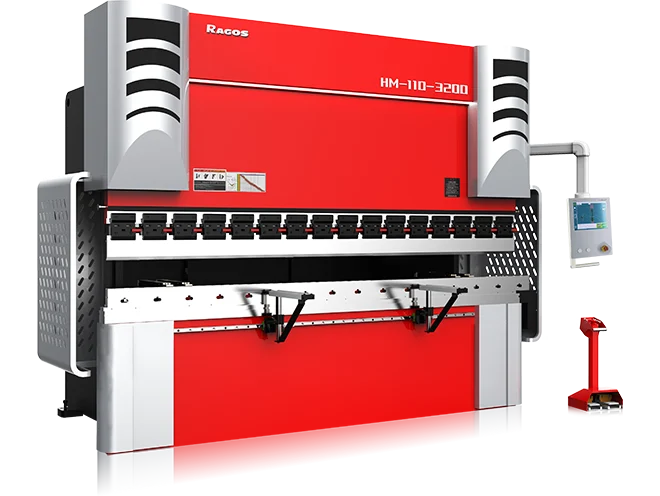
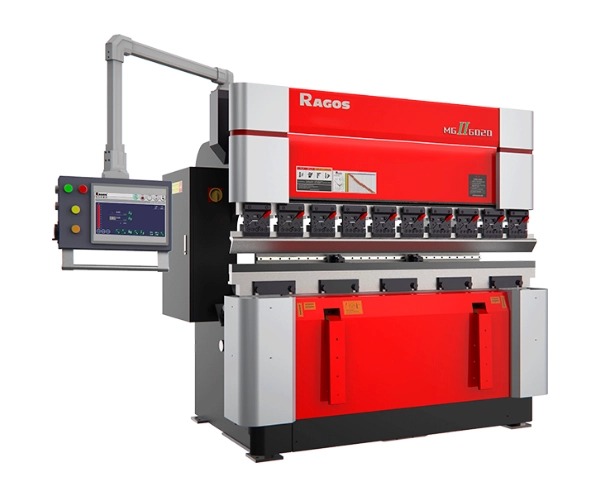
Picking a general fabrication servo bending platform stability is the best move for a growing shop. You need a machine that offers sheet production cycle repeat reliability so you can run jobs all day. Look for multi tooling compatibility press brake architecture that lets you use all your favorite punches and dies. A high level of batch bending positional control accuracy ensures that every part you make is ready for the assembly line.
How Aluminum Sheet Bending Differs From Sheet Steel Setup Strategy
You will notice an aluminum sheet press brake setup needs more care than steel. Aluminum has a high aluminum elastic recovery amplification behavior that causes more springback. It is a soft metal with high surface marking sensitivity, so you must use clean tools. You also have a lower aluminum bend radius fracture threshold, which means you cannot bend it as tightly as steel without it snapping.
Dedicated CNC Press Brake Solutions for Sheet Steel Fabrication
Using a sheet steel press brake gives you a stable sheet steel forming pressure stability range. This machine is built to handle the steel bending yield plateau behavior that makes this metal so common. You can count on a sheet steel production load consistency window that keeps your angles the same from morning to night. This predictability zone is why steel remains the favorite material for most fab shops.
Precision Lessons From HVAC Sheet Metal Bending Production
You can learn about speed from an HVAC press brake setup. These machines focus on thin sheet duct forming repeat tolerance control for long panels. They use a long flange deflection compensation strategy to keep the metal from sagging during the bend. Even for a simple panel seam bending consistency requirement, they prioritize HVAC panel vibration tolerance stability to ensure a quiet, tight fit.
Electrical Enclosure Sheet Steel Bending Precision Requirements
An electrical enclosure bending job requires a tight enclosure corner dimensional alignment tolerance. You must have a door panel seam fit consistency requirement that allows the box to seal perfectly. The sheet edge straightness forming dependency is what makes the box look professional. High enclosure assembly gap control bending precision is the only way to pass the strict quality checks in the electrical industry.
When Sheet Steel Jobs Move Into Plate Bending Force Range
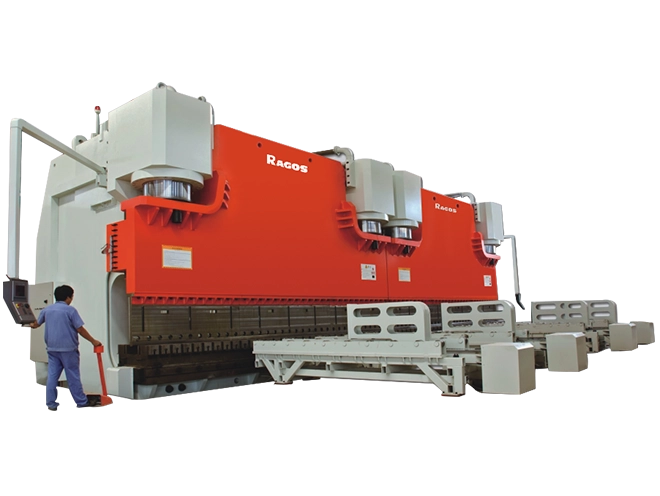
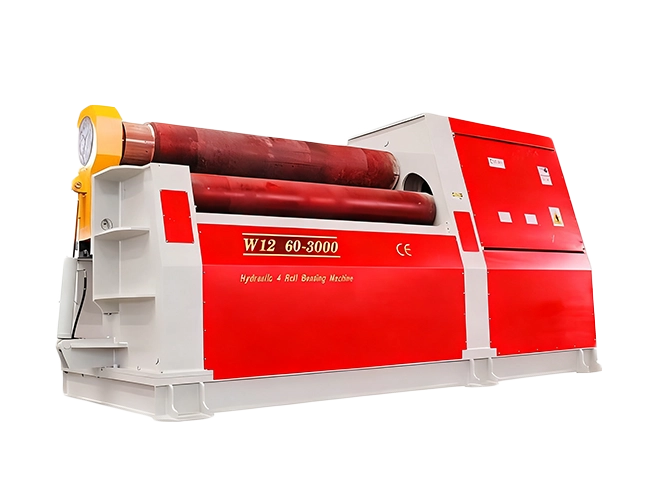
A boiler plate bending machine shows you the limit of sheet metal work. In that field, heavy gauge steel deformation pressure dominance is the main factor. They deal with plate compression forming load distribution and thick steel section bending force escalation. This heavy industry tolerance vs sheet tolerance contrast reminds you that while your work is thinner, it often requires much more focus on the final finish.
Final Thought
Mastering your CNC press brake for sheet steel is about balancing the speed of your setup with the precision of your final part. By understanding how thickness and material type change the force needed, you can protect your tools and your machine. Use the digital features of your controller to remove the guesswork and keep your batch production stable. This focus on repeatable accuracy is what makes your shop a leader in quality metal fabrication.