

CNC Press Brake for Electrical Enclosure: Panel Bending Best Practices
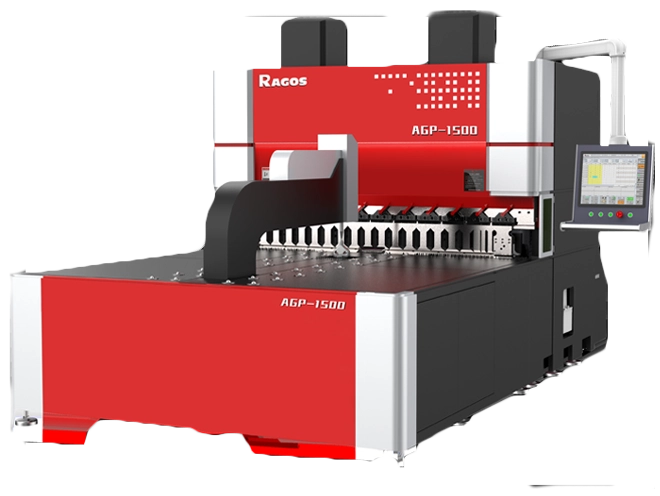
Selecting a CNC Press Brake for Electrical Enclosure production is a critical decision for any industrial manufacturer. Unlike general metal fabrication, electrical enclosures require extreme precision to ensure that panels are perfectly square and doors align without gaps. You must manage panel edge straightness bending stability to prevent door sag and ensure that locks and hinges line up every time.
The door gap tolerance bending dependency is often the difference between a high-quality cabinet and a rejected part. Using a CNC system allows you to control panel corner dimensional squareness control, which is vital for maintaining the NEMA or IP ratings of the enclosure. You also need to protect the surface quality, especially for coated materials, to prevent panel coating deformation visibility risk.
This guide covers how to plan your bend sequences and select the right tooling to achieve enclosure assembly alignment repeat accuracy. By following these best practices, you can reduce waste and ensure a perfect fit for your internal components and busbars.
Why Electrical Enclosure Panel Bending Requires CNC Press Brake Precision
Producing electrical cabinets depends on the ability to repeat complex bends with near-zero error. You are often creating a six-sided box where every panel geometric flatness bending dependency matters. If one panel is slightly bowed, the entire assembly will twist, making it impossible to fit the internal mounting plates.
- Squareness is King: You must maintain a tight tolerance on every corner to ensure the enclosure door seam gap tolerance control remains consistent.
- Hole Alignment: Many panels have pre-punched holes. You need a high-level of mounting hole positional dependency to ensure components bolt in without tension.
- Stacking Control: Using a CNC helps you manage multi bend positional tolerance stacking, where a tiny error in the first bend grows into a major issue by the fourth.
- Repeatable Batches: You need the 500th cabinet to be identical to the first to ensure that doors and accessories are interchangeable.
A CNC press brake uses precision servos to ensure that the ram depth is consistent down to the micron. This stability is what allows you to achieve enclosure assembly alignment repeat accuracy, even when using different operators. When your panel mounting alignment dimensional shift is kept to a minimum, your assembly team saves hours of manual adjustment time.
Typical Electrical Enclosure Panels Made Using CNC Press Brakes
Every part of an industrial cabinet has a specific role, and each requires a different bending strategy to meet protective housing dimensional accuracy tolerance levels.
- Cabinet Outer Shell Panels: These large panels require long edge bending and must stay perfectly flat to allow for proper sealing.
- Door Panels: Precision is highest here; panel door hinge alignment positional requirement is vital for a smooth swing and tight seal.
- Internal Mounting Plates: These need high bending precision to maintain internal component clearance and prevent electrical shorts.
- Busbar Protective Covers: Small, complex bends that require electrical safety enclosure sealing consistency to protect users from live parts.
- Control Box Housings: Compact units that often have many return bends, requiring specific tooling for return bend clearance.
When you bend a door panel, the "return flange" that holds the gasket must be perfectly straight. If the panel edge straightness bending stability fails, the gasket will not compress evenly. This leads to a failure in the enclosure's environmental rating. Using a CNC machine allows you to program the exact pressure needed to keep these long edges from bowing.
Material Types Common in Electrical Enclosure Bending and Their Behavior
The metal you choose for your enclosure dictates how the machine must be set up to handle springback and surface protection.
| Material | Challenge | Process Adjustment |
| Cold Rolled Steel | High precision needs | Use thickness sensors for angle consistency |
| Galvanized Steel | Coating fracture risk | Increase die radius to reduce coating stress |
| Stainless Steel | High elastic recovery | Increase overbend margin for springback |
| Aluminum | Surface marking and instability | Use nylon tool inserts and slow ram speed |
Outdoor enclosures are often made of stainless steel for its outdoor enclosure corrosion resistance forming behavior. However, stainless has a high sheet springback panel angle drift that you must compensate for in the CNC program. Galvanized panels carry a coating layer crack propagation risk if the bend is too sharp. You must balance the sharpness of the bend with the need to keep the protective zinc layer intact.
Tooling Strategies for Enclosure Panel Edge Quality and Accuracy
The tools you use are the only parts that touch the metal. Your choice of tooling directly impacts the panel edge deformation stress distribution and the final look of the cabinet.
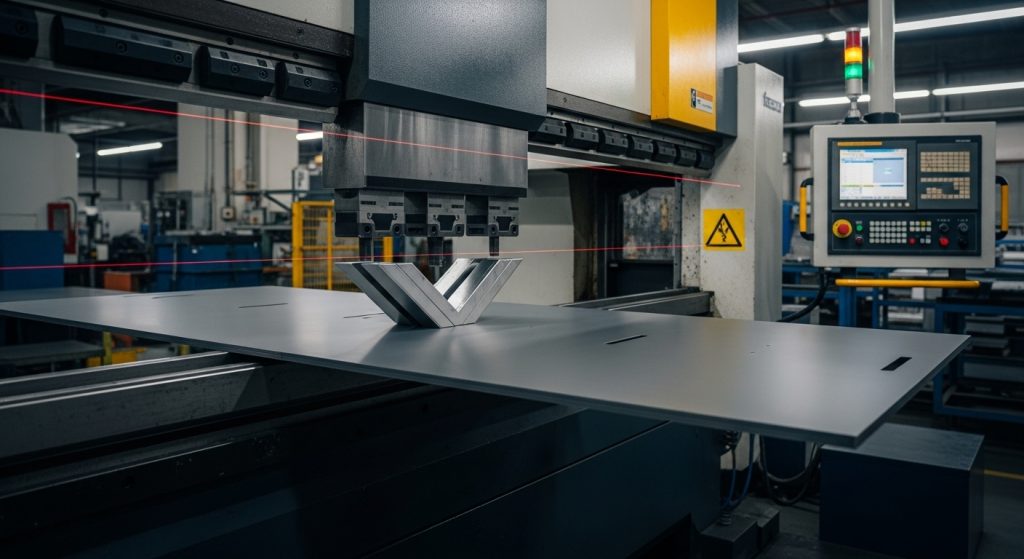
- Standard Hardened Tooling: Used for internal plates and hidden brackets where surface kontakt transfer marking is not a concern.
- Polished Tooling: Essential for door panels to prevent die shoulder pressure coating fracture risk. Smooth tools slide over the metal without biting.
- Segmented Tooling: This is the best choice for small control boxes. It allows you to bend four sides of a box in one setup without hitting the side flanges.
If your tool alignment micro deviation is off even slightly, you will see a panel impact on the final corner. The corner will not "close" perfectly, leaving a gap. High-quality enclosure shops use precision-ground tools that stay square to the ram. This ensures that the pressure is even across the entire length of the bend, which is the secret to a professional-looking seam.
Bend Sequence Planning to Prevent Panel Twist or Assembly Misalignment
The order in which you make your bends is just as important as the bends themselves. A poor sequence causes panel residual stress distribution shift, which makes the metal twist like a potato chip.
A common mistake is bending the long flanges last. You should generally perform long edge bending first to establish the main structure. This reduces long edge bending deflection accumulation. If you bend the corners out of order, you risk a corner bend stress concentration rotation, which pulls the panel out of square.
Setup Rules for Enclosure Sequences:
- Start with the largest flanges to provide a stable reference for smaller bends.
- Use a "return bend" sequence that doesn't trap the panel against the tool.
- Account for post bend elastic recovery alignment drift by measuring the first part of every batch.
- Program "dwell time" at the bottom of the stroke to help the metal set its shape.
Back Gauge Accuracy and Its Role in Electrical Enclosure Repeat Production
Your back gauge is what ensures that the holes for the hinges line up with the holes in the frame. You need a back gauge repeat positional resolution that is extremely tight to maintain batch enclosure dimensional consistency retention.
In enclosure work, you often use the edge of the panel as your reference. If the panel reference edge repeat stability is low, every bend after that will be in the wrong place. This leads to a hole to bend positional tolerance dependency failure.
Risks of Poor Back Gauge Setup:
- Door Misalignment: If the back gauge fingers are not square, the door will hang crooked.
- Hinges Binding: Tiny shifts in the flange length make hinges hard to bolt on.
- Seal Gaps: If the flanges are too short, the rubber seal will not reach the frame.
- Assembly Rejection: Parts that look okay alone but will not bolt together in the final stage.
Common Enclosure Panel Bending Mistakes That Cause Assembly Rejection
Avoiding scrap is the best way to stay profitable. Most assembly rejections in the enclosure industry come from simple errors that can be fixed at the press brake.
- Wrong V-Die: Using a V-die that is too small causes coating micro fracture stress initiation.
- Sequence Stress: Bending in an order that causes panel twist residual stress imbalance.
- Gap Issues: An assembly seam misalignment propagation usually starts with a single bad angle.
- Sealing Failure: If the angle is off by even one degree, it can cause an angle deviation enclosure sealing failure.
Choosing a CNC Press Brake Platform for Electrical Enclosure Manufacturing
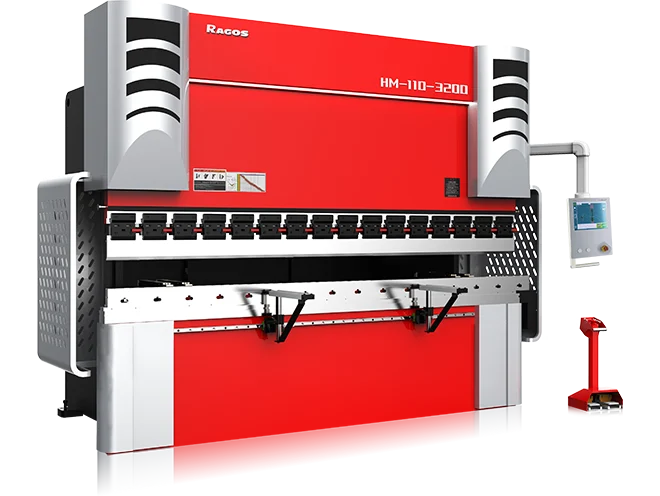
When you select a precision enclosure panel servo bending platform stability, you are investing in your assembly speed. You need a machine that offers panel repeat batch production reliability to keep up with your orders. Look for multi tooling enclosure forming compatibility so you can run doors, shells, and brackets on one machine. A tight tolerance panel bending control system is the only way to ensure every cabinet is built to last.
Aluminum Electrical Enclosure Panels and Lightweight Bending Considerations
Working with an aluminum sheet press brake requires you to handle aluminum enclosure panel elastic recovery amplification. Aluminum is prone to lightweight panel deformation instability range issues because it is so soft. You must use a surface cosmetic protection bending method to avoid low hardness enclosure panel scratch sensitivity. These panels are great for weight savings but need a gentle touch on the machine.
Sheet Steel Electrical Enclosure Production Using CNC Press Brakes
A sheet steel press brake is the workhorse of the cabinet industry. You will find a cold rolled enclosure panel bending stability zone that makes your angles very predictable. These machines offer sheet steel enclosure forming pressure predictability, which is vital for long-run jobs. You must practice coated steel panel bending surface risk management to keep the galvanized layer from flaking during high-volume steel enclosure production.
Precision Transfer Lessons From HVAC Panel Bending
You can learn about long panel stability from an HVAC press brake setup. These shops use a thin panel flange deflection control strategy to keep large sheets from bowing. Their panel seam forming repeat tolerance stability is very similar to what you need for an electrical box. Mastering long sheet edge bending straightness control will ensure your large cabinets stay square and quiet.
Stainless Steel Outdoor Electrical Enclosures and Springback Strategy
An outdoor stainless steel press brake setup must account for the high elastic recovery stainless springback amplification. These panels have a specific stainless enclosure corrosion resistant forming behavior that makes them tougher to bend than mild steel. You must use a stainless panel angle compensation margin control to hit your targets. This ensures your outdoor enclosure surface finish protection bending method keeps the metal looking professional.
When Electrical Enclosure Work Moves Toward Heavy Plate Bending
Some industrial cabinets use a boiler plate bending approach for heavy gauge enclosure structural panel forming. This involves a plate compression deformation load distribution that is very different from thin sheet work. Thick enclosure shell bending pressure escalation can strain lighter machines. You must understand the heavy industry enclosure tolerance vs sheet tolerance contrast when moving into thick-walled blast-proof cabinets.
Final Thought
Achieving a perfect fit in electrical enclosure manufacturing is a matter of combining the right bend sequence with a high-precision CNC platform. By focusing on panel squareness and protecting your material's surface, you ensure that every cabinet leaves your shop ready for a long life in the field. Precision at the press brake is the only way to guarantee a reliable, sealed, and professional-looking final product.