

CNC Press Brake Manufacturer in China: Factory Audit Checklist
Buying a machine from a different continent can feel like a high-stakes gamble. When you are looking at a CNC Press Brake manufacturer in China, you are likely chasing the promise of 30% to 40% cost savings compared to local suppliers. However, the fear of receiving a "lemon"—a machine that underperforms or lacks support—is real. In the 2026 global market, China has moved from being a budget alternative to a technological leader, but the quality gap between factories is still vast.
To secure your investment, you need more than just a glossy catalog. You need a systematic way to separate the Tier-1 engineering powerhouses from the "assembly-only" workshops. This guide provides a definitive factory audit checklist and a deep dive into the Chinese manufacturing landscape to help you buy with total confidence.
Who Are the Top CNC Press Brake Manufacturers in China?
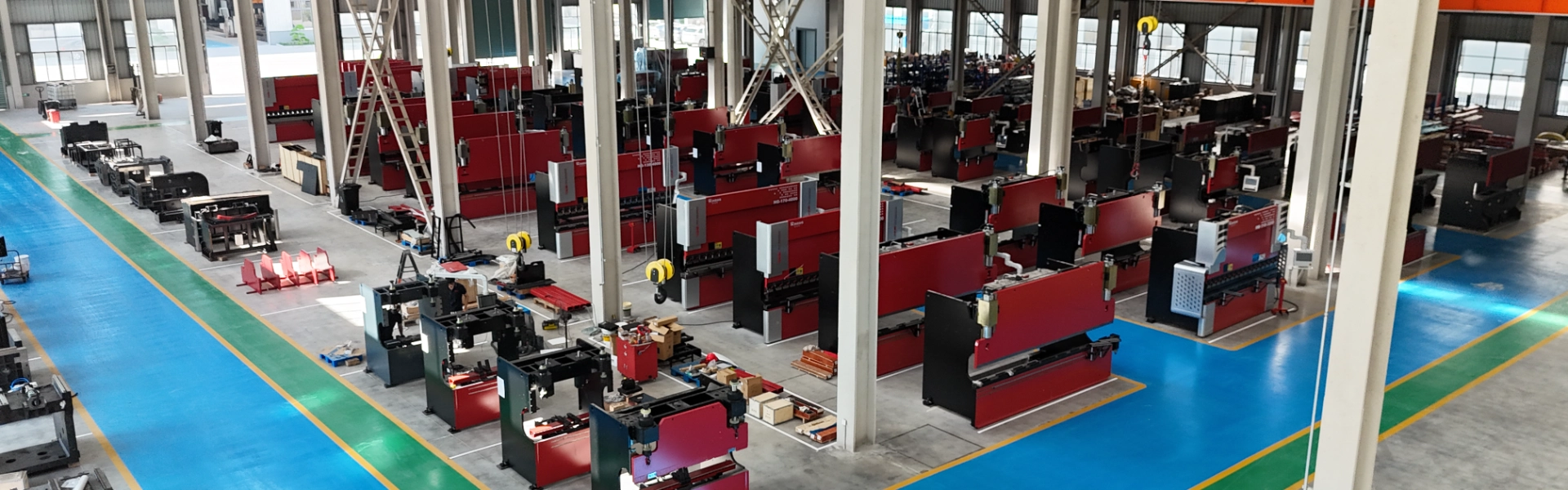
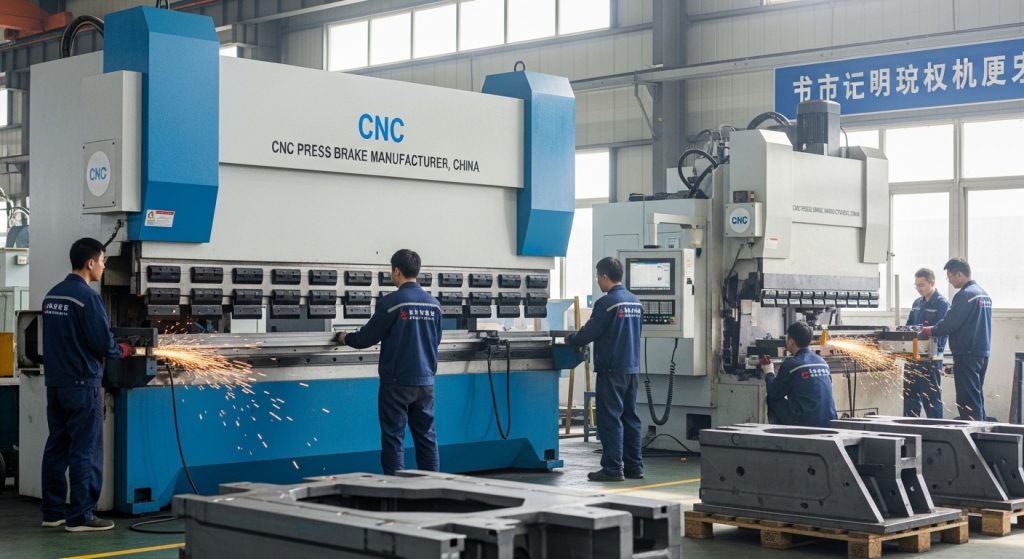
The Chinese market is dominated by a few "Titan" brands that have spent decades perfecting their export operations. These factories are essentially massive industrial campuses that produce thousands of units annually for the global market.
Large Export-Oriented Brands
- Yawei (Jiangsu Yawei): Often cited as the "Trumpf of China." They were the first publicly listed metal-forming company in China and are famous for high-end servo-hybrid machines.
- Accurl: Based in Anhui, they have carved out a reputation for "Euro-style" aesthetics and using premium global components (like Delem and Rexroth) as standard.
- HARSLE: Known for being incredibly responsive to the global market, offering highly customizable CNC configurations for small to medium job shops.
- ADH Machine Tool: A giant in the industry with massive production capacity and a very strong presence in the North American and European markets.
Mid-Tier Reliable Manufacturers
These factories focus on the "Sweet Spot" of the market: reliable, 4-axis to 6-axis machines that work all day, every day, without the premium brand markup.
- Nanjing Shenchong: A leader in robotic bending cells and automation.
- Jiangsu Jinqiu: Known for solid, heavy-duty frames and "old-school" build quality.
- Anhui LIFU (Durmapress): A fast-growing brand that focuses on modern CNC interfaces and high-speed operation.
What Are the Different Tiers of Chinese Press Brake Factories?
Understanding the "Tier System" is the fastest way to align your budget with your expectations. Not every factory is trying to build a 20-year machine; some are built for the low-cost, short-term market.
Tier 1: The Export Leaders
These factories have dedicated international service departments, CE certifications that are actually verified by third parties (like TUV or SGS), and English-speaking engineers. They usually source 80% of their critical components from Europe or Japan.
Tier 2: The Regional Workhorses
These manufacturers primarily serve the domestic Chinese market but have an export wing. Their machines are robust but might lack the "refined" finish of a Tier 1 brand. They are excellent for general fabrication where a cnc press brake needs to be simple and easy to repair.
Tier 3: Budget OEM / Assembly Shops
These are often small workshops that buy frames from one place, hydraulics from another, and slap a sticker on the side. While the price is tempting, the risk of "ghost" components (no-brand valves or used CNC controllers) is high.
Why Should You Choose a Chinese CNC Press Brake Over a European One?
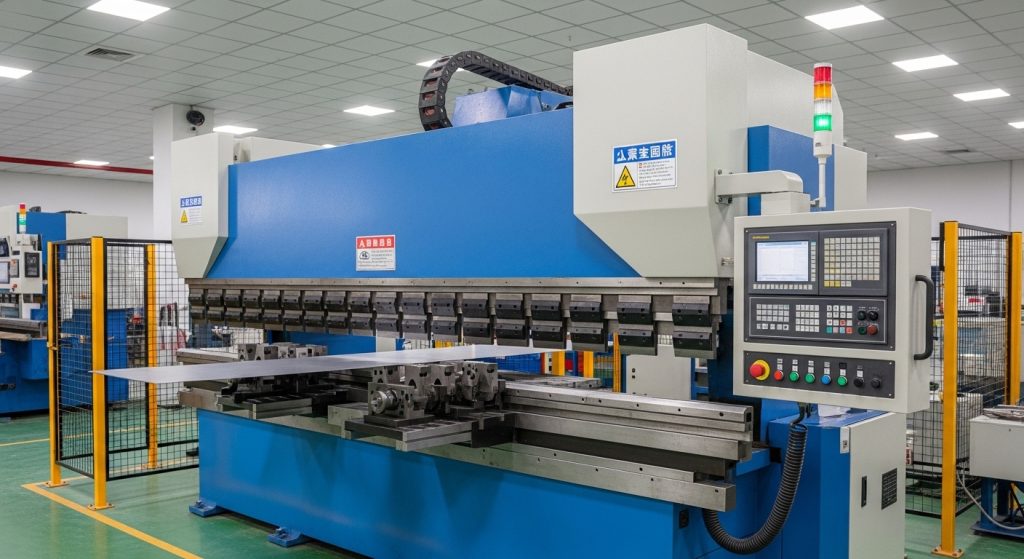
The decision usually comes down to the Total Cost of Ownership (TCO). In 2026, the technical gap between a high-end Chinese machine and a mid-range European machine has narrowed significantly.
The Cost-Benefit Breakdown
- Initial Investment: A top-tier Chinese CNC press brake can be 40% cheaper than a europe press brake supplier for the exact same specifications.
- Component Parity: Most high-end Chinese makers use the same Dutch Delem controllers and German Bosch Rexroth hydraulics found in European machines.
- Technology Updates: Chinese factories often iterate their designs faster, incorporating new features like laser angle measuring or hybrid-servo drives more quickly than traditional western brands.
If you are struggling to choose, a china vs europe supplier analysis usually shows that China wins on raw ROI, while Europe wins on localized "on-site" service and resale value.
What Is the "Factory Audit Checklist" for a China Supplier?
If you cannot visit the factory in person, you must perform a "Virtual Audit." Ask for a live video call where the salesperson walks through the workshop. Use this checklist as your guide:
1. The Workshop Workflow (The "5S" Check)
- Is the floor clean? A sloppy workshop usually means sloppy machine assembly.
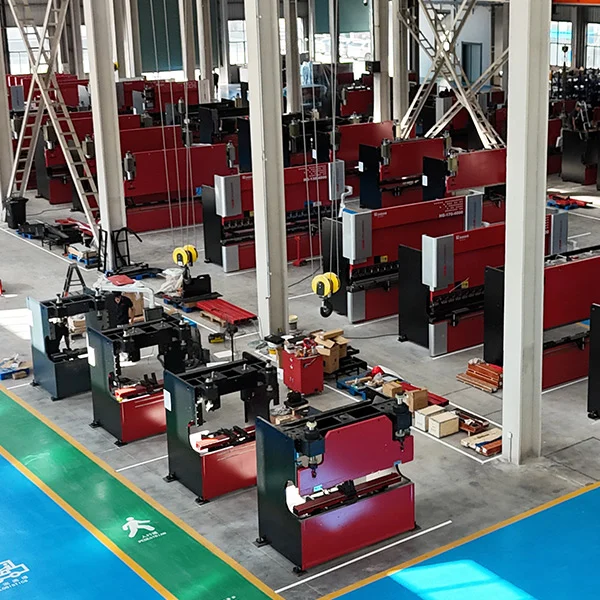
- Are the machine frames aged? High-quality frames should sit for weeks or undergo "vibration stress relief" after welding. If you see raw steel being welded and painted on the same day, the frame will likely warp over time.
- Is there a dedicated QC area? Look for a "Testing Station" where machines are run for 48–72 hours before packing.
2. Component Verification
- Check the Serial Numbers: Ask for a close-up photo of the CNC controller and hydraulic valves. Verify these with the manufacturer (Delem or Rexroth) to ensure they aren't counterfeit.
- Electrical Cabinet Wiring: A Tier-1 factory will have neatly labeled, color-coded wiring. A budget shop will have a "bird's nest" of wires that will be a nightmare to troubleshoot.
3. Real Export History
- Ask for "Bill of Lading" (BL) redacted copies: This proves they have actually shipped to your country recently.
- Customer References: Ask for a video of a machine running in a shop in your region. Most reputable makers will have a "Success Story" they are happy to share.
How Do You Conduct a Remote Machine Test?
Don't just watch a video of the machine "dry cycling" (moving without metal). You need to see it work under load.
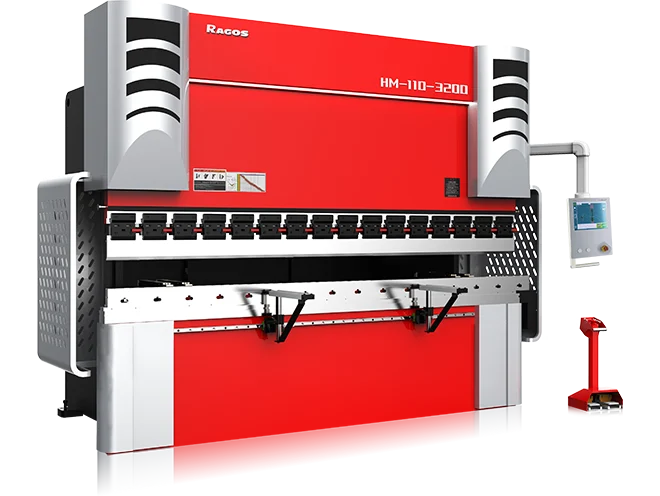
- The "Full Length" Test: Ask them to bend a sheet that is the full length of the machine (e.g., a 3200mm sheet on a 3200mm bed). This tests the crowning system.
- The "Repeatability" Test: Have them bend 5 pieces of the same thickness. Measure them on camera with a digital protractor. If the angle varies by more than 0.5 degrees, the machine's hydraulic synchronization is weak.
- The "Slow Speed" Test: Watch the ram as it approaches the metal. It should transition from "Fast Down" to "Bending Speed" smoothly. Any "jerking" indicates poor valve calibration.
What Are the Core Components Used in High-Quality Chinese Machines?
A CNC press brake is only as good as its parts. When auditing a manufacturer, insist on these "Gold Standard" brands for the internal systems:
| System | Recommended Brands |
| CNC Controller | Delem (Netherlands), ESA (Italy), Cybelec (Switzerland) |
| Hydraulic Valves | Bosch Rexroth (Germany), Hoerbiger (Germany) |
| Servo Motors | Yaskawa (Japan), Delta (Taiwan), Estun (China - High End) |
| Main Motor | Siemens (Germany), ABB (Switzerland) |
| Ball Screws / Guides | HIWIN (Taiwan), PMI (Taiwan) |
If the manufacturer says they use "Our Own Brand" for these critical parts, be very cautious. Proprietary parts are nearly impossible to source if the manufacturer stops supporting that model.
What Is the Difference Between NC and CNC in the China Market?
You will see many "Budget" machines labeled as WC67K. These are typically NC (Numerical Control) machines, not true CNC.
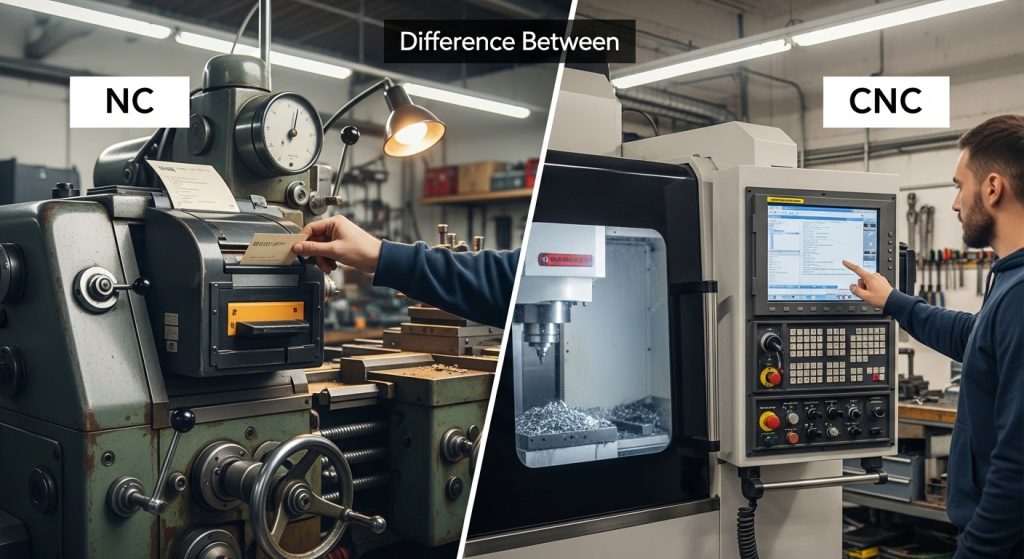
- NC (E21 / DA-41T): These only control the depth (Y-axis) and the backgauge (X-axis). You have to manually adjust the pressure and crowning.
- True CNC (DA-53T / DA-66T): The computer calculates the tonnage, the crowning, and the bend sequence automatically. If you want to gain "Topical Authority" in your market for precision, always go for a True CNC.
How Does China Compare to Other Emerging Markets?
While China is the leader, other regions are catching up. Many buyers are now looking at a vietnam press brake factory for lower labor costs or a brazil press brake distributor for better regional support in South America. However, China still holds the crown for the most integrated supply chain—meaning they can source the steel, the chips, and the valves all within a 50-mile radius, which keeps their lead times the shortest in the world.
What After-Sales Support Should You Expect?
This is where the "Million-Dollar Decision" is made. A machine that sits idle for three weeks waiting for a 50-cent fuse is a liability.
Essential Support Requirements:
- Remote Troubleshooting: The machine should have an Ethernet port or Wi-Fi so the factory engineers in China can log in and see the error codes in real-time.
- Wear Parts Kit: Every machine should ship with a "Spare Parts Box" containing extra seals, fuses, and sensors.
- Local Technician Partners: Ask if they have a partnership with a local independent service company in your country. Even if they don't have their own office, they should have a "Go-To" guy for on-site repairs.
Final Thought
A CNC Press Brake manufacturer in China can be the engine of your shop's growth if you approach the purchase with a "Systems-First" mindset. Don't buy a price; buy a factory. Look for evidence of process control, verify the brands of the internal components, and insist on a live test of your material thickness. When the math works and the audit is clean, the ROI on a Chinese machine is nearly impossible to beat.
Frequently Asked Questions (FAQs)
1. Is a "Publicly Listed" factory safer to buy from?
Generally, yes. Companies like Yawei or Yangli have stricter financial reporting and quality standards. They are less likely to disappear overnight compared to a small private workshop.
2. Should I pay the full amount before the machine leaves China?
The industry standard is 30% Deposit / 70% Balance after inspection but before shipment. Never pay the final 70% until you have seen a video of your specific serial-numbered machine performing a test bend.
3. How do I know if the "CE" mark is real?
Ask for the EC Declaration of Conformity and the name of the "Notified Body" that issued the certificate. You can search the Notified Body's website to verify the certificate number.
Import duties and local port handling fees. Depending on your country (especially in the US or EU), "Anti-Dumping" duties can sometimes add 25% or more to the machine's cost. Always check your HS Code (usually 8462.21) with a local customs broker first.
5. Can I use my own tooling on a Chinese machine?
Yes. Most Chinese makers use "Euro-Style" (Amada) or "Wila" style clamping. Just ensure you confirm the clamping type before they ship the machine so your existing tools fit perfectly.