

CNC Press Brake Supplier in Europe: What to Check Before You Buy
The European market for metal fabrication machinery is a sophisticated environment where precision meets strict safety regulations. If you are searching for a CNC Press Brake, you likely know that the machine is the heart of your production floor. It is the primary tool that turns flat sheets into complex, valuable components. However, the sheer number of suppliers in Europe can make your decision feel overwhelming.
Whether you need a high-speed machine for delicate electronics or a massive ram for shipbuilding, your choice of supplier defines your shop's profitability for the next fifteen years. This guide explores the major European brands, specialized manufacturers, and the critical factors you must check before you commit your capital.
What is a CNC Press Brake?
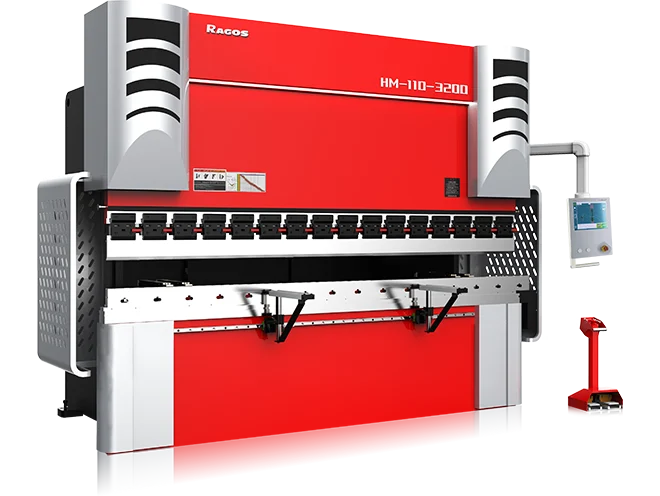
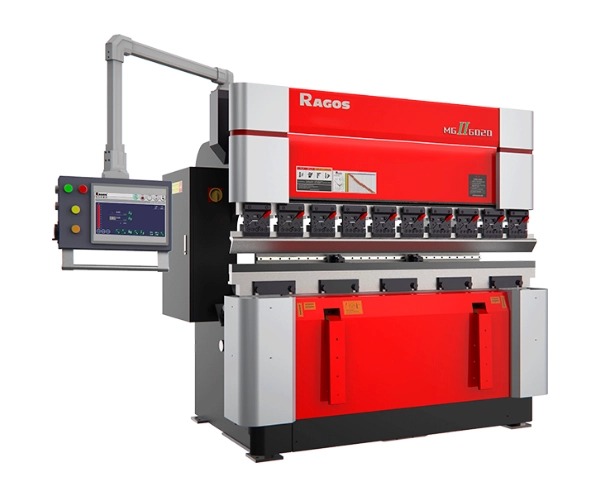
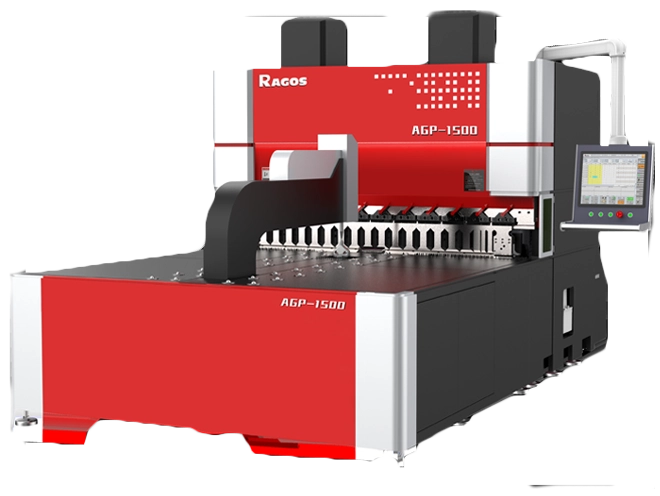
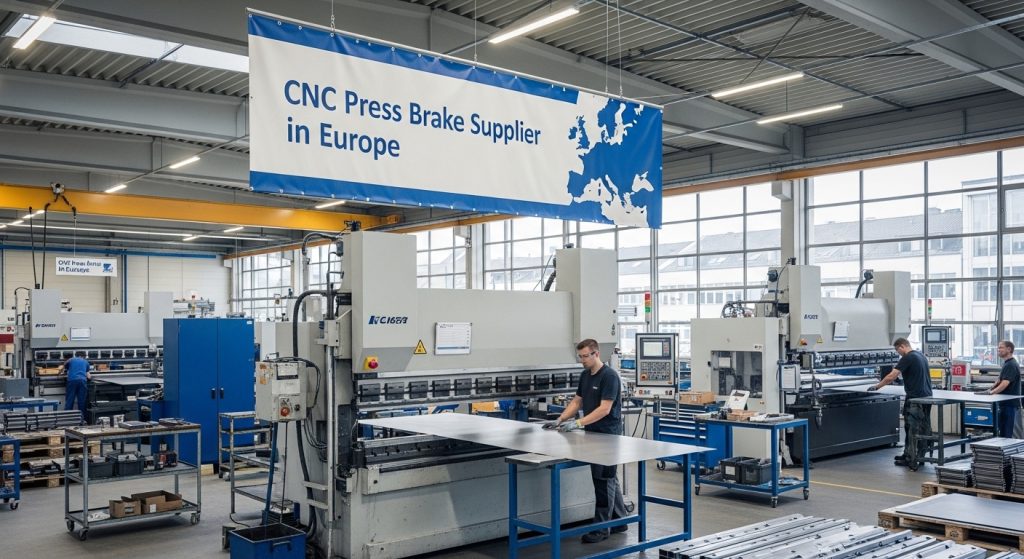
A CNC press brake is a high-precision industrial machine used to bend sheet metal and plate material through computer-controlled movements. The CNC system manages the ram depth, backgauge position, and crowning compensation with micron-level accuracy. This technology removes human error from the bending process, allowing you to achieve perfectly repeatable angles across thousands of parts.
In the European context, the CNC Press Brake is not just a bender; it is an orchestrated system. It uses advanced hydraulics or electric servos to drive a punch into a die. The computer control allows you to program complex sequences in seconds. This makes it the standard for shops that demand high efficiency and low waste.
Why Should You Evaluate a CNC Press Brake Supplier in Europe?
Buying from a European supplier ensures your machine meets the highest safety and quality standards, specifically the CE certification. European manufacturers often lead the market in automation, energy efficiency, and software connection. Choosing a local or regional partner also simplifies logistics, service, and spare parts availability across the continent.
When you look at a CNC Press Brake supplier in Europe, you are buying into a tradition of engineering excellence. These brands focus heavily on the "Operator Experience." They design interfaces that are intuitive and safety systems that protect your team without slowing down production.
The Strategic Value of CE Marking
Every machine sold in Europe must adhere to the Machinery Directive. This covers everything from electrical grounding to the reaction time of light curtains. While suppliers from other regions may offer lower prices, verifying their compliance with European safety law is your responsibility as the owner. A European-based supplier handles this burden for you.
Premium European Manufacturers: High-End CNC Technology
If your budget allows for the best technology available, the premium segment in Europe is home to the global leaders. These companies don’t just build machines; they build "Smart Factories." Brands like Trumpf, Bystronic, and SafanDarley are at the top of this list.
What Makes a Premium Supplier Different?
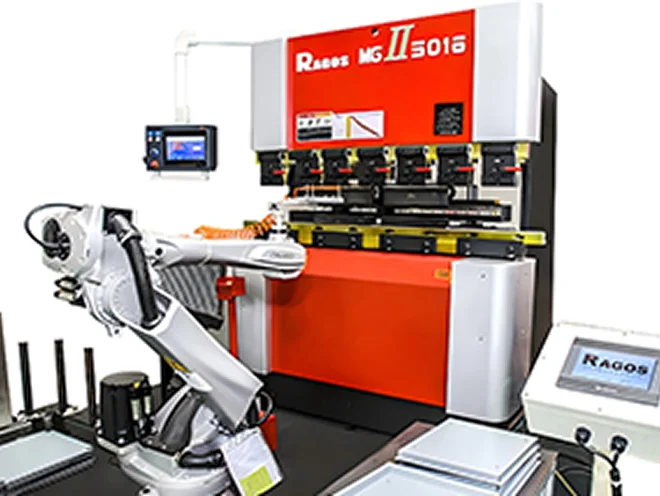
Premium European suppliers offer the highest level of automation and precision. They feature advanced angle measuring systems, fully automated tool changers, and seamless software ecosystems. These machines are designed for high-volume, high-complexity factories where every second of downtime costs thousands of Euros, requiring the most reliable support networks.
- Trumpf (Germany): Often considered the gold standard. Their TruBend series is known for incredible speed and the most advanced backgauge systems on the market.
- Bystronic (Switzerland): They excel at high-speed bending and user-friendly software. Their machines are built like Swiss watches—quiet, fast, and exceptionally accurate.
- SafanDarley (Netherlands): The pioneers of the E-Brake (Electric Press Brake). If you want to move away from oil and hydraulics, they are the first name to check.
Strong Mid-Range European Brands: Performance vs. Cost
Most general fabrication shops don't need a fully robotic tool changer. They need a workhorse. This is where mid-range European brands shine. Companies like LVD, Gasparini, and Haco offer fantastic reliability without the "luxury" price tag of the top-tier brands.
Why is the Mid-Range Segment the Most Popular?
Mid-range European brands provide the best balance between price and performance. They offer robust hydraulic systems and modern CNC controls that handle 95% of standard fabrication tasks. These suppliers are ideal for contract manufacturers who need high-quality bends but must manage their initial capital expenditure carefully.
- LVD (Belgium): They occupy a unique space between mid-range and premium. Their "Easy-Form" laser tracking is world-class, yet they remain accessible to many medium-sized shops.
- Gasparini Industries (Italy): Italian machines are famous for their design and hydraulic finesse. Gasparini builds machines that are incredibly rigid and offer excellent crowning systems.
- Haco (Belgium): Known for simplicity and durability. A Haco machine is often the first "real" CNC bender a growing shop buys because they are easy to learn and maintain.
Niche and Specialized European Manufacturers
Sometimes, a standard machine isn't enough. If you are bending 50mm thick plate for bridge sections or 12-meter long poles, you need a specialist.
Who Are the Heavyweight Specialists?
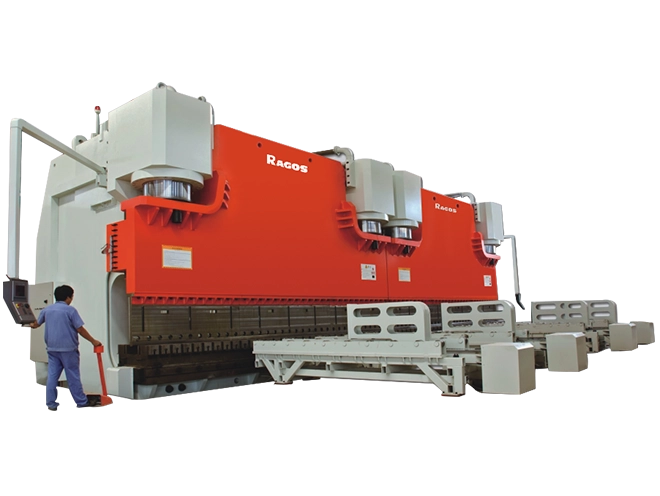
- Ursviken (Sweden): If you need a machine that can push 1,000 to 5,000 tons, Ursviken is the name. They specialize in extreme high-tonnage applications for shipbuilding and heavy defense.
- EHT Werkzeugmaschinen (Germany): Now part of the Trumpf group, but they still maintain their identity for custom, large-scale bending solutions.
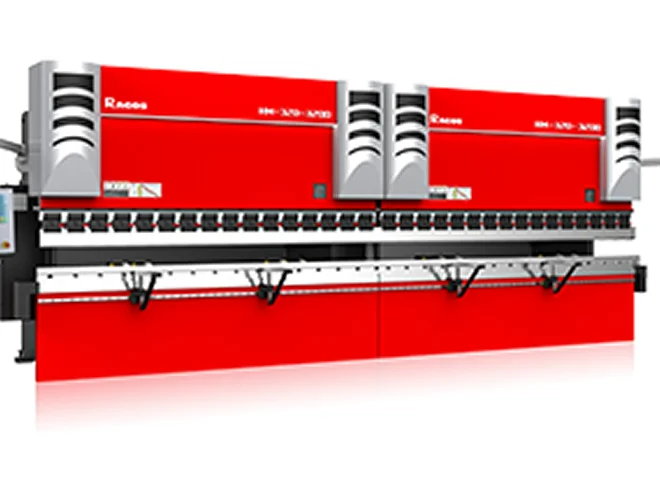
- ADIRA (Portugal): They have made a name for themselves in the wind energy and structural sectors, often offering tandem machines that can work together to bend extremely long parts.
Global Alternatives: Comparing Europe to International Markets
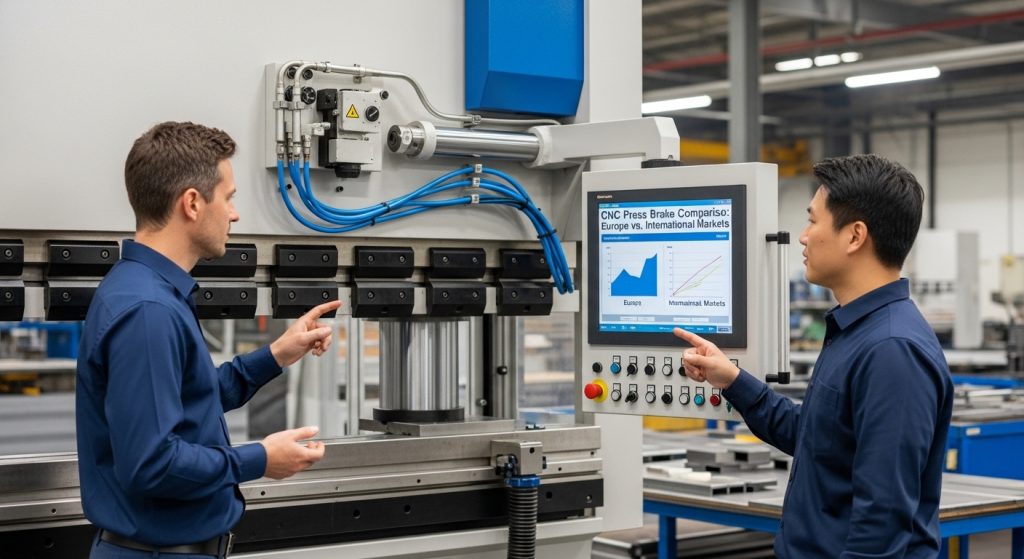
While Europe has incredible brands, many buyers look at global options to compare value. Understanding how a CNC press brake from Europe compares to a China press brake maker or a Vietnam press brake factory is a key part of your due diligence.
| Region | Strength | Best Used For |
| Europe | Technology & Safety | High-precision, high-cost labor areas |
| Turkey | Value & Speed | General fabrication with fast delivery |
| China | Price & High Tonnage | Simple parts or bulk machine purchases |
| Brazil/Vietnam | Regional Distribution | Local assembly and emerging market support |
If you are looking for a balance of European proximity and competitive pricing, many buyers check with a Turkey press brake dealer. Turkish brands like Durma and Baykal have a massive presence in the European market because they offer CE-certified machines at a mid-range price point. Similarly, if you have operations in the Americas, you might consult a Brazil press brake distributor for localized support.
Critical Checklist: What to Check Before You Buy
We have seen shop owners buy a 400,000 Euro machine only to realize it doesn't fit through their factory door or their floor isn't thick enough to hold the weight. Before you sign the contract with any European supplier, run through this list.
1. Verify the "Real" Tonnage per Meter
Don't just look at the total tonnage. You need to know how the force is spread across the beam. Use the standard formula to check if the machine can handle your thickest parts:
$$P = \frac{650 \times S^2 \times L}{V}$$
Where $P$ is force, $S$ is thickness, $L$ is length, and $V$ is die opening. If a supplier cannot give you a detailed tonnage chart for different materials, walk away.
2. Check the Control System Software
In Europe, software is king. Does the machine use a proprietary control (like Trumpf) or a third-party standard like Delem or Cybelec? Third-party controls are often easier to find service for if the manufacturer goes out of business or has a long lead time for support.
3. After-Sales Support and Response Time
Ask the supplier for a list of their technicians in your specific country. If you are in France and their only technician is in Germany, you will pay a fortune for travel time. You need a 24-hour response window for critical machine failures.
The Regulatory Reality: Safety and Sustainability
Europe is moving toward greener manufacturing. Newer CNC press brakes are often evaluated on their "Standby Power" consumption.
Why Energy Efficiency Matters in 2026 (Writer: Insert 50-word direct answer for snippet optimization)
Energy prices in Europe remain volatile, making machine efficiency a core profit factor. Modern electric or hybrid CNC press brakes use up to 60% less energy than older hydraulic models. By choosing a supplier that prioritizes energy-saving drives, you reduce your carbon footprint and lower your monthly operating costs significantly.
Final Thought
Choosing a CNC Press Brake supplier in Europe is a decision that balances initial cost against the total cost of ownership. While the premium brands offer dazzling features, a mid-range machine often provides a better return on investment for a growing shop. Focus on the quality of the frame, the speed of the service team, and the ease of the software. If you get those three things right, your new press brake will be the most profitable tool in your shop.
Frequently Asked Questions
1. Is it better to buy a local brand or an international one?
Buying a local brand usually gives you faster access to parts and service. However, many international brands now have "European Headquarters" with full spare parts warehouses. Check the location of the spare parts center before buying.
2. Can I use non-proprietary tooling on European machines?
Most European machines use either "Euro-Style" (Amada) or "Wila" tooling styles. Ensure you know which one the machine uses so you don't get locked into buying expensive tooling only from the machine manufacturer.
3. How long is the typical lead time for a European press brake?
For a standard machine, expect 3 to 6 months. For a custom, high-tonnage machine or a fully automated cell, lead times can stretch to 12 months.
4. Do European suppliers offer financing?
Yes, most major suppliers have partnerships with industrial banks. In many EU countries, you can also apply for "Industry 4.0" grants that can cover a portion of the machine's cost if it connects to your digital network.
5. What is the most common reason for machine failure?
Surprisingly, it isn't the hydraulics. It is "Dirty Power" or electrical surges. Ensure your supplier includes a high-quality voltage stabilizer in the quote to protect the sensitive CNC electronics.