

CNC Press Brake Distributor in Brazil: Warranty and Spare Parts Questions
Navigating the industrial machinery market in Brazil requires more than just a technical understanding of bending force and stroke length. As one of the world's most complex regulatory and tax environments, Brazil demands a strategic approach to procurement. Whether you are looking for a high-end European system or a value-driven Asian import, the difference between a profitable investment and a logistical nightmare often comes down to the reliability of your CNC Press Brake distributor in Brazil.
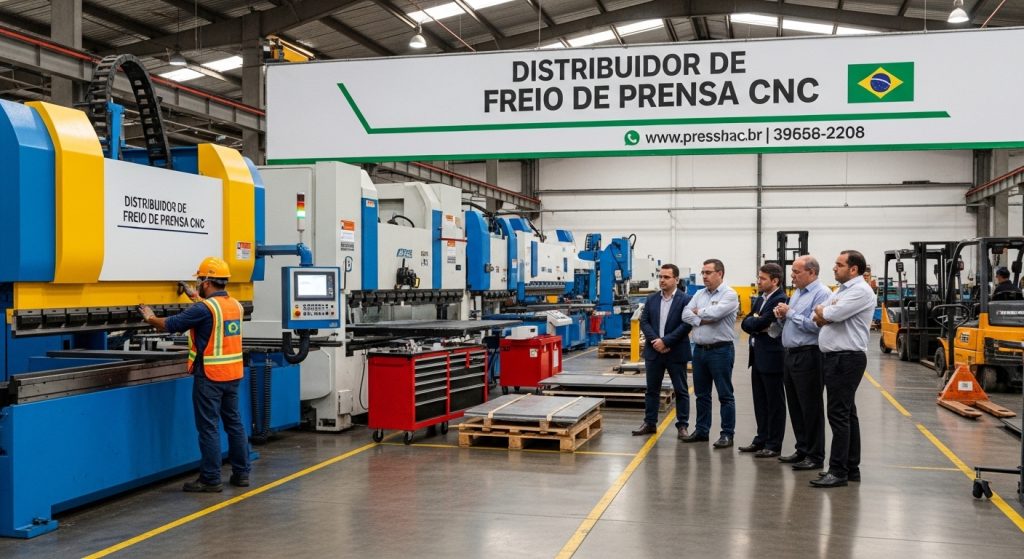
In this comprehensive guide, we analyze the major market players, the nuances of the Brazilian supply chain, and the critical questions you must ask regarding warranty, spare parts, and the mandatory NR12 safety standards.
🇧🇷 Known CNC Press Brake Distributors & Market Players in Brazil
The Brazilian market is mature but highly segmented. Depending on your production volume and the complexity of your sheet metal components, your search will likely lead you to one of three categories of suppliers.
Direct Brand Presence / Distribution Networks
These are the global leaders who have invested in physical infrastructure, training centers, and direct subsidiaries within Brazil.
- Trumpf: Operating via Trumpf do Brasil, they dominate the premium segment. Their machines, such as the TruBend series, are synonymous with Industry 4.0. Buying from Trumpf in Brazil ensures a direct line to German engineering with a localized service team that is widely considered the best in the country.
- Bystronic: A Swiss powerhouse focusing on high-end automation. They don't just sell press brakes; they sell integrated ecosystems. For Brazilian companies looking to transition into fully automated bending cells, Bystronic is a primary contender.
- Amada: With a long-standing history in the Brazilian metalworking sector, Amada offers Japanese precision. Their distribution network is robust, focusing heavily on precision electronics and automotive sectors.
- LVD: Represented through high-level partnerships, LVD provides advanced European press brake solutions that bridge the gap between high-speed production and heavy-duty industrial bending.
Local Brazil Machine & Distribution Companies
For many, "buying local" is a strategic move to ease financing and ensure that the machine is built specifically for the Brazilian electrical grid and safety landscape.
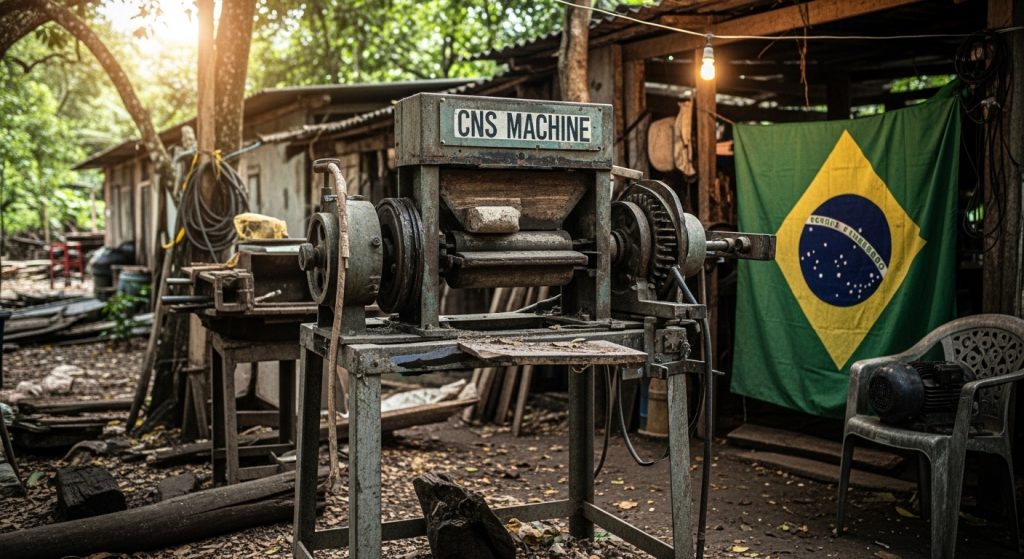
- Romi: A household name in Brazilian industry. While famous for lathes, Romi’s presence in the metal forming sector provides buyers with the security of a massive, nationwide service network.
- Newton Máquinas: Perhaps the most specialized "local" name in sheet metal machinery. They have a deep understanding of the Brazilian fabricator’s needs, offering machines that balance durability with localized technical support.
- Gasparini Industries: This Italian brand is frequently found in Brazilian shops through specialized regional distributors who provide the high-tonnage capabilities required for the agricultural and construction sectors.
- Ermaksan: As a major Turkish manufacturer, Ermaksan has gained significant market share in Brazil. They are often the preferred choice for those seeking Turkey press brake dealer expertise with a price-to-performance ratio that sits comfortably between Chinese and German brands.
China Brand Import Distributors
The most rapidly growing segment in Brazil involves distributors who specialize in high-quality Chinese machinery. These distributors act as the bridge, handling the complex "Custo Brasil" (import taxes and logistics).
- Yawei: Known for high-end components (Delem, Hoerbiger) at competitive prices.
- Accurl: Gaining traction for their fiber laser and press brake combinations.
- HARSLE: Popular among small-to-medium enterprises (SMEs) looking for a reliable China press brake maker with local representation in states like São Paulo or Santa Catarina.
How the Brazil CNC Press Brake Market Usually Works
To make an informed decision, you must understand the "Tier System" of supply in Brazil. Each tier offers a different level of post-purchase security.
Market Segmentation Table
| Segment | Supply Model | Target Audience | Primary Focus |
| Premium | Direct Brand Offices | Tier-1 Auto, Aerospace | Uptime & Automation |
| Mid-Range | Specialized Regional Dealers | General Fabrication, Furniture | Versatility & Service |
| Budget/Value | Independent Importers | Job Shops, Startups | Initial ROI & Price |
The Role of the Distributor
In Brazil, the distributor is rarely just a salesperson. Because of the NR12 (Norma Regulamentadora 12) safety laws, the distributor is often legally responsible for ensuring the machine meets Brazilian safety standards before it is commissioned on your shop floor.
Real Buyer Pattern in Brazil
How do Brazilian companies actually choose their machines? The data shows a clear divide based on the end-user's industry:
- Large Industrial / Automotive: These buyers prioritize reliability over price. They almost exclusively gravitate toward Trumpf, Bystronic, or Amada. The cost of an assembly line stopping for one day far exceeds the price difference of the machine.
- General Fabrication & Job Shops: This is the most competitive sector. These buyers often compare a China vs. Europe supplier to find the "sweet spot." They look for machines with Delem controllers because it is easier to find operators in Brazil who already know how to use them.
- Cost-Focused Buyers: These are often companies moving from manual mechanical brakes to their first CNC Press Brake. They rely heavily on independent importers who can offer flexible payment terms or assist with BNDES/FINAME financing.
Warranty and Spare Parts: The Critical Questions
This is the most vital section for any Brazilian buyer. The "Custo Brasil" includes high import duties on spare parts and potential delays in customs (Receita Federal).
1. Where is the physical stock of parts located?
If the distributor says "we can get it from Germany/China in 3 days," be skeptical. Customs clearance in Brazil can take anywhere from 48 hours to three weeks.
Key Question: "Do you have a 'Stock List' of critical spare parts (valves, encoders, seals) physically located in your Brazilian warehouse?"
2. Is technical support outsourced or in-house?
Many lower-cost distributors use freelance technicians. While knowledgeable, these technicians may not be available during peak periods.
Key Question: "How many full-time, factory-trained technicians do you have based in my region?"
3. Does the warranty cover "Door-to-Door" service?
In a country as large as Brazil, travel costs for a technician from São Paulo to a factory in Recife can be astronomical.
Key Question: "Is the cost of technician travel and lodging included in the 12-month warranty, or only the replacement part?"
4. What is the "NR12 Adequacy" protocol?
Imported machines often arrive with CE (European) certification, which is not the same as NR12.
Key Question: "Will you provide the ART (Anotação de Responsabilidade Técnica) for the safety systems upon installation?"
Technical Considerations for the Brazilian Climate
Brazil’s diverse climate—from the humid North to the industrial South—affects machinery longevity.
- Hydraulic Cooling: In hotter regions like Minas Gerais or the Northeast, ensure your CNC press brake is equipped with an active oil cooling system. Heat is the number one killer of hydraulic seals.
- Voltage Fluctuations: Brazilian industrial grids can be unstable. A high-quality distributor should recommend or include a voltage stabilizer to protect the sensitive electronics of the CNC controller.
- Portuguese Interface: Language barriers lead to mistakes. Ensure your import questions checklist includes a requirement for the CNC software to be fully translated into Brazilian Portuguese.
Final Decision Matrix: Finding Your Partner
Selecting a CNC Press Brake distributor in Brazil is a long-term marriage. Before finalizing your purchase, verify the following:
- BNDES/FINAME: Can the distributor facilitate local financing? This is often the only way for Brazilian SMEs to afford high-quality equipment.
- References: Ask for the contact information of at least three customers in your specific state. Regional support varies wildly.
- Tooling Compatibility: Ensure the machine uses standard Promecam or Wila-style tooling, which is easily sourced locally in Brazil.
Investing in a CNC press brake is a significant step toward industrial maturity. By focusing on the distributor's ability to provide local spare parts and NR12 certification, you protect your investment from the unique challenges of the Brazilian market.