

CNC Press Brake Factory in Vietnam: Lead Time, QC, and Support
Vietnam has rapidly transformed into a global manufacturing powerhouse, particularly within the sheet metal fabrication and precision engineering sectors. When looking for a CNC Press Brake factory in Vietnam, it is vital to distinguish between companies that manufacture the machines and those that utilize high-end CNC press brakes to provide world-class fabrication services.
While China and Europe remain dominant in original equipment manufacturing (OEM) for the machines themselves, Vietnam has become the "China+1" destination of choice for actual metal production. This guide explores the logistical reality, quality standards, and support infrastructure you can expect when sourcing from a Vietnam-based facility.
CNC Press Brake Factory in Vietnam: Lead Time, QC, and Support
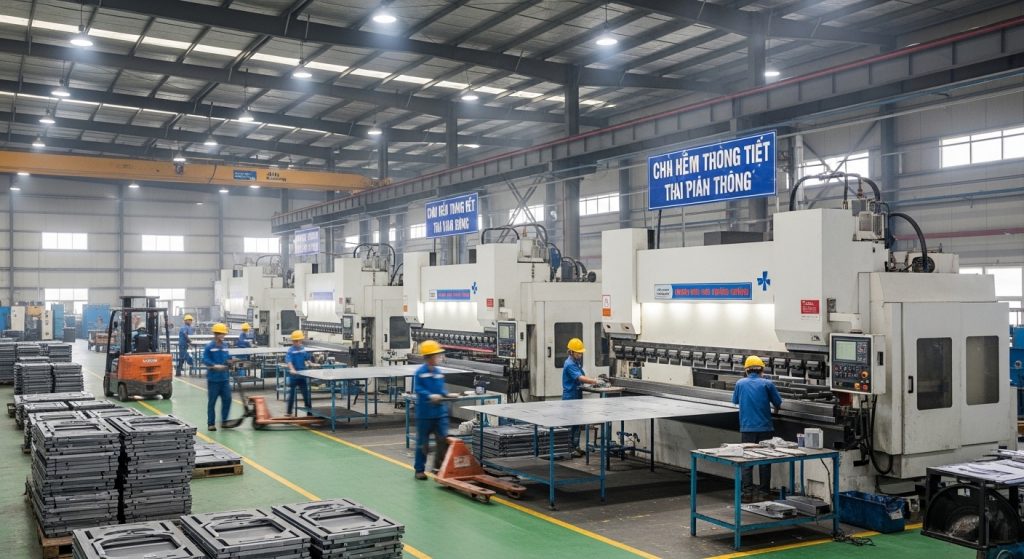
Vietnam's manufacturing narrative in 2026 is one of "precision at scale." The country has successfully attracted massive foreign direct investment (FDI) from Japan, South Korea, and Europe, resulting in a landscape filled with factories that utilize world-class cnc press brake technology to serve the global supply chain. If you are looking to outsource your metal bending or seeking a regional partner for industrial equipment, understanding the logistical and quality benchmarks of Vietnamese factories is the key to a successful partnership.
What Is the Current State of the CNC Press Brake Industry in Vietnam?
To understand the Vietnam market, you must first distinguish between machine builders and machine users. While the region is not yet a global hub for building original press brake units—a market still dominated by a china press brake maker or a europe press brake supplier—it is an absolute powerhouse in using those machines for contract manufacturing.
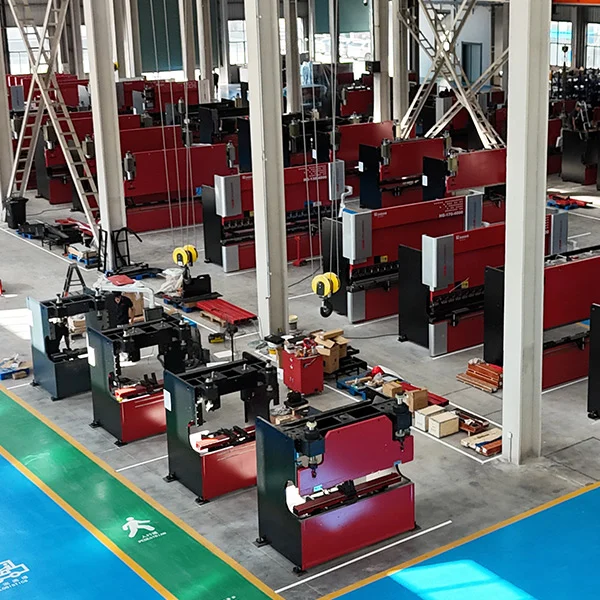
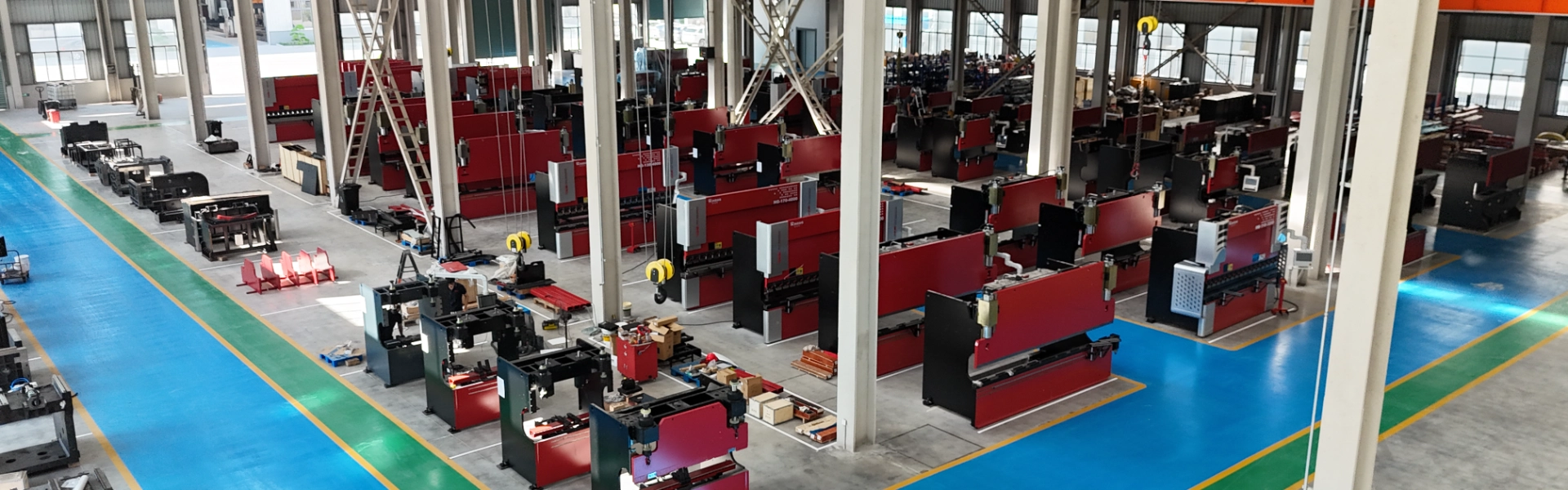
Most "factories" you will encounter in Vietnam are sophisticated sheet metal fabrication centers. These facilities often house dozens of imported CNC machines from top-tier brands like Amada, Trumpf, and Bystronic. This allows them to offer the "Vietnam Advantage": lower labor costs paired with the high-end precision of Japanese or European hardware. Recently, local companies have begun to enter the assembly space, integrating imported CNC controllers with locally fabricated frames to offer "hybrid" machines that provide a mid-range price point for regional buyers.
How Long Is the Typical Lead Time for Bending Projects in Vietnam?
In the fast-paced 2026 manufacturing environment, lead time is often as important as price. Vietnam’s proximity to major shipping lanes and its "China+1" status make it a highly agile player in the logistics space.
1. Prototype and Small Batch Turnaround
For custom hvac press brake components or small batches of brackets, Vietnamese factories typically offer a 7 to 14-day turnaround for prototypes. The density of material suppliers in industrial zones like Binh Duong or Bac Ninh means that raw steel or aluminum is usually available within 24 to 48 hours.
2. Mass Production and Export Shipping
Once a design is approved, mass production typically takes 4 to 8 weeks. This duration accounts for the procurement of specific materials, the setup of multi-stage bending sequences, and the final quality inspection. Shipping from major ports like Cat Lai (Ho Chi Minh City) or Hai Phong (near Hanoi) to Europe or the US usually takes an additional 3 to 5 weeks, though air freight is an option for urgent, high-value components.
3. Machine Procurement Lead Times
If you are purchasing a locally assembled or integrated CNC press brake from a Vietnamese supplier, the lead time is generally 10 to 16 weeks. This longer timeframe is due to the necessity of importing high-tech components, such as Dutch Delem controllers or German Rexroth hydraulic valves, which are not currently manufactured within Vietnam.
What Quality Control (QC) Standards Should You Expect?
Vietnam has moved past its "low-cost, low-quality" reputation. The current export-driven economy is built on strict adherence to international standards, as most local factories are Tier-1 or Tier-2 suppliers for global giants in the automotive and electronics sectors.
1. ISO and AWS Certifications
A reputable Vietnam factory will almost always hold an ISO 9001:2015 certification for its quality management system. For structural projects, you should look for AWS (American Welding Society) or CWB certifications, as these indicate that the facility understands the relationship between precise bending and high-integrity welding.
2. First Article Inspection (FAI)
Before a full production run begins, the factory should provide a First Article Inspection report. This report involves measuring every dimension of the first part against your CAD drawings using high-precision tools.
Pro Tip: Ask if the factory uses a CMM (Coordinate Measuring Machine). This automated tool can verify complex 3D geometries that manual calipers might miss, ensuring your electrical enclosure bending tolerances are met exactly.
3. Tonnage and Angle Verification
Quality control during the bending process itself is managed through the CNC's internal sensors. Many Vietnamese factories now utilize laser angle-measuring systems that verify the bend in real-time. To ensure the machine isn't being overloaded, which can cause frame deflection, the factory should follow a standardized tonnage formula:
$$P = \frac{650 \times S^2 \times L}{V}$$
By adhering to these calculations, the factory ensures that the 10mm steel or 2mm aluminum isn't just bent, but formed within the elastic limits of the machine's frame, maintaining long-term accuracy.
What Kind of Local Support and Maintenance Is Available?
One of the biggest concerns for an international buyer is what happens after the purchase or during a complex production run. Vietnam has built a robust support infrastructure through regional "Experience Centers" and specialized service integrators.
1. Regional Service Hubs
Major industrial equipment distributors in Vietnam maintain "Showrooms" or "Experience Centers" where you can see machines in action before committing. These hubs, like those found in Bac Ninh, also serve as training centers where your local project managers can learn the specific aluminum sheet press brake parameters required for your material.
2. Spare Parts and Consumables
Because Vietnam is a major user of CNC technology, local stock for common "wear parts" (seals, filters, and backgauge fingers) is excellent. You won't have to wait for an international shipment for routine maintenance items, which is a significant advantage over sourcing from a more isolated brazil press brake distributor.
3. Remote Technical Assistance
In 2026, "distance is dead" in technical support. Most Vietnamese CNC facilities offer 24/7 remote diagnostics. A technician in Hanoi can log into your machine's controller via a secure Ethernet connection to troubleshoot software glitches or recalibrate the crowning system, often resolving issues without a physical site visit.
How Does Vietnam Compare to China and Europe as a Sourcing Destination?
The decision to source from a vietnam press brake factory is usually a strategic move to diversify the supply chain. While you might consult a china vs europe supplier guide for machine purchases, Vietnam's value proposition is uniquely balanced.
| Metric | China | Vietnam | Europe |
| Manufacturing Depth | Original Builders | Assembly/Fabrication | High-End Innovation |
| Lead Time | Very Fast | Fast | Moderate |
| Cost | Lowest | Low to Moderate | High |
| Trade Tariffs | Potential Barriers | Favorable (EVFTA/CPTPP) | Standard |
For American and European buyers, Vietnam offers a "sweet spot" of technical capability without the trade volatility often associated with the China market. This makes it an ideal location for the mass production of furniture hardware bending or boiler plate bending components destined for international ports.
Critical Factory Audit: What to Check Before Signing
Before you issue a purchase order, you must perform a "Virtual Audit" or hire a local third-party inspector. Use this import questions checklist to guide your review:
- Machinery Origin: Does the factory use reputable CNC brands? If they are using older, manual machines, they cannot guarantee the tolerances required for 2026 precision work.
- Tooling Condition: Ask to see photos of their die library. If the dies are rusted or chipped, your parts will have surface marring and inconsistent angles.
- Communication Skills: Does the project manager speak your language, or do they have English-speaking engineers? Clear communication is the only way to ensure your complex bend sequences are understood correctly.
- IP Protection: How does the factory secure your CAD files? Ensure they have a clear non-disclosure agreement (NDA) in place.
Troubleshooting Common Issues in Vietnam-Sourced Parts
Problem: Inconsistent Angles on Long Bends
This is usually caused by a poorly calibrated crowning system. On a 3-meter or 4-meter part, the machine's bed must "bow" upward to counteract the ram's downward pressure. If the factory doesn't use a machine with automatic hydraulic crowning, your long parts will be open in the middle.
Problem: Surface Scratches on Aluminum or Stainless
This is often a result of using "carbon steel" tooling for non-ferrous projects. To prevent this, insist that the factory uses polished tooling or protective urethane film during the bending process.
Problem: Cracking on Thick Plate Bends
Cracking in boiler plate bending is almost always due to using a V-die that is too narrow. The factory should follow the 8x thickness rule ($V = 8 \times T$) to ensure the material isn't stressed beyond its limit.
Final Thought
A CNC Press Brake factory in Vietnam represents a modern, agile alternative in the global manufacturing landscape. By leveraging high-end imported technology and combining it with a skilled local workforce, these facilities provide a bridge between the high-cost premium of Europe and the high-volume volatility of other regions. Whether you are seeking a production partner for intricate HVAC ducting or a heavy structural assembly, the key to success in Vietnam lies in verifying the factory's machinery, auditing their QC processes, and establishing clear lines of technical support.