

How Much Does a CNC Press Brake Cost (40 Ton to 600 Ton)?
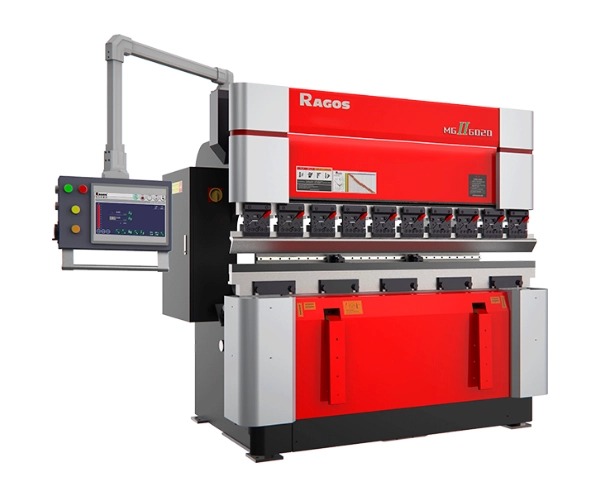
In 2026, a CNC press brake typically costs between $15,000 for entry-level 40-ton models and upwards of $250,000 for high-precision 600-ton industrial units. The final price is determined by tonnage, bending length, drive system, and the complexity of the CNC controller.
In this guide, you will:
- Compare estimated 2026 pricing for various tonnage classes.
- Identify the technical factors that drive up equipment quotes.
- Calculate the "landed cost" including shipping and duties.
- Avoid expensive procurement mistakes that inflate your ROI timeline.
2026 Price Summary by Tonnage
The following table provides a market estimate for CNC press brakes. These figures represent high-quality industrial machines equipped with standard CNC controllers (e.g., Delem or Cybelec).
| Tonnage | Estimated Price Range (USD) | Primary Applications |
| 40 Ton | $15,000 – $35,000 | Electronics, brackets, small precision parts |
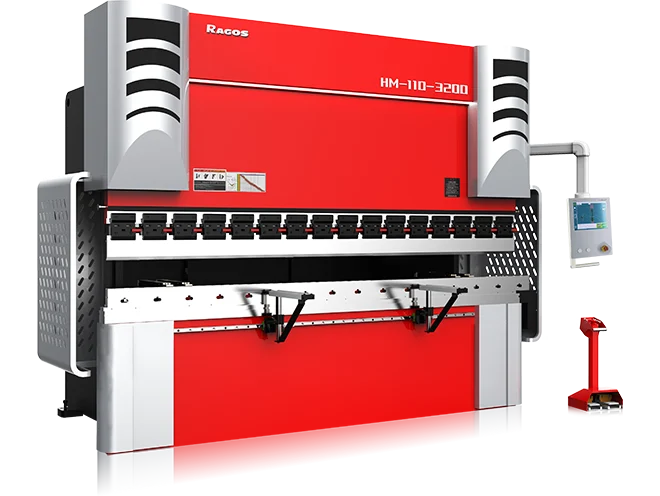
| 100 Ton | $35,000 – $65,000 | Cabinets, furniture, general job shop work |
| 250 Ton | $70,000 – $130,000 | Heavy plate, automotive frames, construction |
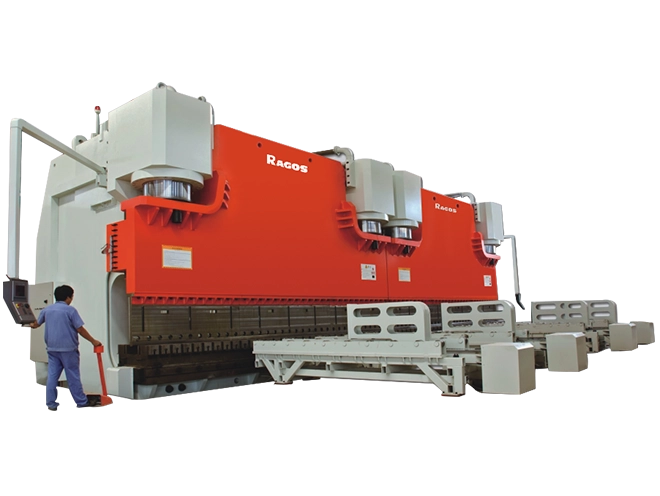
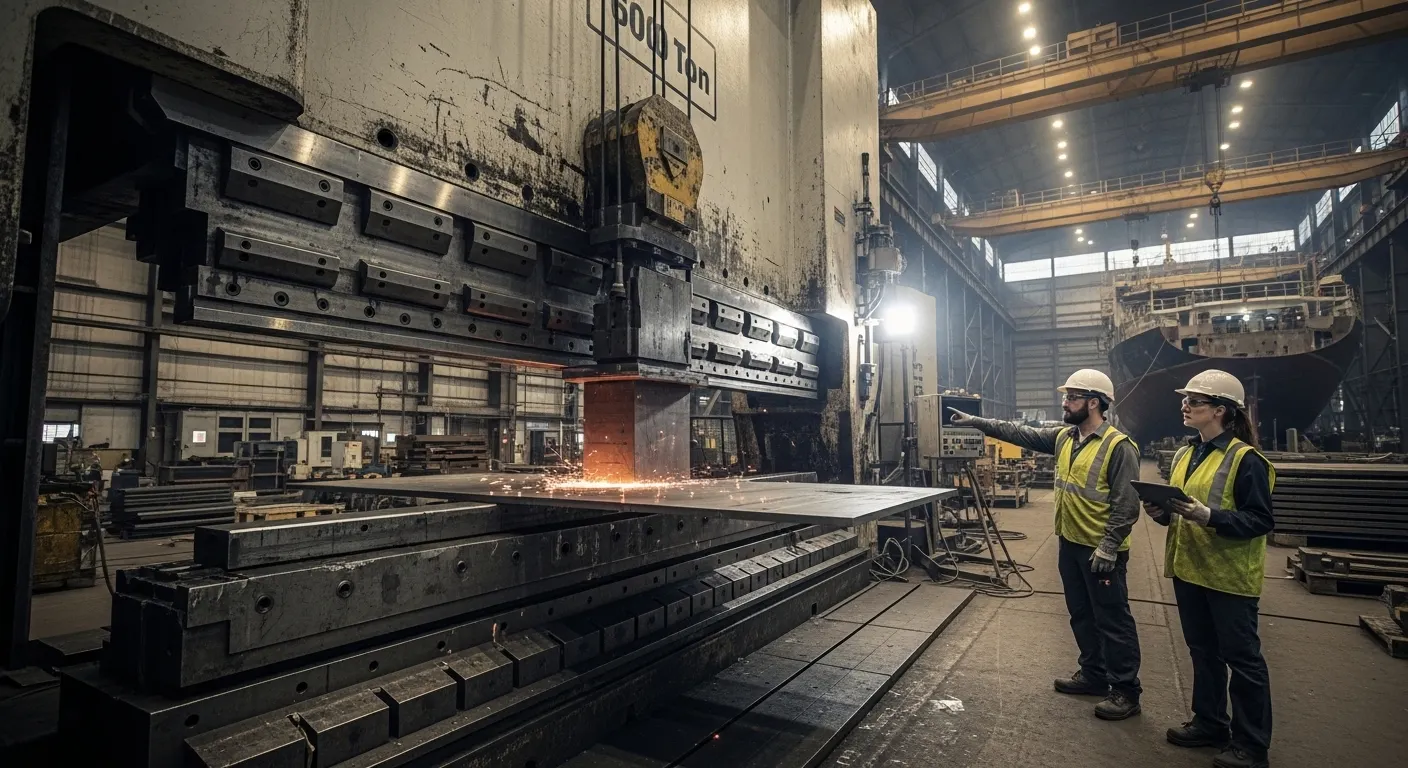
| 600 Ton | $180,000 – $350,000+ | Shipbuilding, infrastructure, mining equipment |
The 4 Core Factors Influencing Your Quote
Understanding the sticker price requires looking beneath the sheet metal. While tonnage is the headline figure, four specific variables dictate the final invoice.
Tonnage vs. Bending Length
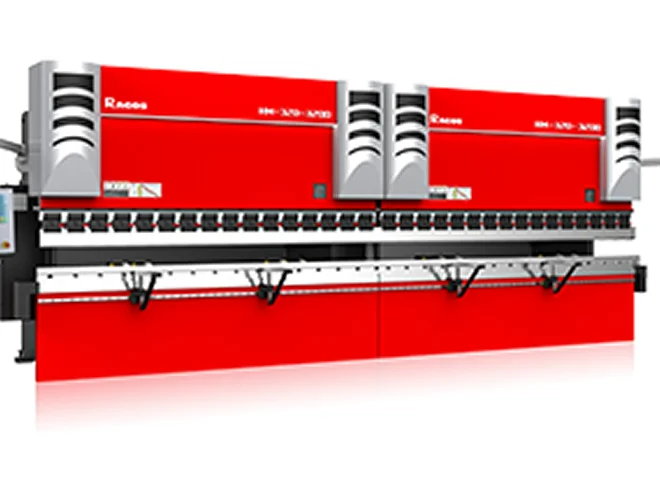
Tonnage is the total pressure the machine can apply, but bending length determines the frame size. A 100-ton machine with a 4000mm bed requires a significantly heavier and more rigid frame than a 100-ton machine with a 2000mm bed. As the bed length increases, the cost of the frame and the hydraulic cylinders increases proportionally.
Drive System: Hydraulic vs. Electric vs. Hybrid
- Hydraulic: The traditional standard. Lower upfront cost but higher energy consumption and maintenance.
- Electric: Offers higher speed and precision. While the upfront cost is 20–30% higher, the Electric Press Brake 40 Ton provides a much faster ROI for high-volume, small-part production due to energy savings.
- Hybrid: Uses servo-pumps to provide hydraulic power only when needed. These represent the middle ground in both price and efficiency.
The "Brain": CNC Controllers (Delem vs. Cybelec vs. ESA)
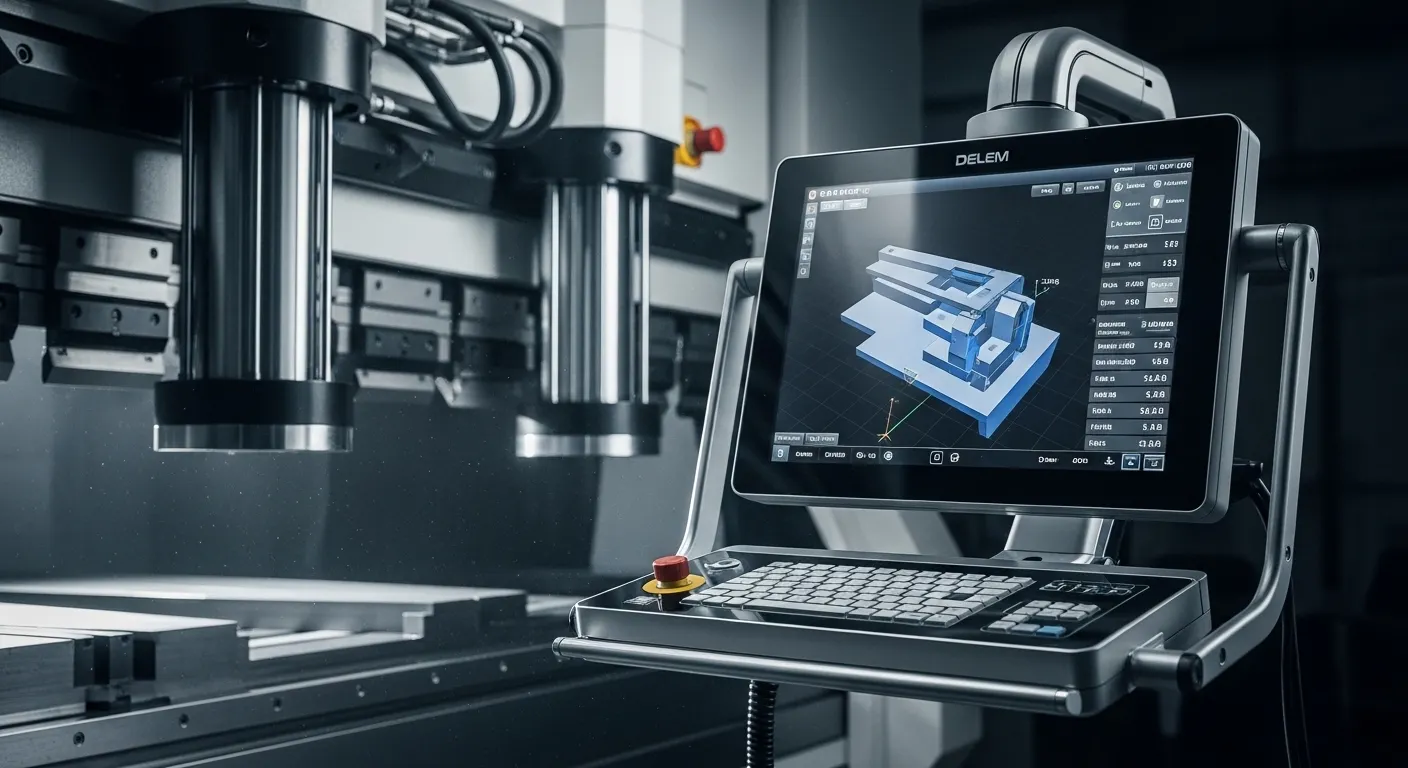
The controller is the most expensive electronic component. Upgrading from a basic 2D controller to a high-end 3D touch-screen model (like the Delem DA-69T) can add $10,000 to $20,000 to the price. These units allow for 3D visualization and offline programming, which reduces setup time.
Number of Axes (Y1, Y2, X, R, Z1, Z2...)
A standard 3-axis machine (Y1, Y2, X) is the baseline. Each additional axis—such as R (height), Z1/Z2 (side-to-side), or Delta X—adds $2,500 to $5,000 per axis. Complex geometries require more axes, which increases the machine's versatility but also its price.
Common Mistakes to Avoid:
- Over-speccing: Buying an 8-axis machine when your daily work only requires 4.
- Ignoring Tooling: Budgeting for the machine but forgetting that Press Brake Tooling and Accessories can add 10–15% to your initial investment.
Total Cost of Ownership: Beyond the Sticker Price
When importing a machine from a manufacturer like JS RAGOS, the "Ex-Works" price is only the beginning. To calculate your true ROI, you must include:
- Shipping & Logistics: Sea freight for a 600-ton machine requires flat-rack containers or break-bulk shipping, which is significantly more expensive than standard 40ft containers used for 40-ton units.
- Customs and Tariffs: Depending on your country, duties can range from 0% to over 25% (needs verification based on local 2026 trade agreements).
- Rigging and Foundation: A 600-ton press brake can weigh over 50 tons. You may need to reinforce your factory floor with a specialized concrete pit, costing $5,000 to $20,000.
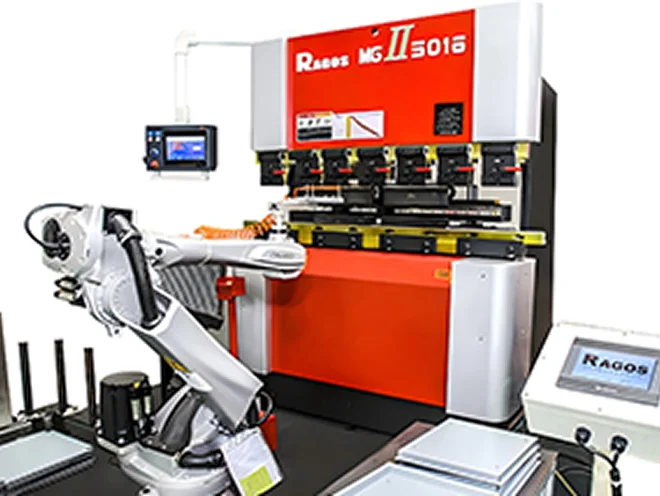
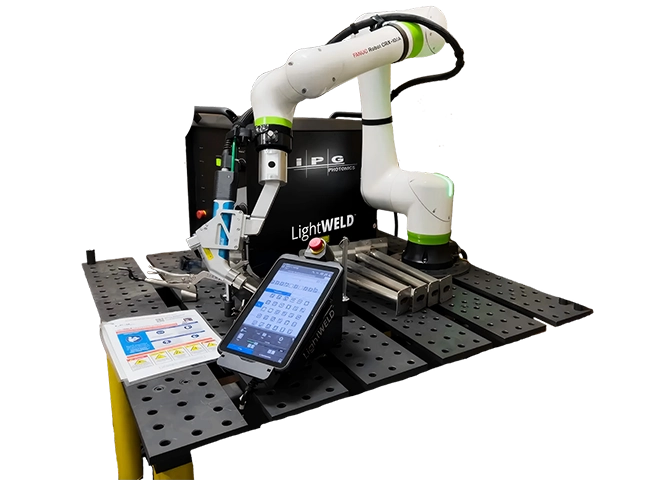
- Training: Investing in CNC Press Brake Automation requires operator training to ensure the robot bending cells are utilized effectively.
The "Direct-from-Manufacturer" Advantage
Buying from a local dealer often includes a 30% to 40% markup to cover their showroom overhead and sales commissions. By sourcing directly from JS RAGOS, you bypass these layers.
We utilize Finite Element Analysis (FEA) to ensure our frames handle maximum tonnage without deflection, providing the same structural integrity as Tier-1 European brands but at a direct-to-factory price point. This allows you to allocate more of your budget toward higher-end controllers or backgauge configurations.
FAQ: Common Budgeting Questions
A high-quality 100-ton CNC press brake in 2026 typically costs between $35,000 and $65,000, depending on the bending length and the complexity of the CNC controller.
Electric models generally carry a 20% to 30% price premium over hydraulic models. However, they offer lower operational costs and faster cycle times for precision work.
Tonnage is determined by the material type, thickness, and V-opening width. For example, bending 6mm mild steel over a 50mm V-opening requires roughly 50 tons per meter.
A used machine may save 40% upfront but often lacks modern safety features, 2026-standard software compatibility, and energy-efficient drive systems, leading to higher long-term costs.
Most quotes are FOB (Free On Board) or EXW (Ex-Works), meaning shipping, insurance, duties, and local rigging are additional costs the buyer must cover.
Beyond the $150k+ price gap, 600-ton machines require custom-engineered frames, heavy-duty crowning systems, and specialized foundations that 40-ton units do not.
Conclusion
Calculating the cost of a CNC press brake requires balancing your current production needs against future growth. While a 40-ton unit is an affordable entry point for precision parts, a 600-ton powerhouse is a foundational investment for heavy industry.