

Sheet Metal Bending Machine CNC: Key Specs Buyers Compare
Investing in a CNC bending machine (commonly known as a CNC press brake) is a high-stakes decision for any fabrication shop or manufacturing facility. Beyond just "bending metal," the right machine dictates your production throughput, part accuracy, and long-term labor costs.
What Are the Critical CNC Bending Specs?
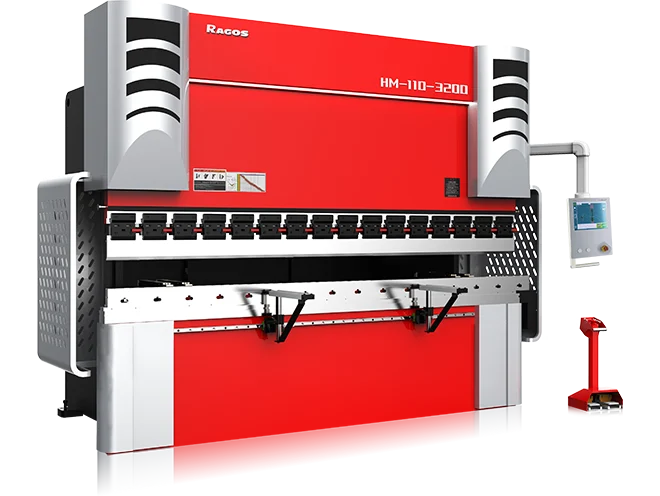
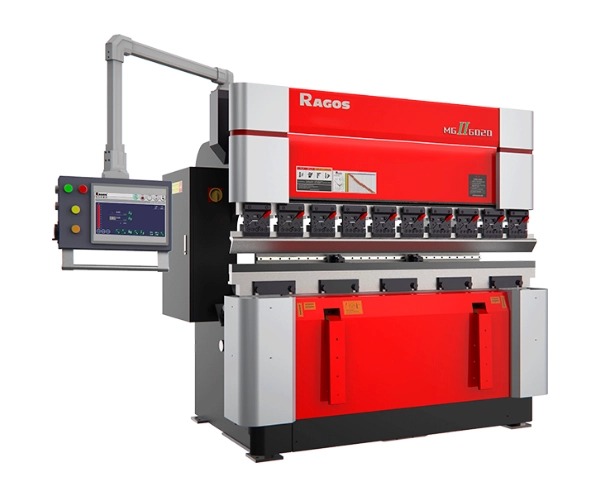
When comparing CNC sheet metal bending machines, buyers should prioritize Tonnage, Bending Length, and the Number of Axes (Y1, Y2, X, R, Z1, Z2). High-precision environments require a focus on repetition accuracy (±0.01mm) and crowning compensation systems to ensure consistent angles across long workpieces.
- Tonnage Calculation: Always spec 20% more capacity than your thickest, hardest material requires to prevent machine fatigue.
- Axis Configuration: A 4-axis machine (Y1, Y2, X, R) is the modern standard for general versatility.
- Control Systems: Look for Delem, Cybelec, or ESA controllers for easier technician training and 3D visualization.
- Crowning is Mandatory: For machines over 2 meters, mechanical or hydraulic crowning is essential to prevent "canoeing" (bowed parts).
- Speed vs. Accuracy: Compare "Approach Speed" for productivity and "Pressing Speed" for precision and safety.
How Much Tonnage Do You Actually Need?
Tonnage represents the maximum pressing force the machine can apply. To determine your needs, you must calculate the force required based on your thickest material, its tensile strength, and the "V-die" opening width.
Overloading a machine leads to "ram upset" (permanent deformation), while underloading leads to failed bends. As a rule of professional practice, if your most frequent job requires 80 tons, buy a 100-ton machine. This 20% safety margin extends the life of the hydraulic seals and the frame itself. For those dealing with specialized geometries, a Variable Angle CNC Press Brake can often handle complex bends that standard machines struggle with, even at lower tonnages.
Comparing Bending Length and Throat Depth
Bending length defines the maximum width of the sheet you can process, while throat depth limits how far the flange can extend into the machine.
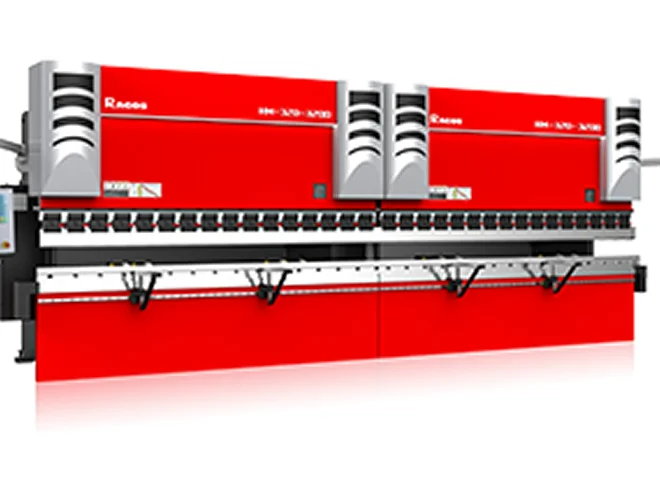
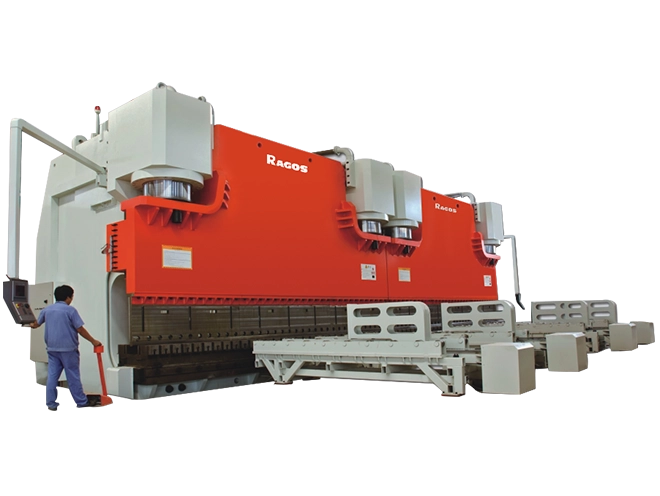
If you are consistently working with oversized architectural panels or lighting poles, a standard 3-meter machine won't suffice. In these cases, manufacturers often look toward a Tandem Press Brake for Long Sheet Metal, which links two machines to work in perfect synchronization. For smaller, high-precision electronic components, a larger machine is actually a hindrance due to slower cycle times; here, an Up-Acting Press Brake with a Compact Design is often the superior choice for ergonomics and speed.
Understanding the CNC Axis: 3, 4, or 6+?
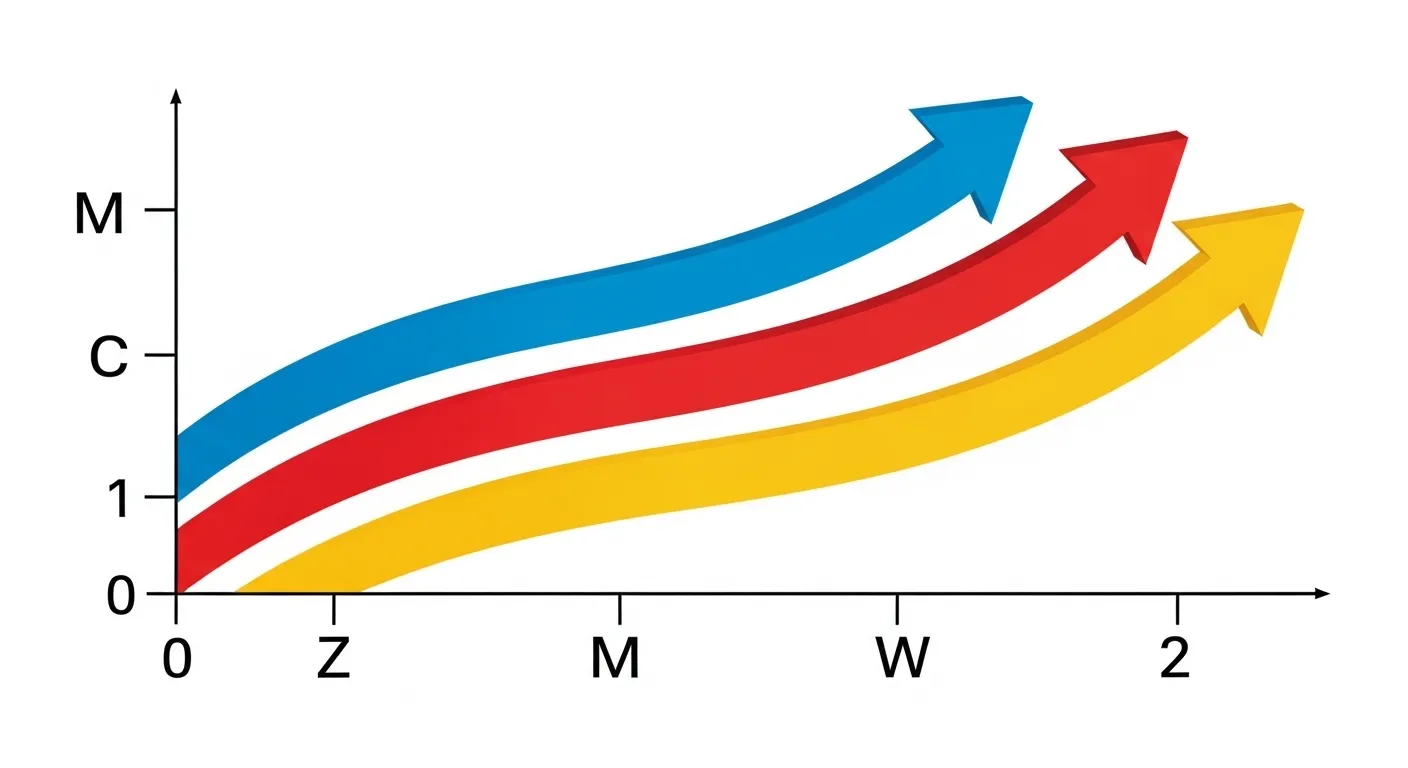
The "Axes" of a CNC bending machine refer to the directions in which the backgauge and ram can move automatically. Most buyers today should start at 4-axis as a baseline. A 3-axis machine (Y1, Y2, X) limits you to simple bends. Adding the R-axis (vertical movement of the backgauge) allows you to handle parts with "flanges" that point downward or stepped bends. If you are doing complex, multi-sided boxes, Z1 and Z2 axes (lateral movement of the gauge fingers) are necessary to support the part at different widths automatically.
| Feature | 3-Axis (Basic) | 4-Axis (Standard) | 6-Axis (Advanced) |
| Control Points | Y1, Y2, X | Y1, Y2, X, R | Y1, Y2, X, R, Z1, Z2 |
| Best For | Simple brackets, 90° bends | General job shop work | Complex, multi-width parts |
| Setup Time | High (manual adjustments) | Medium | Low (fully automated) |
| Cost Impact | Lowest | Moderate (+15-20%) | High (+30-40%) |
Why Crowning Compensation Systems Are Non-Negotiable
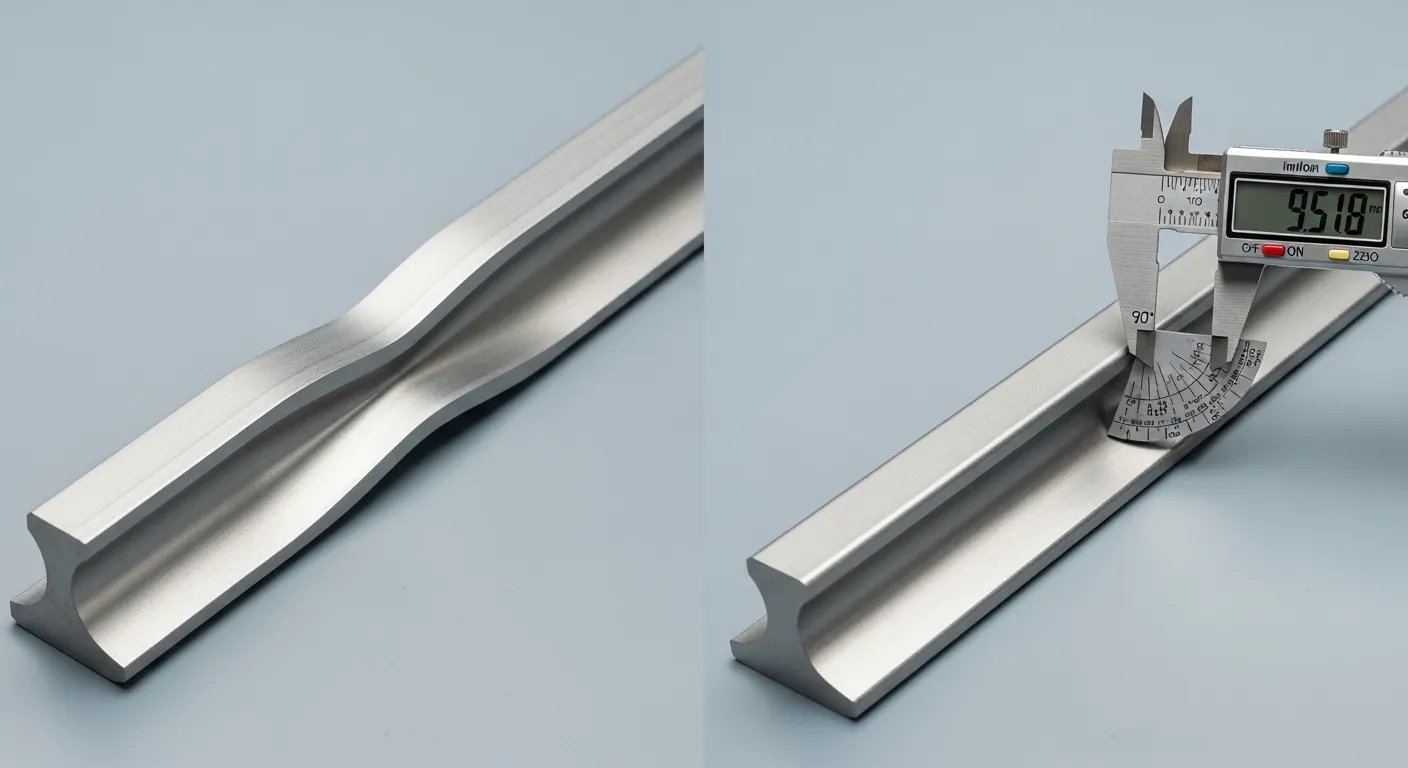
Crowning compensates for the natural deflection of the machine's bed and ram under pressure. Without it, the center of a long bend will be "wider" (under-bent) than the ends.
For B2B manufacturing where ISO standards are strict, manual crowning (using shims) is a massive time-sink. CNC Hydraulic Crowning uses cylinders in the lower bed to push up, while Mechanical Crowning uses a series of wedges. Mechanical is generally preferred in high-precision shops because it is less affected by oil temperature fluctuations and offers more granular "point-by-point" adjustment.
Real-World Case Studies
The Automotive Supplier A Tier-2 automotive stamper was using an old manual press brake for 2mm stainless steel brackets. The problem was high scrap rates (8%) due to inconsistent angles and slow setup times between different part numbers. They switched to a 100T 4-axis CNC Press Brake with 3D graphical control. As a result, scrap fell to <1% and setup time for new parts dropped from 45 minutes to 5 minutes by using the saved tool library in the CNC controller.
Architectural Facade Fabricator A firm specializing in 4-meter aluminum cladding panels struggled with parts "canoeing" (bowing in the middle), making on-site installation impossible without manual correction. They upgraded to a machine with a CNC-controlled Mechanical Crowning system. This allowed them to achieve an angular tolerance of ±0.3° across the entire 4-meter length, increasing installation speed by 30%.
FAQs
An NC (Numerical Control) machine usually only controls the depth of the ram (Y-axis) and a simple backgauge position (X-axis). A CNC (Computer Numerical Control) machine manages multiple axes simultaneously, offers graphical interfaces, and automatically calculates the "bend allowance" based on material thickness.
For a high-quality, 100-ton, 3-meter 4-axis CNC machine, prices typically range from $35,000 to $65,000 depending on the controller brand (Delem/Cybelec) and the inclusion of high-end hydraulics (Rexroth/Hoerbiger).
Absolutely. Stainless steel has more "springback" than mild steel. If you work primarily with stainless, you need a controller with a built-in springback database and potentially an angle-measuring system to check accuracy in real-time.
Look for machines with centralized lubrication systems and high-quality linear guides. A machine with "off-the-shelf" electrical components (Schneider or ABB) is easier to repair locally than one with proprietary, unknown electronics.
Conclusion
Choosing a CNC bending machine requires balancing your current part geometry with future production goals. Focusing on tonnage and axes is the start, but crowning and controller sophistication determine your daily ROI.
- Audit your parts: Identify your thickest material and longest bend to establish your "Baseline Tonnage."
- Evaluate your operators: If you have high turnover, invest in a more intuitive, 3D graphical CNC controller.
- Request a "Bend Test": Send your most difficult material to a vendor and ask for a test report on angular accuracy across the full length of the machine.