

Up-Acting Press Brake Compact Design: Space-Saving Bending Setup Guide
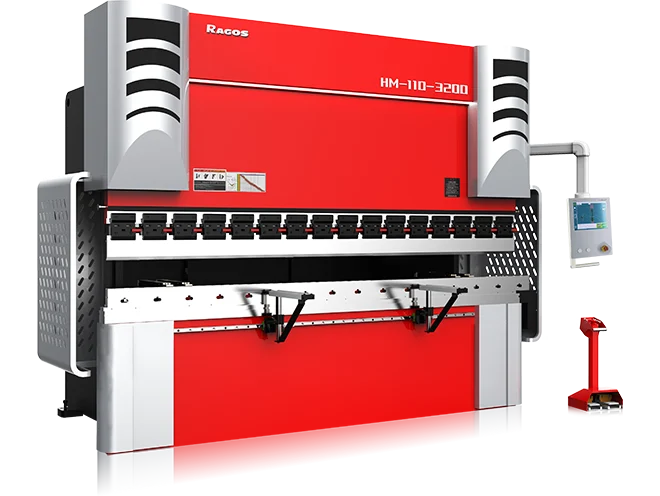
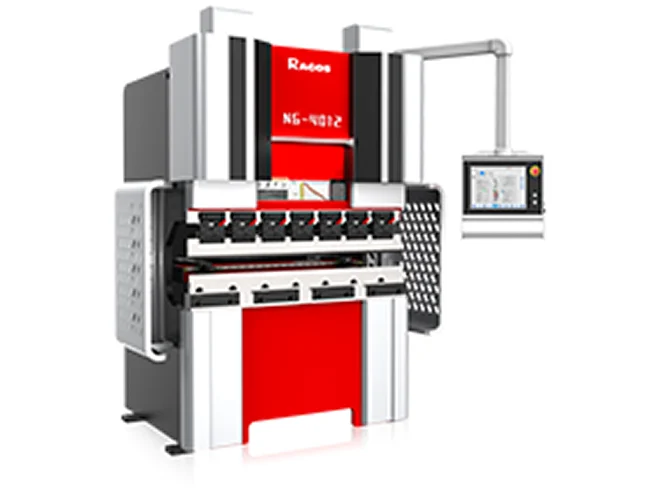
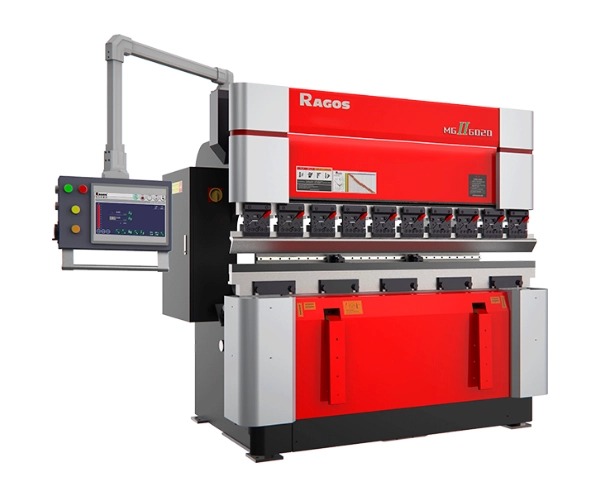
The up-acting press brake is a specialized CNC bending machine where the lower beam moves upward toward a fixed upper beam. At JSRagos, we have refined this "bottom-up" architecture to provide high-precision bending in a compact footprint. Our up-acting series, like the MG6020, is engineered for small-to-medium shops requiring maximum accuracy without the ceiling height or foundation depth needed by traditional down-acting models.
The Mechanics of the "Bottom-Up" Advantage
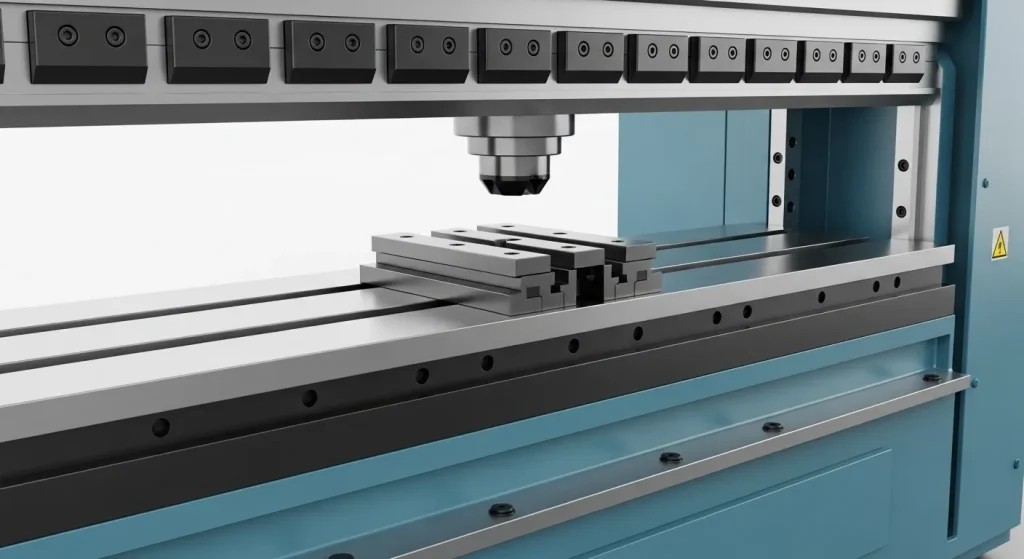
Up-acting press brakes utilize a drive system located at the bottom of the machine frame, pushing the lower worktable upward. This design directs bending forces into the ground through the machine's base rather than through the upper frame. At JSRagos, we found that this center-loading mechanism naturally counters frame deflection, ensuring superior angular consistency for parts under 1500mm without complex crowning.
The physics of the up-acting stroke offers a unique fail-safe: gravity. In the event of a power loss, the lower beam naturally descends, moving the tool away from the workpiece. Our experience with high-speed production environments shows this reduces both operator risk and tool damage compared to top-heavy down-acting alternatives.
| Feature | Up-Acting (JSRagos MG Series) | Traditional Down-Acting |
| Primary Motion | Lower Beam Moves Upward | Upper Beam Moves Downward |
| Force Origin | Center-Driven (Bottom) | Dual-Cylinder (Top) |
| Safety Fail-Safe | Gravity-Assisted Return | Hydraulic-Locked Return |
| Ceiling Requirement | Low (Compact Design) | High (Cylinder Clearance) |
| Installation | Foundation-Free | Often Requires Pit/Bolting |
Why Center-Loading Matters for Precision
Center-loading refers to the placement of hydraulic cylinders directly beneath the center of the worktable in an up-acting press brake. This configuration ensures that pressure is distributed evenly from the middle outward, which JSRagos engineers have proven minimizes the "bowing" effect. For precision components, this means achieving tighter tolerances and more repeatable results across diverse material types.
In our testing of the MG6020 Up-Acting Hybrid, we noted that the center-driven force significantly reduces the need for active crowning systems on shorter bed lengths. This simplicity in mechanics leads to lower maintenance costs and higher "up-time" for the machine, as there are fewer moving parts in the compensation system to calibrate.
For advanced users looking to expand their capabilities, understanding how axis configuration impacts this precision is vital. You can explore the Multi-Axis CNC Press Brake: Axis Breakdown to see how we integrate 4-axis and 6-axis controls into these compact setups.
Optimizing Your Shop Floor: The Compact Setup Guide
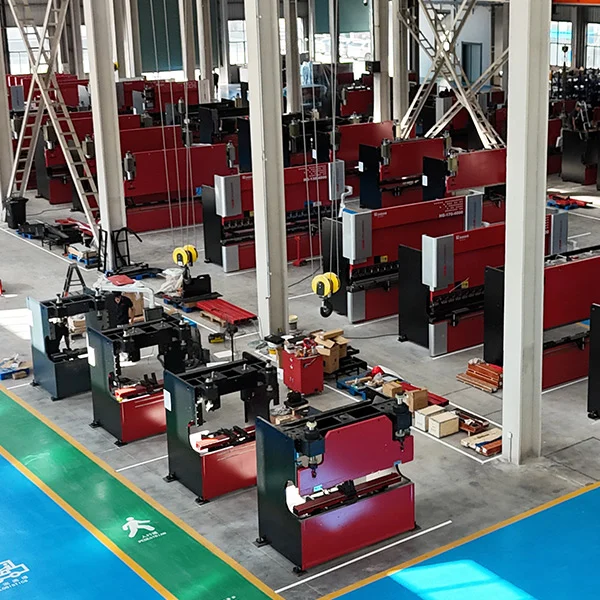
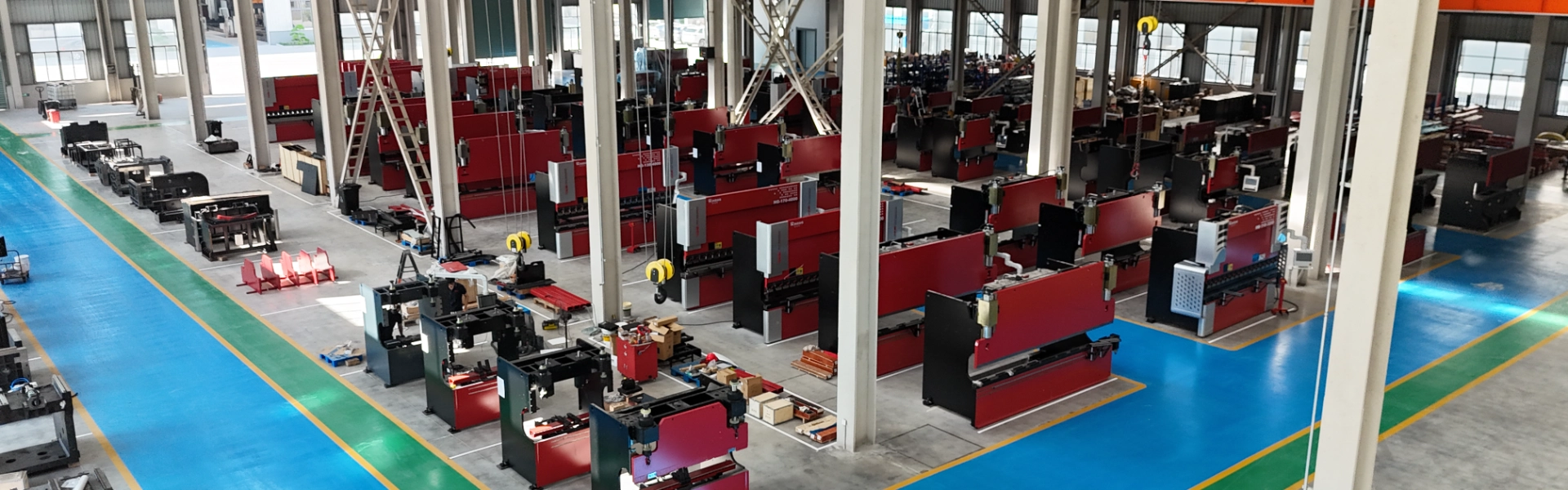
A compact press brake design allows fabricators to maximize floor space by utilizing a smaller overall machine footprint and lower vertical clearance. JSRagos specializes in manufacturing "space-saving" equipment that fits into standard workshops, often eliminating the need for expensive floor reinforcements. This makes the up-acting setup ideal for cellular manufacturing where space is at a premium.
Based on our work with the MG and HG series, we recommend the following installation checklist to optimize your workflow:
- Clearance Check: Ensure at least 600mm of clearance around the rear for backgauge maintenance.
- Ergonomic Placement: Position the machine near the laser/punch station to reduce material handling time.
- Leveling: Use precision leveling pads; up-acting machines are sensitive to base alignment for Y1/Y2 synchronization.
- Power Access: Locate near a stable 3-phase supply to accommodate high-efficiency servo-motors.
Lived Experience: 3 Critical Tips for New Operators
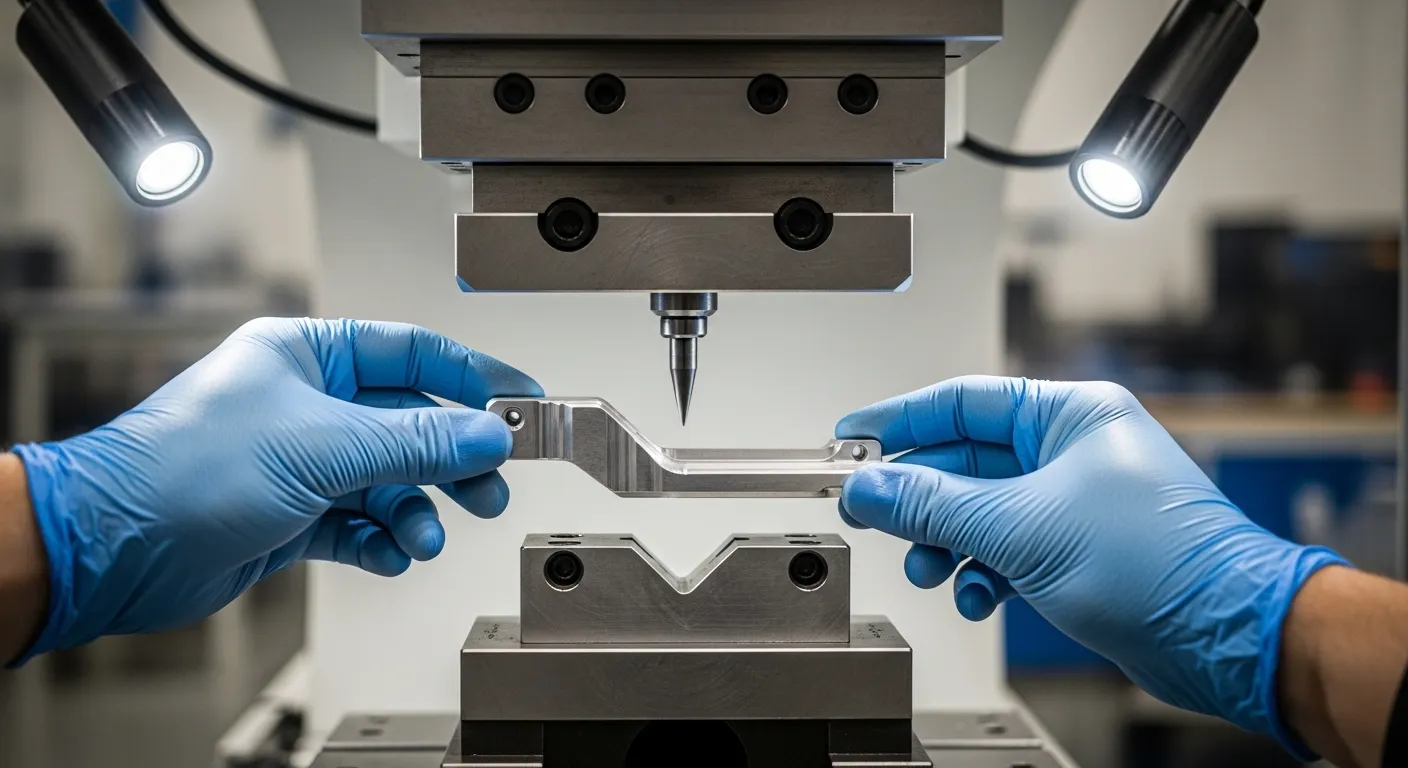
Working with an up-acting press brake requires a slight shift in operator technique compared to down-acting machines. Because the lower die moves toward the fixed upper punch, the workpiece "lifts" during the bend cycle. At JSRagos, we’ve spent 20 years training operators to master this movement to ensure both safety and part quality.
- Master the Part Lift: Support the material from underneath during the stroke to prevent "kinking" as the bed rises.
- Utilize Gravity: Use the open-throat design to quickly clear parts; the lower beam reset is often faster than top-down equivalents.
- Daily Calibration: Even with a 4 Axis CNC Press Brake, we recommend a morning "dry run" to verify Y-axis parallelism, ensuring the bottom-up force remains perfectly vertical.
For those dealing with specialized geometries, our Variable Angle CNC Press Brake guide offers further insights into how up-acting mechanics handle non-standard bending sequences.
Frequently Asked Questions
Yes, most JSRagos up-acting machines are compatible with "Amada-style" or European standard tooling. The fixed upper beam uses standard clamps, while the lower beam supports multi-V dies or quick-change systems, allowing you to use your existing tool library without modification.
Up-acting designs, especially our Hybrid MG series, are generally 30-40% more energy-efficient. Because the machine doesn't have to fight gravity to hold a heavy upper beam in the "up" position, the hydraulic pumps only work during the actual bending stroke.
Generally, no. Because the center-loading design directs force into the base plate rather than the side frames, most JSRagos compact models (up to 60 tons) can be installed on a standard 150mm reinforced concrete floor without a dedicated pit.