

Tandem Press Brake for Long Sheet Metal: Setup, Sync, and Accuracy Tips
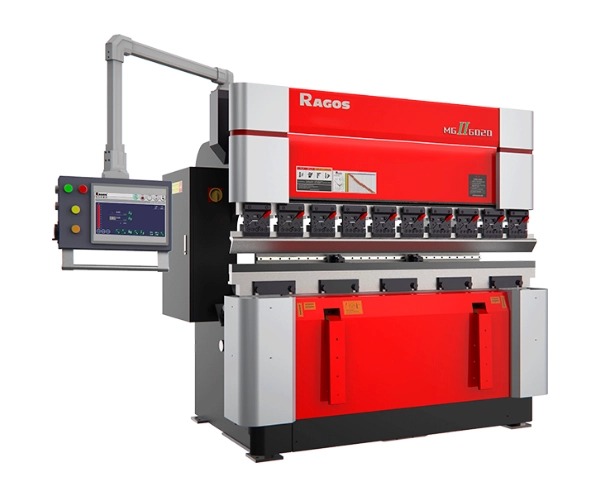
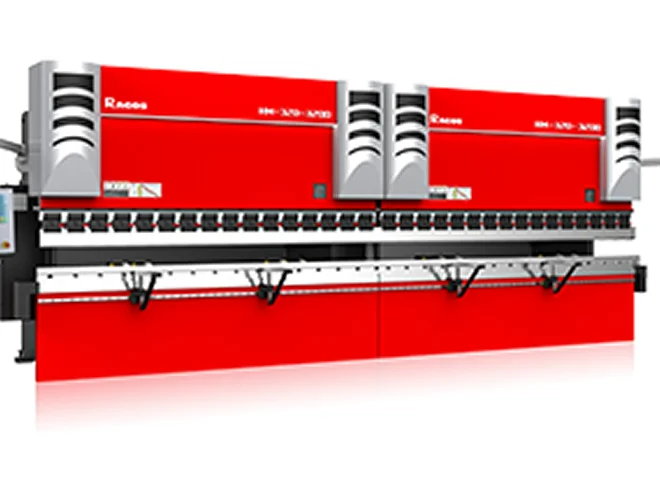
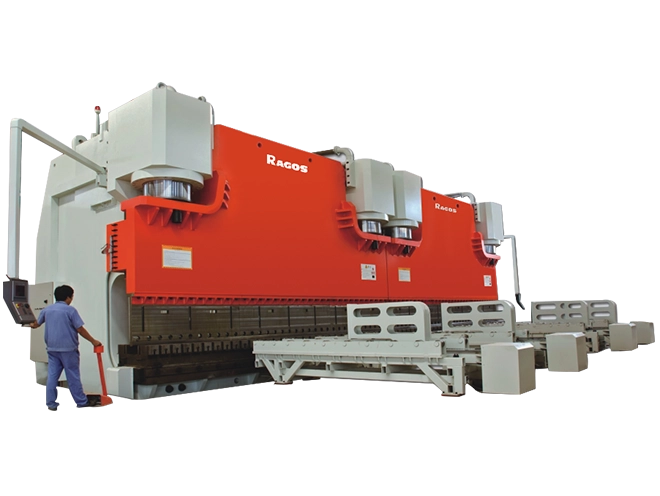
Tandem press brakes are the definitive solution for bending extra-long sheet metal by synchronizing two or more machines to act as a single unit. JS Ragos tandem systems utilize advanced CNC controllers like the Delem DA69S to manage master-slave synchronization, allowing for uniform air bending across lengths exceeding 12 meters while maintaining a high precision of ±0.1°.
The Triple-Threat Benefit of Tandem Configurations
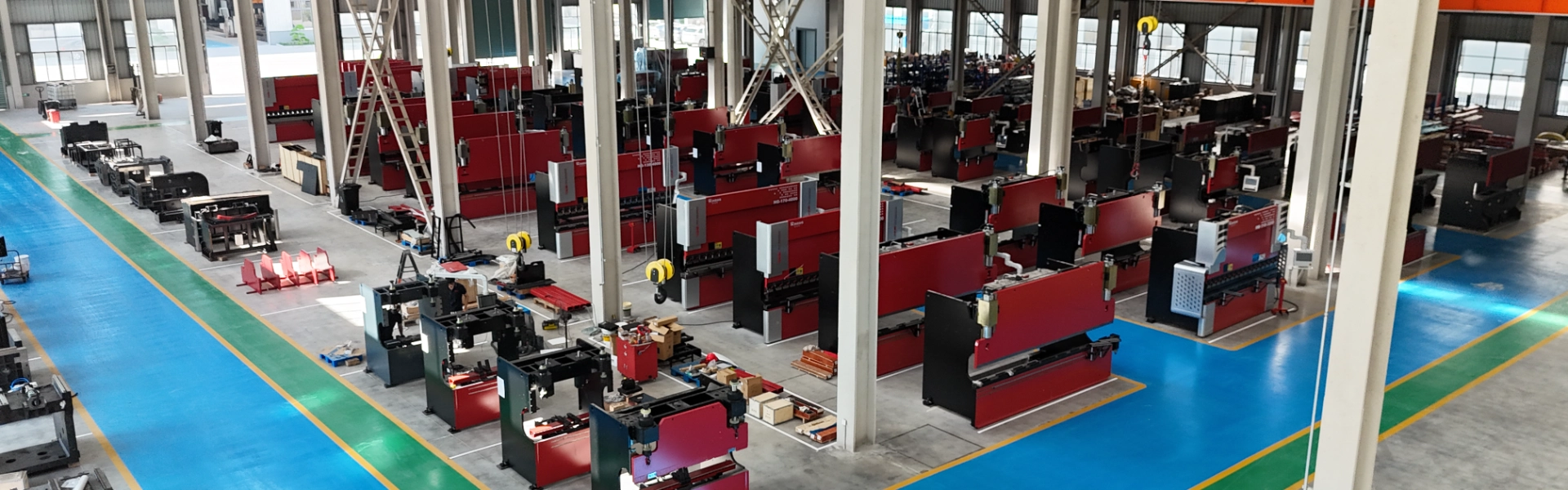
A tandem press brake configuration offers 30% higher productivity than traditional single-machine setups for long-part fabrication. By linking two machines, JS Ragos provides the flexibility to process massive components or decouple the units to run two separate jobs simultaneously, effectively doubling machine ROI for versatile workshops.
In our engineering tests at JS Ragos, we have observed that the primary advantage of a tandem setup is not just the length, but the adaptive versatility. When you aren't bending 8-meter or 12-meter poles, the "Split Mode" allows your operators to work independently on two different projects. This eliminates the bottleneck often found with oversized single-bed machines that sit idle when smaller parts are in queue.
| Feature | Single Large Machine | JS Ragos Tandem Setup |
| Versatility | Fixed for long parts | Synchronized or Independent |
| Footprint | Extremely large/Fixed | Modular and adaptable |
| Energy Saving | Standard consumption | 20-30% saving with JS Servo |
| Maintenance | Complex single system | Independent oil tanks/Simpler |
| Accuracy | Higher deflection risk | Active crowning compensation |
Engineering Synchronicity: How the Master-Slave System Works
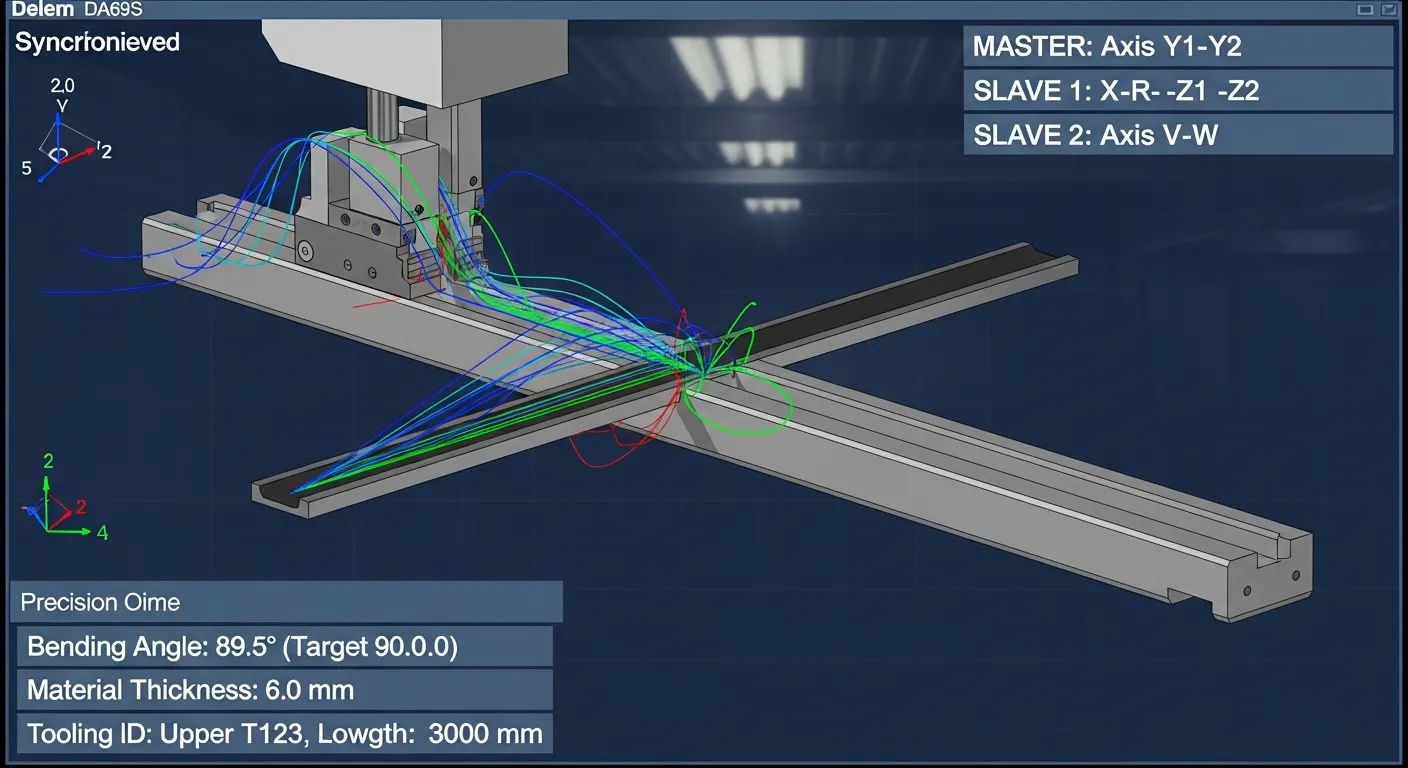
The master-slave synchronization in a tandem press brake ensures that the ram movement of both machines is perfectly aligned to within microns. Using high-speed EtherCAT communication, the JS Ragos system monitors the Y1 and Y2 axes of both units in real-time, preventing "step-errors" that cause twisting in long sheet metal profiles.
To achieve this level of synchronicity, we integrate Dual Grating Rulers that provide constant feedback to the CNC controller. In our experience, even a 0.05mm deviation between the two machines can ruin a high-value workpiece. Our setup utilizes a master controller (typically a Delem DA66S or DA69S) that dictates the flow of hydraulic oil to both machines simultaneously, ensuring the stroke is perfectly level throughout the entire bending cycle.
- CNC Controllers: Delem, ESA, or Cybelec systems for intelligent multi-axis control.
- JS Ragos Servo Motors: High-efficiency drives that offer 20-30% energy savings.
- Grating Rulers: Precision feedback sensors with ±0.03 mm positioning accuracy.
- Independent Oil Tanks: Phosphating-treated tanks that prevent corrosion and simplify maintenance.
For more technical details on axis management, see our guide on Multi-Axis CNC Press Brake: Axis Breakdown for Better Precision.
Solving the Long-Sheet Precision Crisis
Maintaining a consistent bend angle across 10+ meters requires active deflection compensation, commonly known as a crowning table. JS Ragos machines use mechanical wedges or hydraulic crowning to create a slight upward curve in the center of the bed, neutralizing the "canoe effect" caused by the natural deflection of the machine frame under tonnage.
We utilize FEA (Finite Element Analysis) during the design of our machine frames to predict stress distribution and deformation. In practical application, we recommend the iMeasure Laser Check System. This technology automatically corrects the bend angle in real-time by projecting a laser onto the sheet surface, compensating for material springback and ensuring an accuracy exceeding ±0.1°.
In cases where standard bending isn't enough, you might consider how a Variable Angle CNC Press Brake compares when standard setups hit their limit.
Handling Heavy Loads: Sheet Followers and Ergonomics
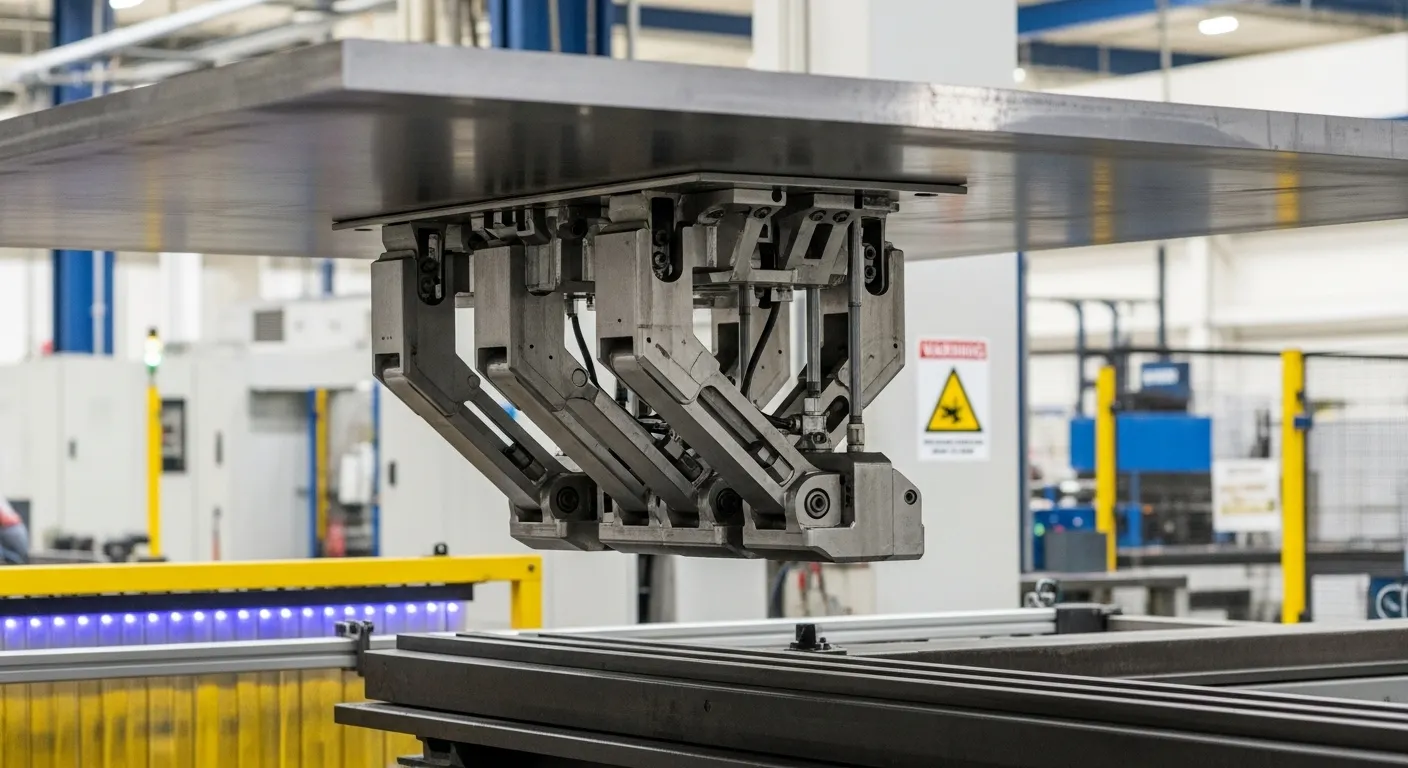
Sheet followers are essential for long-part bending, as they automatically support the weight of the metal as it rises during the bending stroke. Each JS Ragos support arm has a high load capacity of 250 kg, reducing the need for multiple operators and preventing "part flop" which often leads to inaccurate angles.
In our fieldwork with large-scale industrial plants, we’ve seen how manual handling of 12-meter sheets leads to operator fatigue and safety risks. By integrating automated bending followers that move in sync with the ram, a single operator can manage parts that previously required three or four people. This not only improves safety but also protects the material surface from scratches caused by improper manual support.
- Automatic Following: Support arms move in total sync with the CNC bending process.
- Labor Efficiency: Reduces workforce requirements for heavy-duty applications.
- Safety Integration: Works alongside DSP Laser Light Curtains to protect the "protection zone" under the tool vertex.
For shops with limited floor space looking for alternative setups, our Up-Acting Press Brake Compact Design Guide offers insights into space-saving configurations.
Frequently Asked Questions
Yes, JS Ragos tandem press brakes feature a "Split Mode" that allows each machine to operate independently with its own CNC controller. This provides maximum flexibility for shops that need to switch between extra-long parts and smaller, high-volume production runs.
While standard tandem setups often range from 8 to 12 meters, our modular design allows for custom configurations, including tridem systems. We have provided solutions starting from 0.6 feet up to 16 feet in bending length and beyond, depending on the specific tonnage requirements.
By utilizing JS Ragos high-efficiency servo motors, our machines can reduce electric bills by 20-30% compared to conventional Siemens motors. For heavy-duty applications, our DSVP (Double Servo Valve Pump) system can save up to 60-70% on energy consumption while maintaining high-speed responsiveness.
The iMeasure Laser Check System provides precise angle detection regardless of material thickness or type. It projects a laser beam onto the sheet, calculates the actual angle via a camera axis, and automatically corrects the CNC parameters to ensure the final result is within ±0.1° precision.