

Electric vs Hydraulic Press Brake: Which Is Better for Your Shop? (2026 Guide)
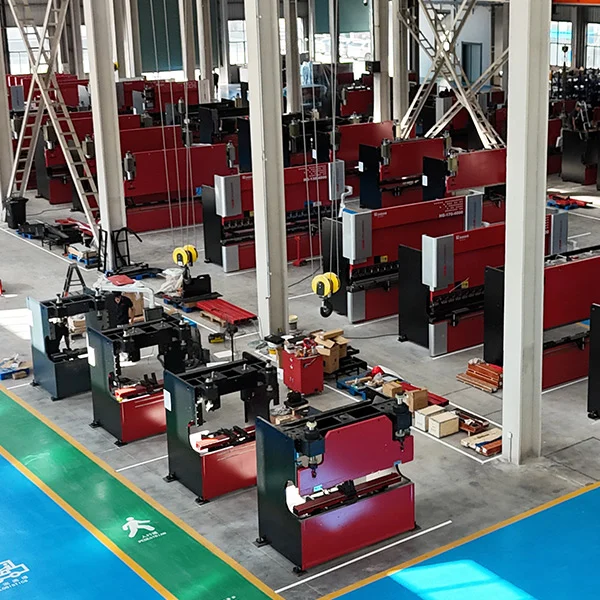
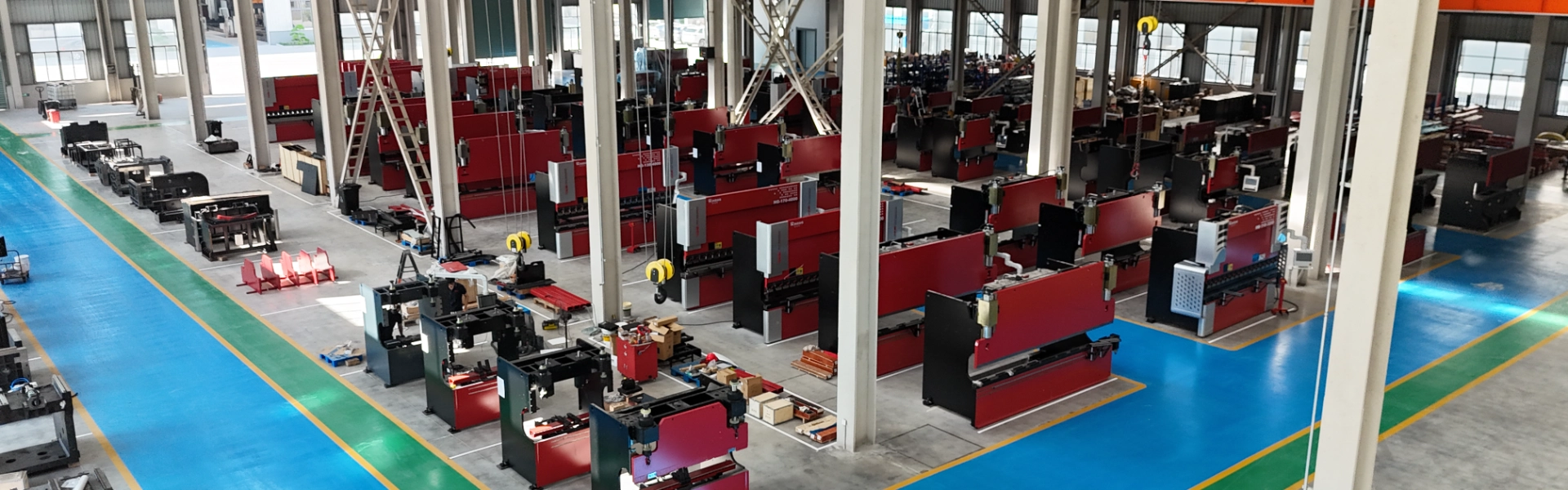
Choosing the right press brake is a foundational decision for any metal fabrication business. At JS Ragos, we understand that this choice directly impacts your operational costs, precision, and production capacity. Whether you are looking at our high-speed Electric Press Brake or our heavy-duty Hydraulic and Hybrid CNC models, understanding the core mechanical differences is the first step toward optimization.
The Core Difference: Servo-Motor vs. Fluid Power
Is an electric press brake better than a hydraulic one?
Better depends on your material thickness. Electric press brakes are superior for precision work under 150 tons, offering 30% faster cycle times and ±0.001mm repeatability. However, hydraulic press brakes remain the gold standard for heavy-duty fabrication (over 300 tons) due to their unmatched raw power and lower initial cost.
In our manufacturing facility, we’ve observed that the shift toward electric is driven by the "On-Demand" power principle. Traditional hydraulic pumps run continuously to maintain pressure, even when the machine is idling. In contrast, JS Ragos Electric Press Brakes utilize servo-drives that only consume energy during the actual bend.
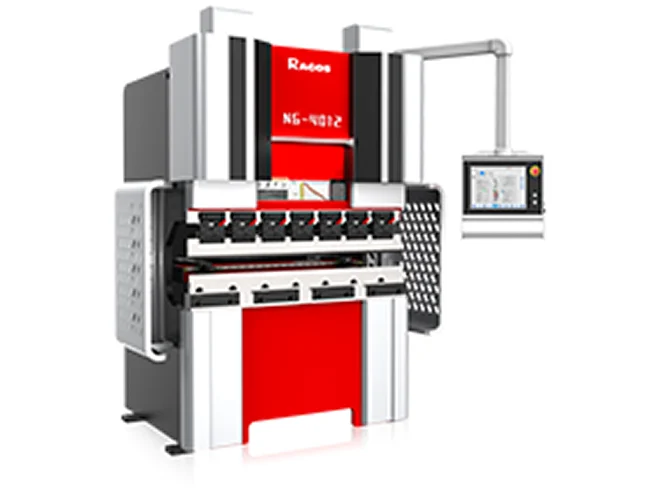
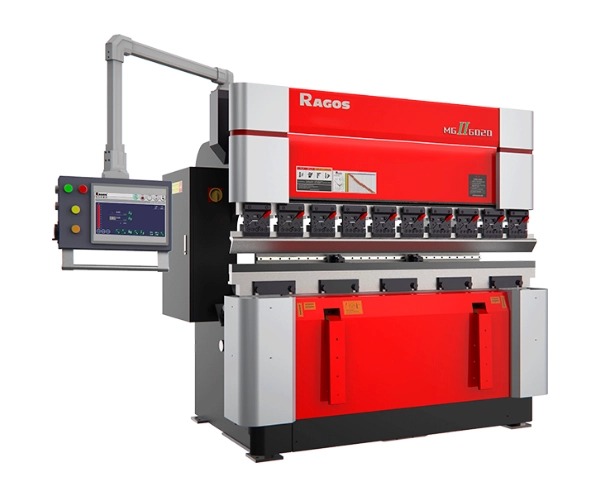
Our specialized Electric Press Brake 40 Ton models demonstrate this efficiency daily, delivering high-speed cycles for small, intricate parts that hydraulic machines simply cannot match in terms of cost-per-part.
Speed & Throughput: The "Mute Point" Secret
How much energy does an electric press brake save?
An electric press brake consumes up to 80% less energy than a traditional hydraulic model. Unlike hydraulic pumps that run continuously to maintain pressure, electric servo-motors only draw power during the actual bending motion. For a 100-ton machine, this can result in annual savings exceeding $2,500 based on 2026 energy rates.
Beyond energy, the real-world advantage we see in client shops is the elimination of "dwell time." Hydraulic systems require a moment for fluid pressure to build and valves to cycle. JS Ragos electric models eliminate this latency.
- Faster Approach: Servo-motors allow for rapid ram movement.
- Instant Bending: No waiting for hydraulic pressure stabilization.
- High-Speed Backgauges: Our systems feature X, R, and Z axis movements with speeds up to 1000 mm/s for the Z-axis.
Precision and the "First Part, Right Part" Goal
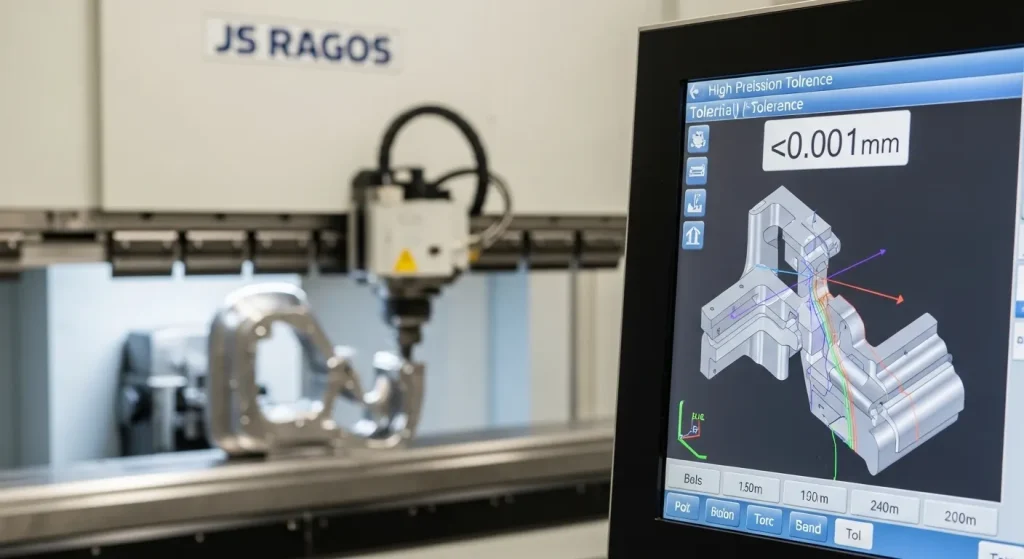
Accuracy in 2026 isn't just about the first bend; it’s about the 1,000th. Hydraulic oil is susceptible to "thermal drift"—as the oil heats up during a shift, its viscosity changes, leading to slight variations in bend angles.
JS Ragos addresses this by using Finite Element Analysis (FEA) to optimize our frames. However, for absolute precision, our electric and hybrid models provide the most stable platform.
| Metric | Hydraulic Press Brake | Electric Press Brake | JS Ragos Hybrid CNC |
| Repeatability | ±0.01mm | ±0.001mm | ±0.005mm |
| Energy Consumption | 100% (Baseline) | 20% - 30% | 50% - 70% |
| Warm-up Time | 15–30 Minutes | Instant | <5 Minutes |
| Noise Level | 75+ dB | ~20 dB | ~25 dB |
The Maintenance Reality: Oil vs. Electricity
What are the maintenance differences between electric and hydraulic?
Electric press brakes require roughly 70% less maintenance because they eliminate hydraulic oil, filters, and seal leaks. Hydraulic systems require quarterly fluid checks and are susceptible to "thermal drift," whereas electric systems use stable ball-screw or belt drives that maintain accuracy regardless of shop temperature fluctuations.
We often tell our clients: "If you don't have oil, you don't have leaks." In a busy shop environment, the lack of hydraulic filters, valves, and seals means less downtime. Our JS Ragos machines use high-quality components from partners like Hiwin and TPI for linear guides and ball screws, ensuring that the mechanical drive remains precise for years with minimal intervention.
For those managing larger budgets, understanding the CNC Press Brake Cost involves looking past the sticker price and calculating these long-term maintenance savings.
The 2026 Hybrid Solution: Why Settle?
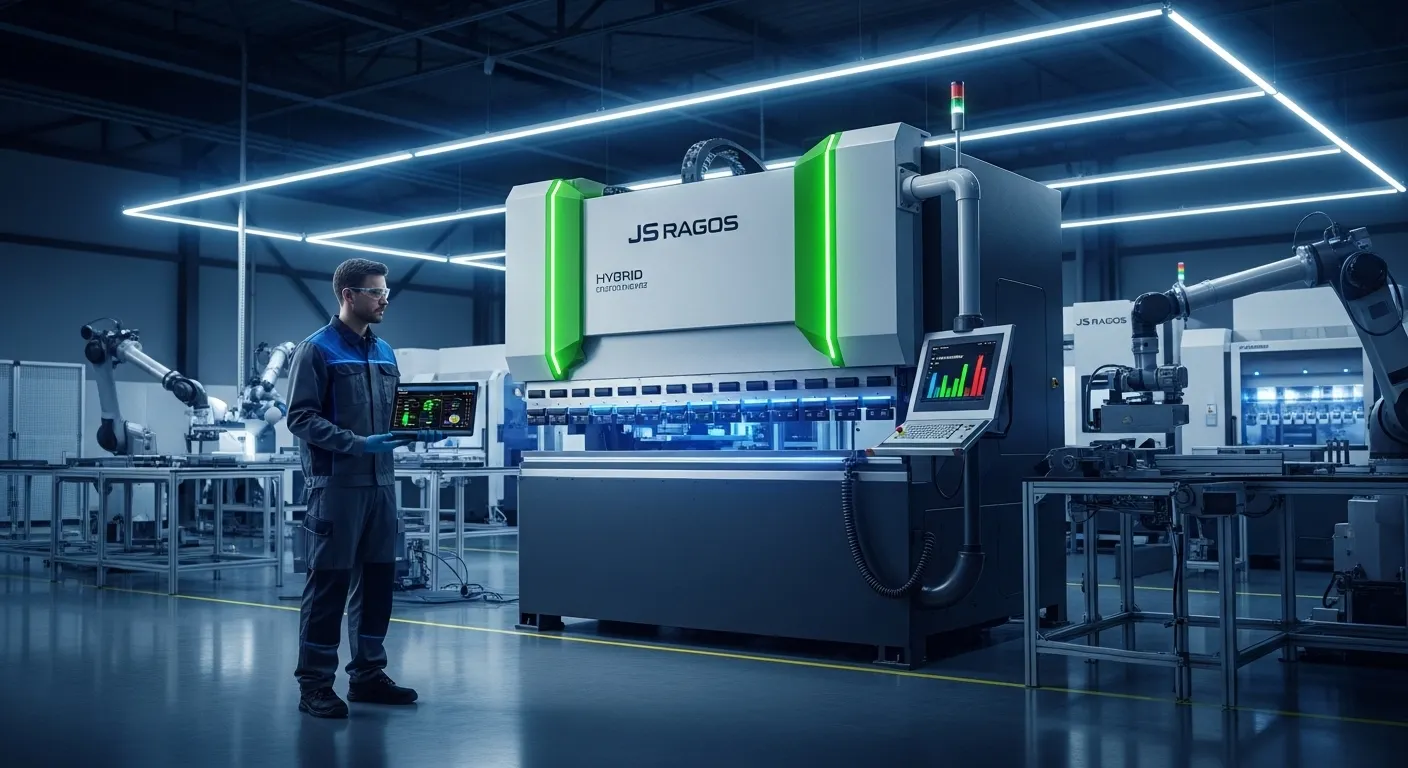
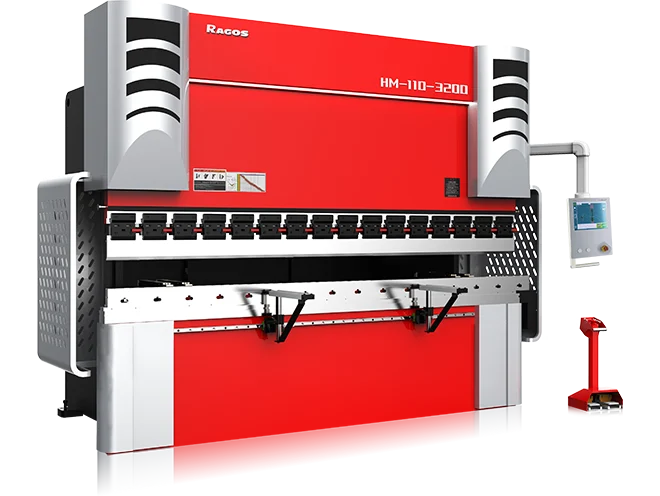
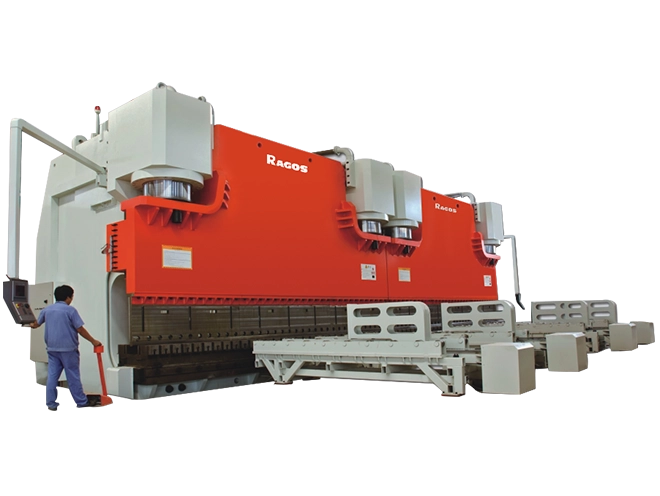
If your shop requires the heavy tonnage of a hydraulic system (up to 600T) but wants the efficiency of a servo-motor, the JS Ragos Hybrid CNC Press Brake is the industry answer. These machines use a servo-pump system that only activates the hydraulics when needed.
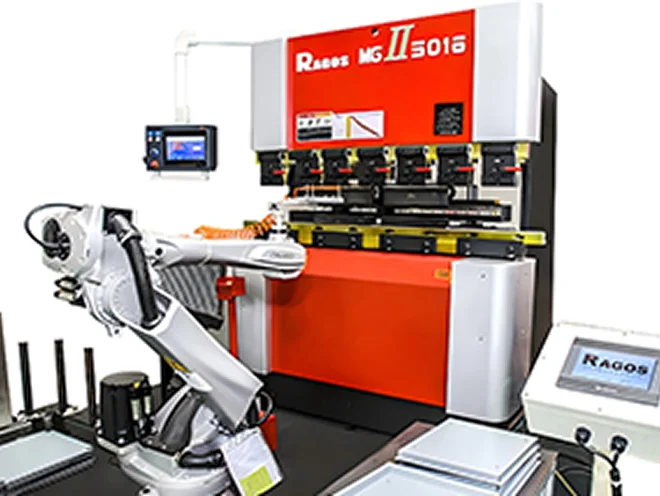
We have found that our Hybrid HG/HM models increase productivity by 30% while reducing electricity bills by up to 30% compared to conventional Siemens-motor-driven hydraulic machines. This makes them ideal for Press Brake Automation where consistency and duty cycle are paramount.
Frequently Asked Questions
For heavy plates and thick stainless steel (over 10mm), a Hydraulic or Hybrid Press Brake is recommended. These machines provide the sustained high tonnage required for heavy-duty deformation that smaller electric models cannot achieve.
Retrofitting is rarely cost-effective. The frame of an electric press brake is specifically designed for different load distributions and high-speed servo-mechanisms. We recommend investing in a purpose-built Tooling & Automation package on a new machine for the best ROI.
Yes, in traditional hydraulic machines, oil viscosity changes with temperature, causing angle drift. Electric press brakes are "thermal-stable," meaning they provide the same precision on the first bend of the morning as they do at the end of a long shift.
With high-quality ball screws and proper lubrication of linear guides, a JS Ragos Electric Press Brake is designed for a service life exceeding 15 years in a high-production environment, largely due to fewer moving parts and the absence of high-pressure hydraulic wear.