



How to Reduce Springback in Sheet Metal Bending (Practical Steps)
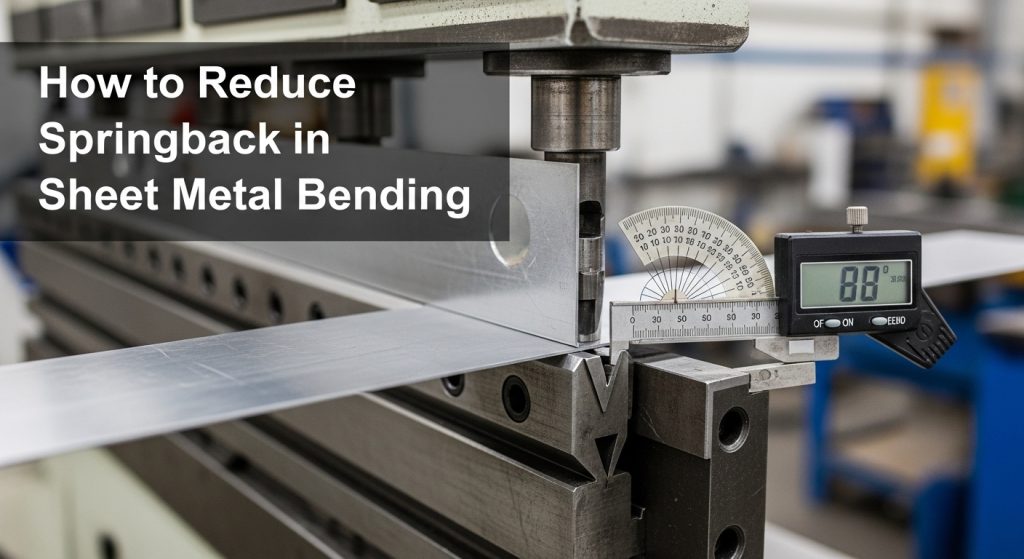
Every metal fabricator knows the frustration of bending a part to 90 degrees only to watch it pop back to 92 or 93 degrees the moment the ram retracts. This elastic recovery bend angle deviation, commonly known as springback, is an inherent physical reaction in all metals. It occurs because the metal on the outer radius is stretched while the inner radius is compressed, and the "neutral axis" attempts to return to its original shape. You will find that thin sheets often show a stronger springback effect than thick plates, and materials like stainless or high-strength steels create the most significant challenges.
Fortunately, you can manage this by using specific bending methods, adjusting your tooling, and leveraging modern CNC correction technology to remove the guesswork. This guide provides practical shop-floor steps to help you achieve precision bend angle accuracy every time.
What Is Springback in Sheet Metal Bending?
Springback is the "fight" left in the metal after you apply force. It is an elastic deformation recovery response that happens when the internal stresses of the material are released as the tooling moves away.
- Elastic Recovery: All metal has an elastic zone; if you don't push it far enough into the "plastic" zone, it simply bounces back.
- Bend Angle Loss: If you need a 90-degree corner but the metal has a 3-degree springback, you must bend to 87 degrees to finish at your target.
- Assembly Risk: Even a small material stress release recovery shift can prevent parts from fitting into a weld jig or matching up with other components.
In a professional shop, ignoring this memory effect leads to a high scrap rate. You must anticipate the recovery to ensure your assembly tolerances remain tight and your parts look professional.
Why Does Springback Increase in Stainless Steel and High Strength Materials?
The type of metal you choose significantly impacts how much it will "spring." Materials with high yield strength require more force to deform permanently, which naturally leads to a high tensile elastic recovery amplification.
| Material Type | Springback Severity | Cause |
| Mild Steel | Low / Moderate | Predictable yield strength and stable recovery |
| Aluminum | Moderate | Low modulus of elasticity creates a "springy" feel |
| Stainless Steel | High | Strain hardening springback memory effect is very strong |
| High Strength Steel | Very High | High yield metal bend angle recovery force is difficult to break |
Stainless steel is particularly tricky because it work-hardens. As you bend it, it gets stronger and fights back harder. Thin sheets of these materials are even worse because there is less "mass" to hold the permanent shape, allowing the elastic zone to dominate the final angle.
How Much Overbend Is Normally Needed to Compensate Springback?
To hit your target, you must plan for an angle correction elastic recovery offset. This is called "overbending."
| Material | Thickness | Typical Overbend Needed |
| Mild Steel | 1mm - 2mm | 1.0° to 2.0° |
| Stainless 304 | 1mm - 2mm | 3.0° to 5.0° |
| Aluminum | 1mm - 2mm | 1.5° to 3.0° |
You should treat these as an overbend compensation margin planning starting point. If you find your material batch springback deviation range is moving, you must adjust your depth. For example, if your 90-degree bend is coming out at 92 degrees, you need to set your CNC to hit 88 degrees to reach your goal.
How Does Die Opening Size Affect Springback and Bend Accuracy?
Your choice of V-die opening changes the physics of the bend. A smaller V-die opening creates a V opening load amplification effect, which concentrates the pressure in a smaller area.
- Pressure Concentration: Smaller V-dies force the metal into the die more aggressively, which can help "set" the bend and reduce springback.
- Tonnage Tradeoff: However, smaller V-dies require much higher forming force penetration depth stability, which increases wear on your tools.
- Radius Impact: A smaller V also results in a smaller inside radius, which naturally helps lock the metal into its new shape.
You must balance the die shoulder pressure distribution change against the tonnage limits of your machine. If you use a V-die that is too wide (e.g., 12x thickness), your springback will increase because the "neutral axis" has more room to relax.
When Should You Use Bottoming Instead of Air Bending to Reduce Springback?
Most modern shops use air bending, but "bottoming" is a superior way to kill springback if your machine can handle the load.
| Method | Physics | Springback Level |
| Air Bending | 3-point contact | High (requires high compensation) |
| Bottoming | Full die contact | Low (metal is "coined" into shape) |
Bottoming creates a plastic deformation dominance by forcing the punch nose into the material at the bottom of the die. This creates a bottoming stress redistribution locking effect that physically breaks the metal's memory. While air bending is faster and more flexible, bottoming is the "gold standard" for precision when you have zero tolerance for angle drift.
How Does Punch Radius Selection Influence Springback Behavior?
The sharpness of your punch nose determines how much the metal's internal structure is moved. A small inside bend radius elastic recovery control strategy involves using a sharper punch.
- Neutral Axis Shift: A sharper punch forces a higher compression ratio on the inner surface, which shifts the neutral axis and reduces recovery.
- The "Knife" Effect: If the radius is too large (more than the material thickness), the springback will be much higher because the metal is "folded" rather than truly "formed."
- Crack Risk: You must be careful with hard materials. A micro fracture radius threshold risk exists if you use a punch that is too sharp for high-strength steel or stainless.
A good rule is to keep the punch radius as close to the material thickness as possible to maintain a balance between accuracy and structural safety.
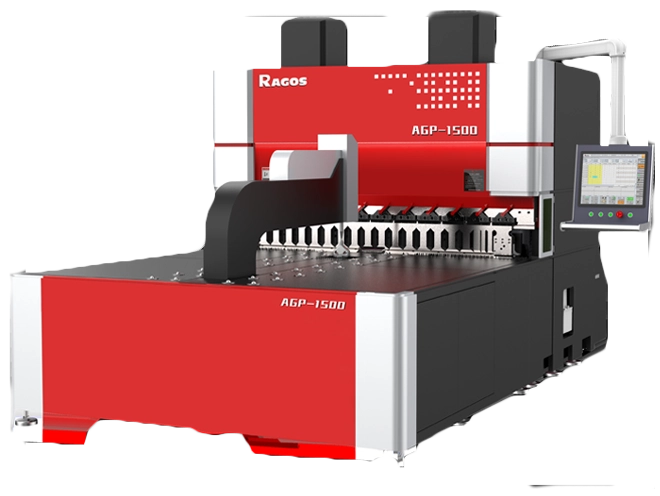
How Do Modern CNC Press Brakes Automatically Compensate Springback?
Modern technology has removed the "trial and error" from the shop floor. You no longer have to be a math genius to get a perfect bend.
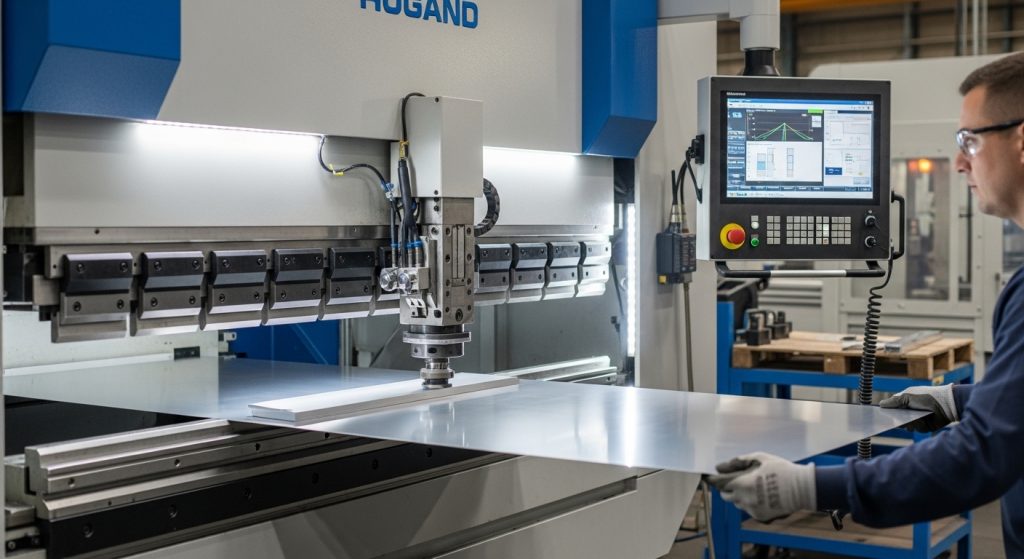
- Angle Sensors: Real-time closed loop bend angle feedback correction uses lasers or mechanical probes to measure the part while it is being bent.
- Micro Adjustments: The servo ram micro adjustment control can "re-hit" the part if the sensor detects it hasn't reached the target angle.
- Learning Databases: A digital springback learning database remembers how a specific material batch reacted and applies that offset to the next 100 parts automatically.
These systems ensure repeat batch springback compensation control, meaning your first part is just as accurate as your last part.
What Are the Most Common Shop Mistakes That Increase Springback?
Avoiding these errors will save you time and keep your bend angles tight:
- Large Punch Radius: Using a 3mm punch on 1mm material creates a "lazy" bend with huge springback.
- Inconsistent Grain: Bending some parts with the grain and some across the grain creates a material batch yield deviation impact.
- No Test Bends: Skipping the "first piece" check often leads to an entire batch of scrap if the material properties have shifted.
- Worn Tooling: If your die shoulders are flattened, the pressure distribution changes, leading to process setup repeat error propagation.
How CNC Press Brakes Improve Springback Control in Production
Investing in a high-quality servo controlled bend angle correction stability platform is the best way to handle large orders. You need an automated bend angle correction workflow to keep up with modern manufacturing speeds. These machines provide the repeat batch springback compensation control required for complex assemblies and tight-fitting components.
Why Aluminum Sheet Shows Different Springback Behavior Than Steel
You will find that aluminum elastic recovery amplification range is wider than steel because aluminum has a lower modulus of elasticity. It acts more like a "spring" even though it is a soft metal. You must account for this aluminum bend angle memory behavior by increasing your overbend more than you might expect for a "soft" material.
How Sheet Steel Springback Differs From Stainless and High Strength Steel
Standard mild steel elastic recovery stability window is the most predictable. You will find a much better cold rolled steel bend predictability range compared to other alloys. Sheet steel angle retention behavior is usually stable, making it the perfect material for high-volume jobs where speed is as important as precision.
Springback Lessons From HVAC Thin Sheet Panel Production
In the HVAC world, managing thin panel elastic recovery dominance is vital for long duct sections. You must watch for long flange angle drift tendency, which can cause large panels to bow. Ensuring panel seam alignment bending tolerance is met requires a combination of precise crowing and careful overbend planning on the press brake.
Why Stainless Steel Springback Requires Extra Compensation Strategy
Dealing with stainless high elastic recovery behavior requires a unique strategy. You must use a stainless bend angle correction margin increase to handle the "push-back" of the material. Surface hardened stainless springback amplification can be double that of mild steel, so always do a test bend when starting a new batch of 304 or 316.
How to Prevent Cracking While Reducing Springback in Stainless
To keep your parts safe, you must find the stainless bend radius crack prevention threshold. While you want to reduce springback, pushing too hard can cause surface strain fracture initiation risk. Using a specialized stainless forming ductility control bending method allows you to get a tight, accurate bend without ruining the integrity of the metal.
Final Thought
Reducing springback is a balance of physics and technology. By choosing the right V-die, using a sharper punch radius, and leveraging CNC sensors, you can overcome the natural "memory" of the metal. Always remember that the material batch and grain direction are just as important as the machine settings.