

CNC Press Brake for Sale in India: Spec Checklist for Import vs Local
Buying a CNC press brake in India is a major step for your fabrication shop. You must choose between a locally made machine and an imported one from China, Turkey, or Europe. While Indian machines are famous for being rugged and easy to fix, imported ones often lead in high-speed technology. You need to look at more than just the sticker price to make a smart choice. Import duties, shipping, and the cost of downtime all change the total value of your investment.
This guide gives you a clear spec checklist to compare machines side-by-side. You will learn about frame rigidity, controller brands, and the real cost of spare parts. By following this framework, you can pick a machine that fits your specific road to growth. Whether you are in a small workshop or a large factory, the right specifications will keep your production running smoothly for a decade.
You should watch for these common procurement risks:
- Choosing a local machine that lacks the high-axis precision needed for complex parts.
- Importing a machine without a local service engineer, leading to weeks of downtime.
- Ignoring the 28-30% total tax burden on imported equipment.
- Buying a "hybrid" machine with a generic controller that is hard for your team to learn.
Who Are the Main CNC Press Brake Manufacturers and Sellers in India?
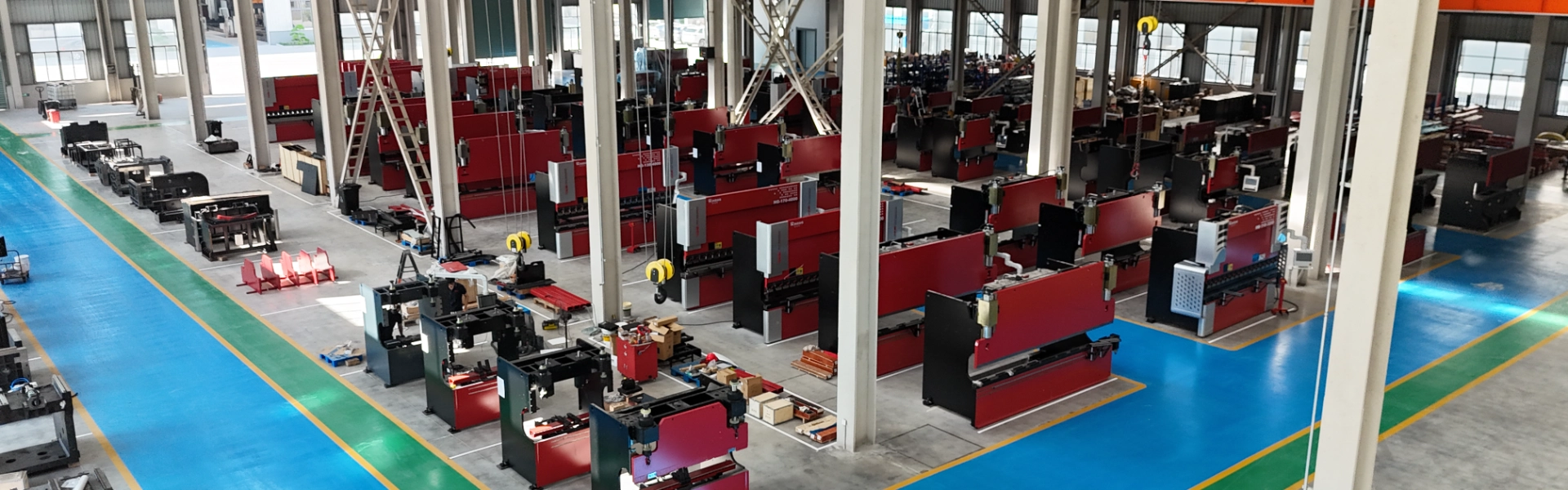
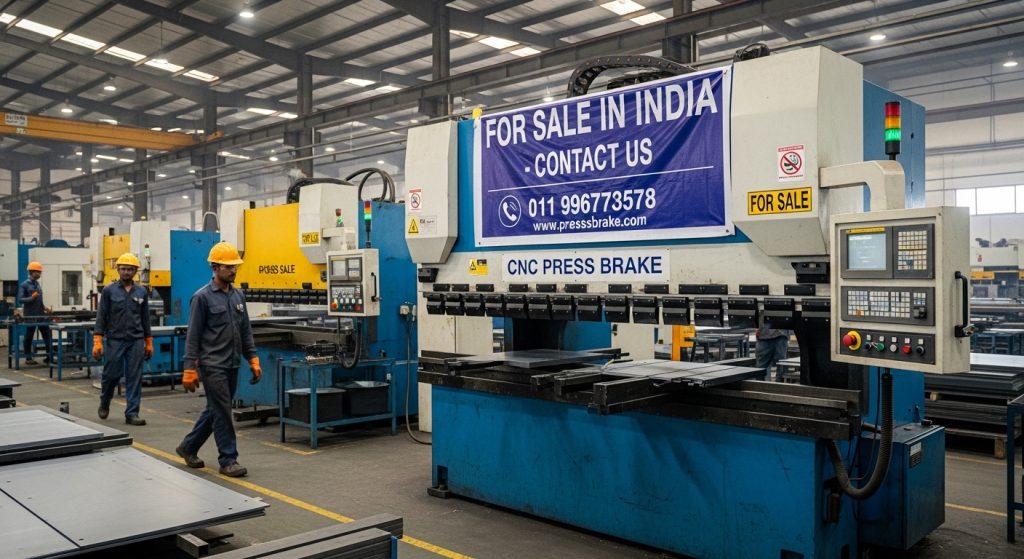
The Indian market has a strong mix of local giants and global players. You will find that local manufacturing is centered in hubs like Rajkot, Ahmedabad, and Delhi. Companies like Hindustan Hydraulics, Energy Mission, and Ravi Industrial Corp have been building machines for decades. They offer a "make in India" advantage that includes heavy frames and easy customization.
On the other side, you have global brands like Amada, TRUMPF, and Haco that sell directly through their India divisions. There is also a huge network of dealers supplying Chinese brands like Accurl or ADH. These imported options are very popular for their high-end controllers (Delem, Cybelec) at lower prices. Knowing if you are buying from a factory or a trading company is your first step in comparing value.
How Does the CNC Press Brake Supply Structure Work in the India Market?
You can buy a CNC press brake through three main channels in India. Many local manufacturers sell directly to you. This is often the best path for custom orders where you need a specific table width or throat depth. You get a direct line to the engineers who built your machine.
The second channel is through authorized brand distributors for international names. These agents handle the import logistics and provide local setup. The third channel is the import dealer market, which brings in high-volume machines from China or Turkey. These dealers often hold stock in warehouses in cities like Pune or Chennai, allowing for faster delivery. You must verify if your dealer has a local service team before you sign the contract.
What Technical Specifications Should Buyers Compare Before Buying in India?
You should start your audit with the machine tonnage and bending length. A 100-ton machine from one brand may not have the same frame rigidity as another. Look for the "throat depth"—this determines how deep a box you can bend. If you make large panels, a deep throat is a must.
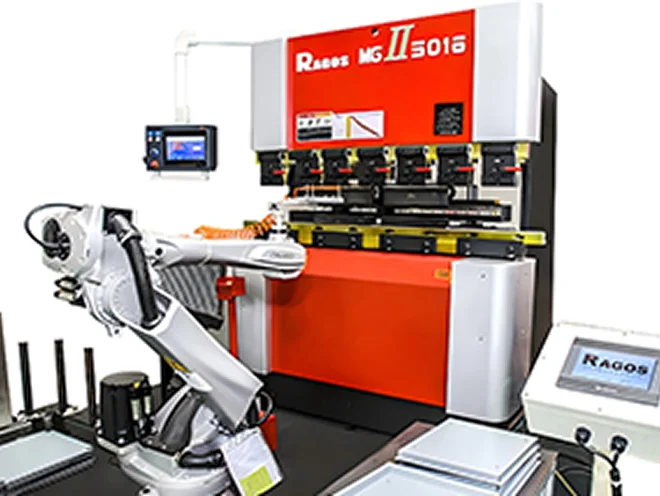
The CNC controller is the "brain" of your machine. You should compare brands like Delem (Netherlands), Cybelec (Switzerland), or ESA (Italy). Many local Indian machines now use these high-end controllers too. Finally, check the backgauge axis configuration. A 4-axis (X, R, Z1, Z2) setup gives you much more freedom than a simple 2-axis gauge. If you plan to scale, check if the machine is compatible with robotic automation for the future.
How Do Indian CNC Press Brakes Compare to Imported European and Chinese Machines?
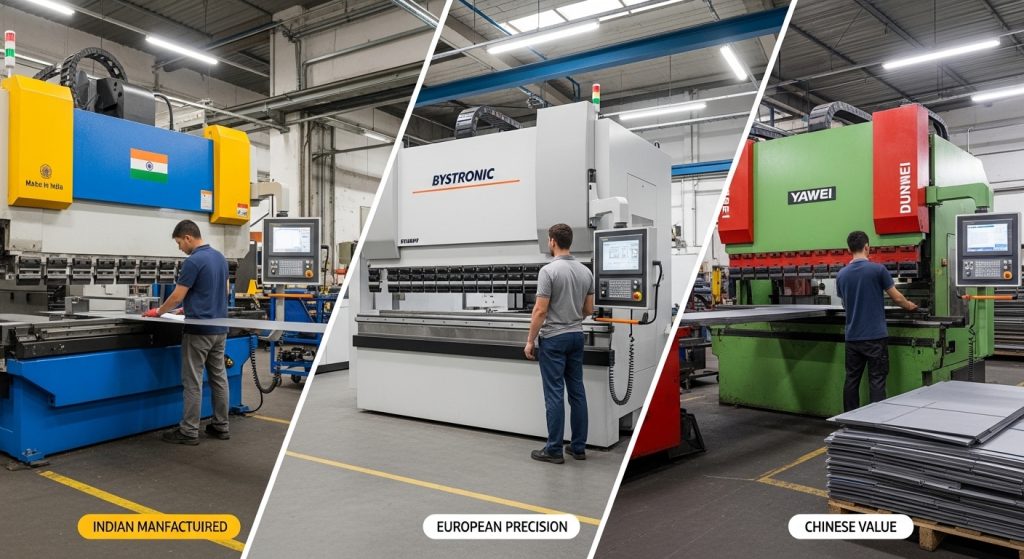
Indian machines are often built with a "robust for local use" mindset. They handle voltage fluctuations and dusty shop floors better than some delicate European models. You get a great price vs. precision balance, especially for medium-duty work. European machines remain the gold standard for high-speed, ultra-precision bending, but they come with a premium price tag.
Chinese machines often offer more "features per rupee" than local options. You might get a 6-axis machine for the price of a local 4-axis unit. However, the service availability is where they can differ. While Indian manufacturers have engineers across the country, some imported brands rely on a few central service points. You must weigh the extra features against the risk of waiting for a part to ship from overseas.
What Import Costs Should Buyers Add When Buying CNC Press Brakes From Overseas?
The price you see on an export quote is not what you will pay in your factory. You must account for the "landed cost" in India. This starts with the shipping and logistics fees to get the heavy crate to a port like Mundra or Nhava Sheva. Customs clearance costs and inland trucking to your city also add up.
You must also budget for the taxes. In 2026, the total burden is roughly 28-30% on top of the CIF value.
- Basic Customs Duty (BCD): 7.5%
- Social Welfare Surcharge: 10% of the BCD.
- IGST: 18% on the sum of value and duty.
- Installation: Some dealers charge extra for an engineer to travel and set up the machine.
How Does After Sales Service Availability Affect Buying Decisions in India?
Downtime is your biggest enemy in fabrication. If your machine breaks, you need an engineer who can reach you in 24-48 hours. This is why local service engineer access is a top spec on your checklist. Local Indian manufacturers usually have the edge here, with technicians who speak the local language and know the Indian power grid.
You should also check the local stock of spare parts. High-wear items like hydraulic seals, backgauge fingers, and controller screens should be available in India. If you have to wait for a part to fly from Europe or China, your production stops. Remote technical support is also a great feature. Modern CNC controllers allow engineers to log in via the internet to fix software glitches instantly.
When Should Buyers Choose Imported Machines Instead of Local Indian Machines?
You should choose an imported European machine if you have high precision production requirements. If you are making parts for the aerospace or medical industries, the micron-level accuracy of a TRUMPF or Amada is worth the cost. These machines also lead in high-volume, automation-heavy production lines where every second saved in the cycle matters.
Imported Chinese machines are a good pick for shops that need a lot of axes on a budget. If you are doing complex, multi-bend parts that need a 6-axis backgauge, an imported machine might be more affordable than a custom local build. This is common for manufacturers who are exporting their finished goods and need to meet global quality standards at a competitive price.
What Are the Most Common Buyer Mistakes When Comparing Import vs Local Press Brakes?
The most common error you can make is comparing prices without matching the specs. A "100-ton" local machine might have a much simpler controller than a "100-ton" imported unit. You are not comparing the same machine. Another mistake is ignoring the hidden costs of importing, like the port fees and GST, which can surprise your budget.
You should also avoid ignoring the controller differences. If your team is used to a specific brand, switching to a generic one to save money will slow down your production. Finally, never forget to verify the service coverage. A cheap import is only a deal if someone is there to fix it when it stops. Always ask for a list of existing customers in India to verify the dealer’s support record.
How Do Global CNC Press Brake Manufacturing Options Compare to India Market Supply?
When you look at global CNC press brake manufacturing options, you see a focus on full-speed automation. Global brands are moving toward "lights-out" manufacturing with robotic arms. India’s market supply is currently more focused on high-quality hydraulic and servo-electric machines that require an operator. The gap is closing, but global options still lead in the software and AI-driven bending space.
How Do European CNC Press Brake Suppliers Compare to India Machine Supply?
European CNC press brake suppliers prioritize ergonomics and ultra-tight tolerances. They are often more energy-efficient and quieter than local Indian machines. While Indian supply is getting better at energy saving, European units are built for high-wage regions where every bit of speed and power savings is vital. They are the premium choice for shops with a very large budget.
How Do China CNC Press Brake Manufacturers Supply Machines Into India?
Most China CNC press brake manufacturers use a dealer network to enter India. They provide a massive variety of machines, from 30-ton small units to 1000-ton monsters. Their supply chain is very fast, often shipping a standard machine in just a few weeks. They offer high-end controllers at a lower price point, which has pushed local Indian makers to improve their own technology to compete.
How Do Turkey Press Brake Dealers Supply Machines Into India Market?
Turkish press brake dealers are the middle ground between Europe and China. They offer European-level quality (using Delem and Rexroth parts) but at a lower price than German brands. They are becoming very popular in India for heavy-duty applications. Turkish machines are known for their strong frames and high reliability in large-scale infrastructure projects.
What Import Questions Should India Buyers Ask Before Ordering CNC Press Brakes?
Before you order, use this import questions checklist to save your budget. You must ask: Is the price CIF (Port) or DDP (Your Factory)? Does the warranty cover the cost of the engineer's travel? Who handles the customs clearance? Getting these answers early prevents your "deal" from becoming a financial trap during the delivery phase.
How Does Pakistan CNC Press Brake Pricing Compare to India Market Pricing?
When you look at Pakistan press brake price trends, you see a much smaller manufacturing base than in India. Indian machines are generally more technologically advanced due to the larger automotive and aerospace sectors. Because India produces more machines at scale (especially in Rajkot), the price-to-tech ratio is often better in India. Indian machines are also more widely exported across the globe.